
Inne - Programowanie
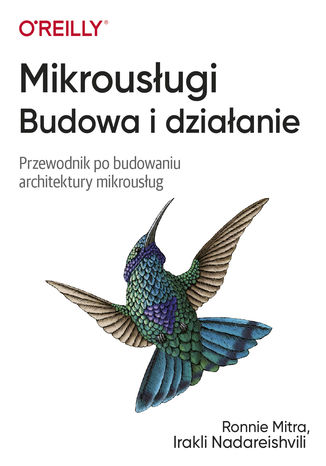
Mikrousługi. Budowa i działanie. Przewodnik po budowaniu architektury mikrousług
Ronnie Mitra, Irakli Nadareishvili
Przewodnik po budowaniu architektury mikrousług Architektury mikrousług oferują większą prędkość wprowadzania zmian, lepszą skalowalność oraz czystsze, łatwiejsze do rozwijania projekty systemów. Jednak implementowanie architektury mikrousług nie jest łatwe. Jak dokonywać niezliczonych wyborów, przeszkolić zespół pod kątem tych wszystkich szczegółów technicznych i poprowadzić organizację w stronę udanego wdrożenia, aby zmaksymalizować szanse powodzenia? Autorzy tej książki, Ronnie Mitra i Irakli Nadareishvili proponują wskazówki krok po kroku dla budowania efektywnej architektury mikrousług. Architekci i inżynierowie mogą pójść drogą implementacji opartej na technikach i rozwiązaniach, które już wykazały swoją skuteczność w systemach mikrousług. Zbudujemy model operacyjny, projekt mikrousług, podstawy infrastruktury oraz dwie działające mikrousługi, po czym połączymy te elementy w jedną implementację. Dla każdego, kto staje przed wyzwaniem budowania mikrousług albo ich architektury, ten przewodnik jest nieocenionym źródłem. • Poznaj efektywny i oczywisty sposób projektowania systemu mikrousług • Definiuj zespoły, ich zadania i wskazówki dla współdziałania • Dowiedz się, jak podzielić wielką aplikację na zbiór mikrousług • Zbadaj sposoby izolowania i osadzania danych w odpowiednich mikrousługach • Zbuduj prosty, ale skuteczny potok CI/CD na potrzeby zmian infrastruktury • Twórz kod dla przykładowych mikrousług • Wdrażaj działające zastosowania mikrousług w Amazon Web Services „Książka przedstawia jasne i proste wskazówki, jak przekształcić zasady i praktyki mikrousług w rzeczywisty, działający kod. Polecam ją każdemu, kto chce szybko uzyskać działające rozwiązanie.” —Mike Amundsen Doradca i autor Ronnie Mitra jest autorem, strategiem i konsultantem z przeszło 25-letnim doświadczeniem w pracy z technologiami łączności i sieci WWW. Jest współautorem książek Microservice Architecture oraz Continuous API Management, wydanych przez O’Reilly. Irakli Nadareishvili jest wiceprezesem do spraw innowacji w firmie Capital One, kierując zespołami odpowiedzialnymi za budowanie platformy bankowości opartymi na mikrousługach. Poprzednio był współzałożycielem i CTO startupu z branży ochrony zdrowia ReferWell i zajmował stanowiska kierownicze w firmach CA Technologies oraz NPR. Można śledzić go na Twitterze: @inadarei.
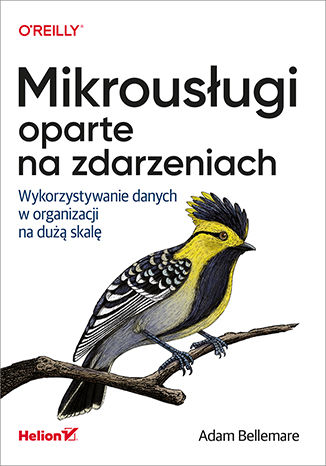
Mikrousługi oparte na zdarzeniach. Wykorzystywanie danych w organizacji na dużą skalę
Adam Bellemare
Mikrousługi oparte na zdarzeniach mogły powstać dzięki rozwojowi konteneryzacji i łatwiejszemu pozyskiwaniu zasobów obliczeniowych. Szczególnie ciekawą propozycją są rozproszone, odporne na błędy, wysokowydajne i szybkie brokery zdarzeń. Te rozwiązania technologiczne pozwalają na korzystanie z wielkich zbiorów danych i zapewniają przetwarzanie zdarzeń w czasie zbliżonym do rzeczywistego. Taka architektura ma znaczenie nie tylko dla inżynierów systemu, ale także dla struktury i sposobu działania firm i organizacji. Nagle okazuje się, że można bezproblemowo wykonywać działania, które do niedawna nie były jeszcze możliwe. To praktyczny przewodnik, dzięki któremu samodzielnie ocenisz, jak dużą wartość biznesową mogą zyskać duże wolumeny danych, jeśli są wykorzystywane w organizacji przy użyciu architektury mikrousług opartych na zdarzeniach. Dowiesz się także, jak przygotować i przeprowadzić proces budowania organizacji, która wykorzystuje mikrousługi oparte na zdarzeniach. Poznasz wszechstronne, a przy tym proste wzorce odblokowujące wartość tych danych. W książce znalazło się również mnóstwo wskazówek i sugestii dotyczących projektowania systemu opartego na zdarzeniach, ponadto wyjaśniono tutaj kluczowe zasady architektoniczne. Wymieniono też przydatne narzędzia oraz opisano dokładnie techniki testowania mikrousług i wdrażania ich w środowisku produkcyjnym. W książce między innymi: rola architektury opartej na zdarzeniach w dostarczaniu wyjątkowej wartości biznesowej mikrousługi w projektowaniu opartym na zdarzeniach najlepsze wzorce architektoniczne wzorce aplikacji do tworzenia wielofunkcyjnych mikrousług opartych na zdarzeniach komponenty i narzędzia wymagane do uruchomienia ekosystemu mikrousługowego Mikrousługi: odblokuj potencjał danych!
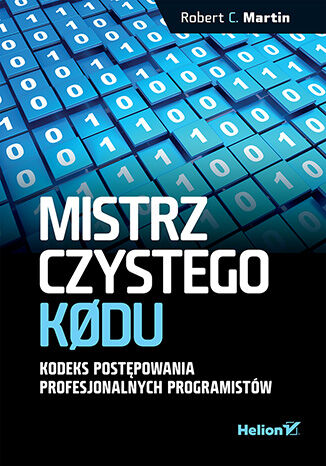
Mistrz czystego kodu. Kodeks postępowania profesjonalnych programistów
Robert C. Martin
Mistrz czystego kodu. Kodeks postępowania profesjonalnych programistów Podręcznik profesjonalnego programisty! Robert C. Martin, znany jako Uncle Bob, to jeden z prawdziwych gwiazdorów branży IT, człowiek o niezwykłej charyzmie, rewelacyjnym podejściu do słuchaczy i poczuciu humoru. O jego czas wciąż biją się konferencje branżowe. Poza działalnością ekspercką Martin zajmuje się pisaniem książek - m.in. jest autorem znanego każdemu programiście tytułu Czysty kod. Książka, którą trzymasz w rękach, jest udaną kontynuacją tej pozycji. W trakcie lektury dowiesz się, jakie cechy charakteryzują profesjonalnego programistę, a jest ich sporo! W pierwszej kolejności musisz nauczyć się mówić "nie". Są też sytuacje, kiedy trzeba powiedzieć "tak" - dowiesz się, kiedy i jak to robić. Ponadto poznasz najlepsze techniki zarządzania czasem oraz przekonasz się, jak presja, zmęczenie i pośpiech wpływają na jakość Twojego kodu. W kolejnych rozdziałach Robert C. Martin zapozna Cię z różnymi sposobami podejścia do testowania kodu oraz współpracy między programistami a innymi ludźmi. Książka ta jest długo wyczekiwaną pozycją na rynku - nie pozwól, żeby ktoś miał ją przed Tobą! Zobacz, jak Uncle Bob: radzi sobie z presją mówi "nie" i "tak" zarządza czasem tworzy kod wysokiej jakości Obowiązkowa lektura każdego programisty!
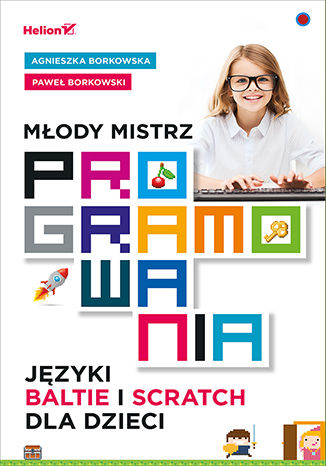
Młody mistrz programowania. Języki Baltie i Scratch dla dzieci
Agnieszka Borkowska, Paweł Borkowski
Czarowanie na ekranie! W krainie Baltiego, czyli poznaj świat czarodzieja Na Skreczowisku, czyli zaprogramuj sobie grę Gry komputerowe to jedna z tych rzeczy, które dzieci lubią najbardziej. Zwykle mogłyby bez końca siedzieć przed ekranem i zabijać kolejne smoki, projektować domy, przedzierać się przez dżunglę lub jeździć wyścigówkami. Jednak rzadko przychodzi im do głowy, że równie wielką przyjemność może sprawić zaprojektowanie i zbudowanie własnej gry! Tu zaczyna się Twoje zadanie. Nie musisz być programistą, żeby pomóc swojemu dziecku odkryć fascynujący świat programowania — wystarczy Ci ta książka. Zainstaluj proste, przyjazne dzieciom środowiska Baltie i Scratch, by rozpocząć podróż po czarodziejskiej krainie. Z pierwszymi zadaniami z powodzeniem poradzą sobie nawet kilkulatki, a im dalej w las, tym ciekawsze stają się wyzwania. Dzieci szybko uczą się, jak działać w świecie duszków, obiektów i poleceń. Co więcej, sprawia im to dużą frajdę. I wreszcie nadchodzi ten moment, gdy wiedzą już, o co chodzi w tym całym programowaniu — a jest to wiedza niezwykle cenna w dzisiejszych czasach! Na pomoc czarodziejowi Korespondencja To, czego nigdy nie było Drugi stopień wtajemniczenia Porwanie Karciane pola Księga Czarów Hokus, fokus, pokus Pierwsze spotkanie z kotem Budujemy grę Najtrudniejsze zagadnienia Łagodnie wprowadź dziecko w świat programowania!
Mobile Test Automation with Appium. Mobile application testing made easy
Nishant Verma
Appium is an open source test automation framework for mobile applications. It allows you to test all three types of mobile applications: native, hybrid, and mobile web. It allows you to run the automated tests on actual devices, emulators, and simulators. Today, when every mobile app is made on at least two platforms, iOS and Android, you need a tool that allows you to test across platforms. Having two different frameworks for the same app increases the cost of the product and time to maintain it as well. Appium helps save this cost.With mobile app growth exploding, mobile app automation is mainstream now. In this book, author Nishant Verma provides you with a firm grounding in the concepts of Appium while diving into how to set up appium & Cucumber-jvm test automation framework, implement page object design pattern, automate gestures, test execution on emulators and physical devices, and implement continuous integration with Jenkins. The mobile app we have referenced in this book is Quikr because of its relatively lower learning curve to understand the application. It's a local classifieds shopping app.
Marius Bancila
C++ is one of the most widely used programming languages. Fast, efficient, and flexible, it is used to solve many problems. The latest versions of C++ have seen programmers change the way they code, giving up on the old-fashioned C-style programming and adopting modern C++ instead.Beginning with the modern language features, each recipe addresses a specific problem, with a discussion that explains the solution and offers insight into how it works. You will learn major concepts about the core programming language as well as common tasks faced while building a wide variety of software. You will learn about concepts such as concurrency, performance, meta-programming, lambda expressions, regular expressions, testing, and many more in the form of recipes. These recipes will ensure you can make your applications robust and fast.By the end of the book, you will understand the newer aspects of C++11/14/17 and will be able to overcome tasks that are time-consuming or would break your stride while developing.
Gaurav Agarwal
Containers have entirely changed how developers and end-users see applications as a whole. With this book, you'll learn all about containers, their architecture and benefits, and how to implement them within your development lifecycle.You'll discover how you can transition from the traditional world of virtual machines and adopt modern ways of using DevOps to ship a package of software continuously. Starting with a quick refresher on the core concepts of containers, you'll move on to study the architectural concepts to implement modern ways of application development. You'll cover topics around Docker, Kubernetes, Ansible, Terraform, Packer, and other similar tools that will help you to build a base. As you advance, the book covers the core elements of cloud integration (AWS ECS, GKE, and other CaaS services), continuous integration, and continuous delivery (GitHub actions, Jenkins, and Spinnaker) to help you understand the essence of container management and delivery. The later sections of the book will take you through container pipeline security and GitOps (Flux CD and Terraform).By the end of this DevOps book, you'll have learned best practices for automating your development lifecycle and making the most of containers, infrastructure automation, and CaaS, and be ready to develop applications using modern tools and techniques.
Federico Kereki
JavaScript has evolved into a language that you can use on any platform. Modern JavaScript Web Development Cookbook is a perfect blend of solutions for traditional JavaScript development and modern areas that developers have lately been exploring with JavaScript. This comprehensive guide teaches you how to work with JavaScript on servers, browsers, mobile phones and desktops.You will start by exploring the new features of ES8. You will then move on to learning the use of ES8 on servers (with Node.js), with the objective of producing services and microservices and dealing with authentication and CORS. Once you get accustomed to ES8, you will learn to apply it to browsers using frameworks, such as React and Redux, which interact through Ajax with services. You will then understand the use of a modern framework to develop the UI. In addition to this, development for mobile devices with React Native will walk you through the benefits of creating native apps, both for Android and iOS.Finally, you’ll be able to apply your new-found knowledge of server-side and client-side tools to develop applications with Electron.