
Inne
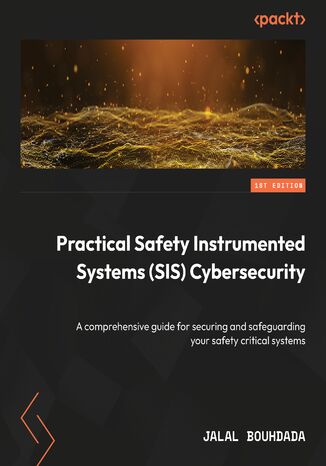
Jalal Bouhdada, Marco Ayala
As modern process facilities become increasingly sophisticated and vulnerable to cyber threats, securing critical infrastructure is more crucial than ever. This book offers an indispensable guide to industrial cybersecurity and Safety Instrumented Systems (SIS), vital for maintaining the safety and reliability of critical systems and protecting your operations, personnel, and assets.Starting with SIS design principles, the book delves into the architecture and protocols of safety networks. It provides hands-on experience identifying vulnerabilities and potential attack vectors, exploring how attackers might target SIS components. You’ll thoroughly analyze Key SIS technologies, threat modeling, and attack techniques targeting SIS controllers and engineer workstations. The book shows you how to secure Instrument Asset Management Systems (IAMS), implement physical security measures, and apply integrated risk management methodologies. It also covers compliance with emerging cybersecurity regulations and industry standards worldwide.By the end of the book, you’ll have gained practical insights into various risk assessment methodologies and a comprehensive understanding of how to effectively protect critical infrastructure.
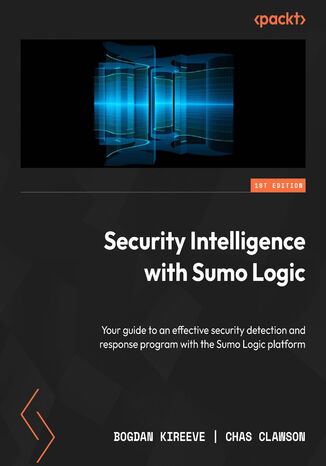
Bogdan Kireeve, Chas Clawson
Modernize your security operations with Sumo Logic’s Continuous Intelligence Platform that delivers real-time detection, analysis, and response to threats, and find out how it enables security teams to unify monitoring, apply advanced analytics, and strengthen defenses across diverse environments.Step by step, this guide takes you through configuring Sumo Logic to ingest and visualize log data, running versatile queries, and using Security Apps to meet compliance and audit demands. You’ll learn how to take full advantage of Cloud SIEM by creating enriched records, building correlation rules, proactively threat hunting, and tuning signals to reduce false positives.Beyond traditional SIEM use cases, discover how Sumo Logic supports modern DevSecOps practices that embed security into the development lifecycle without compromising delivery speed and features such as entity inventory, third-party integrations, and best practices that enhance investigation and detection accuracy.Finally, you’ll prepare for the future of security intelligence, where automation, machine learning, and AI-driven insights reshape threat defense, ensuring you’re ready to transform your security operations with Sumo Logic Cloud SIEM.*Email sign-up and proof of purchase required
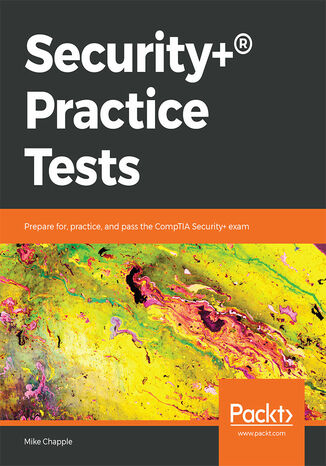
Security+(R) Practice Tests. Prepare for, practice, and pass the CompTIA Security+ exam
Mike Chapple
Security+ certification is the most popular entry-level certification for cybersecurity professionals. It has no work experience requirement, making it accessible to everyone willing to put in the time to prepare for the exam. Security+? Practice Tests are the perfect tools to prepare for the CompTIA Security+ exam.The first six chapters each cover one of the six Security+ domains. Each of those chapters contains around 100 practice test questions covering the material from that domain. The last two chapters each contain a full-length Security+ practice test that’s designed to assess your readiness to take the actual test. At the end of each chapter, you’ll find the answers to all of the questions along with detailed explanations to help reinforce your learning of the material.By the end of the book, you’ll have enough practice to easily ace the CompTIA Security+ exam.
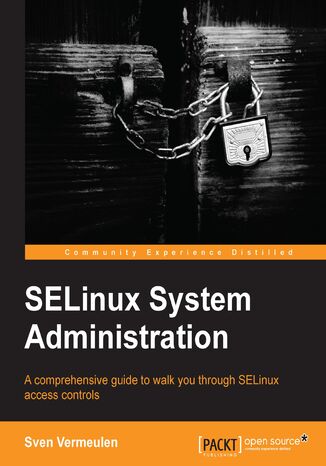
Sven Vermeulen
NSA Security-Enhanced Linux (SELinux) is a set of patches and added utilities to the Linux kernel to incorporate a strong, flexible, mandatory access control architecture into the major subsystems of the kernel. With its fine-grained yet flexible approach, it is no wonder Linux distributions are firing up SELinux as a default security measure.SELinux System Administration covers the majority of SELinux features through a mix of real-life scenarios, descriptions, and examples. Everything an administrator needs to further tune SELinux to suit their needs are present in this book.This book touches on various SELinux topics, guiding you through the configuration of SELinux contexts, definitions, and the assignment of SELinux roles, and finishes up with policy enhancements. All of SELinux's configuration handles, be they conditional policies, constraints, policy types, or audit capabilities, are covered in this book with genuine examples that administrators might come across.By the end, SELinux System Administration will have taught you how to configure your Linux system to be more secure, powered by a formidable mandatory access control.
Kyler Kent
As cyberattacks continue to disrupt modern enterprises, organizations urgently need vigilant security operations center (SOC) analysts who can detect and stop threats fast. With modern SIEMs and ingestion strategies, much of the necessary data is already within easy reach. This book provides you with the daily tactics, techniques, and procedures of a SOC analyst and shows how to exceed expectations in a modern SOC.The book builds a solid foundation in security operations, preparing you for the SOC analyst role and other positions within the SOC. With this base in place, you’ll advance into key SOC roles and blue team principles, such as detection and engineering. You’ll be able to clearly articulate your future as a SOC analyst in an interview as well as talk about your career path to impress prospective employers. You’ll get to grips with advanced threat actors, including advanced persistent threats (APTs) that wield considerable resources in campaigning against an organization. The chapters cover important concepts, such as governance, risk, and compliance (GRC), blue and red team tools, network security, web app security, and job search skills.By the end of this book, you’ll be able to demonstrate competency and acquire a SOC analyst position with an additional career outlook moving forward.

Socjotechnika. Sztuka zdobywania władzy nad umysłami. Wydanie II
Christopher Hadnagy
Nowa książka Chrisa Hadnagy'ego, Socjotechnika. Sztuka zdobywania władzy nad umysłami jest doskonałą lekturą dla każdego, kto jest choć trochę zainteresowany kwestią inżynierii społecznej. Opisane w niej działania, od zdobywania informacji po wykonanie planu, umożliwiają infiltrację dowolnego celu. Kevin Mitnick, autor, prelegent i konsultant Wykorzystaj najlepsze techniki hackerskie, aby lepiej bronić się przed atakami. W sieci zabezpieczeń, które stworzyliśmy dla ochrony naszych danych, najsłabszym elementem jest zawsze czynnik ludzki. Hackerzy, zarówno etyczni, jak i nie, korzystają z wachlarza sztuczek opierających na "hackowaniu osobistym" i pozwalających przekonać innych do ujawnienia haseł, przekazania wrażliwych plików, przelania znacznych sum pieniędzy i świadomego podjęcia działań, które zdecydowanie nie są w najlepszym interesie osób, które wykonują te czynności. Książka Socjotechnika. Sztuka zdobywania władzy nad umysłami opisuje te sztuczki, aby umożliwić specjalistom zajmującym się bezpieczeństwem danych wykorzystanie tych umiejętności w celu odkrycia i wyeliminowania słabości zabezpieczeń. Niniejsza pozycja zarówno przedstawia techniki takie, jak modelowanie komunikacji, mentalność plemienna, obserwacja bądź manipulacja, jak i prezentuje wskazówki umożliwiające rozpoznanie, zwalczanie i zapobieganie atakom wykorzystującym inżynierię społeczną. Drugie, rozszerzone wydanie prezentuje różne techniki inżynierii społecznej, od klasycznych po najnowocześniejsze, przedstawiając je w kontekście zdarzeń znanych z pierwszych stron gazet, jak z własnych doświadczeń autora. Szczegółowe omówienie technik, takich jak wzbudzanie emocji, tworzenie pretekstu, biały wywiad, tailgating bądź phishing pozwala zrozumieć, jak łatwo jest skłonić ludzi do podjęcia szkodliwych decyzji. "W późnych latach 70. zacząłem korzystać z inżynierii społecznej, aby jeździć autobusem za darmo jako nastolatek, przechwytywać połączenia NSA w liceum i łamać dowolne zabezpieczenia w wieku studenckim. Wszystko to robiłem wyłącznie z ciekawości, chęci sprawdzenia się i żądzy przygód. Dziś, po kilku dekadach, wciąż twierdze, że inżynieria społeczna jest najważniejszą metodą każdego testu penetracji. Nie tylko ja zresztą. Agenci rządowi, hackerzy kryminalni i hacktywiści korzystają z takiej taktyki, aby kraść pieniędze, zdobywać dane a czasami nawet wpływać na wyniki wyborów w państwie." Kevin Mitnick, autor, prelegent i konsultant Posłuchaj audiobooka:
Badr Nasslahsen
With experienced hackers constantly targeting apps, properly securing them becomes challenging when you integrate this factor with legacy code, new technologies, and other frameworks. Written by a Lead Cloud and Security Architect as well as CISSP, this book helps you easily secure your Java apps with Spring Security, a trusted and highly customizable authentication and access control framework.The book shows you how to implement different authentication mechanisms and properly restrict access to your app. You’ll learn to integrate Spring Security with popular web frameworks like Thymeleaf and Microservice and Cloud services like Zookeeper and Eureka, along with architecting solutions that leverage its full power while staying loosely coupled. You’ll also see how Spring Security defends against session fixation, moves into concurrency control, and how you can use session management for administrative functions. This fourth edition aligns with Java 17/21 and Spring Security 6, covering advanced security scenarios for RESTful web services and microservices. This ensures you fully understand the issues surrounding stateless authentication and discover a concise approach to solving those issues.By the end of this book, you’ll be able to integrate Spring Security 6 with GraalVM native images seamlessly, from start to finish.
Sztuka podstępu. Łamałem ludzi, nie hasła. Wydanie II
Kevin Mitnick, William L. Simon
Łącząc techniczną biegłość ze starą jak świat sztuką oszustwa, Kevin Mitnick staje się programistą nieobliczalnym. New York Times, 7 kwietnia 1994 Już jako nastolatek swoimi umiejętnościami zastraszył całą Amerykę. Z czasem stał się najsłynniejszym hakerem świata i wrogiem publicznym numer jeden - okrzyknięty przez media groźnym cyberprzestępcą, gorliwie ścigany przez FBI, w końcu podstępem namierzony, osaczony i spektakularnie ujęty... Uzbrojony w klawiaturę został uznany za groźnego dla społeczeństwa - wyrokiem sądu na wiele lat pozbawiono go dostępu do komputera, internetu i telefonów komórkowych. Życiorys Kevina Mitnicka jest jak scenariusz dobrego filmu sensacyjnego! Nic zatem dziwnego, że doczekał się swojej hollywoodzkiej wersji. Genialny informatyk czy mistrz manipulacji? Jak naprawdę działał człowiek, wokół wyczynów i metod którego narosło tak wiele legend? Jakim sposobem udało mu się włamać do systemów takich firm, jak Nokia, Fujitsu, Novell czy Sun Microsystems?! Zakup najdroższych technologii zabezpieczeń, karty biometryczne, intensywne szkolenia personelu, restrykcyjna polityka informacyjna czy wreszcie wynajęcie agencji ochrony - Kevin Mitnick udowodnił, że w świecie sieci i systemów poczucie bezpieczeństwa jest tylko iluzją. Ludzka naiwność, łatwowierność i ignorancja - oto najsłabsze ogniwa, wiodące do uzyskania poufnych informacji, tajnych kodów i haseł. Mitnick, obecnie najbardziej rozchwytywany ekspert w dziedzinie bezpieczeństwa komputerów, w swej niezwykłej książce przestrzega i pokazuje, jak łatwo można ominąć bariery systemów wartych miliony dolarów. Przedstawiając i analizując metody hakerów oparte na prawdziwych atakach, demonstruje, że tam, gdzie nie można znaleźć luk technicznych, zawsze skuteczne okazują się ludzkie słabości... A Ty? Jesteś w pełni świadomy narzędzi technologicznych i socjotechnicznych, które hakerzy mogą wykorzystać przeciwko Tobie? Opinie czytelników o książce Sztuka podstępu. Łamałem ludzi, nie hasła (źródło: www.helion.pl) Jeśli ktoś ma cokolwiek wspólnego z bezpieczeństwem jakiegokolwiek systemu komputerowego, to NIEprzeczytanie tej książki jest grzechem ciężkim! Tomasz Książka pokazuje, jak ludzki umysł można łatwo oszukać, jak skrótowo myśli, jak szybko wpada w rutynę i tendencyjne wyciąga wnioski. Damian Najsłynniejszy haker świata Kevin Mitnick uczy nas, jak bronić samych siebie i nasze firmy przed atakami socjotechników. Adam Mitnick przedstawia scenariusze ataków hakerskich w postaci wyjątkowo barwnych i wciągających opowieści. Sztukę podstępu czyta się jak doskonały kryminał, kryminał z wyjątkowo cennym morałem. Grzegorz Przekonaj się, że "ściśle tajne" to fikcja. A bezpieczeństwo systemu to tylko Twoje złudzenie... Książka wzbogacona o wstęp do polskiego wydania
Sztuka prowadzenia cyberkonfliktu. Atak i obrona w czasie rzeczywistym
Dan Borges
Cyfrowe konflikty stały się codziennością. Organizacja, która chce przetrwać w tym wrogim świecie, nie może szczędzić sił ani środków na cyberbezpieczeństwo. Napastnicy prowadzą wyrafinowane ataki z rosnącą skutecznością. Nawet jeśli Twój system komputerowy jest dobrze zabezpieczony, a procedury cyberbezpieczeństwa zostały wdrożone i są stosowane, musisz się przygotować do ataku. Innymi słowy: musisz dobrze wiedzieć, co robić, kiedy prawdziwi hakerzy wtargną do Twojego systemu. Ta niezwykła książka pozwoli Ci dobrze zrozumieć, jak wygląda prowadzenie cyberataku z perspektywy agresora i odpieranie napaści z perspektywy obrońcy. Znajdziesz w niej mnóstwo przydatnych porad i wskazówek, dzięki którym zdołasz przejąć kontrolę nad sytuacją. Opisane tu techniki i sztuczki okazują się przydatne podczas całego łańcucha ataku. W każdym rozdziale poruszono tematy ważne dla zespołów ataku lub zespołów obrony. Pokazano świat antagonistycznych operacji, a także zasady oszustwa, człowieczeństwa i ekonomii, będące podstawą prowadzenia konfliktów komputerowych. Przedstawiono wszelkie niezbędne informacje dotyczące planowania operacji, instalacji infrastruktury i narzędzi. Omówiono również zalety prowadzenia zaawansowanych badań i wyciągania wniosków z zakończonych konfliktów. W książce między innymi: wstrzykiwanie kodu do procesów i wykrywanie wstrzykniętego kodu aktywne środki obrony manipulacja sensorami obrońców podczas ataku wprowadzanie tylnych drzwi do programów i używanie serwerów-pułapek techniki stosowane w zespołach czerwonych i niebieskich najlepsze metody pozwalające wygrać konflikt cyberbezpieczeństwa Przygotuj się. Cyberwojna nadchodzi!

Fedor G. Pikus
Jeszcze kilka lat temu, by zwiększyć szybkość działania programu, wystarczyło wymienić procesor. Dzisiejsze procesory nie są znacząco szybsze od poprzedników. Nowsze architektury zapewniają zaledwie niewielkie przyrosty wydajności istniejących już programów. Nie ma innego wyjścia: jeśli programista chce tworzyć efektywne oprogramowanie, musi wiedzieć, jak odpowiednio używać dostępnych zasobów obliczeniowych. Jest to trudna sztuka, wymagająca ciągłej gotowości do nauki. To książka przeznaczona dla doświadczonych programistów, którzy chcą sprawnie tworzyć efektywny kod. Omówiono w niej, jak korzystać z zasobów procesora i pamięci, unikać zbędnych obliczeń, mierzyć wydajność kodu i prawidłowo stosować współbieżność i wielowątkowość. Zaprezentowano również zagadnienia związane z optymalizacjami przeprowadzanymi przez kompilator, a także metody efektywniejszego korzystania z właściwości języka programowania (C++). Dokładnie wyjaśniono zasady projektowania oprogramowania pod kątem wydajności i aby ułatwić przyswajanie wiedzy, zamieszczono wiele przykładów, które będą przydatne w czasie samodzielnej nauki. Dzięki dogłębnemu zrozumieniu wiedzy ujętej w książce łatwiej będzie podejmować właściwe decyzje podczas projektowania nowego systemu lub modyfikowania już istniejącej architektury. Najciekawsze zagadnienia: korzystanie ze sprzętowych zasobów obliczeniowych uporządkowanie pamięci i należyte zorganizowanie danych wydajność operacji a współbieżny dostęp stosowanie technik programowania bez użycia blokady zwiększanie efektywności optymalizacji za pomocą kompilatora interfejsy API dla współbieżnych struktur danych i struktur o dużej wydajności Dobre decyzje projektowe to klucz do wydajności kodu!
SZYFROWANIE BEZPIECZEŃSTWO KRYPTOGRAFIA: CZĘŚĆ 1 Podstawowe pojęcia i koncepcje
Dariusz Gołębiowski
1. SZYFROWANIE - TWOJE SUPERMOCE W CYFROWYM ŚWIECIE Miła Czytelniczko, Drogi Czytelniku, Wyobraź sobie ten wspaniały świat bez jakichkolwiek zamków czy innych zabezpieczeń w drzwiach. Chodzisz do pracy, wracasz do domu, a Twoje rzeczy są tam, gdzie je zostawiłeś/aś - do czasu, aż ... ktoś postanowi zajrzeć i "pożyczyć ;)" coś od Ciebie - bez Twojej zgody czy nawet wiedzy. Jak Tobie podoba się taka wizja? Chyba niespecjalnie? Prawda? A teraz zerknijmy z tego samego punktu widzenia do cyber świata. W cyfrowym świecie tak właśnie wygląda codzienna rzeczywistość bez szyfrowania. Twoje dane są jak otwarte książki, gotowe do przeglądania przez każdego, kto ma na to ochotę. Albo jak wolisz - jak Twój dom bez jakichkolwiek antykradzieżowych zabezpieczeń. Tak! Właścicielu/ko firmy. Ciebie oraz Twojego biznesu to także dotyczy. Ty także - kolokwialnie mówiąc: "dajesz ciała" ;)! Na szczęście jest na opisane problemy rozwiązanie! Całkiem łatwe i znane od stuleci Szyfrowanie! Tak - dokładnie tak! SZYFROWANIE to Twoja cyfrowa tarcza - supermoc, która pozwala chronić najcenniejsze dane przed złodziejami, wścibskimi spojrzeniami czy nawet ... własnym roztargnieniem. Ale trzeba także pamiętać, że szyfrowanie to tylko element potężnej dziedziny wiedzy, nauki i technologii jaką jest kryptografia. W początkowych modułach tej serii będę głównie posługiwał się pojęciem szyfrowania. To na tym elemencie będziemy się skupiali. Jednakże będziemy także sięgali głębiej - do kryptografii. Ale spokojnie - nie obawiaj się. Wejście w świat kryptografii zrobimy wspólnie - krok po kroku i czasami nawet nie zauważysz, a już będziesz w obszarze kryptografii. A poza tym ona wcale nie jest aż tak straszna jak by wynikało z jej nazwy :). Jeśli myślisz, że to technologia zarezerwowana dla informatyków z topowych firm technologicznych, na następnych stronach tej książki wyprowadzę Ciebie z błędu. Każdy - nawet Ty - może stać się mistrzem szyfrowania. I nie, nie potrzebujesz do tego doktoratu z kryptografii, ani nawet jakiejkolwiek zaawansowanej wiedzy. Technologia daje nam odpowiednie narzędzia. Ale pojawiają się różne ograniczenia i to co najmniej dwa są istotne na początku Twojej drogi 😉: Twoja dobra wola do zainteresowania się tematem szyfrowania (i kryptografii), Czas, bo szybkość jest wrogiem bezpieczeństwa, czyli także szyfrowania, a Ty już wkrótce to zrozumiesz - o ile zagłębisz się w kolejne strony tego poradnika. 2. DLACZEGO WARTO ZGŁĘBIĆ TAJNIKI SZYFROWANIA? Każdego dnia korzystamy ze wspaniałych technologii, które wymieniają się informacjami - od wysyłania maili po przechowywanie plików w tak zwanej "chmurze IT" lub po prostu "chmurze". Ale w świecie, gdzie dane są nową walutą, każdy błąd może kosztować więcej, niż się spodziewasz. Szyfrowanie to nie luksus - to podstawowe narzędzie w cyfrowym świecie. W tej książce pokażę Ci, jak prosto i skutecznie wprowadzić szyfrowanie do swojego życia zawodowego i osobistego. Co znajdziesz w Części 1 serii: Szyfrowanie Bezpieczeństwo? Przygotowałem dla Ciebie przewodnik, którego pierwsze dwie części - krok po kroku - przeprowadzą Ciebie przez podstawy szyfrowania. Całość poradnika podzieliłem na moduły, z których każdy skupia się na innym aspekcie. Nie bój się - wszystko wyjaśnione jest prosto, zrozumiale, a czasem nawet z odrobiną humoru. Bo kto powiedział, że o bezpieczeństwie nie można pisać z szerokim uśmiechem na twarzy? CZĘŚĆ 1 to wprowadzenie do podstaw Podstawy szyfrowania: Na początek dowiesz się, czym jest szyfrowanie, skąd się wzięło i dlaczego jest tak ważne. Przygotuj się na kilka ciekawostek z historii - od Cezara po współczesne algorytmy. Symetria i asymetria - szyfrowanie na dwa sposoby: Poznasz dwa podstawowe rodzaje szyfrowania, ich zalety, wady i zastosowania. Zrozumiesz, dlaczego klucze publiczne i prywatne to jak yin i yang w świecie kryptografii. CZĘŚCI: 2, 3 i następne (tak, przewidziałem ich sporo :) ) - zajmą się kolejnymi ważnymi elementami szyfrowania, o których dowiesz się zapewne w części drugiej, do której już teraz Ciebie zapraszam. Ale pozwól, że nakreślę obszary wiedzy, które zamierzam poruszyć w kilku kolejnych Modułach: Protokoły szyfrowania Praktyczne zastosowania szyfrowania Typowe błędy i najlepsze praktyki Szyfrowanie w biurze i wiele innych związanych z szyfrowaniem oraz cyfrowym bezpieczeństwem. 3. DLACZEGO TA SERIA KSIĄŻEK JEST INNA? Moim celem było stworzenie poradnika, który nie tylko dostarcza wiedzy, ale też zachęca do działania. Znajdziesz tu nie tylko przydatne teorie, ale przede wszystkim praktyczne przykłady, wskazówki i - co najważniejsze - lekki styl, który pozwoli Ci przyswajać wiedzę z uśmiechem na twarzy. A ponieważ w ponad 90% skupiam się na rozwiązaniach open source oraz bezpłatnych, więc każdy i każda z Was będzie mógł/mogła w praktyce zobaczyć oraz przećwiczyć większość z omawianych elementów szyfrowania. Chcę, żebyś po przeczytaniu tej książki pomyślał/a: "To było łatwiejsze, niż myślałem/am!" i od razu zaczął/ęła stosować szyfrowanie w praktyce. A ponieważ szyfrowania to jeden z filarów cyberbezpieczeństwa, więc po poznaniu i zrozumieniu zagadnień poruszanych w tej serii ebooków - Twoja wartość na rynku pracy zapewne znacząco się zwiększy. Jak już wspomniałem nacisk będę kładł na szyfrowanie a nie na kryptografię, jak jak wkrótce się dowiesz - szyfrowanie to jedynie element kryptografii. Ale na początkowym etapie nauki, warto zgłębić właśnie sztukę szyfrowania, aby potem móc spojrzeć na całość problemu, czyli z punktu widzenia kryptografii. Nie oznacza to, że nie będzie już w pierwszej części elementów wiedzy kryptograficznej wychodzących poza samo tylko szyfrowanie. Tak się nie da, choćby ze względów technologicznych, gdzie zastosowanie szyfrowania opiera się także o aspekty całej kryptografii czyli: poufność, integralność, uwierzytelnienie, niezaprzeczalność. Na wyjaśnienie tych czterech pojęć zapraszam Ciebie do dalszej części mojego poradnika. 4. DLA KOGO JEST TA KSIĄŻKA? Dla każdej osoby, która ma do czynienia z urządzeniami typu: komputer, smartfon, tablet. A czy są jeszcze ludzie, którzy nie używają choćby jednego z wyżej wymienionych narzędzi cyfrowych? Niezależnie od tego, czy jesteś pracownikiem/cą biurowym/ą, freelancerem/ką, studentem/ką czy właścicielem/ką firmy - jeśli zależy Ci na bezpieczeństwie danych, ta książka jest dla Ciebie. Nawet jeśli dopiero zaczynasz swoją przygodę z szyfrowaniem, znajdziesz tu wszystko, czego potrzebujesz, by ruszyć z miejsca. Gotowy/a na podróż po świecie szyfrowania? Świetnie! Weź kubek kawy, zrelaksuj się i zacznijmy wspólnie odkrywać tajniki bezpieczeństwa danych oraz wielu innych obszarów cyberbezpieczeństwa. Obiecuję, że będzie: ciekawie, praktycznie i czasami ... całkiem zabawnie. 😊
The Art of Cyber Security. A practical guide to winning the war on cyber crime
IT Governance Publishing, Gary Hibberd
This book redefines cyber security through the lens of creativity and classical strategy. It begins by exploring the mindset of the cyber defender as both artist and martial artist, highlighting the importance of intuition, flow, and individual perspective. It challenges rigid educational models and argues for a more adaptive, expressive approach to security thinking.Building on this foundation, the second part interprets Sun Tzu’s The Art of War in a cyber context. Each chapter reframes traditional military concepts—deception, preparation, leadership, and adaptability—through the realities of digital threats. The text emphasizes how timeless strategies apply to the modern information battlefield.By blending philosophy, history, and practical insight, the book offers a unique take on digital defense. It invites readers to reflect on their approach, question assumptions, and embrace both logic and creativity. This is not just a guide to threats and tactics, but a call to rethink what it means to be a cyber security professional today.
Stéphane Eyskens, Scott Hanselman
Designing effective cloud-native architectures on Azure often feels overwhelming—especially when trying to translate complex requirements into reliable solutions. This book solves that problem by giving you a structured, visual guide to building modern systems that are scalable, secure, and production-ready.You'll discover how to plan, design, and communicate Azure-based architectures using practical reference diagrams mapped to real-world use cases. Organized by domains including infrastructure, applications, data, container orchestrators, AI, and security, each chapter walks you through the key services, patterns, and decisions that underpin successful solutions.Throughout the book, you'll find over 40 detailed architecture maps, created and curated by a seasoned Microsoft cloud solution architect. These maps illustrate how to align Azure services with business goals, manage hybrid and multi-cloud complexity, and incorporate best practices for governance, resilience, and cost optimization.This book gives you more than just diagrams; it offers the confidence to design cloud solutions that scale and perform. Whether you're modernizing a legacy stack or building greenfield applications, the Azure Cloud Native Architecture Mapbook is your trusted design companion from concept to delivery.
The California Privacy Rights Act (CPRA). An implementation and compliance guide
IT Governance Publishing, Preston Bukaty
This comprehensive guide to the California Privacy Rights Act (CPRA) explores its impact on businesses and consumers within California. The book begins with a clear explanation of CPRA’s territorial and material jurisdiction, providing readers with an understanding of where and how the law applies. It delves into key definitions critical for businesses and individuals alike, covering terms such as personal information, pseudonymization, and consumer rights. One of the focal points of the book is the examination of the rights granted to consumers, including the right to access, delete, and opt-out of data sales. Alongside this, it addresses the business obligations, such as the need for privacy notices and compliance with security requirements. The book also offers an analysis of penalties for non-compliance and breach notification procedures, making it an essential resource for understanding the legal landscape of consumer privacy in California. It concludes with an overview of related laws that further influence how businesses must manage customer data.
The Cyber Resilience Handbook. Achieve Full Cyber Resilience with ISO 27001 and ISO 22301
IT Governance Publishing, Andrew Pattison
This book begins by introducing cyber resilience and its significance in today’s business landscape. It explains how resilience goes beyond traditional cybersecurity, incorporating elements like governance, protection, detection, and recovery to ensure organizational stability in the face of cyber threats. The first chapter outlines the core concepts, including the integration of legal and assurance frameworks.The second section focuses on achieving cyber resilience with ISO 27001 and ISO 22301. These globally recognized standards offer a structured methodology for building a resilient infrastructure. The author explains how to implement these frameworks effectively, ensuring businesses can address cybersecurity challenges and maintain continuity in operations. This section also covers integrating ISO 27001 with other systems to optimize resilience.The final section provides practical strategies for implementing cyber resilience, including project initiation, leadership, risk assessments, and performance evaluation. It also discusses certification processes and maintaining resilience over time, including through third-party vendors. The book concludes with guidance on creating a culture of security and continuous improvement within organizations.
IT Governance Publishing, Alan Calder
This book offers a deep dive into cybersecurity, equipping professionals with tools and frameworks to protect organizations from diverse cyber threats. It covers critical areas such as information security, cyber resilience, and the regulatory and contractual requirements organizations must meet. The book delves into threat anatomy, analyzing technical, human, physical, and third-party vulnerabilities, and includes real-world case studies like the TalkTalk breach and WannaCry ransomware attack.It also emphasizes third-party risk management to ensure robust security practices across all areas. The book introduces the IT Governance Cyber Resilience Framework (CRF), a structured method for managing critical systems, guiding readers through the processes of identification, detection, response, recovery, and continual improvement. Practical strategies in areas like asset management, network security, and staff training are included.The final section offers actionable steps for implementing cybersecurity practices and introduces reference frameworks like NIST and ISO 27001 for compliance and ongoing improvement. With real-world examples and actionable frameworks, this guide is essential for professionals aiming to enhance their organization's cyber resilience.