
Inne
PCI DSS Version 4.0.1. A guide to the payment card industry data security standard
IT Governance Publishing, Stephen Hancock
This book provides an essential resource for anyone involved in managing or ensuring PCI DSS compliance. It begins by introducing the Payment Card Industry Data Security Standard (PCI DSS), explaining its importance, and the regulatory framework that governs it. Readers will understand how to assess their organization’s compliance status and the vital steps to avoid data breaches. The book offers a comprehensive exploration of compliance programs and how organizations can design their own effective strategies.The text then dives into the specifics of PCI DSS, focusing on its core components and requirements. Key chapters describe how to comply with and maintain compliance, as well as how to use tools like the PCI self-assessment questionnaire (SAQ). Real-world case studies of cardholder data breaches highlight the consequences of non-compliance. Readers will also learn about the integration of PCI DSS with other standards like ISO/IEC 27001.Throughout, this guide emphasizes practical advice for implementing key security frameworks such as the Software Security Framework (SSF) and Point-to-Point Encryption (P2PE). By the end of the book, readers will have a clear roadmap to not only meet but sustain PCI DSS compliance and strengthen their organization's data security practices.
Penetration Testing: A Survival Guide. A Survival Guide
Wolf Halton, Bo Weaver, Srinivasa Rao Kotipalli,...
The need for penetration testers has grown well over what the IT industry ever anticipated. Running just a vulnerability scanner is no longer an effective method to determine whether a business is truly secure. This learning path will help you develop the most effective penetration testing skills to protect your Windows, web applications, and Android devices. The first module focuses on the Windows platform, which is one of the most common OSes, and managing its security spawned the discipline of IT security. Kali Linux is the premier platform for testing and maintaining Windows security. Employs the most advanced tools and techniques to reproduce the methods used by sophisticated hackers. In this module first,you’ll be introduced to Kali's top ten tools and other useful reporting tools. Then, you will find your way around your target network and determine known vulnerabilities so you can exploit a system remotely. You’ll not only learn to penetrate in the machine, but will also learn to work with Windows privilege escalations.The second module will help you get to grips with the tools used in Kali Linux 2.0 that relate to web application hacking. You will get to know about scripting and input validation flaws, AJAX, and security issues related to AJAX. You will also use an automated technique called fuzzing so you can identify flaws in a web application. Finally, you’ll understand the web application vulnerabilities and the ways they can be exploited.In the last module, you’ll get started with Android security. Android, being the platform with the largest consumer base, is the obvious primary target for attackers. You’ll begin this journey with the absolute basics and will then slowly gear up to the concepts of Android rooting, application security assessments, malware, infecting APK files, and fuzzing. You’ll gain the skills necessary to perform Android application vulnerability assessments and to create an Android pentesting lab.This Learning Path is a blend of content from the following Packt products:• Kali Linux 2: Windows Penetration Testing by Wolf Halton and Bo Weaver• Web Penetration Testing with Kali Linux, Second Edition by Juned Ahmed Ansari• Hacking Android by Srinivasa Rao Kotipalli and Mohammed A. Imran
Podstawy kryptografii. Wydanie III
Marcin Karbowski
Przekonaj się, jak fascynująca jest kryptografia! Poznaj historię rozwoju kryptografii Opanuj jej matematyczne podstawy Rozpracuj najważniejsze algorytmy kryptograficzne Dowiedz się, jak zastosować je w praktyce Kryptografia to dziedzina nauki, której sedno stanowią sposoby bezpiecznego przekazywania informacji. Jest ona niemal tak stara, jak nasza cywilizacja, a dziś rozwija się w sposób niezwykle dynamiczny. Gdy tylko narodziły się pierwsze metody zapisu i komunikowania się, pojawiła się też konieczność zabezpieczenia informacji przed tymi, którzy mogliby wykorzystać je na niekorzyść osób dysponujących tymi informacjami. Od bezpieczeństwa ważnych informacji zależały często losy całych państw i narodów. O rozstrzygnięciach wielkich bitew nierzadko decydowały inteligencja i determinacja pojedynczych osób, które potrafiły odpowiednio skutecznie szyfrować (bądź też deszyfrować) nadawane (lub przechwytywane) komunikaty. O tej fascynującej dziedzinie wiedzy opowiada książka Podstawy kryptografii. Wydanie III. Wprowadza ona czytelnika w podstawowe zagadnienia kryptografii bez przygniatania nadmiarem teorii i skomplikowaną matematyką. Kusi za to barwnymi opisami i pasjonującymi przykładami "kryptograficznych wojen". Można dzięki niej poznać historię rozwoju technik szyfrowania informacji, matematyczne podstawy kryptografii, stojącą za nią teorię oraz praktyczne zastosowania tej nauki. Niezależnie od tego, czy chcesz poznać kryptografię na własny użytek, czy jest Ci to potrzebne w celach zawodowych, książka ta okaże się doskonałym przewodnikiem po świecie szyfrów, kluczy i algorytmów zabezpieczających dane. Znajdziesz w niej informacje na temat protokołów SSL i SSH, a także szczegółowy opis algorytmu SHA3. Przegląd klasycznych sposobów szyfrowania Matematyczne podstawy kryptografii Praktyczne zastosowanie mechanizmów matematycznych Teoria kryptoanalizy i informacji oraz jej praktyczne wykorzystanie Przegląd protokołów kryptograficznych Klucze publiczne i prywatne Zasady zabezpieczania danych, połączeń i systemów komputerowych Potwierdzanie tożsamości za pomocą podpisów elektronicznych Zabezpieczanie stron internetowych i szyfrowanie baz danych Naucz się chronić cenne dane!
PowerShell Automation and Scripting for Cybersecurity. Hacking and defense for red and blue teamers
Miriam C. Wiesner, Tanya Janca
Take your cybersecurity skills to the next level with this comprehensive PowerShell security guide! Whether you're on the red or blue team, you'll gain a deep understanding of PowerShell's security capabilities and how to apply them.With years of hands-on experience, the author brings real-world use cases to demonstrate PowerShell’s critical role in offensive and defensive security.After covering PowerShell basics and scripting fundamentals, you'll explore PowerShell Remoting and remote management technologies. You'll learn to configure and analyze Windows event logs, identifying crucial logs and IDs for effective monitoring. The book delves into PowerShell's interaction with system components, Active Directory, and Azure AD, including stealth execution methods. You’ll uncover authentication protocols, enumeration, credential theft, and exploitation, providing strategies to mitigate these risks. A dedicated red and blue team cookbook offers practical security tasks. Finally, you'll delve into mitigations such as Just Enough Administration, AMSI, application control, and code signing, emphasizing configuration, risks, exploitation, bypasses, and best practices.By the end of this book, you’ll confidently apply PowerShell for cybersecurity, from detection to defense, staying ahead of cyber threats.
Nino Vidović, Patrick Kirner-Fehrenbach
Are you truly unlocking the full potential of your embedded debugging tools? This hands-on guide cuts through the confusion of common workflows and shows you how to trace, profile, and debug ARM-based systems like a professional firmware engineer.Written by an industry expert, this book guides you through practical debugging scenarios using real hardware setups. You’ll explore both essential and advanced techniques, from setting breakpoints and analyzing memory to using hardware tracing, power profiling, and RTOS awareness. Through real-world crash analysis, you'll learn how to detect stack overflows, communication errors, memory leaks, and more.You will explore practical examples based on ARM Cortex-M target devices, which help you build structured and efficient debugging workflows. The learned skills can then be easily applied to other chip architectures as well. You’ll walk away with a clear understanding of the tools available, how to apply them in complex firmware projects, and the confidence to tackle even the most elusive bugs in production systems.Whether you’re refining your setup or debugging embedded systems at scale, this book will sharpen your skills and elevate your embedded development workflow.*Email sign-up and proof of purchase required
Richard Boddington
Digital Forensics is a methodology which includes using various tools, techniques, and programming language. This book will get you started with digital forensics and then follow on to preparing investigation plan and preparing toolkit for investigation.In this book you will explore new and promising forensic processes and tools based on ‘disruptive technology’ that offer experienced and budding practitioners the means to regain control of their caseloads. During the course of the book, you will get to know about the technical side of digital forensics and various tools that are needed to perform digital forensics. This book will begin with giving a quick insight into the nature of digital evidence, where it is located and how it can be recovered and forensically examined to assist investigators. This book will take you through a series of chapters that look at the nature and circumstances of digital forensic examinations and explains the processes of evidence recovery and preservation from a range of digital devices, including mobile phones, and other media. This book has a range of case studies and simulations will allow you to apply the knowledge of the theory gained to real-life situations. By the end of this book you will have gained a sound insight into digital forensics and its key components.
Brian Russell, Drew Van Duren
With the advent of Internet of Things (IoT), businesses will be faced with defending against new types of threats. The business ecosystem now includes cloud computing infrastructure, mobile and fixed endpoints that open up new attack surfaces, a desire to share information with many stakeholders and a need to take action quickly based on large quantities of collected data. . It therefore becomes critical to ensure that cyber security threats are contained to a minimum when implementing new IoT services and solutions. . The interconnectivity of people, devices, and companies raises stakes to a new level as computing and action become even more mobile, everything becomes connected to the cloud, and infrastructure is strained to securely manage the billions of devices that will connect us all to the IoT. This book shows you how to implement cyber-security solutions, IoT design best practices and risk mitigation methodologies to address device and infrastructure threats to IoT solutions.This book will take readers on a journey that begins with understanding the IoT and how it can be applied in various industries, goes on to describe the security challenges associated with the IoT, and then provides a set of guidelines to architect and deploy a secure IoT in your Enterprise. The book will showcase how the IoT is implemented in early-adopting industries and describe how lessons can be learned and shared across diverse industries to support a secure IoT.
Tajinder Kalsi
With the growing popularity of Linux, more and more administrators have started moving to the system to create networks or servers for any task. This also makes Linux the first choice for any attacker now. Due to the lack of information about security-related attacks, administrators now face issues in dealing with these attackers as quickly as possible. Learning about the different types of Linux security will help create a more secure Linux system.Whether you are new to Linux administration or experienced, this book will provide you with the skills to make systems more secure.With lots of step-by-step recipes, the book starts by introducing you to various threats to Linux systems. You then get to walk through customizing the Linux kernel and securing local files. Next you will move on to manage user authentication locally and remotely and also mitigate network attacks. Finally, you will learn to patch bash vulnerability and monitor system logs for security.With several screenshots in each example, the book will supply a great learning experience and help you create more secure Linux systems.
Heather Mahalik, Rohit Tamma, Satish Bommisetty
Mobile phone forensics is the science of retrieving data from a mobile phone under forensically sound conditions. This book is an update to Practical Mobile Forensics and it delves into the concepts of mobile forensics and its importance in today's world. We will deep dive into mobile forensics techniques in iOS 8 - 9.2, Android 4.4 - 6, and Windows Phone devices. We will demonstrate the latest open source and commercial mobile forensics tools, enabling you to analyze and retrieve data effectively. You will learn how to introspect and retrieve data from cloud, and document and prepare reports for your investigations.By the end of this book, you will have mastered the current operating systems and techniques so you can recover data from mobile devices by leveraging open source solutions.
Rohit Tamma
Mobile forensics has evolved significantly with the rise of secure hardware, encrypted ecosystems, and cloud-first architectures. Practical Mobile Forensics, Fifth Edition explores the science of acquiring and analyzing data from mobile devices in a forensically sound manner, while addressing the challenges posed by modern operating systems and security controls.This edition focuses on practical, real-world techniques for investigating mobile devices across contemporary platforms, including the latest versions of iOS and Android. The book covers both open-source and commercial forensic tools, guiding you through structured workflows for acquisition, analysis, and reporting. As mobile ecosystems become more restrictive, the book also examines platform-level limitations, encryption models, and practical approaches to navigate these constraints. Advanced sections introduce application analysis, reverse engineering concepts, and techniques for identifying malicious or suspicious behavior within mobile environments.By the end of this book, you will have a strong, hands-on understanding of modern mobile forensics—enabling you to extract, analyze, and interpret data from mobile devices and associated ecosystems using reliable and defensible methods.
Megan Roddie, Jason Deyalsingh, Gary J. Katz
Threat validation is the backbone of every strong security detection strategy—it ensures your detection pipeline is effective, reliable, and resilient against real-world threats.This comprehensive guide is designed for those new to detection validation, offering clear, actionable frameworks to help you assess, test, and refine your security detections with confidence. Covering the entire detection lifecycle, from development to validation, this book provides real-world examples, hands-on tutorials, and practical projects to solidify your skills.Beyond just technical know-how, this book empowers you to build a career in detection engineering, equipping you with the essential expertise to thrive in today’s cybersecurity landscape.By the end of this book, you'll have the tools and knowledge to fortify your organization’s defenses, enhance detection accuracy, and stay ahead of cyber threats.
Practical Windows Forensics. Leverage the power of digital forensics for Windows systems
Ayman Shaaban, Konstantin Sapronov
Over the last few years, the wave of the cybercrime has risen rapidly. We have witnessed many major attacks on the governmental, military, financial, and media sectors. Tracking all these attacks and crimes requires a deep understanding of operating system operations, how to extract evident data from digital evidence, and the best usage of the digital forensic tools and techniques. Regardless of your level of experience in the field of information security in general, this book will fully introduce you to digital forensics. It will provide you with the knowledge needed to assemble different types of evidence effectively, and walk you through the various stages of the analysis process.We start by discussing the principles of the digital forensics process and move on to show you the approaches that are used to conduct analysis. We will then study various tools to perform live analysis, and go through different techniques to analyze volatile and non-volatile data.
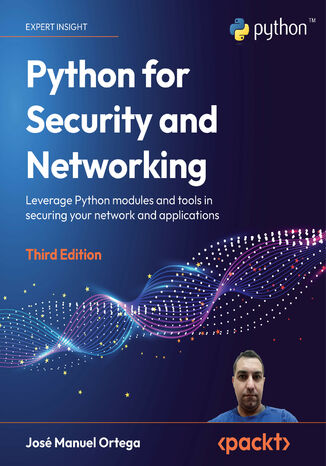
José Manuel Ortega
Python’s latest updates add numerous libraries that can be used to perform critical security-related missions, including detecting vulnerabilities in web applications, taking care of attacks, and helping to build secure and robust networks that are resilient to them. This fully updated third edition will show you how to make the most of them and improve your security posture.The first part of this book will walk you through Python scripts and libraries that you’ll use throughout the book. Next, you’ll dive deep into the core networking tasks where you will learn how to check a network’s vulnerability using Python security scripting and understand how to check for vulnerabilities in your network – including tasks related to packet sniffing. You’ll also learn how to achieve endpoint protection by leveraging Python packages along with writing forensics scripts.The next part of the book will show you a variety of modern techniques, libraries, and frameworks from the Python ecosystem that will help you extract data from servers and analyze the security in web applications. You’ll take your first steps in extracting data from a domain using OSINT tools and using Python tools to perform forensics tasks.By the end of this book, you will be able to make the most of Python to test the security of your network and applications.
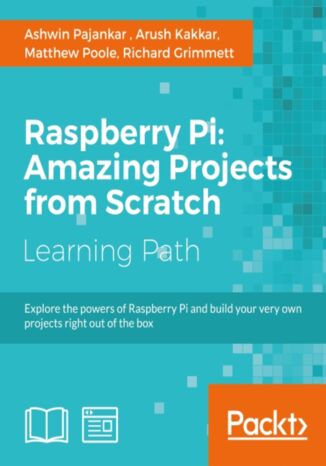
Arush Kakkar, Richard Grimmett, Ashwin Pajankar, Matthew...
Looking for inspiration for your next Raspberry Pi project? Not sure where to begin? This Learning Path is the perfect place to begin, providing you with an accessible yet comprehensive journey through Raspberry Pi. Following three modules, you’ll soon be confident and prepared to get creative with your microcomputer. Raspberry Pi by Example is the first module in this Learning Path – and it does exactly what it says. It doesn’t just teach, it shows you how to go and build some awesome Raspberry Pi projects immediately. Build and play your own games with the Pi, build a complete Internet of Things home automation system that controls your house through Twitter… let your imagination run wild!In the next module we’ll look in more depth at building a home security system. You’ll be using some of the skills you devoped through the first module, but apply them to something more intricate and impressive. Using a Linux based operating system as the foundations, you’ll gradually build up an entire security infrastructure adding cameras, remote controls, and even intrusion alerts!In the final module, we’ll take you into the world of Raspberry Pi robotics. By the end of it, you’ll have built a biped robot that can interact with its environment!This Learning Path combines some of the best that Packt has to offer in one complete, curated package. It includes content from the following Packt products:? Raspberry Pi By Example by Ashwin Pajankar and Arush Kakkar? Building a Home Security System with Raspberry Pi by Matthew Pole? Raspberry Pi Robotics Essentials by Richard Grimmett
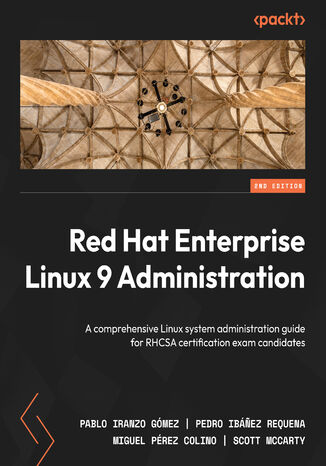
Pablo Iranzo Gómez, Pedro Ibanez Requena, Miguel...
With Red Hat Enterprise Linux 9 becoming the standard for enterprise Linux used from data centers to the cloud, Linux administration skills are in high demand. With this book, you’ll learn how to deploy, access, tweak, and improve enterprise services on any system on any cloud running Red Hat Enterprise Linux 9.Throughout the book, you’ll get to grips with essential tasks such as configuring and maintaining systems, including software installation, updates, and core services. You’ll also understand how to configure the local storage using partitions and logical volumes, as well as assign and deduplicate storage. You’ll learn how to deploy systems while also making them secure and reliable.This book provides a base for users who plan to become full-time Linux system administrators by presenting key command-line concepts and enterprise-level tools, along with essential tools for handling files, directories, command-line environments, and documentation for creating simple shell scripts or running commands. With the help of command line examples and practical tips, you’ll learn by doing and save yourself a lot of time.By the end of the book, you’ll have gained the confidence to manage the filesystem, users, storage, network connectivity, security, and software in RHEL 9 systems on any footprint.
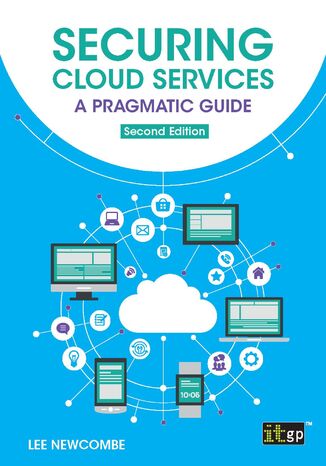
IT Governance Publishing, Lee Newcombe
Cloud computing plays a critical role in modern business, but with it comes a host of security challenges. This book explores the intricacies of securing cloud services, starting with foundational concepts of cloud computing and moving into specific service and deployment models. It provides insights into balancing security benefits with potential risks such as availability issues, shadow IT, and information leakage. The book goes on to focus on security threats, from hackers and insiders to government entities, while offering strategies to mitigate these risks. The practical approach continues with a deep dive into security architecture, providing a structured model to secure cloud environments across IaaS, PaaS, SaaS, and more. Further, it examines the regulatory landscape, including compliance requirements, privacy concerns, and data protection laws that impact cloud service security. Finally, the book concludes with projections about the future of cloud security and emerging challenges. Readers will gain not only the theoretical foundations but also real-world insights that they can apply to strengthen their cloud service security.