
Programowanie w chmurze
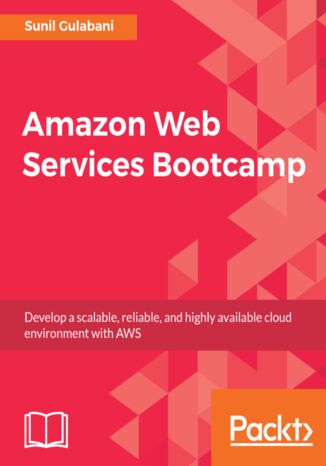
Sunil Gulabani
AWS is at the forefront of Cloud Computing today. Businesses are adopting AWS Cloud because of its reliability, versatility, and flexible design. The main focus of this book is teaching you how to build and manage highly reliable and scalable applications and services on AWS. It will provide you with all the necessary skills to design, deploy, and manage your applications and services on the AWS cloud platform. We’ll start by exploring Amazon S3, EC2, and so on to get you well-versed with core Amazon services. Moving on, we’ll teach you how to design and deploy highly scalable and optimized workloads. You’ll also discover easy-to-follow, hands-on steps, tips, and recommendations throughout the book and get to know essential security and troubleshooting concepts. By the end of the book, you’ll be able to create a highly secure, fault tolerant, and scalable environment for your applications to run on.
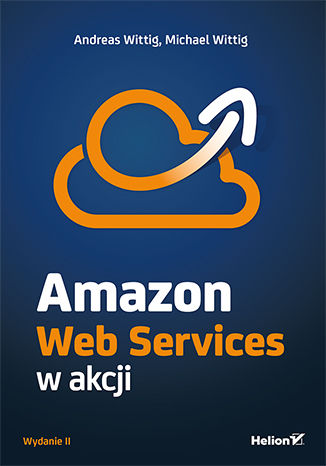
Amazon Web Services w akcji. Wydanie II
Andreas Wittig, Michael Wittig
Platforma Amazon Web Services jest uważana za największą i najdojrzalszą chmurę obliczeniową. Oferuje ponad setkę gotowych usług, praktycznie niewyczerpywalne zasoby mocy obliczeniowej, nieograniczone bezpieczne magazynowanie oraz pierwszorzędne możliwości automatyzacji. Jest przy tym nieustannie unowocześniana i udostępnia coraz to nowsze możliwości. Pozwala na tworzenie i utrzymanie aplikacji w elastyczny i niezawodny sposób. Dla wielu organizacji decyzja o migracji infrastruktury informatycznej na platformę AWS okazała się strzałem w dziesiątkę. Aby z powodzeniem przeprowadzić taką transformację, konieczne jest uzyskanie wiedzy na temat platformy Amazon Web Services i zrozumienie związanych z nią koncepcji. To drugie, uaktualnione wydanie kompletnego wprowadzenia do wdrażania aplikacji w chmurze AWS. Dokładnie opisano w nim usługi dostarczające instancje obliczeniowe, przestrzeń na dane i zapewniające pracę w sieci. Wyjaśniono koncepcje niezbędne do uruchomienia aplikacji WWW na platformie AWS: równoważenie obciążenia, maszyny wirtualne, magazynowanie plików, systemy baz danych i buforowanie w pamięci. Przedstawiono też zagadnienia wysokiej dostępności, odporności na błędy oraz dynamicznego skalowania infrastruktury. Dużą zaletą książki jest omówienie zautomatyzowanego zarządzania infrastrukturą za pomocą usługi AWS CloudFormation. Sporo uwagi poświęcono także różnym aspektom bezpieczeństwa w chmurze. Najciekawsze zagadnienia: koncepcje związane z Amazon Web Services, w tym maszyny wirtualne i EC2 automatyzacja infrastruktury i wdrażanie oprogramowania na platformie AWS skalowalność i bezpieczeństwo infrastruktury w chmurze AWS najprzydatniejsze usługi AWS: S3, EBS, EFS, RDS i wiele innych wysoka dostępność i niezawodność infrastruktury tworzenie odpornych na błędy usług sieciowych Amazon Web Services: już dziś zaprojektuj system przyszłości! Bracia Andreas Wittig i Michael Wittig są inżynierami oprogramowania. Stosują podejście DevOps i specjalizują się we wdrażaniu rozwiązań opartych na chmurze AWS. Koncentrują się na zagadnieniach infrastruktury jako kodu, ciągłego wdrażania, przetwarzania bezserwerowego, zabezpieczeń i tworzenia produktów typu SaaS. Obaj zdobyli certyfikaty AWS Certified Solutions Architect - Professional i AWS Certified DevOps Engineer - Professional. Ich wspólną pasją jest dzielenie się wiedzą.
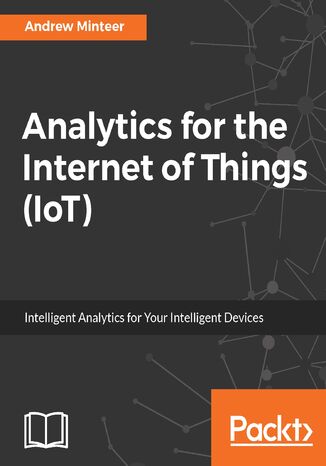
Analytics for the Internet of Things (IoT). Intelligent analytics for your intelligent devices
Andrew Minteer
We start with the perplexing task of extracting value from huge amounts of barely intelligible data. The data takes a convoluted route just to be on the servers for analysis, but insights can emerge through visualization and statistical modeling techniques. You will learn to extract value from IoT big data using multiple analytic techniques. Next we review how IoT devices generate data and how the information travels over networks. You’ll get to know strategies to collect and store the data to optimize the potential for analytics, and strategies to handle data quality concerns. Cloud resources are a great match for IoT analytics, so Amazon Web Services, Microsoft Azure, and PTC ThingWorx are reviewed in detail next. Geospatial analytics is then introduced as a way to leverage location information. Combining IoT data with environmental data is also discussed as a way to enhance predictive capability. We’ll also review the economics of IoT analytics and you’ll discover ways to optimize business value.By the end of the book, you’ll know how to handle scale for both data storage and analytics, how Apache Spark can be leveraged to handle scalability, and how R and Python can be used for analytic modeling.
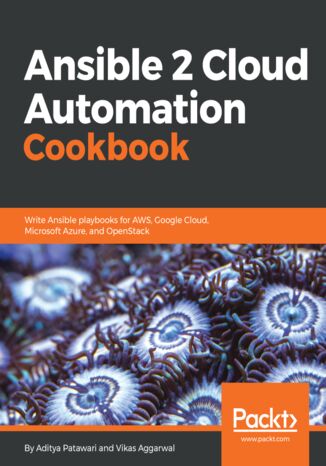
Aditya Patawari, Vikas Aggarwal
Ansible has a large collection of inbuilt modules to manage various cloud resources. The book begins with the concepts needed to safeguard your credentials and explain how you interact with cloud providers to manage resources. Each chapter begins with an introduction and prerequisites to use the right modules to manage a given cloud provider. Learn about Amazon Web Services, Google Cloud, Microsoft Azure, and other providers. Each chapter shows you how to create basic computing resources, which you can then use to deploy an application. Finally, you will be able to deploy a sample application to demonstrate various usage patterns and utilities of resources.
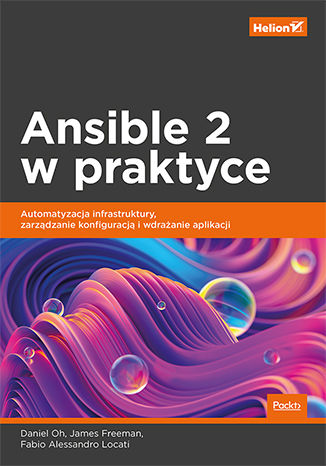
Ansible 2 w praktyce. Automatyzacja infrastruktury, zarządzanie konfiguracją i wdrażanie aplikacji
Daniel Oh, James Freeman, Fabio Alessandro Locati
Framework Ansible jest potężnym narzędziem służącym do automatyzacji wdrożeń oprogramowania i zarządzania jego konfiguracjami. Oferuje proste i bardzo przydatne funkcje przeznaczone do automatyzacji wielowarstwowych środowisk za pomocą komunikacji niewymagającej agenta. Przydaje się także do obsługi ciągłej integracji i wdrażania oprogramowania (CI/CD) bez żadnego przestoju. Może służyć do różnych celów: przygotowania infrastruktury jako kodu, wdrożeń aplikacji czy automatyzacji codziennych, czasochłonnych zadań. Ta książka jest przeznaczona dla osób zajmujących się automatyzacją - od żmudnych codziennych zadań po złożone wdrożenia infrastruktury jako kodu. Ten praktyczny przewodnik pozwoli na sprawne rozpoczęcie korzystania z frameworka Ansible 2.9. Na początku pokazano, jak go zainstalować i skonfigurować, później zaprezentowano proste, jednowierszowe polecenia automatyzacji, aby stopniowo wprowadzać czytelników do tworzenia własnego kodu rozszerzającego możliwości Ansible, a nawet automatyzującego infrastrukturę chmury i kontenerów. Znalazło się tu mnóstwo praktycznych przykładów kodu, a zdobyte umiejętności pozwolą na korzystanie z Ansible w sposób skalowalny, powtarzalny i niezawodny. W książce: podstawy pracy z frameworkiem Ansible konfiguracja zależności i zmiennych bazujących na rolach unikanie najczęściej popełnianych błędów podczas tworzenia kodu w Ansible tworzenie modułów i wtyczek dla Ansible rozwiązywanie problemów podczas wykonywania scenariuszy Ansible Żmudne i nudne? Ansible wykona to za Ciebie!
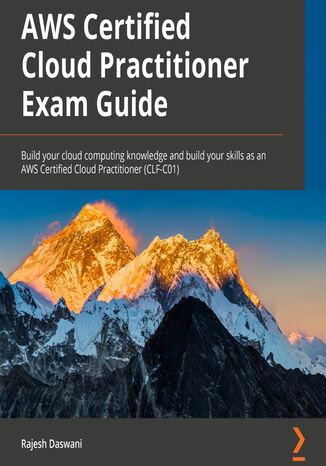
Mani Khanuja, Farooq Sabir , Shreyas Subramanian,...
Machine learning (ML) and high-performance computing (HPC) on AWS run compute-intensive workloads across industries and emerging applications. Its use cases can be linked to various verticals, such as computational fluid dynamics (CFD), genomics, and autonomous vehicles.This book provides end-to-end guidance, starting with HPC concepts for storage and networking. It then progresses to working examples on how to process large datasets using SageMaker Studio and EMR. Next, you’ll learn how to build, train, and deploy large models using distributed training. Later chapters also guide you through deploying models to edge devices using SageMaker and IoT Greengrass, and performance optimization of ML models, for low latency use cases.By the end of this book, you’ll be able to build, train, and deploy your own large-scale ML application, using HPC on AWS, following industry best practices and addressing the key pain points encountered in the application life cycle.
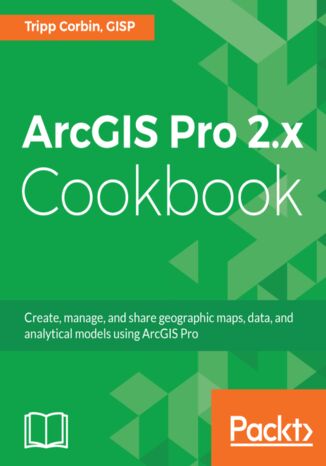
Tripp Corbin, GISP
ArcGIS is Esri's catalog of GIS applications with powerful tools for visualizing, maintaining, and analyzing data. ArcGIS makes use of the modern ribbon interface and 64-bit processing to increase the speed and efficiency of using GIS. It allows users to create amazing maps in both 2D and 3D quickly and easily. If you want to gain a thorough understanding of the various data formats that can be used in ArcGIS Pro and shared via ArcGIS Online, then this book is for you. Beginning with a refresher on ArcGIS Pro and how to work with projects, this book will quickly take you through recipes about using various data formats supported by the tool. You will learn the limits of each format, such as Shapefiles, Geodatabase, and CAD files, and learn how to link tables from outside sources to existing GIS data to expand the amount of data that can be used in ArcGIS. You'll learn methods for editing 2D and 3D data using ArcGIS Pro and how topology can be used to ensure data integrity. Lastly the book will show you how data and maps can be shared via ArcGIS Online and used with web and mobile applications.
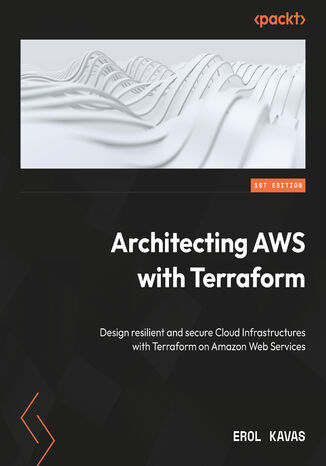
Erol Kavas
Infrastructure as code (IaC) and Terraform have become essential tools for managing cloud infrastructure and automating deployment processes. Mastering Terraform on AWS presents a step-by-step approach on how to master these tools and build a secure and scalable AWS infrastructure. The book starts with an introduction to patterns and anti-patterns of IaC and Terraform, explaining the common mistakes and pitfalls you must avoid. You’ll then learn about the importance of planning and designing infrastructure projects in AWS and making informed decisions for projects in AWS Terraform. You’ll find out how to implement Terraform in your projects and deploy serverless projects. Next, you’ll be able to deploy containers in AWS with Terraform, exploring the best practices for Terraform IaC projects. You’ll understand how you can leverage Terraform for enterprises, build Git workflows for IaC and Terraform projects, and automate deployment of Terraform projects. The last set of chapters will teach you how to govern AWS with Terraform and build a secure infrastructure. Finally, you’ll discover how to achieve a perfect AWS infrastructure with Terraform. By the end of this book, you’ll have gained a comprehensive understanding of the various aspects of Terraform and IaC, along with the knowledge required to build, manage, and deploy complex infrastructures on AWS.