
Poradniki zawodowe i specjalistyczne

Dorota Sawicka
Świat diet. Mini encyklopedia diet. Część 2 jest wartościowym źródłem informacji. Jest to przystępne kompendium wiedzy na temat popularnych diet. Książka przedstawia podstawowe zasady różnych planów żywieniowych, omawia ich zalety i wady oraz oferuje wskazówki dotyczące ich stosowania. Dla osób pragnących zrozumieć różnice między dietami lub poszukujących inspiracji do zmiany sposobu odżywiania, taka encyklopedia może być dogodnym punktem wyjścia.

Bartłomiej Gajowiec
W każdym z nas istnieje wewnętrzny lekarz. Świadomość ciała jest drogą dotarcia do korzeni naszych dysfunkcji. To właśnie tutaj istnieje prawda, która stanowi naturalne środowisko dla utrzymania zdrowia. Sztywność szyi, bóle kręgosłupa, kolan, samoczynne drżenie mięśni, napięte ramiona to sygnały, które właściwie odczytane będą początkiem procesu zdrowienia. Z dotykiem jest tak, że jest wszędzie. Najintensywniejszy i najbardziej potrzebny ze zmysłów. Nic nie jest w stanie go zastąpić w rozwoju i zdrowym funkcjonowaniu każdego z nas. Warsztat fizjoterapeutyczny oparty jest w dużej mierze na dotyku, a więc kontakcie dwóch ciał, dwóch systemów informacyjnych, dwóch rzeczywistości. Każdej z własną historią, doświadczeniami i reaktywnością. Utrata możliwości odczuwania dotyku jest jedną z cięższych strat, jakich można doświadczyć. Dotyk bowiem kompensuje braki innych zmysłów, ale żaden zmysł nie skompensuje dotyku. Pracując z pacjentem oddaję głos jego ciału. Słucham, co do mnie mówi o dolegliwościach i próbuję składać to w dialog. Rozmowa toczy się w ciszy, ale jest doskonale słyszalna. Bartłomiej Gajowiec fizjoterapeuta, praktyk aikido, twórca nowatorskiej metody usprawniania osób ze schorzeniami układu nerwowego „Neuroaiki.”
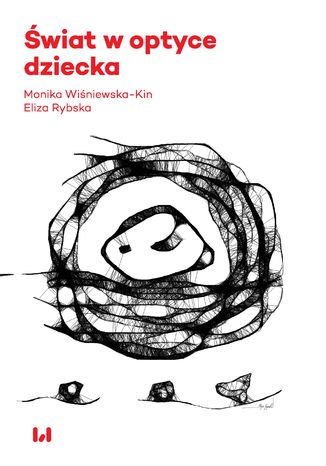
Świat w optyce dziecka. Reprezentacje obiektów przyrodniczych z dziecięcej perspektywy
Monika Wiśniewska-Kin, Eliza Rybska
Publikacja rzuca nowe światło nie tylko na sam niezwykły dziecięcy potencjał ujawniany w sytuacjach zadaniowych, lecz także na konieczność odmiennego od dotychczasowego sposobu edukowania dzieci, a zwłaszcza wspierania rozwoju ich umiejętności poznawczych. Dziecięce nadawanie i odkrywanie znaczeń umożliwia zarówno wniknięcie w sposób myślenia i rozumowania dzieci, jak i pozwala dostrzec wagę oraz wartość wsparcia tych procesów poprzez stawianie dziecka w sytuacjach wymagających twórczego i niestandardowego działania. Niedocenianie, umniejszanie, ignorowanie, a często i lekceważenie potencjału kognitywnego dzieci w procesie aranżowania środowiska edukacyjnego, konstruowania programów kształcenia czy budowania relacji edukacyjnej, prowadzą do nieadekwatnych osiągnięć rozwojowych, znacznie poniżej ich możliwości. Autorki udowodniły, że dzieci przedszkolne są w stanie rozwinąć wyższe formy myślenia, rozumowania, jeśli doceni się i dostrzeże ich możliwości oraz zapewni im wyzwalające i stymulujące środowisko do nauki. Z recenzji prof. dr hab. Renaty Michalak

Mark Tilling
Mistrz cukiernictwa Mark Tilling, dwukrotny laureat zawodów UK Chocolate Masters i zwycięzca pierwszej serii programu Bake Off: Creme de la Creme stacji BBC2, zdradza przepisy na swoje popisowe wyroby w tym nowoczesnym, inspirującym i starannie przygotowanym poradniku. Opisuje proces powstawania czekolady od ziarna do tabliczki. Początkujący cukiernik znajdzie tu wszystko, czego potrzebuje od wykazu podstawowego sprzętu kuchennego po sposoby temperowania czekolady. Dwadzieścia wypróbowanych przepisów, zilustrowanych krok po kroku zdjęciami, jest na tyle łatwych, że każdy z łatwością zrealizuje je w domu, tym samym dorównując repertuarem i kreatywnością zawodowym szefom kuchni. To już czwarta książka Marka Tillinga, głównego wykładowcy w Squires Kitchen International School. Tajniki czekolady zasługują na poczesne miejsce w kuchni każdego miłośnika czekolady Claire Clark, odznaczona Orderem Imperium Brytyjskiego
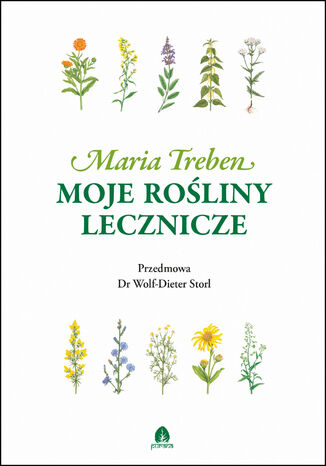
Pierre Meunier
Odkryj Siłę Naturalnych Terapii i Symbolikę Chorób w Medycynie Chińskiej z Książką "Terapie Ciała" Pierre Meuniera Zmagasz się z agorafobią, bulimią, lękiem, migreną, trądzikiem czy wyczerpaniem? Książka "Terapie Ciała" autorstwa Pierre Meuniera oferuje kompleksowe spojrzenie na zdrowie, opisując 70 powszechnych dolegliwości, ich symboliczne znaczenie oraz naturalne środki zaradcze. Odkryj, jak dzięki gemmoterapii, homeopatii, olejkom eterycznym i tradycyjnej medycynie chińskiej, możesz naturalnie zadbać o ciało i umysł. W książce znajdziesz: -Szeroki wybór terapii dostosowanych do Twoich duchowych i fizycznych potrzeb. -Praktyczne wskazówki, jak łączyć zdrowie fizyczne i psychiczne. -Fachową wiedzę lekarza medycyny chińskiej i specjalisty naturoterapii. Dbaj o siebie naturalnie, zyskując równowagę i dobre samopoczucie z książką "Terapie Ciała" Pierre Meuniera!
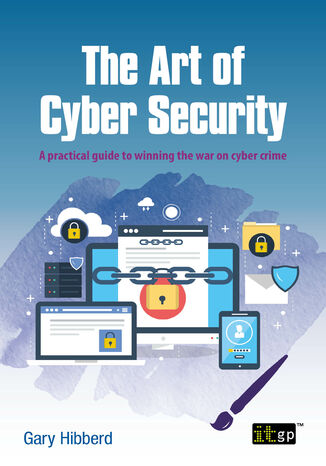
The Art of Cyber Security. A practical guide to winning the war on cyber crime
IT Governance Publishing, Gary Hibberd
This book redefines cyber security through the lens of creativity and classical strategy. It begins by exploring the mindset of the cyber defender as both artist and martial artist, highlighting the importance of intuition, flow, and individual perspective. It challenges rigid educational models and argues for a more adaptive, expressive approach to security thinking.Building on this foundation, the second part interprets Sun Tzu’s The Art of War in a cyber context. Each chapter reframes traditional military concepts—deception, preparation, leadership, and adaptability—through the realities of digital threats. The text emphasizes how timeless strategies apply to the modern information battlefield.By blending philosophy, history, and practical insight, the book offers a unique take on digital defense. It invites readers to reflect on their approach, question assumptions, and embrace both logic and creativity. This is not just a guide to threats and tactics, but a call to rethink what it means to be a cyber security professional today.
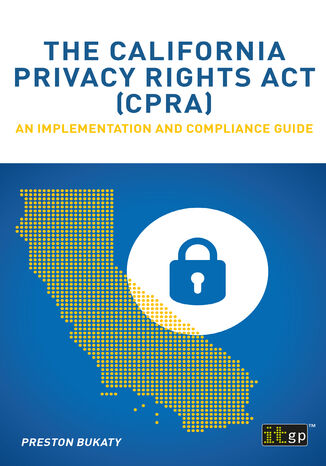
The California Privacy Rights Act (CPRA). An implementation and compliance guide
IT Governance Publishing, Preston Bukaty
This comprehensive guide to the California Privacy Rights Act (CPRA) explores its impact on businesses and consumers within California. The book begins with a clear explanation of CPRA’s territorial and material jurisdiction, providing readers with an understanding of where and how the law applies. It delves into key definitions critical for businesses and individuals alike, covering terms such as personal information, pseudonymization, and consumer rights. One of the focal points of the book is the examination of the rights granted to consumers, including the right to access, delete, and opt-out of data sales. Alongside this, it addresses the business obligations, such as the need for privacy notices and compliance with security requirements. The book also offers an analysis of penalties for non-compliance and breach notification procedures, making it an essential resource for understanding the legal landscape of consumer privacy in California. It concludes with an overview of related laws that further influence how businesses must manage customer data.
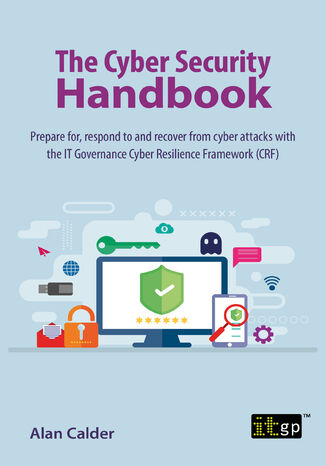
IT Governance Publishing, Alan Calder
This book offers a deep dive into cybersecurity, equipping professionals with tools and frameworks to protect organizations from diverse cyber threats. It covers critical areas such as information security, cyber resilience, and the regulatory and contractual requirements organizations must meet. The book delves into threat anatomy, analyzing technical, human, physical, and third-party vulnerabilities, and includes real-world case studies like the TalkTalk breach and WannaCry ransomware attack.It also emphasizes third-party risk management to ensure robust security practices across all areas. The book introduces the IT Governance Cyber Resilience Framework (CRF), a structured method for managing critical systems, guiding readers through the processes of identification, detection, response, recovery, and continual improvement. Practical strategies in areas like asset management, network security, and staff training are included.The final section offers actionable steps for implementing cybersecurity practices and introduces reference frameworks like NIST and ISO 27001 for compliance and ongoing improvement. With real-world examples and actionable frameworks, this guide is essential for professionals aiming to enhance their organization's cyber resilience.