
Bezpieczeństwo sieci
Bezpieczeństwo sieci komputerowych jest aktualnie ważnym, lecz coraz bardziej skomplikowanym zagadnieniem. Książki zebrane w tej kategorii przedstawiają praktycznie wszystkie jego aspekty. Nauczycie się implementacji bezpiecznych połączeń z wykorzystaniem szeregu różnych protokołów sieciowych, a także wykorzystywać protokół SSH do pracy na zdalnych systemach.
Opanujecie ponadto umiejętność konfiguracji tuneli VPN z wykorzystaniem protokołów SSL i IPSec. Dzięki wiedzy zawartej w tym dziale, nauczycie się skutecznie bronić przed włamaniami, atakami DDoS czy działaniom typu IP-spoofing.
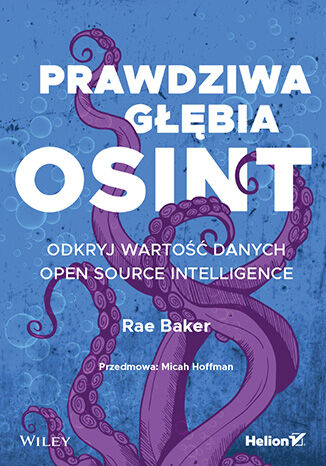
Prawdziwa głębia OSINT. Odkryj wartość danych Open Source Intelligence
Rae L. Baker
OSINT (ang. open source intelligence) polega na pozyskiwaniu danych wywiadowczych z ogólnodostępnych źródeł. Jest to zestaw praktycznych umiejętności, które przydadzą się nie tylko analitykom - metody białego wywiadu okazują się pomocne na wielu ścieżkach kariery, a także w życiu codziennym. Łatwo się przekonasz, że OSINT pozwala uzyskać niezwykle cenne informacje, a przy tym jest satysfakcjonującym i ciekawym zajęciem! Dzięki tej książce nauczysz się gromadzić publicznie dostępne informacje, korzystać z wiedzy o cyklu życia wrażliwych danych i przekształcać je w informacje wywiadowcze przydatne dla zespołów zajmujących się bezpieczeństwem. Opanujesz proces gromadzenia i analizy danych, poznasz również strategie, które należy wdrożyć podczas poszukiwania informacji z publicznie dostępnych źródeł. Ugruntujesz wiedzę na temat bezpieczeństwa operacyjnego i uświadomisz sobie, w jaki sposób niektórzy używają publicznie dostępnych danych do nielegalnych celów. Książkę tę szczególnie docenią inżynierowie społeczni i specjaliści do spraw bezpieczeństwa, a także kadra kierownicza. Najciekawsze zagadnienia: strategie stosowania urządzeń IoT do gromadzenia danych wywiadowczych pozyskiwanie danych przy użyciu publicznie dostępnych informacji transportowych techniki poprawy bezpieczeństwa operacyjnego zagrożenia związane z ogólnodostępnymi danymi metody gromadzenia danych wywiadowczych stosowane przez najlepsze zespoły do spraw bezpieczeństwa Dostrzegaj to, co pozostaje niewidoczne dla innych!

Profesjonalne tworzenie kopii zapasowych i odzyskiwanie danych
Steven Nelson
Ochrona Twoich danych w epoce terabajtów Na jakich nośnikach tworzyć kopię? Którą strategię tworzenia backupu wybrać? Jak obronić koszty tworzenia kopii bezpieczeństwa? Ból, złość i bezsilność po utracie danych jest nie do opisania. Każdy, kogo spotkało takie nieszczęście, z pewnością to potwierdzi. Strata danych może zachwiać niejedną firmą lub domem. Zgadza się - domem! Pomyśl tylko o utracie cyfrowych zdjęć z pierwszych urodzin Twojej pociechy. Celem tej książki nie jest straszenie, ale dostarczanie sprawdzonych strategii tworzenia kopii danych, istotnych zarówno z punktu widzenia firmy, jak i osoby prywatnej. W trakcie lektury dowiesz się, na jakich nośnikach możesz wykonywać kopie danych, poznasz rodzaje macierzy dysków oraz ich zalety i wady. W kolejnych rozdziałach zostaną Ci przedstawione zaawansowane aplikacje do tworzenia kopii bezpieczeństwa, takie jak Symantec NetBackup/BackupExec i CommVault Simpana, oraz różne strategie ich wykonywania. Nauczysz się tworzyć kopię baz danych (SQL Server, Oracle) oraz serwerów poczty (Exchange, Lotus Notes). Ponadto sprawdzisz, jak zweryfikować poprawność kopii, stworzyć raport z przeprowadzonego backupu oraz odtworzyć wybrane dane. Książka ta skupia się na zabezpieczaniu przed utratą danych w dużych środowiskach firmowych i korporacyjnych, jednak użytkownicy domowi, którym zależy na bezpieczeństwie prywatnych informacji, także znajdą tu wiele cennych wskazówek. Jeśli los zawartości Twoich dysków nie jest Ci obojętny, przeczytaj tę książkę! Oprogramowanie do tworzenia kopii Nośniki danych - taśmy DLT, LTO i inne Dyski twarde i macierze RAID Pamięci dyskowe NAS i SAN Wirtualne nośniki danych Nowe technologie nośników Strategie tworzenia kopii zapasowych Opracowywanie harmonogramów Kopie migawkowe i lustrzane Archiwizacja baz danych oraz serwerów pocztowych Przykładowe, kompletne i zaawansowane środowisko tworzenia kopii Tworzenie kopii zapasowych aplikacji Monitorowanie i raportowanie Obrona kosztów tworzenia kopii zapasowych Bądź pewny, że Twoje dane są bezpieczne!

Prywatność danych w praktyce. Skuteczna ochrona prywatności i bezpieczeństwa danych
Katharine Jarmul
Chyba nikogo nie trzeba przekonywać, że ochrona danych i zabezpieczenie prywatności są kwestiami absolutnie kluczowymi w cyfrowym świecie. Na szczęście zdajemy sobie coraz lepiej sprawę, że incydenty naruszeń w dziedzinie bezpieczeństwa danych mogą nas narazić na realne szkody. Z drugiej strony niedopełnienie obowiązków wynikających z RODO okazuje się dla organizacji niezwykle kosztowne, a także naraża na szwank ich wizerunek. Zapewnienie należytej ochrony danych to wymagające wyzwanie. Z tego względu inżynieria prywatności z roku na rok staje się coraz ważniejszą dziedziną. Książka w przystępny sposób przedstawia głęboką perspektywę techniczną wraz z przeglądem najnowszych podejść i architektur technologicznych. Emily F. Gorcenski, główna analityczka danych, Thoughtworks Tę książkę docenią osoby, które w ramach codziennej pracy integrują tematy związane z prywatnością i bezpieczeństwem danych. To przewodnik dla pragmatyków, zapewniający gruntowną wiedzę o współczesnych elementach ochrony danych, takich jak prywatność różnicowa, uczenie federacyjne i obliczenia szyfrowane. Znajdziesz tu przydatne wskazówki, jak również najlepsze, wielokrotnie sprawdzone praktyki integracji przełomowych technologii, pozwalające skutecznie i na wysokim poziomie dbać o prywatność i bezpieczeństwo danych. Najważniejsze zagadnienia: Jak przepisy (RODO i CCPA) mają się do przepływów danych i przypadków ich użycia? Jak właściwie anonimizować dane? Czy szyfrowanie homomorficzne jest właściwym rozwiązaniem? Jak wybierać technologie i metody ochrony prywatności? Jak zapewnić bezpieczeństwo danych w projektach opartych na ich analizie? Jak odpowiednio wdrożyć wewnętrzne zasady ochrony prywatności danych? Wreszcie znalazłem książkę, którą mogę polecać wszystkim unikającym tematu prywatności danych! Vincent Warmerdam, twórca Calm Code, inżynier uczenia maszynowego, Explosion

David Routin, Simon Thoores, Samuel Rossier
With small to large companies focusing on hardening their security systems, the term purple team has gained a lot of traction over the last couple of years. Purple teams represent a group of individuals responsible for securing an organization’s environment using both red team and blue team testing and integration – if you’re ready to join or advance their ranks, then this book is for you. Purple Team Strategies will get you up and running with the exact strategies and techniques used by purple teamers to implement and then maintain a robust environment. You’ll start with planning and prioritizing adversary emulation, and explore concepts around building a purple team infrastructure as well as simulating and defending against the most trendy ATT&CK tactics. You’ll also dive into performing assessments and continuous testing with breach and attack simulations. Once you’ve covered the fundamentals, you'll also learn tips and tricks to improve the overall maturity of your purple teaming capabilities along with measuring success with KPIs and reporting.With the help of real-world use cases and examples, by the end of this book, you'll be able to integrate the best of both sides: red team tactics and blue team security measures.
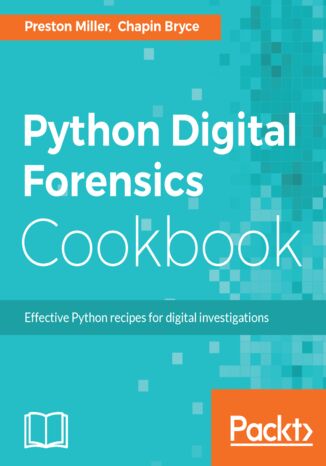
Python Digital Forensics Cookbook. Effective Python recipes for digital investigations
Chapin Bryce, Preston Miller
Technology plays an increasingly large role in our daily lives and shows no sign of stopping. Now, more than ever, it is paramount that an investigator develops programming expertise to deal with increasingly large datasets. By leveraging the Python recipes explored throughout this book, we make the complex simple, quickly extracting relevant information from large datasets. You will explore, develop, and deploy Python code and libraries to provide meaningful results that can be immediately applied to your investigations. Throughout the Python Digital Forensics Cookbook, recipes include topics such as working with forensic evidence containers, parsing mobile and desktop operating system artifacts, extracting embedded metadatafrom documents and executables, and identifying indicators of compromise. Youwill also learn to integrate scripts with Application Program Interfaces (APIs) suchas VirusTotal and PassiveTotal, and tools such as Axiom, Cellebrite, and EnCase. By the end of the book, you will have a sound understanding of Python and how you can use it to process artifacts in your investigations.
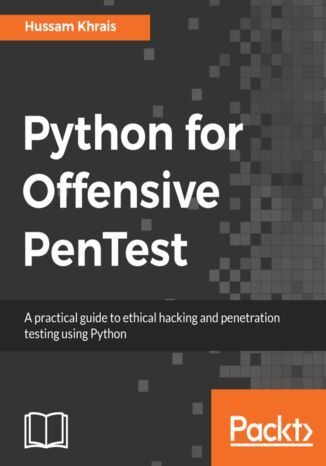
Hussam Khrais
Python is an easy-to-learn and cross-platform programming language that has unlimited third-party libraries. Plenty of open source hacking tools are written in Python, which can be easily integrated within your script.This book is packed with step-by-step instructions and working examples to make you a skilled penetration tester. It is divided into clear bite-sized chunks, so you can learn at your own pace and focus on the areas of most interest to you. This book will teach you how to code a reverse shell and build an anonymous shell. You will also learn how to hack passwords and perform a privilege escalation on Windows with practical examples. You will set up your own virtual hacking environment in VirtualBox, which will help you run multiple operating systems for your testing environment.By the end of this book, you will have learned how to code your own scripts and mastered ethical hacking from scratch.
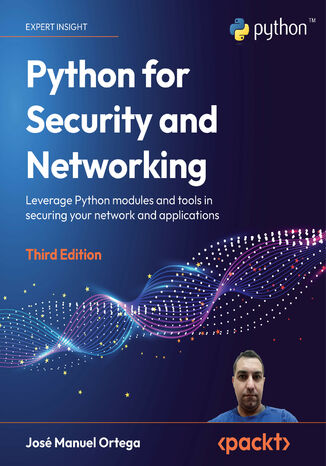
José Manuel Ortega
Python’s latest updates add numerous libraries that can be used to perform critical security-related missions, including detecting vulnerabilities in web applications, taking care of attacks, and helping to build secure and robust networks that are resilient to them. This fully updated third edition will show you how to make the most of them and improve your security posture.The first part of this book will walk you through Python scripts and libraries that you’ll use throughout the book. Next, you’ll dive deep into the core networking tasks where you will learn how to check a network’s vulnerability using Python security scripting and understand how to check for vulnerabilities in your network – including tasks related to packet sniffing. You’ll also learn how to achieve endpoint protection by leveraging Python packages along with writing forensics scripts.The next part of the book will show you a variety of modern techniques, libraries, and frameworks from the Python ecosystem that will help you extract data from servers and analyze the security in web applications. You’ll take your first steps in extracting data from a domain using OSINT tools and using Python tools to perform forensics tasks.By the end of this book, you will be able to make the most of Python to test the security of your network and applications.
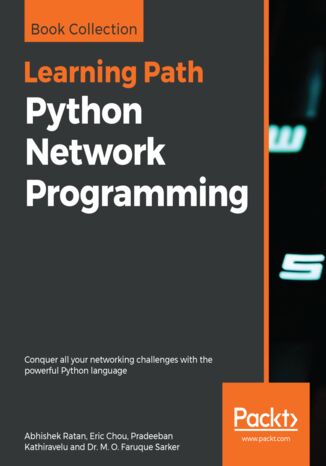
Python Network Programming. Conquer all your networking challenges with the powerful Python language
Abhishek Ratan, Eric Chou, Pradeeban Kathiravelu, Dr....
This Learning Path highlights major aspects of Python network programming such as writing simple networking clients, creating and deploying SDN and NFV systems, and extending your network with Mininet. You’ll also learn how to automate legacy and the latest network devices. As you progress through the chapters, you’ll use Python for DevOps and open source tools to test, secure, and analyze your network. Toward the end, you'll develop client-side applications, such as web API clients, email clients, SSH, and FTP, using socket programming.By the end of this Learning Path, you will have learned how to analyze a network's security vulnerabilities using advanced network packet capture and analysis techniques. This Learning Path includes content from the following Packt products:• Practical Network Automation by Abhishek Ratan • Mastering Python Networking by Eric Chou • Python Network Programming Cookbook, Second Edition by Pradeeban Kathiravelu, Dr. M. O. Faruque Sarker