
Bezpieczeństwo sieci
System bezpieczeństwa w cyberprzestrzeni RP
Waldemar Kitler, Katarzyna Chałubińska-Jentkiewicz, Katarzyna Badźmirowska-Masłowska
Przedstawione dociekania naukowe są trafne i merytoryczne. Wychodzą naprzeciw zapotrzebowaniu państwa i społeczeństwa. (...) jest to dzieło dojrzałe, merytorycznie spójne, ukierunkowane na potrzeby związane z tworzeniem systemu bezpieczeństwa w cyberprzestrzeni RP. płk. dr hab. inż. Piotr Dela, prof. ASzWoj Przedstawione do recenzji opracowanie, o niezwykle nośnym i ambitnym tytule System bezpieczeństwa w cyberprzestrzeni RP, dotykające niezwykle ważnej współcześnie problematyki cyberbezpieczeństwa jest dziełem zbiorowym, gdzie znajduje ujście wiele ciekawych wątków związanych z zakreślonym w tytule obszarem. dr hab. Mirosław Karpiuk, prof. UWM
Sztuka prowadzenia cyberkonfliktu. Atak i obrona w czasie rzeczywistym
Dan Borges
Cyfrowe konflikty stały się codziennością. Organizacja, która chce przetrwać w tym wrogim świecie, nie może szczędzić sił ani środków na cyberbezpieczeństwo. Napastnicy prowadzą wyrafinowane ataki z rosnącą skutecznością. Nawet jeśli Twój system komputerowy jest dobrze zabezpieczony, a procedury cyberbezpieczeństwa zostały wdrożone i są stosowane, musisz się przygotować do ataku. Innymi słowy: musisz dobrze wiedzieć, co robić, kiedy prawdziwi hakerzy wtargną do Twojego systemu. Ta niezwykła książka pozwoli Ci dobrze zrozumieć, jak wygląda prowadzenie cyberataku z perspektywy agresora i odpieranie napaści z perspektywy obrońcy. Znajdziesz w niej mnóstwo przydatnych porad i wskazówek, dzięki którym zdołasz przejąć kontrolę nad sytuacją. Opisane tu techniki i sztuczki okazują się przydatne podczas całego łańcucha ataku. W każdym rozdziale poruszono tematy ważne dla zespołów ataku lub zespołów obrony. Pokazano świat antagonistycznych operacji, a także zasady oszustwa, człowieczeństwa i ekonomii, będące podstawą prowadzenia konfliktów komputerowych. Przedstawiono wszelkie niezbędne informacje dotyczące planowania operacji, instalacji infrastruktury i narzędzi. Omówiono również zalety prowadzenia zaawansowanych badań i wyciągania wniosków z zakończonych konfliktów. W książce między innymi: wstrzykiwanie kodu do procesów i wykrywanie wstrzykniętego kodu aktywne środki obrony manipulacja sensorami obrońców podczas ataku wprowadzanie tylnych drzwi do programów i używanie serwerów-pułapek techniki stosowane w zespołach czerwonych i niebieskich najlepsze metody pozwalające wygrać konflikt cyberbezpieczeństwa Przygotuj się. Cyberwojna nadchodzi!
TERRORYŚCI W SIECI Media społecznościowe w służbie propagandy ISIS
Sylwia Gliwa
Jedną z istotnych cech współczesnego terroryzmu jest aktywne wykorzystanie nowoczesnych technologii informacyjnych do prowadzenia działań o charakterze propagandowym i dezinformacyjnym. Dotyczy to przede wszystkim mediów społecznościowych, które umożliwiają organizacjom terrorystycznym docieranie do odbiorców na masową skalę, przy czym krąg odbiorców obejmuje zarówno potencjalnych zwolenników i sympatyków, członków organizacji, jak też społeczeństw demokratycznych. Dlatego też podjęta w publikacji problematyka zasługuje na szczególną uwagę. Dr hab. Tomasz Aleksandrowicz Niesłychany rozwój technologiczny w obszarze komunikacji, jaki się dokonał w ciągu ostatnich dwóch - trzech dekad, z jednej strony został skonsumowany w obszarach rozwoju ekonomicznego, społecznego, bezpieczeństwa, a z drugiej strony stał się potężną bronią w rękach terrorystów. Docenili oni bowiem korzyści, jakie płyną z możliwości dotarcia do umysłów milionów ludzi na całym świecie, wykorzystując najnowsze zdobycze komunikacji elektronicznej w swojej działalności propagandowej. Niewątpliwie tzw. Państwo Islamskie stało się niesławnym liderem w posługiwaniu się narzędziem w aktywności propagandowej. Przeprowadzenie badań naukowych w tym obszarze należy postrzegać pozytywnie. Prof. dr hab. Kuba Jałoszyński
Testy penetracyjne środowiska Active Directory i infrastruktury opartej na systemie Windows
Denis Isakov
Cyberprzestępczość to obecnie wielki biznes i wielka polityka. Zaangażowane podmioty nieustannie dążą do doskonalenia technik ataków. Cyberprzestępcy dysponują własną metodologią, narzędziami i wykwalifikowanym personelem. Aby obronić się przed nimi, musisz zrozumieć, w jaki sposób atakują, a potem dobrze poznać ich taktyki i techniki. W trakcie lektury tej książki przygotujesz własne laboratorium, a następnie przeanalizujesz każdy etap zabójczego łańcucha ataków i zastosujesz nową wiedzę w praktyce. Dowiesz się, jak ominąć wbudowane mechanizmy bezpieczeństwa, między innymi AMSI, AppLocker i Sysmon, przeprowadzać działania rozpoznawcze i wykrywające w środowisku domeny, a także zbierać dane uwierzytelniające w całej domenie. Przeczytasz również, jak poruszać się ruchem bocznym, aby wtopić się w ruch środowiska i pozostać niewykrytym przez radary obrońców, a ponadto jak eskalować uprawnienia wewnątrz domeny i w całym lesie domen czy osiągać stan przetrwania na poziomie domeny i w kontrolerze domeny. W efekcie nauczysz się przeprowadzać ocenę bezpieczeństwa różnych produktów i usług Microsoftu, takich jak Exchange Server, SQL Server i SCCM. Ciekawsze zagadnienia: techniki atakowania usług: Active Directory, Exchange Server, WSUS, SCCM, AD CS i SQL Server skuteczne unikanie wykrycia w środowisku ofensywne bezpieczeństwo operacyjne (OpSec) sposoby naprawy błędnych konfiguracji przygotowanie rzeczywistych scenariuszy Testuj granice odporności swojej infrastruktury!
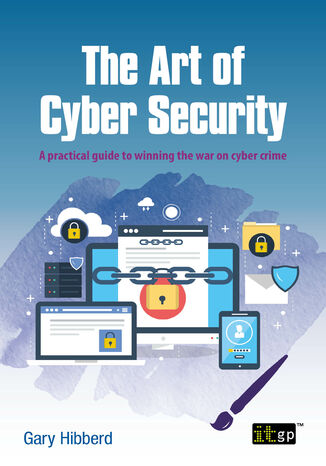
The Art of Cyber Security. A practical guide to winning the war on cyber crime
IT Governance Publishing, Gary Hibberd
This book redefines cyber security through the lens of creativity and classical strategy. It begins by exploring the mindset of the cyber defender as both artist and martial artist, highlighting the importance of intuition, flow, and individual perspective. It challenges rigid educational models and argues for a more adaptive, expressive approach to security thinking.Building on this foundation, the second part interprets Sun Tzu’s The Art of War in a cyber context. Each chapter reframes traditional military concepts—deception, preparation, leadership, and adaptability—through the realities of digital threats. The text emphasizes how timeless strategies apply to the modern information battlefield.By blending philosophy, history, and practical insight, the book offers a unique take on digital defense. It invites readers to reflect on their approach, question assumptions, and embrace both logic and creativity. This is not just a guide to threats and tactics, but a call to rethink what it means to be a cyber security professional today.
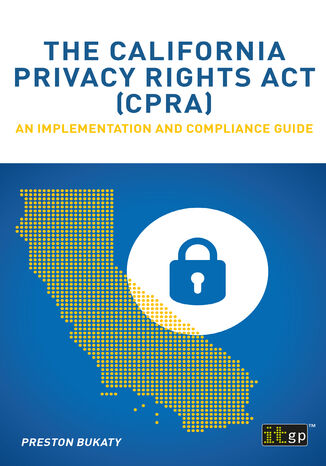
The California Privacy Rights Act (CPRA). An implementation and compliance guide
IT Governance Publishing, Preston Bukaty
This comprehensive guide to the California Privacy Rights Act (CPRA) explores its impact on businesses and consumers within California. The book begins with a clear explanation of CPRA’s territorial and material jurisdiction, providing readers with an understanding of where and how the law applies. It delves into key definitions critical for businesses and individuals alike, covering terms such as personal information, pseudonymization, and consumer rights. One of the focal points of the book is the examination of the rights granted to consumers, including the right to access, delete, and opt-out of data sales. Alongside this, it addresses the business obligations, such as the need for privacy notices and compliance with security requirements. The book also offers an analysis of penalties for non-compliance and breach notification procedures, making it an essential resource for understanding the legal landscape of consumer privacy in California. It concludes with an overview of related laws that further influence how businesses must manage customer data.
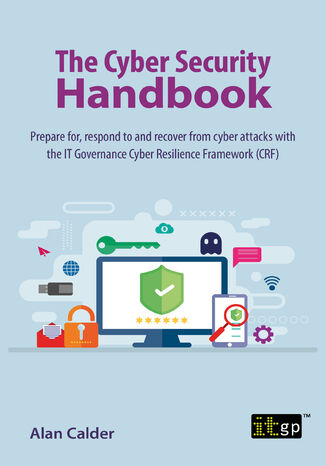
IT Governance Publishing, Alan Calder
This book offers a deep dive into cybersecurity, equipping professionals with tools and frameworks to protect organizations from diverse cyber threats. It covers critical areas such as information security, cyber resilience, and the regulatory and contractual requirements organizations must meet. The book delves into threat anatomy, analyzing technical, human, physical, and third-party vulnerabilities, and includes real-world case studies like the TalkTalk breach and WannaCry ransomware attack.It also emphasizes third-party risk management to ensure robust security practices across all areas. The book introduces the IT Governance Cyber Resilience Framework (CRF), a structured method for managing critical systems, guiding readers through the processes of identification, detection, response, recovery, and continual improvement. Practical strategies in areas like asset management, network security, and staff training are included.The final section offers actionable steps for implementing cybersecurity practices and introduces reference frameworks like NIST and ISO 27001 for compliance and ongoing improvement. With real-world examples and actionable frameworks, this guide is essential for professionals aiming to enhance their organization's cyber resilience.
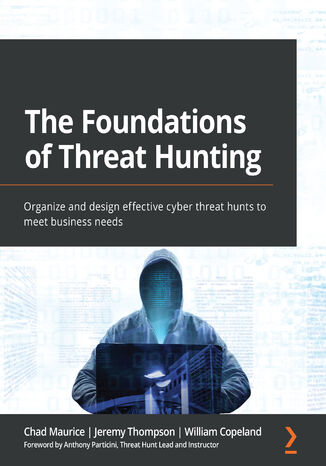
Chad Maurice, Jeremiah Ginn, William Copeland
Threat hunting is a concept that takes traditional cyber defense and spins it onto its head. It moves the bar for network defenses beyond looking at the known threats and allows a team to pursue adversaries that are attacking in novel ways that have not previously been seen. To successfully track down and remove these advanced attackers, a solid understanding of the foundational concepts and requirements of the threat hunting framework is needed. Moreover, to confidently employ threat hunting in a business landscape, the same team will need to be able to customize that framework to fit a customer’s particular use case.This book breaks down the fundamental pieces of a threat hunting team, the stages of a hunt, and the process that needs to be followed through planning, execution, and recovery. It will take you through the process of threat hunting, starting from understanding cybersecurity basics through to the in-depth requirements of building a mature hunting capability. This is provided through written instructions as well as multiple story-driven scenarios that show the correct (and incorrect) way to effectively conduct a threat hunt.By the end of this cyber threat hunting book, you’ll be able to identify the processes of handicapping an immature cyber threat hunt team and systematically progress the hunting capabilities to maturity.