
Sensacja

Alice Slater
Witaj w księgarni Spines! Jakiej książki szukasz? Aspołeczna, niebudząca sympatii księgarka o ksywce Pluskwa woli zamykać się w świecie lektur i podcastów o mrocznych umysłach seryjnych morderców, niż odpowiadać na przewidywalne i męczące pytania klientów. Pewnego dnia w księgarni, w której pracuje, zostaje zatrudniona charyzmatyczna i pisząca poezję Laura, stanowiąca całkowite przeciwieństwo Pluskwy. Ta jednak dostrzega w niej bratnią duszę i za wszelką cenę stara się zbliżyć do nowej koleżanki. Choć Laura trzyma dziewczynę na dystans, niezrażona Pluskwa zaczyna szperać w jej przeszłości i odkrywa rodzinną tragedię. Gdy uświadamia sobie, że natknęła się na autentyczną historię true crime, jej zainteresowanie Laurą przeradza się w niebezpieczną obsesję Śmierć między wierszami to intrygująca książka przepełniona mroczną atmosferą i bolesnymi wspomnieniami z dzieciństwa. Autorka stawia pytania dotyczące fascynacji true crime oraz etyczności dzielenia się opowieściami, które należą do kogoś innego. Sięgnij po tę książkę, jeżeli lubisz: - true crime - akcję osadzoną w księgarni i przepełnioną książkami - motyw obsesji i niezdrowej fascynacji - serial YOU - powieść Yellowface

Amy Stuart
Śmierć na garden party Impreza w ogrodzie Nadine Walsh trwa w najlepsze. Ludzie bawią się wyśmienicie, wszystko idzie zgodnie z planem, podczas gdy Nadine oddana żona, kochająca matka i opiekuńcza córka stoi nad martwym ciałem w swojej piwnicy. Co się stało? Jak do tego doszło? Cofnijmy się do poranka, kiedy Nadine przygotowuje ostatnie detale, zanim powita w domu ponad setkę gości zaproszonych na urodziny jej matki. Mąż i dorosłe dzieci, pochłonięci własnymi sprawami, na niewiele się zdają, jedynie jej matka wie, że dziś jest jeszcze inna rocznica... Nadine stara się skupić tylko na nadchodzącym wieczorze. To dla niej szansa na zapomnienie. Choć trudno zapomnieć, kiedy w głowie kłębią się tajemnice, powracają dręczące wspomnienia i obawy o to, co może się wydarzyć, gdy pojawią się goście

Śmiertelna zagrywka. Agata Johnson. Tom 2
Jacek Ostrowski
Agata Johnson, twarda kobieta detektyw o wojskowej przeszłości powraca w "Śmiertelnej zagrywce". Czy historia może się zazębić i to nierozerwalnie z teraźniejszością? Czy opowieść starego Hiszpana przypadkowo spotkanego na nadmorskiej promenadzie może przyczynić się do rozwiązania dwóch bardzo głośnych polskich zagadek kryminalnych, jakimi były zabójstwo generała Karola Świerczewskiego i pisarza Jana Gerharda? Czy ta opowieść wyjaśni najbardziej tajemniczą zbrodnię w historii Norwegii, jaką było zabójstwo "Kobiety z Isdal"? Agata Johnson zostaje niespodziewanie wciągnięta w śmiertelnie niebezpieczną rozgrywkę, której stawką jest pół miliona euro, a przede wszystkim jej życie. "Śmiertelna zagrywka" to powieść dla ludzi o silnych nerwach, chwilami wciska czytelnika w fotel, bo trup ściele się gęsto, a akcja w zawrotnym tempie przenosi się z miejsca na miejsce. Powieść oparta na prawdziwych wydarzeniach, zainspirowana historią pewnego Hiszpana, który znalazł się w złym miejscu w bardzo złych czasach...
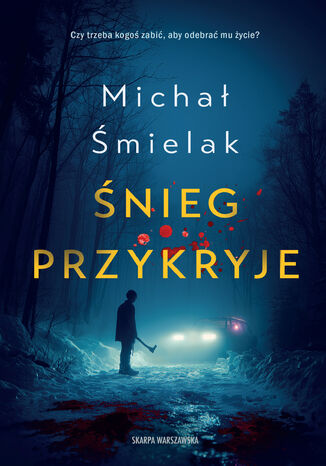
Michał Śmielak
Najnowsza powieść Michała Śmielaka - autora bestsellerowej "Osady"! Dwudziestego trzeciego grudnia cała Polska szykuje się do świąt Bożego Narodzenia. Ryszard zgodnie z rodzinną tradycją wyrusza do Lasu Ponurego po świąteczną choinkę i znika bez śladu. Mimo usilnych poszukiwań zorganizowanych przez rodzinę tajemnica jego zniknięcia pozostaje niewyjaśniona. Aż do dnia, gdy mężczyzna nagle wraca do domu po dwudziestu pięciu latach nieobecności. Tajemniczą sprawą zajmuje się jego syn, Piotr, który został policjantem, aby móc wyjaśnić zagadkę zniknięcia swojego ojca. Na jaw wychodzą nowe fakty i okazuje się, że w mrocznym lesie dochodziło do wielu niewyjaśnionych zaginięć. Co tak naprawdę wydarzyło się feralnego dnia przed dwudziestu pięciu laty? Komu zależy na tym, aby sprawa zaginionych w Lesie Ponurym nigdy nie ujrzała światła dziennego? Co działo się z Ryszardem przez dwadzieścia pięć lat i kim był naprawdę? Czy śnieg jest w stanie przykryć wszelkie ślady zbrodni?
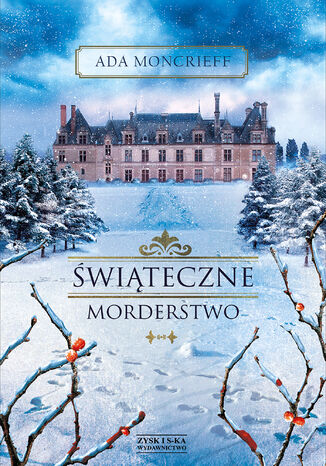
Ada Moncrieff
Święta Bożego Narodzenia w Westbury Manor będą miały w tym roku zaskakujący przebieg. Detektyw amator musi rozwikłać iście piekielną tajemnicę... Wigilia 1938 roku. Rodzina Westburych wraz z przyjaciółmi zbiera się w pięknej, wiejskiej rezydencji. Trwa świąteczna uczta, a pokoje na piętrze czekają już na przyjęcie gości. Ale tej nocy jedno łóżko pozostanie puste. W świąteczny poranek ciało Davida Campbella-Scotta zostaje odnalezione na śniegu. Obok leży pistolet, a do zwłok wiedzie tylko jedna para śladów. Jednak detektywowi amatorowi, Hugh Gavestonowi, coś nie pasuje. Campbell-Scott dopiero co wrócił z zagranicy niewyobrażalnie bogaty dlaczego miałby odebrać sobie życie? Rozpoczyna się śledztwo... Cudownie klimatyczne, pełne czarującego dowcipu i błyskotliwej intrygi, Świąteczne morderstwo stanowi idealną pozycję dla fanów Agathy Christie. Jeśli jesteś fanem zagadek historycznych, Świąteczne morderstwo powinno znaleźć się na szczycie twojej listy książek do przeczytania. Cultured Vultures"

Andrea Camilleri
W "Świetlnym ostrzu" życie komisarza Montalbana nabiera jeszcze większego tempa niż w poprzednich powieściach. Zarówno prywatne, jak i służbowe. Potyczki z politycznymi rebeliantami, handel dziełami sztuki, zatargi z mafią, to zajmuje komisarzowi czas i nie pozwala głęboko zastanowić się nad związkiem z Livią. Jak by tego było mało, pojawia się także pewna bardzo atrakcyjna kobieta. Równie piękna, co zdeterminowana. A Montalbano staje przed poważnym, życiowym wyborem
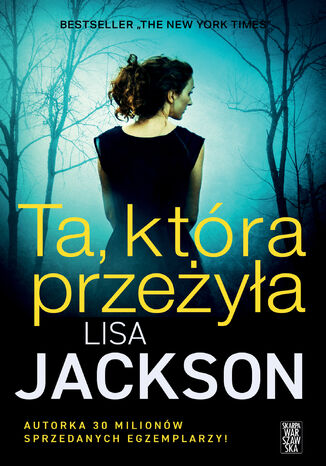
Lisa Jackson
Lisa Jackson, autorka bestsellerowej „Paranoi” powraca z nowym thrillerem! Kara McIntyre przez całe swoje życie była tą, której udało się przeżyć. Osierocona w wieku siedmiu lat, straciła najbliższą rodzinę w wyniku brutalnego morderstwa. Od tamtego czasu wciąż szuka spokoju, który po dwudziestu latach od tamtych wydarzeń znów może zostać zburzony. Przeszłość daje o sobie znać… Z więzienia zwolniony zostaje Jonas – brat Kary. Prasa kolejny raz wietrzy sensację. A na domiar złego Kara zaczyna otrzymywać zaszyfrowane wiadomości od starszej siostry Marlie. Siostry, po której ślad zaginął tamtego pamiętnego, świątecznego wieczoru. Siostry, która zdążyła wtedy wyszeptać złowieszcze: ani słowa… Gdy dookoła zaczynają ginąć ludzie, Kara uzmysławia sobie, że jest ostatnim celem mordercy. Już raz udało jej się przeżyć. Czy uda jej się znowu?
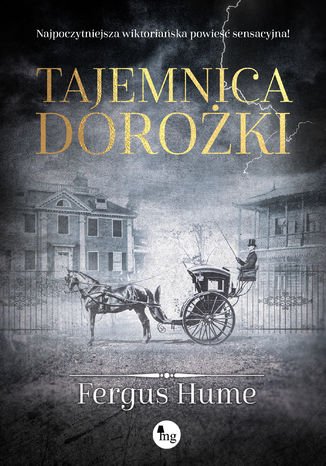
Fergus Hume
Najpoczytniejsza wiktoriańska powieść sensacyjna! Pierwsze wydanie Tajemnicy dorożki osiągnęło w Australii sprzedaż około 400 000 egzemplarzy. Jej autor był nieznanym dramaturgiem, ale za wszelką cenę pragnął osiągnąć sławę. Jednak nie mógł znaleźć żadnego dyrektora teatru w Melbourne, który zechciałby przyjąć, albo nawet przeczytać, napisaną przez niego sztukę. W końcu zdał sobie sprawę, że jego prawdziwym celem jest napisanie powieści. Postanowił więc napisać książkę opisującą tajemnicę, morderstwo oraz życie niższych sfer Melbourne. Ponieważ i tym razem nie znalazł wydawcy chętnego do ryzyka, wydał ją własnym sumptem i już w pierwszym tygodniu sprzedał ponad 5000 egz. Był rok 1886. Popularność powieści spowodowała, że wkrótce ukazała się ona również w Wielkiej Brytanii i Stanach Zjednoczonych, gdzie pobiła w rankingu sprzedaży pierwszą powieść Arthura Conan Doyla z Sherlockiem Holmesem w roli głównej, czyli Studium w Szkarłacie. Do rąk polskiego Czytelnika trafia dziś po raz pierwszy!
Agata Christie
Zbiór krótkich utworów mistrzyni kryminału opublikowany w latach trzydziestych XX wieku. Wprawdzie opowiadania mają więcej wspólnego z powieścią awanturniczą niż z kryminałem, ale dla miłośników klasycznej czarnej prozy też coś się znajdzie. Choćby zmodernizowana wersja bajki o Sinobrodym. Autorka umieszcza akcję większości opowiadań w tak zwanych wyższych sferach, do których jej stosunek trudno nazwać jednoznacznym. Choć opowiadania są krótkie, czytelnik z niecierpliwością przewraca kartki, nie mogąc się doczekać rozwiązania zagadki.
Tajemnica oblubienicy i inne nowele
Arthur Conan Doyle
Sherlock Holmes nie jest ani poetą, ani malarzem; nic nie wynalazł, nic nie odkrył, nie wsławił się nawet w żadnym sensacyjnym procesie, co więcej, nie jest nawet żyjącą istotą. Twór wyobraźni, bohater powieściowy. A jednak osobnik nadzwyczaj interesujący, z wszystkimi wadami i zaletami żyjącego człowieka, z najistotniejszymi znamionami epoki, można by powiedzieć: wzorowy typ. Ojcem jego jest Conan Doyle, literat, którego długo nie chciano przyjąć między literatów, ponieważ pisywał tylko takie sobie historyjki na tle kryminalnym. A jednak jest w nich prawda. Te drobne opowieści kryminalne i przygody Sherlocka Holmesa należą do najciekawszych doświadczeń psychologicznych, jakie napotyka się w literaturze. W rzeczywistości nie chodzi w nich wcale o sprawy kryminalne. Te są na drugim planie. Na pierwszym widzimy tylko działalność ducha genialnego, niezwyczajnie ścisłego. Autor przedstawia nam najrozmaitsze związki między wypadkami, szereguje je krytycznie, przesuwa niby pionki na szachownicy, aby wreszcie dojść do określonego i jedynie możliwego wyniku. To metoda dedukcyjna in nuce. I z żadnego podręcznika naukowego nie można tak praktycznie poznać znaczenia, zakresu i granic tej wiedzy, jak właśnie ze zbiorku przygód Sherlocka Holmesa. Niniejszy zbiorek zawiera te oto opowiadania: „Tajemnica Oblubienicy”, „Czarny Piotr”, „Ezaw i Jakub”, „Garbus”, „Blizna”.
Tajemnica pustego kufra. Świąteczne śledztwo
Mary Kelly
Istna perełka literatury kryminalnej powieść trzymająca w napięciu i zapewniająca godziwą rozrywkę Dwudziesty drugi grudnia, Londyn. Nadkomisarz Brett Nightingale oraz sierżant Beddoes otrzymują wezwanie do zaniedbanego mieszkania w dzielnicy Islington. Znajdują ciało starszej kobiety i odkrywają, że należący do niej kufer został niedawno splądrowany. Zmarłą okazuje się księżna Olga Karuchin, emigrantka z trapionej krwawą rewolucją Rosji, z jej kufra zaś zniknął skarb... W ogarniętej przedświąteczną gorączką stolicy przewija się barwna parada kolejnych podejrzanych: poniewierany przez księżną wnuk, bogaty jubiler, żądni zemsty komuniści Nightingale oraz Beddoes mają twardy orzech do zgryzienia. Nieszablonowy kryminał pióra nieszablonowej pisarki. Martin Edwards, pisarz

Tajemnica Wzgórza Trzech Dębów
Piotr Borlik
Tajemnicze wzgórze, na którym trzy wiekowe dęby nie pozwalają rosnąć innym drzewom. Tajemnicza rodzina, w której w każdym pokoleniu tylko najstarsi synowie płodzą męskich potomków, zawsze trzech. Tajemnicze morderstwo, o którym nikt nie chce mówić. Prywatny detektyw Hubert Czarny dostaje zlecenie wyjaśnienia zbrodni, do której doszło w rezydencji rodziny Potockich. Już po pierwszych rozmowach z mieszkańcami dochodzi do wniosku, że nikomu nie zależy na znalezieniu mordercy, w dodatku każdy miał motyw i sposobność, by zabić. Pozostawiony sam sobie, Czarny bada skomplikowane relacje w ekscentrycznej rodzinie, prowadzące go w stronę sięgającej dziesięć pokoleń wstecz klątwy. Piotr Borlik, rocznik 1986, inżynier po Uniwersytecie Technologiczno-Przyrodniczym. Mistrz Holandii, a także laureat trzeciego miejsca w otwartych mistrzostwach Czech w grach logicznych. Otrzymał stypendium prezydenta Bydgoszczy dla osób zajmujących się twórczością artystyczną oraz upowszechnianiem kultury. Autor kryminałów "Boska proporcja", "Materiał ludzki", "Białe kłamstwa", "Zapłacz dla mnie", "Skłam, że mnie kochasz" i "Wymazani z pamięci".

Joseph Conrad
Akcja utworu rozgrywa się w Londynie na przełomie XIX i XX wieku. Verloc, tytułowy tajny agent wrogiego mocarstwa, wykorzystując nastroje anarchistyczne, planuje wywrotowy zamach na Królewskie Obserwatorium w Greenwich, aby zatrząść posadami Imperium Brytyjskiego i tradycyjnym porządkiem społecznym. Groteskowa zrazu opowieść przeradza się w rodzinny dramat.

Grzegorz Krzyżewski
Kryminał, obyczaj, horror? Wszystko to znajdziemy w zbiorze opowiadań "Tercet i inne historie". Oraz sporą dawkę seksu, rozumianego jednak w każdym z opowiadań inaczej. Jak rodzaj sportu, rozrywki młodych ludzi, którzy idą do łóżka równie łatwo jak do pubu; jako wyraz marzeń, tęsknot i miłości; wreszcie jako przejaw chorych pragnień albo... wstęp do kary. Z recenzji: "Niezłe, tylko znowu muszę to napisać...szkoda, że takie krótkie". "No, no, no... Mocne. Oby tak dalej... Bardzo lubię takie historie z dreszczykiem. Podobały mi się i polecam!" O Autorze: Urodzony w 1976 roku w pięknym mieście Pułtusk. Od kiedy pisze? Nie pamięta. Pożółkłe kartki, na których wykaligrafował pierwsze opowiadanie, dawno pokryła gruba warstwa kurzu. W 2006 roku wyjechał wraz z żoną na Islandię. Tam urodził się ich syn Alan. Jak twierdzi, Islandia to dobre miejsce do tworzenia. Ulubione formy to obyczaj, kryminał, horror, nierzadko o zabarwieniu erotycznym.
Zygmunt Zeydler-Zborowski
Wsłuchaj się w powieść jednego z najpopularniejszych pisarzy crime z PRL-u! Po niepokojącej wróżbie arystokrata wraca do Polski, aby spisać testament. Fortunę przepisuje pierwszej żonie. Gdy bogacz niespodziewanie umiera, major Downar rozpoczyna śledztwo, skupiając się na tajemniczych bliskich arystokraty. Niespodziewane pojawienie się nieślubnego syna zmarłego przynosi wstrząsające zeznania. Czy mogą być kluczem do rozwiązania zagadki? Idealna dla czytelniczek i czytelników Marka Krajewskiego i Joe Alexa! Język, postacie i poglądy zawarte w tej publikacji nie odzwierciedlają poglądów ani opinii wydawcy. Utwór ma charakter publikacji historycznej, ukazującej postawy i tendencje charakterystyczne dla czasów, z których pochodzi. PRL kryminalnie PRL kryminalnie - seria składająca się z powieści milicyjnych najbardziej poczytnych autorek i autorów czasów PRL. Zygmunt Zeydler-Zborowski (1911-2000) znany z kryminałów PRL z majorem Downarem w roli głównej. Pochowany na warszawskich Powązkach.
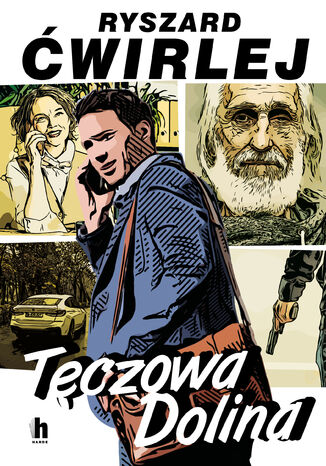
Tęczowa Dolina. Marcin Engel. Tom 2
Ryszard Ćwirlej
Ryszard Ćwirlej Tęczowa Dolina Trzy pozornie niezwiązane ze sobą sprawy, trzy śledztwa i jedno rozwiązanie. Na jednym z warszawskich osiedli stróż znajduje zwłoki lokatora zastrzelonego we własnym mieszkaniu. W trakcie dochodzenia okazuje się, że tuż przed morderstwem kilka osób widziało bezdomnego kręcącego się w pobliżu kamienicy. Mniej więcej w tym samym czasie emerytowany policjant dowiaduje się, że jest jedynym spadkobiercą ciotki. A przecież od lat byli skłóceni... Podejrzewa, że coś ze spadkiem jest nie tak, postanawia to wyjaśnić i wyrusza do nadmorskiej miejscowości Chłopy. Specjalizujący się w dziennikarstwie śledczym reporter dowiaduje się, że w Ustroniu Morskim uzdrowiciel podaje ludziom lekarstwo, które niemal natychmiast stawia na nogi nawet poważnie chorych. Dziennikarz podejrzewa, że to oszustwo i zamierza przyjrzeć się tej sprawie. Tymczasem znachor znika w tajemniczych okolicznościach...