
Fantasy
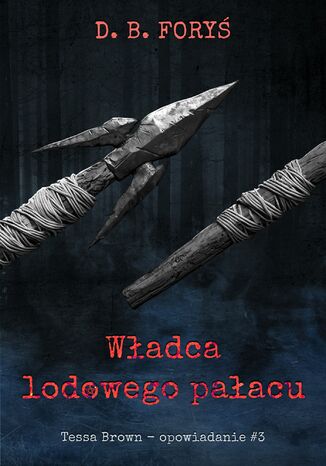
Tessa Brown (#5). Władca lodowego pałacu - opowiadanie #3
D. B. Foryś
Mam na imię Tessa i marznę, kiedy nagle spada śnieg. W słonecznej Kalifornii! Święta się zbliżają, choinkę ubierać trzeba, a ja zamiast rozwieszać kolorowe światełka walczę z magiczną zmianą pogody. I z klątwą. I z lodowym pałacem, który znikąd pojawia się w centrum miasta. W dodatku nie sam Brrr, zimno. Oddajcie mi lato! Władca lodowego pałacu to opowiadanie z cyklu Tessa Brown paranormalnego romansu urban fantasy.
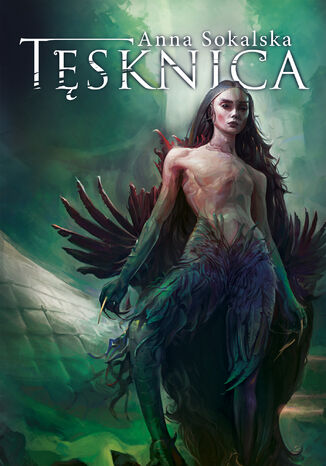
Anna Sokalska
Iga, menadżerka w korporacji, niespodziewanie musi przerwać karierę, aby ratować zdrowie. Szukając odpoczynku, wyjeżdża na wieś, gdzie poznaje Nadzieję, ekscentryczną właścicielkę gospodarstwa Pomiędzy. Wkrótce, pozornie monotonne życie młodej gospodyni, uważanej przez lokalną społeczność za znachorkę lub dziwaczkę, okazuje się splotem kolejnych tajemnic, a rosnący za chałupą las przedsionkiem nieznanego świata. Niepokojące incydenty, rodzinne sekrety, widmo tęsknicy i walka o utraconą duszę wciągają Igę w sam środek ludowych obrzędów i dawnych wierzeń. Tęsknica to baśń dla dorosłych inspirowana pięknem wsi, estetyką polskiej kultury ludowej oraz motywami występującymi w tradycyjnych polskich bajkach i baśniach. Jest także opowieścią na cześć natury i kobiecości, ale i refleksją nad destrukcyjną siłą tych z marzeń, które wymykają się spod kontroli.
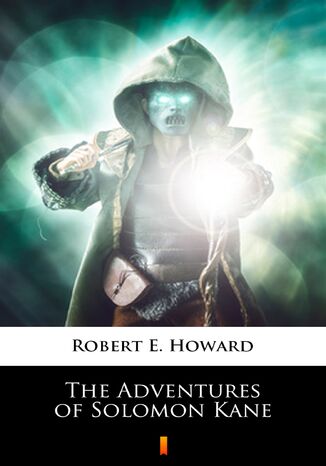
The Adventures of Solomon Kane
Robert E. Howard
Before Robert E. Howard wrote of Conan the Cimmerian, he wrote of the swashbuckler Solomon Kane. The Adventures of Solomon Kane takes you through Howards horrific and fantastic world of swords and sorcery, the world of ancient secrets and the monsters that live in the jungles of Africa where Kane vanquishes evil. Here are shudder-inducing tales of vengeful ghosts and bloodthirsty demons, of dark sorceries wielded by evil men and women, all opposed by a grim avenger armed with a fanatics faith and a warriors savage heart. Whether it be a witch-cursed monstrosity, hell-spawned vampire, mutant throw-back, or just a wicked wretch of humankind, Solomon Kane will fight with equal determination and enthusiasm to see good triumph. Collected in this volume are all of the stories and poems that make up the thrilling saga of the dour and deadly Puritan, Solomon Kane.
Mark Twain
Incredible adventures await the young English Earl of Rosmore in the vastness of the distant United States. In search of the American dream, he finds his distant relative, the ingenious inventor, entrepreneur and ventriloquist Colonel Melberry Sellers, whose main project was the purchase of Siberia to establish a republic in it. An ambitious young count will face insurmountable difficulties on his way to the goal.
Thorne Smith
If youre in the mood for a wildly hilarious comic romp, give Thorne Smiths The Bishops Jaegars a read. Mad, hilarious, degenerate, or simply fun fantasy? Only the reader can decide. Adrift and listless, a wealthy coffee heir Peter Van Dyke is searching for meaning in life. His young secretary Jo decides to shake things up and help him get back on track. Although he is engaged to another, she has far from given up. Laughter ensues as they go from one mishap to another along with fiancée Yolanda Wilmont, a pickpocket, a bishop who is desperately attached to his jaegers, and Aspirin Liz. Before long, they find themselves at the center of a bizarre coterie of characters who invade a nudist colony. The Bishops Jaegers was published in 1932.
Robert E. Howard
The Black Stranger"is one of the stories byRobert E. HowardaboutConan the Cimmerian. It was written in the 1930s but not published in his lifetime. When the original Conan version of the story failed to find a publisher, Howard rewrote The Black Stranger into a piraticalTerence Vulmeastory entitled Swords of the Red Brotherhood.

Edgar Rice Burroughs
“The Cave Girl“ is a novel by Edgar Rice Burroughs, an American fiction writer, who created such great characters as Tarzan and John Carter of Mars. Blueblooded mama's boy Waldo Emerson Smith-Jones is swept overboard during a South Seas voyage for his lifelong ill health. He finds himself on a jungle island. His bookish education has not prepared him to cope with these surroundings, and he is a coward. He is terrified when he encounters primitive, violent men, ape-like throwbacks in mankind's evolutionary history. He runs from them, but when he reaches a dead end, he successfully makes a stand, astonishing himself.
T.C. Bridges
The bottom of the gorge was filled with old lava, black and fragile, like bottle glass, but the rocks that endlessly rose on both sides on an African night were made of limestone. Everything was still like death. Even the jackal did not cry under the stars. For a while no sound was heard except for the gentle shuffling of Nicks legs as he slowly descended the steep slope. The darkness was terribly frightening for others, but Nick knew the way, and they unconditionally trusted him.