
Historyczna

Weronika Wierzchowska
W roku 1889 Przytułek Położniczy prowadzony przez pierwszą polską lekarkę, doktor Annę Tomaszewicz-Dobrską, rozpoczyna nowy rozdział działalności. Następuje wielka przeprowadzka do nowego lokalu, domu w całości przeznaczonego na szpital dla najuboższych kobiet. Dwie starsze akuszerki, Zosia i Karolcia, borykają się z problemami osobistymi. Karolina, mimo że z mężem od dawna stara się o dziecko, nie może zajść w ciążę. Zosia po miłosnych porażkach oddaje się zupełnie pracy, rezygnując z życia osobistego. Wszystko się zmienia, gdy ktoś podrzuca do Przytułku niepełnosprawną, maltretowaną dziewczynkę. Akuszerki postanawiają odnaleźć jej rodziców i ukarać oprawcę. Mimo, że doktor Anna dręczona jest absurdalnymi zarządzeniami przez nowego szefa Inspekcji Szpitalnej, carskiego służbistę, profesora Czausowa, postanawia bez niczyjej zgody sprowadzić do Przytułku dziewczyny ze wsi, by wyszkolić je na akuszerki. Sytuacja kobiet rodzących na prowincji, szczególnie wśród biedoty, jest bowiem dramatyczna i każda dyplomowana akuszerka jest niezwykle potrzebna. Szpital przeistacza się w szkołę położnictwa, borykającą się z coraz większą liczbą problemów, ale i przyjmująca na świat coraz więcej dzieci. Ciąg dalszy opowieści o prowadzonym przez kobiety szpitalu, który zmienił oblicze polskiego położnictwa. Weronika Wierzchowska z urodzenia mieszczka, przez długie lata zatrudniona w wielkiej korporacji jako chemiczka. Niedawno przerwała karierę, zrzuciła 30 kilogramów i wyprowadziła się na wieś. Obecnie zawodowo związana z malutką firmą kosmetyczną. Chwile niezajęte wymyślaniem i wytwarzaniem kremów, żeli i serum odmładzających poświęca córce, domowemu kucharzeniu oraz grzebaniu w starych książkach, które bardzo kocha. Zamiłowanie do dawnych historii próbuje połączyć z wymyślaniem własnych, tworząc opowieści o życiu kobiet: tych współczesnych i tych żyjących w dawnych czasach.
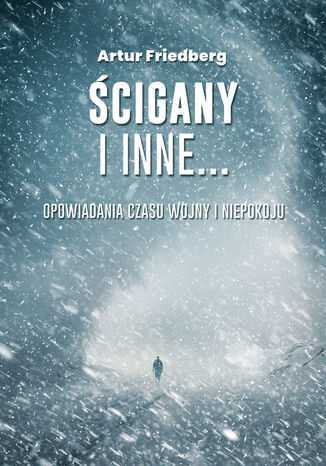
Ścigany i inne. Opowiadania czasu wojny i niepokoju
Artur Friedberg
Czasy wojny i niepokoju zawsze przynoszą skrajne decyzje w sprawach najważniejszych kiedy w grę wchodzi ludzkie życie, a zachowanie godności zostaje wystawione na próbę. Zaledwie dziewięcioletni chłopiec walczy o przetrwanie dla siebie i bliskich podczas syberyjskiej zimy. Spokojny właściciel sklepiku bławatnego zostaje partyzantem, gdy faszyści nieomal na jego oczach zabijają mu żonę i córeczkę. Lekarz żydowskiego pochodzenia próbuje ocalić siebie i rodzinę przed niemieckimi nalotami i prześladowaniami NKWD. Ale koniec wojny nie okazał się końcem czasu niepokojów. Ścigany i inne... to kronika ludzkich losów, zbiór opowiedzianych bądź zasłyszanych historii, w większości prawdziwych i przez to tak bardzo zapadających w pamięć.
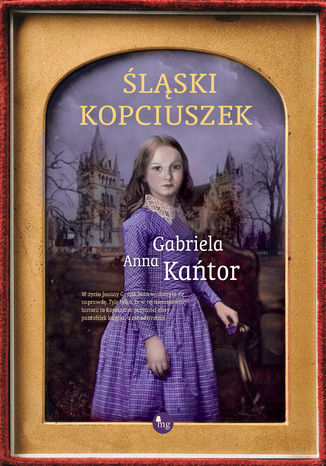
Gabriela Anna Kańtor
Wszyscy lubimy historie o Pięknej i Bestii i o Kopciuszku, w których dobro zwycięża. Jednak wiemy doskonale, że to po prostu baśnie. W życiu Joanny Gryzik baśń wydarzyła się naprawdę. Tyle tylko, że w tej niesamowitej historii to Kopciuszek przyniósł złoty pantofelek księciu, a nie odwrotnie. Czwarta z kolei powieść Gabrieli Anny Kańtor opowiada o spotkaniu dwóch osób; Joanny – „śląskiego Kopciuszka”, ubogiej sieroty z kopalnianych slumsów i magnata przemysłowego, słynnego self-made mana, który w latach 1801-1848 dorobił się majątku szacowanego na dwa miliony talarów. Opowieść o tym, jak od owego przypadkowego spotkania zmieniło się ich życie, jest gotowym scenariuszem na ekscytujący film! Dla Czytelników będzie to niezapomniana lektura.

Agnieszka Głębicka
Panorama burzliwej historii Śląska opowiedziana przez silne kobiety Erika to twardo stąpająca po ziemi katoliczka spod Opola ze smykałką do stolarstwa. Agnes jest dziewczyną z miasta, ambitną córką pastora, która daje się uwieść sztuce. Dzieli je wiele, ale ważniejsze okazuje się to, co je łączy śląska dusza. To zakorzenienie w śląskości dodaje im sił, gdy przez ich życie przetacza się wojenna zawierucha. Czerwona spódnica, która staje się sztandarem. Czyniąca cuda figurka Matki Boskiej Sudeckiej ukryta w sarkofagu zwanym żelazną dziewicą. Album Hansa Bellmera z niepokojącymi fotografiami okaleczonych manekinów. Trumna, w której ukrywa się śląski powstaniec. Sanatorium dziecięce zamienione w ośrodek Lebensbornu. Krzak bonbonowiec częstujący cukierkami małą Johannę. Powieść Agnieszki Głębickiej prowadzi nas przez dzieje śląskich rodzin, nierzadko rozdartych między tym, co polskie, a tym, co niemieckie. Śląszczyki tętnią powieściowym życiem. Są wielowarstwową powieścią o ludziach i miejscach, które jak w soczewce skupiają wielką i małą historię. A przede wszystkim o kobietach, które potrafią zawalczyć o swoje.

Iwona Surmik
Opowieść o duchownym, który zostaje schwytany i podpalony przez rodzinę czarownicy, którą stracił na stosie. Okaleczonego Matteusa ratują i przyjmują pod opiekę dwie mieszkanki leśnej chatki. Choć ksiądz bezpowrotnie stracił wzrok, wśród nowych towarzyszek odnajduje radość. Czy sojusz inkwizytora i kobiet posądzanych o czary ma szansę przetrwać?
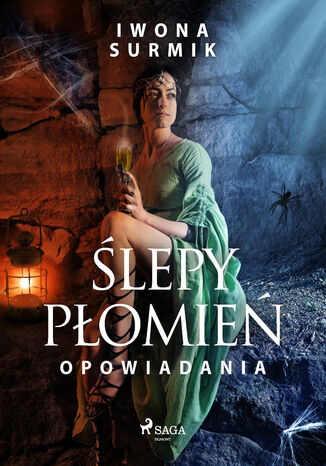
Ślepy płomień - zbiór opowiadań
Iwona Surmik
Zbiór opowiadań utrzymanych w stylistyce historycznej i fantasy. Przemoc, miłość i seks, inkwizycja, czarownice i rycerze, honor i zdrada. Dylematy moralne z ciemnego okresu cywilizacji europejskiej okazują się zaskakująco aktualne również dziś.
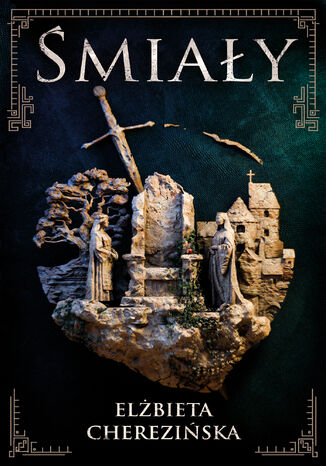
Śmiały /OM/. Bolesław II. Tom 1
Elżbieta Cherezińska
Śmiały to pierwsza część dwutomowej opowieści o jednym z najwybitniejszych polskich władców. O świecie, w którym żył i o królestwie, które podźwignął z ruin. Pełna sekretnych żywiołów, głębokiej miłości, ale także przemocy i zdrady. W drugiej połowie XI wieku Europą wstrząsały potężne konflikty. W rebeliach pogańskich mordowano biskupów, zaczęła się wielka schizma, spór między papiestwem i cesarstwem osiągnąłapogeum. Król Niemiec walczył z własnymi poddanymi, Czechy, Węgry i Ruś Kijowska pogrążone były w bratobójczych wojnach. W tym burzliwym czasie piętnastoletniBolesław po nagłej śmierci ojca, Kazimierza Odnowiciela, został władcą zrujnowanego Królestwa Polskiego. Możni tylko czekali, aż zaczną rządzić zza pleców młodego księcia. On jednak szybko pojął, że w sztuce wojennej najważniejsza jest gra dyplomatyczna, a najtrudniejsze bitwy rozgrywa się z tymi, którzy są najbliżej. Udowodnił, że nie bez powodu nazwano go imieniem pierwszego króla i potwierdził swe prawa do dziedzictwa po nim. Autorka z benedyktyńską dokładnością i nieposkromioną wyobraźnią rekonstruuje dawne dzieje, z rozmachem tworząc świat, od którego trudno się oderwać. Nie brakuje w nim gorzkich diagnoz, politycznego wyrachowania i zaskakujących zwrotów akcji. Jest i to, co u niej bardzo ważne: kobiety wydobyte z mroku dziejów. Historii uczymy się w czasie przeszłym dokonanym. Ja chcę ją opowiadać w czasie teraźniejszym, chcę zaprosić Czytelników do chwili jej tworzenia. Gdy wspominamy króla Bolesława Szczodrego, dodajemy: to ten, który zabił biskupa. To nie było jego największe osiągnięcie. Cofnijmy się w czasie. Poznajmy Bolesława Śmiałego. Elżbieta Cherezińska

Śpiew czerwonych ptaków. Powieść płaszcza i szpady z czasów konfederacji barskiej
Jolanta Maria Kaleta
Jaką cenę trzeba zapłacić, by ocalić honor i odzyskać miłość? Jest rok 1758. Do Petersburga, na dwór wielkiej księżnej Katarzyny i wielkiego księcia Piotra ze świtą Karola Krystiana Wettyna, jako jego adiutant, przyjeżdża pułkownik Seweryn Jaxa-Rawecki. Jednak nie chęć zrobienia kariery zawiodła go w szeregi gwardii polskiego królewicza, lecz tajemnica rodzinna i złożona ojcu na łożu śmierci przysięga, którą od lat stara się wypełnić. Nie wie, że wkrótce nadejdzie czas, kiedy będzie musiał wybrać, czy dochować wierności danemu słowu, czy poświęcić życie w walce o wiele ważniejszą sprawę. W tym samym czasie dwór w rodzinnych Koszutach opuszcza młodziutka starościanka Konstancja Niemirska i przyjeżdża do Warszawy wraz z ciotką, która wprowadza bratanicę na najlepsze salony stolicy, by znaleźć dla niej odpowiedniego kandydata na męża. Cieniem na życiu panny kładzie się nie tylko despotyzm jej ojca, lecz także wielka polityka. Los sprawi, że ścieżki życia Konstancji i Seweryna się przetną, a wielka miłość, która ich połączy, zostanie poddana ciężkiej próbie.
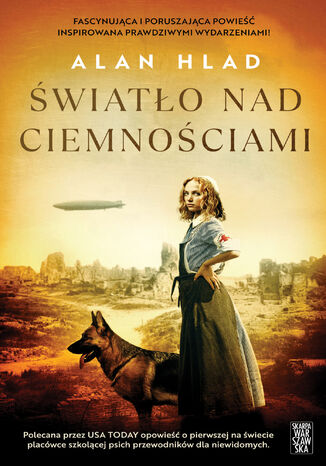
Alan Hlad
Fascynująca i poruszająca powieść inspirowana prawdziwymi wydarzeniami! Polecana przez USA TODAY opowieść o I Wojnie Światowej i pierwszej na świecie placówce szkolącej psich przewodników dla niewidomych. Anna Zeller, której narzeczony Bruno walczy na zachodnim froncie, pracuje jako pielęgniarka w przepełnionym szpitalu w Oldenburgu. Próbuje wspierać rannych mężczyzn. Wszystkim brakuje jednak nadziei. Iskierka optymizmu pojawia się podczas wizyty doktora Stallinga, dyrektora Czerwonego Krzyża. Zainspirowany widokiem owczarka niemieckiego, który prowadzi rannego w boju żołnierza, wpada na pomysł by trenować psich przewodników dla niewidomych weteranów. Anna przekonuje doktora, że chciałaby wziąć udział w szkoleniach psów. Niektóre z nich same są wojennymi weteranami, jak Nia - suczka z rannymi łapami. Anna przygarnia Nię i w sekrecie szkoli ją, wierząc, że ta stanie się jeszcze idealnym pomocnikiem dla odpowiedniego żołnierza. I wkrótce go odnajduje. Jest nim Max Benesch, oślepiony na froncie żołnierz z żydowskimi korzeniami. Max stracił nie tylko wzrok, ale także narzeczoną i nadzieję na bycie kompozytorem. Mimo całego swojego oddania podczas wojny, narastająca niechęć i fala anty-semityzmu dosięga i jego. Dzięki wsparciu Anny odkrywa na nowo miłość do muzyki. Do Anny dociera jednak, że konflikt przybiera na sile, i być może nie uda im się uciec przed wojenną zawieruchą bez szwanku…

Lynn Austin
Caroline Fletcher, córka zamożnych ludzi, wychowuje się w przekonaniu, że niewolnictwo jest ustanowione przez Boga i nie ma w nim niczego złego. W pewnym momencie zauważa okrucieństwo i niesprawiedliwość posiadania niewolników. Kocha swoją służbę jak członków rodziny. Jednocześnie jej ojciec oraz narzeczony, Charles St. John, walczą o Konfederację, jej ukochany styl życia i tradycje. Bohaterka znajduje się w narodzie podzielonym na części. Jest rozdarta między tymi, których kocha i prawdą, której nie może zaprzeczyć. Gdzie leży lojalność Caroline? Onieśmielona pasją do zmian i rosnącą wiarą, czy zaryzykuje wszystko, co jest jej drogie? Lynn Austin - Zdobywczyni wielu nagród, była nauczycielka, która na dzień dzisiejszy zajmuje się tylko pisaniem oraz prelekcjami. Zdobyła sześć nagród Christy Awards za powieści historyczne. Jedna z powieści, Ukryte miejsca, została zekranizowana. Do tej pory w Polsce ukazały się Seria Kronik, seria Kroniki Odnowy oraz Ukryte miejsca. Lynn wraz z mężem wychowali trójkę dzieci i mieszkają niedaleko Chicago.

Święcenie noży. Nowe opowiadania kresowe
Stanisław Srokowski
To nie jest książka dla wielbicieli taniego pojednania. To nie jest książka dla tych, którzy wolą unikać prawdy, jeśli staje się dla nich niewygodna. To nie jest książka dla tych, którzy wstydzą się naszej narodowej wspólnoty, adorujących mityczne "jutro" ale bez słowa o okrutnym "wczoraj". To jest książka napisana przez Polaka, który mieszkał na Wołyniu i przeżył. Niewielu się to udało.To najbardziej osobiste moje opowiadania. Oczami małego chłopca widzimy ukraińskie ludobójstwo na Kresach. W tym chłopcu odbijają się moje przeżycia, ból, cierpienie i lęki II wojny światowej. Przeżyłem bowiem tam piekło. Moja wieś została ograbiona i spalona. Zanim jednak to się stało, w domu zbierała się Rada Starszych, dziadkowie, Piotr i Ignacy, oraz wujowie - Marian i Tośko, i rozprawiali o najnowszych wydarzeniach, o tym, gdzie płoną polskie wsie, kto został zamordowany, a kto ocalał i żyje. A mnie cierpła skóra i uciekałem do psiej budy. I tę psią budę pokazał Smarzowski w filmie "Wołyń". Wiele z tych opowieści wplotłem do książki, choćby historię święcenia noży, którymi banderowcy podcinali naszym rodakom gardła, czy wątek scyzoryka, którym chciał zamordować mojego kuzyna jego ukraiński przyjaciel. Te i inne opowiadania ujawniają brutalną prawdę o przerażających ukraińskich zbrodniach. - Stanisław Srokowski
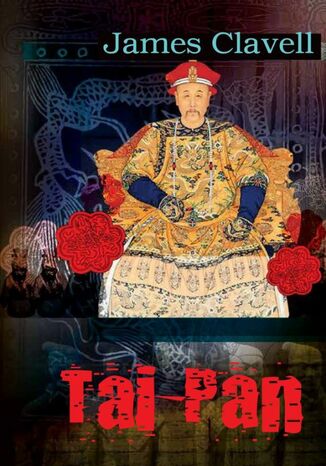
Tai-Pan. Saga Azjatycka. Tom 2
James Clavell
Na przekór przeciwnościom losu dwie handlowe potęgi rywalizują ze sobą o władzę nad brytyjską kolonią na Hongkongu i monopol na handel z Chinami, dwóch kupców-żeglarzy i jednocześnie śmiertelnych wrogów, Dirk Struan zwany Tai-Panem, głowa spółki handlowej Noble House oraz Tyler Brock, właściciel spółki Brock i Synowie walczą o dominację, nie przebierając w środkach. W wirze nieudolnej polityki, szalejącej malarii, uknutych intryg, rosnącej zazdrości i podsycanej nienawiści toczy się ta pasjonująca opowieść o XIX-wiecznych przemytnikach opium i kupcach, którzy w pogoni za fortuną i prestiżem przemierzali częstokroć nieznane wody, walczyli z piratami i zawijali swoimi pięknymi statkami do niezbadanych przystani, a czyhające na nich na każdym kroku niebezpieczeństwo traktowali jak chleb powszedni...

Antoni Ossendowski
Na ziemi skolonizowanej przez białych ludzi z rodzi się miłość. Zupełnie niewinna i obca wobec dramatycznej rzeczywistości. Do szkoły kolonijnej przybywa córka generała i gubernatora Miguela Floridablanca Liza. Dziewczynka budzi powszechne uznanie i fascynację wśród czarnoskórych dzieci, dla których mulat i najlepszy uczeń Enriko Kastellar jest równocześnie bękartem. Dla wszystkich poza Lizą. Lata płyną, a przyjaźń tej dwójki zamienia się w uczucie, które, aby przetrwać, musi się ukrywać. Pewnego dnia nastoletni już Enriko ma zostać wysłany na wyższe studia w Madrycie. Jeżeli wyjdzie, nigdy więcej nie zobaczy Lizy.
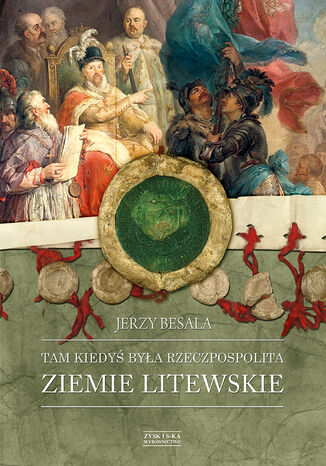
Tam kiedyś była Rzeczpospolita. Ziemie litewskie
Jerzy Besala
Polacy i Litwini tak bliscy, a bywało, że tak dalecy. Przez setki lat w braterskich uściskach, ale też w sporach pełnych podejrzeń mimo to sobie potrzebni. Najpierw z powodu zagrożenia ze strony zakonu krzyżackiego, a potem państwa moskiewskiego. Tworzący od 1569 roku jedną Rzeczpospolitą Obojga Narodów, różnie pojmowaną przez historyków litewskich i polskich. Przez wieki wspólne dzieje i czas zacierały różnice. Elementem cementującym była polskość: język, kultura, instytucje polityczne, obyczajowość. Jednak w dobie idei państw narodowych w XIX wieku spoiwo to szybko zwietrzało. Aby odrodzić się jako państwo niezależne, Litwa nacjonalistyczna musiała rozerwać ów kokon polskości. Chciała sięgnąć jak najgłębiej w dzieje, by dowieść nie tylko swej samodzielności, lecz także wielkości. Postać Jagiełły, który doprowadził do unii w Krewie 1385 roku ze słynnym applicare, jest rysowana przez wielu historyków litewskich w ciemnych barwach i kontrastuje z jasnym obrazem wielkich książąt Witolda Kiejstutowicza, Giedymina, Mendoga, Olgierda. Jerzy Besala przygląda się dziejom ziem litewskich, skupiając się na terenach dawnej Auksztoty i Żmudzi, które obecnie zajmuje Litwa od średniowiecza, przez czasy Jagiellonów i Rzeczypospolitej Obojga Narodów, po rozbiory i XX wiek. Barwnie przybliża mało znane fakty, miejsca i postaci, które miały istotne znaczenie dla państwa litewskiego i polskiego.

Tamar Kobieta nadziei Rodowód łaski cz.1
Francine Rivers
Zdradzona przez mężczyzn, którzy decydowali o jej losie...Zaryzykowała życie i reputacje, aby wypełnić swoje powołanie. "Juda przypomniał sobie, że imię Tamar oznacza "palmę daktylową". Palma daktylowa znosi ostry, pustynny klimat i wydaje słodkie odżywcze owoce. Smagana pustynnym wiatrem, trzyma się mocno i niełatwo ją złamać. Podobnie Tamar, będzie musiała stawić czoła trudnemu i gwałtownemu usposobieniu jego syna. Juda był pewien, że jego żona Batszeba potraktuje młodą dziewczynę, jak rywalkę. Wiedział, że będzie uprzykrzać jej życie, ponieważ jego żona jest próżna i zazdrosna o swoich synów...". Frag. książki Wystrojona w ślubne szaty, 14-letnia Tamar zostaje wydana za mąż za okrutnego, czczącego bożków mężczyznę. Wrzucona w świat nadużyć, zdrady i rozczarowań, w obliczu cierpienia musi dokonać wyboru: Czy pozwoli swojemu nowemu mężowi, Erowi, zniszczyć jej niewinność i honor? Czy porzuci religię Kananejczyków i przyjmie Boga Hebrajczyków ? A może popadnie w rozpacz i stanie się tak zła jak jej mąż i jego bracia? Poznaj biblijną historię Tamar. Choć żyła w odległych czasach i innej kulturze, niejednokrotnie zmagała się z problemami, które nie są nam obce. Zaryzykowała swoje życie i reputację, aby przetrwać. Jej historia służy jako przykład tego, jak Bóg wykorzystuje nasze okoliczności i nasze chwiejne kroki, aby wypełnić swój plan. Pozostałe powieści z cyklu "Rodowód Łaski" RUT Moabitka, która wyrzekła się wszystkiego, nie oczekując niczego w zamian. TAMAR Zdradzona przez mężczyzn, którzy decydowali o jej losie ... , zaryzykowała życie i reputację, aby przetrwać. RACHAB Nierządnica, królewska nałożnica, poganka...Kobieta z przeszłością, której Bóg dał przyszłość. BATSZEBA Jej piękno poruszyło zmysły króla Dawida. Jej ból poruszył serce Boga. MARIA Cały świat czekał na ten moment. Bóg wybrał jedną kobietę. Pięć niezwykłych kobiet, należących do genealogii Jezusa Chrystusa, które zmieniły dzieje ludzkości. FRANCINE RIVERS - jedna z najpopularniejszych pisarek amerykańskich, autorka ponad 20 bestsellerowych powieści, przetłumaczonych na dwadzieścia języków, m.in. trylogii: "Głos w wietrze", "Echo w ciemności", "Jak świt poranka". Zdobyła liczne nagrody i zaszczyty, w tym Christy Award, za stworzenie inspirującej fabuły o charakterze historycznym, złoty medal Amerykańskiego Stowarzyszenia Wydawców Chrześcijańskich ECPA za powieść "Ostatni zjadacz grzechu" (zekranizowaną przez Michaela Landona). W 2010 roku książki Francine zostały uznane za najlepiej sprzedające się tytuły na liście "New York Timesa".
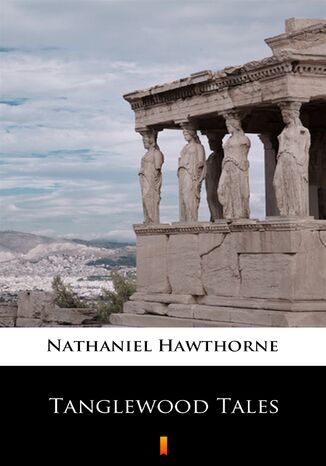
Nathaniel Hawthorne
This is a fun collection, the second of Hawthorne, Greek myths slightly rethought and retold for children. These are famous stories with a rather friendly perception. Antey has some friends who are called pygmies, but it seems that their height is about six inches. But they are going to avenge him after Hercules killed him, and Big X good-naturedly accepts the loss. Theseus still kills the Minotaur, although the beast seems to be a kind of miserable soul, but does not leave Ariadne rather, she refuses to leave her father, despite all his flaws.