
Dramat
Aristophanes
This bold statement by Euripides is an absurd premise on which the whole game depends. Women are outraged by the image of the female as crazy, murderous and sexually depraved, and they use the Thesmophoria festival as an opportunity to discuss a suitable choice of revenge, Fearing their abilities, Euripides seeks out his tragic friend Agathon in the hope of convincing him to spy on him and become his protector at the festival a role that, of course, would require him to disguise himself as a woman.
Aristophanes
Old Philokleon was so addicted to attending court hearings that his son Bdelikleon locked him in the house and stretched a net around the house. He wants to ensure a quiet life for his father, but Philokleon does not at all want peace. Hes a cocky, like a choir made up of his old friends, judges, and he likes to convict. The choir appears on the stage in wasp costumes and tries to help Philokleon slip away, but Bdelikleon prevents this.
Anton Pavlovich Chekhov
A short story about an unhappy involuntary marriage. Family quarrels, like bad weather in the Russian wilderness: there is nothing worse than becoming an involuntary captive of a blizzard of someone elses spousal abuse. The main character of the story is an ordinary woman with an unfortunate fate. All its features consist only in youth and attractive appearance, and in the still alive soul, which writhes under the weight of the cargo that has landed on it and stubbornly does not want to die, does not want to give up, and everything continues to wait for someone or something. Her husband, a miserable man, considers his wife a witch.

Jack London
“Theft” is a book by Jack London, an American novelist. A pioneer of commercial fiction and an innovator in the genre that would later become known as science fiction. Theft is a political piece set in Washington, DC. A Congressman, Howard Knox, is ready to reveal the corrupt practices of Anthony Starkweather, a wealthy industrialist. To complicate matters, Starkweather's daughter is helping Knox. The play's underlying anti-capitalist theme is also found in some of London's other works. The plot revolves around recovering documents that support Knox's revelations.

Maxim Gorky
The stories, united under the name Through Russia, were originally printed by M. Gorky in various periodicals and collections. In the series of short stories In Russia. M. Gorky refers to the image of the past in order to illuminate the paths to the future. The writer reflected the harsh truth of the life of little great people, life-giving and decorating the earth with their labor.
Sofokles
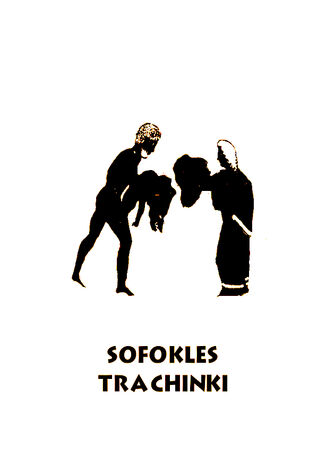
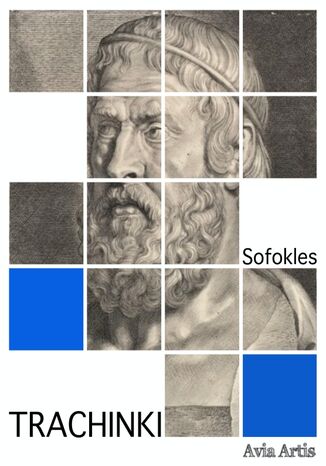
Kobiety z Trachis lub jak w niniejszym przekładzie Trachinki powstały pomiędzy 450-425 r. p.n.e., jest to ateńska tragedia Sofoklesa. Kobiety z Trachis są ogólnie uważane za mniej rozbudowane niż inne dzieła Sofoklesa, a ich datowanie było przedmiotem sporów między krytykami i uczonymi. Tragedia przedstawia dramat rodzinny w domu Heraklesa, losy i zgon Dejaniry podczas wypraw słynnego jej małżonka, wreszcie ostatnie chwile samego bohatera.
Sofokles
Trachinki to dramat Sofoklesa, największego obok Ajschylosa i Eurypidesa tragika starożytnej Grecji. Historia zaczyna się od Deianeiry, żony Heraklesa, opowiadającej historię swojego wczesnego życia i jej trudnej sytuacji przystosowania się do życia małżeńskiego. Jest teraz zrozpaczona zaniedbaniem rodziny przez męża. Herakles często zaangażowany w jakąś przygodę, rzadko ją odwiedza. Deianeira wysyła ich syna Hyllusa, aby go znalazł, ponieważ jest zaniepokojona proroctwami dotyczącymi Heraklesa i ziemi, w której obecnie się znajduje.

Eurypides
Publikacja zawiera 19 utworów wybitnego starożytnego greckiego dramaturga Eurypidesa (ur. ok. 480 p.n.e., zm. 406 p.n.e.). Są to: I. Tragedie niewieście: Alkestis. Medea. Hippolytos uwieńczony. Hekabe. Ifigenia w Aulidzie. Ifigenia w Tauryi. II. Tragedie wojenne i ateńskie. Heraklidzi. Andromache. Błagalnice. Ion. Trojanki. Fenicyanki. III. Tragedie ludzi zwyczajnych: Elektra. Helena. Cyklop. IV. Tragedie szału: Herakles Szalejący. Orestes. Bachantki. V. Dodatek: Rhesos.