
Informatyka
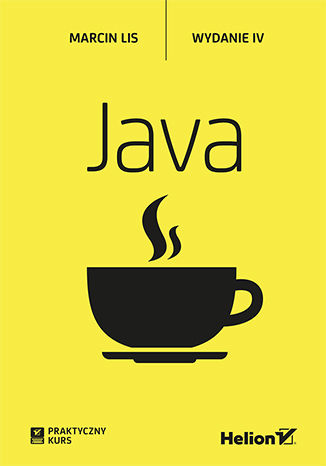
Java. Praktyczny kurs. Wydanie IV
Marcin Lis
To Java, nie sen! Instrukcje języka i programowanie obiektowe, czyli co trzeba wiedzieć, by zacząć programować w Javie Wyjątki i system wejścia–wyjścia, czyli jak zapobiegać problemom i przetwarzać dane Kontenery i aplikacje, czyli gdzie przechowywać dane i jak tworzyć programy Znajomość Javy, jako jednego z najpopularniejszych języków programowania na świecie, to dziś obowiązek każdego programisty. Na nic nie zdadzą się wykręty, że przecież można inaczej — pamiętaj, Java jest wszędzie! Dlatego jeśli masz ambicje zająć się programowaniem albo szybko nauczyć się podstaw nowego języka, natychmiast musisz zaopatrzyć się w tę książkę. Pomoże Ci ona zrozumieć składnię i logikę Javy, a także opanować polecenia, byś mógł szybko rozpocząć samodzielną pracę w tym języku. Z książki dowiesz się, jak zainstalować Javę i jakie narzędzia będą Ci potrzebne. Odkryjesz podstawowe zasady pisania programów, z uwzględnieniem obiektowego charakteru tego języka, nauczysz się stosować instrukcje i odpowiednie typy danych, a także wykorzystywać deklaracje, klasy i metody. Kolejne rozdziały wskażą Ci, do czego służą pętle, tablice i operatory. Zanim się obejrzysz, będziesz już umiał dokonywać konwersji typów, używać konstruktorów i zagnieżdżać klasy, a stąd już tylko krok do tworzenia apletów i aplikacji. Przekonaj się, jak szybko możesz poznać Javę — wystarczy seria konkretnych ćwiczeń, a Twoje umiejętności poszybują w górę! Krótka historia Javy, narzędzia i wersje Struktura programu, kompilacja i wykonanie Podstawy obiektowości, typy danych, komentarze, deklaracje i przypisania Wyprowadzanie danych na ekran i operacje na zmiennych Instrukcje if...else, break i continue, switch i operator warunkowy Pętle, podstawowe operacje na tablicach i tablice wielowymiarowe Klasy, pola, metody, argumenty i przeciążanie metod Konstruktory, klasy potomne, specyfikatory dostępu i pakiety Przesłanianie metod, składowe statyczne, klasy i składowe finalne, blok try...catch Konwersje typów, rzutowanie obiektów, klasy abstrakcyjne i tworzenie interfejsów Rodzaje klas wewnętrznych, dziedziczenie, klasy anonimowe i zagnieżdżone Standardowe wejście i wyjście, system plików, operacje na plikach Kontenery, typy uogólnione, podstawy apletów Kroje pisma (fonty) i kolory, grafika, dźwięki i obsługa myszy Tworzenie aplikacji i komponenty Napisz swój pierwszy program w Javie!
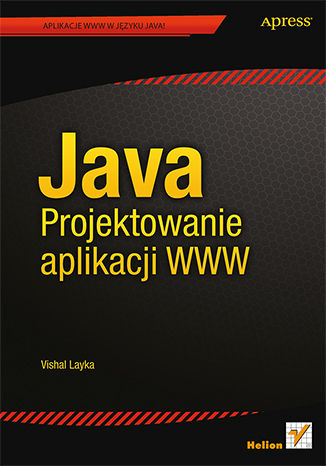
Java. Projektowanie aplikacji WWW
Vishal Layka
Aplikacje WWW w języku Java! Język Java zadebiutował na rynku blisko dwadzieścia lat temu. Od tego czasu zdobył ogromną popularność i jest z powodzeniem używany do tworzenia projektów o różnym stopniu trudności. Język ten sprawdza się idealnie zarówno przy budowie zaawansowanych systemów bankowych, jak i prostych stron WWW. Przekonaj się, jaki potencjał kryje się w Javie! Jeśli sięgniesz po tę książkę, błyskawicznie nauczysz się budować strony WWW przy użyciu serwletów i stron JSP. W kolejnych rozdziałach poznasz bardziej zaawansowane narzędzia — szkielet Struts 2, Spring Web MVC oraz JSF 2. Podczas tworzenia aplikacji działających w środowisku wirtualnej maszyny języka Java nie jesteś skazany wyłącznie na ten język. Wiele problemów możesz rozwiązać sprawniej za pomocą języków Scala lub Groovy. Książka ta jest doskonałą lekturą dla wszystkich osób chcących stworzyć stronę WWW w Javie i nie tylko! Dzięki tej książce: skonfigurujesz swoje środowisko pracy poznasz aktualne trendy w tworzeniu aplikacji poznasz popularne szkielety do tworzenia aplikacji WWW sprawdzisz możliwości języków Java, Groovy i Scala zbudujesz swoją stronę WWW Przewodnik po świecie WWW w języku Java!
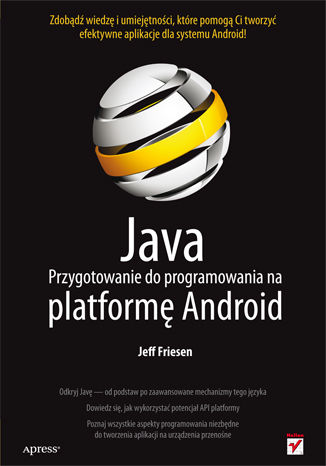
Java. Przygotowanie do programowania na platformę Android
Jeff Friesen
Zdobądź wiedzę i umiejętności, które pomogą Ci tworzyć efektywne aplikacje dla systemu Android! Odkryj Javę - od podstaw po zaawansowane mechanizmy tego języka Dowiedz się, jak wykorzystać potencjał API platformy Poznaj wszystkie aspekty programowania niezbędne do tworzenia aplikacji na urządzenia przenośne Język Java, obecny na rynku od dobrych piętnastu lat, ugruntował już swoją pozycję w środowisku programistów. Wykorzystywany jest niemal w każdej dziedzinie informatycznego świata, począwszy od aplikacji internetowych, poprzez tradycyjne oprogramowanie biurowe, aż po rozwiązania dla urządzeń przenośnych. Został on również wybrany jako główny język platformy Android - aplikacje dla tego systemu pisane są w języku Java i korzystają z różnorodnych standardowych API tego języka. Dzięki temu tysiące programistów niemal z marszu rozpoczęło tworzenie aplikacji przeznaczonych dla systemu Android, właściwie nie ponosząc żadnych dodatkowych kosztów. Jedną z najlepszych książek wprowadzających do języka Java... trzymasz właśnie w rękach. Dzięki niej błyskawicznie opanujesz język Java oraz zasady programowania obiektowego, skupiając się przede wszystkim na tych aspektach Javy, które pozwolą Ci zrozumieć istotę tworzenia aplikacji. Z tak solidnymi fundamentami zaczniesz odkrywać możliwości i ograniczenia Javy. Na kolejnych stronach znajdziesz szczegółowo omówione API platformy, jej potencjał w zakresie korzystania z kolekcji oraz tworzenia aplikacji wielojęzycznych. Ponadto nauczysz się wykonywać operacje wejścia-wyjścia. Książka ta jest idealną pozycją dla wszystkich osób chcących poznać niuanse języka Java, a następnie wykorzystać je podczas tworzenia aplikacji. Dzięki zawartym w niej ćwiczeniom błyskawicznie zweryfikujesz zdobytą wiedzę. Java - język programowania i platforma Instalacja i korzystanie ze środowiska programistycznego Eclipse i NetBeans Elementarz języka JAVA - klasy, interfejsy, dziedziczenie Zaawansowane elementy języka - wyjątki, adnotacje, typy ogólne i wyliczeniowe Zastosowanie wątków Zarządzanie kolekcjami elementów - Collections Framework Operacje wejścia-wyjścia - dostęp do plików i strumieni Wykorzystaj potencjał Javy i przygotuj się do tworzenia aplikacji na urządzenia przenośne!
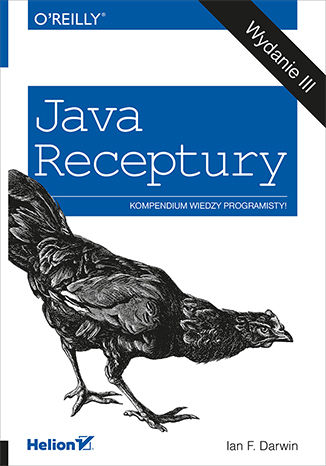
Ian F. Darwin
Rozwiązania i przykłady dla programistów używających języka Java Java to jeden z języków programowania najchętniej wybieranych do tworzenia zaawansowanych systemów informatycznych. Systemy bankowe, aukcyjne oraz inne zaawansowane programy wspomagające codzienną pracę tysięcy ludzi opierają się na Javie i narzędziach z nią związanych. Jeżeli chcesz śmiało wkroczyć w świat tego języka, musisz mieć tę książkę! Książka należy do cenionej serii „Receptury”, która przedstawia różne zagadnienia w postaci krótkich przepisów. Nie inaczej jest w tym przypadku. Sięgnij po nią i zobacz, jak kompilować, uruchamiać i testować tworzony kod. W kolejnych rozdziałach zaznajomisz się z najlepszymi metodami przetwarzania ciągów znaków oraz nauczysz się korzystać z wyrażeń regularnych i wykonywać operacje na liczbach. Ponadto zdobędziesz dogłębną wiedzę na temat systemu wejścia-wyjścia, używania systemu plików, sieci oraz drukarek. Książka ta jest obowiązkową pozycją na półce każdego programisty Javy! Przedstawione receptury obejmują: Sposoby kompilacji, uruchamiania i testowania aplikacji. Manipulację, porównywanie i zmianę organizacji tekstów. Użycie wyrażeń regularnych do dopasowywania tekstów i wzorców. Obsługę liczb, dat i czasu. Określanie struktury danych przy użyciu kolekcji, tablicy i innych typów. Techniki programowania obiektowego i funkcyjnego. Operacje na katalogach i systemie plików. Obsługę grafiki, dźwięku i wideo. Tworzenia aplikacji o graficznym interfejsie użytkownika, w tym Java FX i obsługę zdarzeń. Programowanie sieciowe, zarówno klientów jak i serwerów. Dostęp do baz danych przy użyciu JPA, Hibernate oraz JDBC. Przetwarzenie danych w formatach JSON oraz XML. Wielowątkowość i współbieżność. Najlepsze przepisy dla programistów Javy!
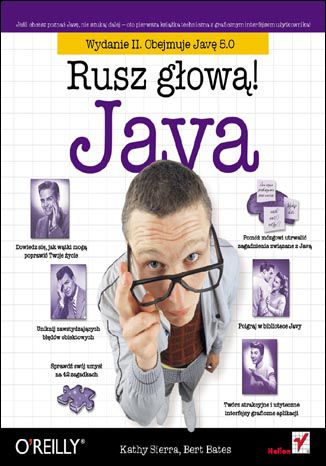
Kathy Sierra, Bert Bates
Jeśli chcesz poznać Javę, nie szukaj dalej — oto pierwsza książka techniczna z graficznym interfejsem użytkownika! Obejmuje Javę 5.0 Technologie oparte na Javie są wszędzie — jeśli piszesz oprogramowanie i jeszcze nie poznałeś Javy, nadszedł czas, by ruszyć głową! Otwórz się na Javę i projektowanie obiektowe. Przystąp do nauki unikalną metodą, wykraczającą poza suche opisy składni oraz sposobów omijania codziennie spotykanych raf programistycznych. To doskonały podręcznik dla osób, które lubią uczyć się nowych języków programowania i nie mają wykształcenia informatycznego lub programistycznego. Zostań fantastycznym programistą i zdobądź wiedzę kompletną: od tworzenia obiektów, po graficzny interfejs użytkownika (GUI), obsługę wyjątków (błędów) oraz komunikację sieciową (gniazda) i wielowątkowość, a nawet pakowanie grupy plików klasowych w jeden plik instalacyjny. Naprzód, głowo! Nikt ci tego nie potrafił wytłumaczyć? Wydaje Ci się, że to problem nie na Twoją głowę? Nie potrzebujesz elektrowstrząsów, żeby pobudzić swój mózg do aktywnego działania. Tylko żadnych gwałtownych gestów! Usiądź wygodnie, otwórz książkę, dopiero teraz się zacznie. Na początek — rusz głową! Precz z nudnymi wykładami i zakuwaniem bez zrozumienia! Nauka to znacznie więcej niż tylko czytanie suchego tekstu. Twój mózg jest niczym głodny rekin, cały czas prący naprzód w poszukiwaniu nowej, apetycznej przekąski. Jak karmimy Twój wygłodniały umysł? Używamy rysunków, bo obraz wart jest 1024 słów. Stosujemy powtórzenia, by zakodować na stałe dane w Twojej chłonnej głowie. Oddziałujemy na emocje, jesteśmy nieprzewidywalni, zaskakujący i zabawni. Stawiamy przed Tobą wyzwania i zadajemy pytania, które angażują Cię w proces studiowania przedstawianych zagadnień. Cały czas pobudzamy Twój umysł do aktywnego działania, zmuszamy go do posłuszeństwa… a za ciężką pracę nagrodzimy go smakowitym ciasteczkiem w postaci wiedzy — wisienka gratis! Rozgryź to sam! Klasy i obiekty Typy danych Pierwszy program w Javie Java API Programowanie obiektowe — dziedziczenie, polimorfizm, interfejsy i klasy abstrakcyjne Metody Obsługa wyjątków Graficzny interfejs użytkownika Operacje wejścia-wyjścia Programowanie sieciowe i RMI
Java. Techniki zaawansowane. Wydanie IX
Cay S. Horstmann, Gary Cornell
Tajniki języka Java 7! Zastanawiasz się, dlaczego język Java zdobył taką popularność? Przyczyn jest co najmniej kilka: automatyczne zarządzanie pamięcią, możliwość uruchamiania kodu na różnych platformach, ogrom dodatkowych narzędzi oraz wyjątkowo aktywna społeczność. Nie bez znaczenia jest również świetna dokumentacja, wsparcie dla usług sieciowych oraz aktywny rozwój, którego dowodem są kolejne wersje tego języka. Dziewiąte wydanie bestsellerowej pozycji Java. Techniki zaawansowane zostało zaktualizowane i uzupełnione o nowinki z najnowszej wersji języka Java oznaczonej numerem 7. W trakcie lektury dowiesz się, jak wydajnie korzystać ze strumieni, wyrażeń regularnych oraz baz danych. Java 7 to całkowicie nowy, mocno rozbudowany dostęp do plików - opis wszystkich niuansów znajdziesz w tej publikacji. Co jeszcze? Tworzenie aplikacji dla różnych języków i lokalizacji, zaawansowane wykorzystanie biblioteki Swing oraz dystrybucja stworzonych aplikacji. To tylko niektóre z zagadnień poruszonych w tej wyjątkowej książce, która musi się znaleźć na półce każdego programisty języka Java. Poznaj: nowości języka Java 7 zaawansowane techniki korzystania ze strumieni całkowicie nowe metody dostępu do plików techniki łączenia się z bazą danych potencjał języka Java Wykorzystaj w pełni możliwości języka Java 7!
Rheinwerk Publishing, Inc, Christian Ullenboom
This comprehensive guide introduces readers to Java programming from the ground up, beginning with the language’s history, installation, and core syntax. Early chapters cover imperative programming concepts, object-oriented principles, and essential data types like arrays and strings. As the journey progresses, readers explore custom classes, inheritance, interfaces, exceptions, and nested types, building a solid foundation in Java’s structure and design.Midway, the book dives into advanced topics such as generics, lambda expressions, functional programming, and concurrency. Readers gain practical knowledge of modern Java features including module systems, the extensive Java class library, and the nuances of thread management. The coverage also extends to data structures, algorithms, file I/O, and database connectivity with JDBC, empowering readers to handle real-world programming challenges with confidence.The final sections focus on testing with JUnit, software design patterns, and Java development tools, equipping readers with skills to write clean, maintainable, and efficient code. Throughout this journey, the book emphasizes practical examples and best practices, making it an indispensable resource for learners aiming to master Java from basics to advanced professional techniques.
Benjamin J Evans, David Flanagan
Poznaj nowości języka Java! Java to język programowania wybierany wszędzie tam, gdzie są wymagane najwyższe bezpieczeństwo i wydajność. Znajduje zastosowanie przy tworzeniu systemów bankowych oraz zaawansowanych aplikacji do zarządzania przedsiębiorstwami. Są to obszary, w których pomyłki bywają niezwykle drogie. Ale to nie jedyne zastosowania Javy! Ten język sprawdza się również wtedy, gdy trzeba szybko stworzyć aplikację internetową (niezależnie od jej wielkości) albo narzędzia różnego przeznaczenia. Java przyda się wszędzie! W ostatnim czasie na rynku pojawiły się dwie kolejne wersje tego języka, oznaczone numerami 7 i 8. Zawierają one wiele nowości i ulepszeń, dzięki którym życie programisty staje się prostsze, a tworzone oprogramowanie — lepsze. Najnowsze wydanie tej cenionej książki zostało uzupełnione o informacje na temat tych właśnie wersji. Dzięki niej błyskawicznie poznasz i wykorzystasz nowe techniki w codziennej pracy. Sięgnij po ten podręcznik i poznaj najlepsze techniki programowania współbieżnego, zasady podejścia obiektowego oraz możliwości asynchronicznego wykonywania operacji wejścia-wyjścia. Ta książka jest obowiązkową lekturą dla wszystkich programistów języka Java! Poznasz szczegółowo język programowania Java i dowiesz się, jakie zmiany wprowadzono w Javie 8. Nauczysz się programowania obiektowego przy użyciu podstawowej składni Javy. Poznasz typy ogólne, wyliczenia, adnotacje i wyrażenia lambda. Nauczysz się podstawowych technik projektowania obiektowego. Poznasz techniki współbieżności i ich ścisły związek z modelem pamięci. Nauczysz się używać kolekcji Javy i posługiwać się typowymi formatami danych. Szczegółowo zbadasz najnowsze interfejsy API wejścia i wyjścia Javy, włącznie z kanałami asynchronicznymi. Dowiesz się, jak wykonywać kod JavaScript w maszynie wirtualnej Javy za pomocą Nashorna. Poznasz narzędzia programistyczne dostępne w pakiecie OpenJDK. Poznaj najskrytsze tajemnice języka Java!
Java Web Internals. Unlock the secrets of Java web servers, frameworks, and application architecture
Francisco Isidro Massetto, Bruno Souza
Ever wondered how web servers like Tomcat process requests, or what really happens behind frameworks such as Spring? This book takes you beneath the surface of Java web development to uncover the why behind the tools you use every day. Rather than focusing solely on coding recipes, this book emphasizes the underlying concepts and design principles that govern how web servers and frameworks operate. Starting with low-level socket programming, you’ll build a multithreaded HTTP server from the ground up and extend it into a lightweight application server capable of handling dynamic content. Along the way, you’ll master HTTP request parsing, response generation, servlet-like request handling, and Java reflection and annotations for metaprogramming. As you progress, you’ll evolve this infrastructure into your own Java framework with embedded Tomcat, annotation-driven routing, object serialization with Jackson, and basic dependency injection modeled on Jakarta CDI. By the end of this journey, you’ll understand the principles behind them, enabling you to reason about system design, troubleshoot complex issues, and apply these concepts across frameworks and programming languages.*Email sign-up and proof of purchase required
Java. Zadania z programowania z przykładowymi rozwiązaniami
Mirosław J. Kubiak
Java w analizie konkretnych przykładów Proste operacje wejścia/wyjścia Tablice oraz iteracje Programowanie obiektowe i pliki tekstowe Java to jeden z najważniejszych używanych obecnie obiektowych języków programowania. Do jego największych zalet należą łatwe przenoszenie programów między platformami i możliwość stosowania na urządzeniach przenośnych. Dobry programista, student lub nauczyciel informatyki, a także każdy człowiek zainteresowany programowaniem powinien znać podstawy tego języka i posiadać umiejętność rozwiązywania konkretnych problemów. Podobnie zresztą powinien opanować najważniejsze zagadnienia dotyczące programowania w językach C++ i Turbo Pascal — i stosować je w praktyce. Trzyczęściowy zbiór, w którym zamieszczono te same lub bardzo zbliżone zadania wraz z rozwiązaniami w każdym z wyżej wymienionych języków, pozwala sprawdzić i uzupełnić wiedzę poprzez analizę podanego kodu. Książka "Java. Zadania z programowania z przykładowymi rozwiązaniami" to jedna z trzech części zbioru zadań programistycznych, zawierająca zadania w języku Java. Będziesz mógł dokładnie prześledzić, jak wyglądają w tym języku operacje wejścia/wyjścia i instrukcje warunkowe. Dowiesz się, do czego potrzebne są iteracje oraz w jaki sposób używa się tablic. Zobaczysz, na czym polega programowanie obiektowe i jak działa ono w Javie. Poznasz także zastosowania plików tekstowych. Taki układ książki ułatwi Ci przyswojenie sobie najważniejszych zagadnień z języka Java w najlepszy możliwy sposób — na prostych, konkretnych przykładach. Proste operacje wejścia/wyjścia Instrukcje warunkowe Iteracje Tablice — deklarowanie, dostęp do elementów, dwuwymiarowe Programowanie obiektowe Pliki tekstowe Praktycznie opanuj podstawy języka Java. Zajrzyj także do: Zbiór zadań adresowany jest do maturzystów, studentów, nauczycieli informatyki oraz osób zainteresowanych programowaniem lub rozpoczynających naukę programowania w języku Java. Uczniowie techników informatycznych mogą zbiory zadań wykorzystać do szybkiej powtórki przed egzaminem zawodowym.
Vladimir Vivien
JavaFX Script enables you to easily create rich Internet applications by embedding multimedia components. Although you can create stylish Internet applications by modifying these default components, even advanced users find it challenging to create impressive feature-rich Internet applications with JavaFX. Also, there are limited JavaFX components to work with and by default these components don't look visually appealing.This book explores limitless possibilities to style your application by coding JavaFX components to display your content in a more appealing fashion. The recipes in this book will help you to create customized JavaFX components with which you can make modern, feature-rich applications.First, you will be introduced to the JavaFX SDK and other development tools available to help you be productive during development. You will create an application in JavaFX by arranging complex graphical components (and non-graphical libraries) with simplified declarative constructs. You will then explore the fun side of JavaFX by using transformation techniques to manipulate the location and dimensions of objects. The next chapter is about the GUI components that are available in the framework, which provide a high level of interactivity. You will learn how to use the media component to play media content. Then we will access data and manipulate data locally or remotely. You will explore many deployment options and integration tips and tricks to take advantage of runtime contexts. Finally, you will interact with pure Java code to read and write files in JavaFX and to establish interactions with computing platforms.
Douglas Crockford
JavaScript -- mocne strony Poznaj doskonałą użyteczność języka JavaScript! Jak efektywnie wykorzystać najlepsze funkcje JavaScript? Jak pisać programy, aby ustrzec się błędów? Jak zdefiniować podzbiór języka i tworzyć idealne aplikacje? Warto poznać język JavaScript, ponieważ stanowi on jedno z ważniejszych narzędzi w informatyce -- dzięki temu, że jest jednocześnie podstawowym i domyślnym językiem przeglądarek internetowych oraz językiem programowania. JavaScript pozwala na tworzenie wydajnego kodu bibliotek obiektowych czy aplikacji opartych na technice AJAX. Jego skrypty służą najczęściej do zapewniania interaktywności, sprawdzania poprawności formularzy oraz budowania elementów nawigacyjnych. Dość łatwa składnia sprawia, że pisanie pełnoprawnych i wydajnych aplikacji w tym języku nie jest trudne nawet dla początkujących programistów. Książka "JavaScript -- mocne strony" to wyjątkowy podręcznik do nauki tego popularnego, dynamicznego języka programowania. Dowiesz się z niej, jak efektywnie wykorzystać wszystkie jego mocne strony (m.in. funkcje, dynamiczne obiekty, literały obiektowe) oraz jak unikać pułapek. Poznasz elementy składowe języka oraz sposoby ich łączenia, zrozumiesz, na czym polega dziedziczenie prototypowe, w jaki sposób brak kontroli typów ma pozytywny wpływ na pisanie aplikacji oraz dlaczego stosowanie zmiennych globalnych jako podstawowego modelu programowania nie jest dobrym pomysłem. Znając wszelkie ograniczenia języka JavaScript, będziesz mógł profesjonalnie wykorzystać jego najlepsze części. Gramatyka języka JavaScript Obiekty i funkcje Rekurencja Kaskadowe łączenie wywołań Literały obiektowe Dziedziczenie -- pseudoklasyczne, prototypowe, funkcyjne Tablice Wyrażenia regularne Klasa znaków i kwantyfikator wyrażenia regularnego Nie trać czasu -- sięgaj tylko po to, co najlepsze w języku JavaScript!
JavaScript : Moving to ES2015. Keep abreast of the practical uses of modern JavaScript
Ved Antani, Simon Timms, Narayan Prusty
JavaScript is a high-level, dynamic, untyped, lightweight, and interpreted programming language. Mastering modern JavaScript techniques and the toolchain are essential to develop web-scale applications. This Learning Path will upgrade your skills to ES2015, and you will get to introduce yourself to popular frameworks like React and Angular 2. In the first module, you will get familiar with the language constructs and how to make code easy to organize. You will gain a concrete understanding of variable scoping, loops, and best practices on using types and data structures, as well as the coding style and recommended code organization patterns in JavaScript. By the end of the module, you will understand how reactive JavaScript is going to be the new paradigm.Over the course of the next module, you will explore how design patterns can help you improve and organize your JavaScript code. You’ll get to grips with creational, structural, and behavioral patterns and get a deeper look at patterns used in functional programming, as well as model view patterns and patterns to build web applications. By the end of the module, you'll be saved of a lot of trial and error and developmental headaches, and you will be on the road to becoming a JavaScript expert.In the last leg of this course, you will shift your focus to network programming concepts as you build a real-time web application with websockets. Along the way, you’ll explore how the power of JavaScript can be increased multi-fold with high performance techniques. By the end of this module, you’ll be a skilled JavaScript developer with a solid knowledge of the latest JavaScript techniques, tools, and architecture to build modern web apps.This Learning Path combines some of the best that Packt has to offer in one complete, curated package. It includes content from the following Packt products:? Mastering JavaScript by Ved Antani? Mastering JavaScript Design Patterns, Second Edition by Simon Timms? Modern JavaScript Applications by Narayan Prusty
JavaScript. Aplikacje dla Windows 8
Chris Sells, Brandon Satrom, Don Box
Rozwijaj i sprzedawaj aplikacje dla Windows 8! Czy pamiętasz czasy, kiedy użytkownicy blokowali JavaScript w przeglądarkach? Być może trudno w to uwierzyć, ale jeszcze całkiem niedawno nikt nie wierzył, że JavaScript osiągnie jakikolwiek sukces na rynku. Współczesne atrakcyjne, interaktywne i pełne możliwości strony WWW nie mogłyby bez tego języka istnieć. Znajduje on zastosowanie również w wielu innych miejscach - czasami wręcz zaskakujących. Dowiedz się, jak wykorzystać go do tworzenia aplikacji dla Windows 8! W trakcie lektury tej książki nauczysz się używać kontrolek, tworzyć zaawansowane układy oraz korzystać z materiałów multimedialnych. Ponadto dowiesz się, jak komunikować się z siecią, integrować z powłoką oraz wykorzystywać interfejs dotykowy i natywny kod. Na koniec zobaczysz, jak poświęcony programowaniu czas sprawnie przekuć na sukces finansowy. Przygotujesz aplikację do publikacji i udostępnisz ją w Sklepie Windows oraz poznasz zasady publikowania reklam. Ta książka jest niezastąpionym źródłem informacji dla wszystkich programistów chcących tworzyć pomocne aplikacje w języku JavaScript. Twój sukces jest w Twoich rękach! Dzięki tej książce: poznasz podstawy języka JavaScript i sposób wykorzystania go w systemie Windows 8 zbudujesz intuicyjny interfejs użytkownika uzyskasz dane geolokalizacyjne z systemu opublikujesz Twoją aplikację w Sklepie Windows Wykorzystaj potencjał JavaScript w Windows 8!
Alex MacCaw
Poznaj potencjał języka JavaScript! Język JavaScript od zawsze jest obecny w przeglądarkach internetowych. W swojej historii miewał okresy lepsze i gorsze - czasem bywał wręcz znienawidzony przez użytkowników. Te czasy jednak minęły! Obecnie jego możliwości są wręcz oszałamiające. Ciężko wyobrazić sobie współczesną popularną aplikację internetową, która nie korzystałaby z jego dobrodziejstw. W najnowszej odsłonie HTML5 jego potencjał jest jeszcze większy! Sprawdź sam, jak wykorzystać JavaScript do stworzenia aplikacji, która zaskoczy użytkowników. Budowanie w tym języku dużych internetowych aplikacji, które zaoferują użytkownikom funkcje obecne dotąd wyłącznie w aplikacjach biurkowych, wymaga utrzymywania stanu aplikacji po stronie klienta - a to nie jest łatwe zadanie. Dzięki tej książce poznasz szczegółowy opis czynności, jakie trzeba wykonać, aby zaimplementować nowoczesną aplikację, a potem opanujesz skuteczne metody korzystania z mechanizmu WebSockets, operowania na plikach oraz modelowania danych. Ponadto zgłębisz niuanse nowego API oraz dowiesz się, jakie są najlepsze techniki debugowania i analizowania wydajności Twojej aplikacji. Ta książka to długo oczekiwana pozycja, w całości poświęcona zaawansowanemu wykorzystaniu języka JavaScript! Z tą książką błyskawicznie opanujesz: korzystanie z wzorca MVC obsługę zdarzeń modelowanie danych zarządzanie zależnościami wykorzystywanie zewnętrznych bibliotek techniki debugowania i optymalizowania Twojego oprogramowania najlepsze funkcje JavaScriptu! Twórz nowoczesne aplikacje przy użyciu najlepszych dostępnych narzędzi!
John Gilbert
Cloud-native development is a modern approach to building and running applications that leverages the merits of the cloud computing model. With cloud-native development, teams can deliver faster and in a more lean and agile manner as compared to traditional approaches. This recipe-based guide provides quick solutions for your cloud-native applications.Beginning with a brief introduction, JavaScript Cloud-Native Development Cookbook guides you in building and deploying serverless, event-driven, cloud-native microservices on AWS with Node.js. You'll then move on to the fundamental patterns of developing autonomous cloud-native services and understand the tools and techniques involved in creating globally scalable, highly available, and resilient cloud-native applications. The book also covers multi-regional deployments and leveraging the edge of the cloud to maximize responsiveness, resilience, and elasticity.In the latter chapters you'll explore techniques for building fully automated, continuous deployment pipelines and gain insights into polyglot cloud-native development on popular cloud platforms such as Azure and Google Cloud Platform (GCP). By the end of the book, you'll be able to apply these skills to build powerful cloud-native solutions.