
Informatyka
Zajrzyj do kategorii Informatyka w księgarni internetowej Ebookpoint. Znajdziesz tutaj bestsellerowe książki, ebooki i kursy video z branży IT. Sięgnij po najlepszą literaturę dla specjalistów i rozwijaj doświadczenie, które już posiadasz, lub rozpocznij swoją przygodę z programowaniem, cyberbezpieczeństwem lub grafiką komputerową. Pogłębiaj swoją wiedzę tak, jak Ci wygodnie - z tradycyjną książką, wygodnym ebookiem lub nowoczesnym videokursem. Sprawdź, jakie tytuły znajdziesz w kategorii Informatyka!
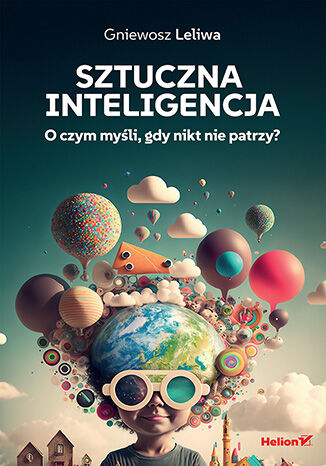
Sztuczna inteligencja. O czym myśli, gdy nikt nie patrzy?
Gniewosz Leliwa
Witaj w nowym, wspaniałym świecie! Świecie AI O sztucznej inteligencji jest ostatnio bardzo głośno, to nośny temat, nierzadko przedstawiany w tonie sensacyjnym. Czy AI nas zniewoli? Czy wymknie się spod kontroli? A może zabierze nam pracę i zmieni nasze życie w bezproduktywny koszmar? Rzeczywistość wygląda zgoła inaczej, niż zdają się sugerować clickbaitowe nagłówki w prasie i mediach społecznościowych. Sztuczna inteligencja jest obecna w naszym życiu od wielu lat, choć często nie zdajemy sobie z tego sprawy. Służy nam pomocą, gdy szukamy czegoś w sieci, kiedy chcemy coś przetłumaczyć, kupić, porównać albo dotrzeć z miejsca A do miejsca B. Odsiewa dla nas spam w poczcie internetowej i chroni nasze urządzenia elektroniczne przed cyberatakami. Oczywiście, ma swoje mroczne strony i tych także powinniśmy być świadomi. Książka "Sztuczna inteligencja. o czym myśli, gdy nikt nie patrzy?" w przystępny i rzetelny sposób wprowadzi Cię w fascynujący świat sztucznej inteligencji. Bez skomplikowanej matematyki, odwołując się jedynie do niezbędnego minimum na poziomie szkoły średniej, autor przybliża zasady działania i uczenia się sztucznych sieci neuronowych, funkcjonowanie dużych modeli językowych i generatywnej AI, jak słynny ChatGPT, a także omawia ich dzisiejsze możliwości i nadchodzące wyzwania. Odwołuje się przy tym do własnej praktyki zawodowej - od wielu lat współtworzy rozwiązania służące proaktywnej ochronie przed cyberprzemocą i wsparciu osób w kryzysie suicydalnym, dokładając tym samym swoją cegiełkę do prac nad rozwojem sztucznej inteligencji. O książce "Sztuczna inteligencja. o czym myśli, gdy nikt nie patrzy?" w mediach Rozmowa z Gniewoszem Leliwą w audycji „Eureka” na antenie Jedynki Polskiego Radia Gniewosz Leliwa gościem w podcaście „Wahanie” u Piotrka Szumowskiego i Abelarda Gizy Rozmowa z Gniewoszem Leliwą w podcaście LIMITY AI na kanale MIT Sloan Management Review Polska Przyszłość Rynku Pracy. Rozmowa z Gniewoszem Leliwą na kanale Damiana Olszewskiego – Praktycznie o pieniądzach Rozmowa z Gniewoszem Leliwą na kanale Bartosza Ziółko – AI trends and achievements
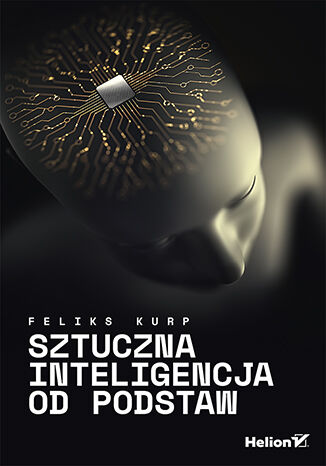
Sztuczna inteligencja od podstaw
Feliks Kurp
Nie ma wątpliwości, że sztuczna inteligencja (AI) zrewolucjonizuje w najbliższych dekadach nasze życie. Wśród największych autorytetów świata nauki panuje przekonanie, że stoimy w obliczu przełomu porównywalnego z wynalezieniem i zastosowaniami elektryczności. Sztuczna inteligencja od podstaw to pozycja, która począwszy od opisu klasycznych metod SI, takich jak algorytm genetyczny, algorytm mrówkowy, systemy ekspertowe czy sztuczne życie, zapoznaje Czytelnika z najbardziej zaawansowanymi modelami opartymi na sztucznych sieciach neuronowych. Autor skrupulatnie objaśnia złożone zagadnienia dotyczące zarówno podstaw teoretycznych, jak i budowy i zastosowań takich systemów, nie unika przy tym odwołania do historii ich rozwoju. Książka stanowi kompendium wiedzy na temat tej niesłychanie szybko rozwijającej się i dynamicznie wkraczającej w nasze życie dziedziny. Została napisana tak, aby była przystępna dla osób posiadających podstawowe umiejętności matematyczne. Może stanowić podręcznik dla studentów takich kierunków jak informatyka, mechatronika, a także automatyka i robotyka. Dzięki książce: poznasz historię rozwoju sztucznej inteligencji zdobędziesz wiedzę na temat aktualnych metod AI, takich jak uczenie maszynowe (ML), głębokie uczenie maszynowe (DL) czy przetwarzanie języka naturalnego (NLP) na podstawie udostępnionych kodów źródłowych kilku autorskich aplikacji nabędziesz umiejętności w zakresie tworzenia i optymalizacji systemów sztucznej inteligencji

Sztuczna inteligencja w instytucjach kultury
Praca zbiorowa
Od 2 lutego 2025 r. instytucje kultury stosujące systemy sztucznej inteligencji (AI) muszą dostosować się do nowych regulacji wynikających z Aktu w sprawie AI (AI Act). Nowe przepisy nakładają obowiązki związane z odpowiedzialnym wykorzystaniem sztucznej inteligencji, eliminacją szkodliwych praktyk oraz szkoleniem personelu. W książce omówione zostały najważniejsze obowiązki instytucji kultury, przepisy prawne i zmiany oraz instrukcje 60 programów dla poszczególnych instytucji.
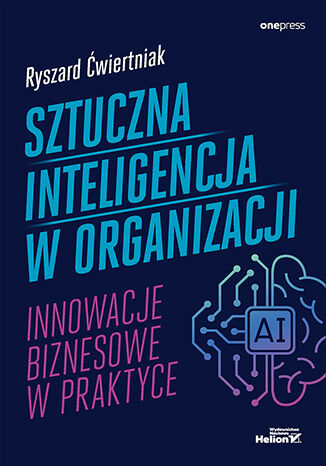
Sztuczna inteligencja w organizacji. Innowacje biznesowe w praktyce
Ryszard Ćwiertniak
Jak skłonić sztuczną inteligencję do pracy na naszą rzecz? Temat sztucznej inteligencji (SI) i jej potencjalnych zastosowań w firmach jest obecnie szeroko dyskutowany. Oparte na niej technologie są coraz bardziej zaawansowane i powszechniej dostępne, a także coraz lepiej dostosowane do potrzeb biznesu. Już dziś okazują się pomocne w pracy rozmaitych działów, od zarządzania łańcuchem dostaw, przez marketing i sprzedaż, po obsługę klienta i rozwój produktów. Odpowiednio, w kompetentny sposób wdrożona sztuczna inteligencja może stanowić motor rozwoju przedsiębiorstwa: wspomagać pracę ludzi, wyręczać ich w realizacji wielu monotonnych zadań i dać przestrzeń do skupienia się na wyzwaniach wymagających większej kreatywności ― obszarach, w których SI też może być niezwykle pomocna. Tajemnica sukcesu modelu współpracy człowiek - maszyna kryje się w sformułowaniu "odpowiednio wdrożona sztuczna inteligencja". Autor książki dzieli się w niej opracowanym przez siebie modelem systemu zarządzania, umożliwiającym ustalenie obszarów sterowania innowacjami procesu biznesowego, a więc rozpoznanie i hierarchizację funkcji oraz określenie sekwencji czynności we wprowadzaniu sztucznej inteligencji do organizacji. Swoją publikację kieruje do osób, które pracują nad projektami procesów biznesowych, do ekspertów doradzających firmom w zakresie zarządzania innowacjami i wprowadzania zmian, a także do studiujących zarządzanie projektami, jakością, innowacjami i projektami. Skorzystają z niej również właściciele firm, którzy chcą wprowadzać nowości w swoich organizacjach i szukają narzędzi do ich skutecznego wdrażania. Książka w mediach: Focus On Business Books4Business - Bookstagram - Recenzja

Sztuka fotografowania. 60 pomysłów na lepsze zdjęcia
David duChemin
Sztuka fotografowania. 60 pomysłów na lepsze zdjęcia Codziennie w naszym otoczeniu natrafiamy na setki zdjęć i najczęściej bardzo szybko o nich zapominamy. Przypadkowo napotykane zdjęcia reklamowe czy prasowe prezentują zupełnie inną jakość niż fotografie artystyczne, które nas poruszają i do których chce się powracać. Najczęściej niosą jasny przekaz, wywołują w nas silne emocje i sprawiają, że nie pozostajemy obojętni. Tworzenie takich fotografii to umiejętność, która wymaga dużych nakładów pracy i pomysłu. Zacznij tę ciekawą podróż już teraz! Książka, którą masz przed sobą, nie jest typowym poradnikiem. Autor odsłania przed Czytelnikiem techniczne aspekty rzemiosła fotografa i zasad kompozycji oraz inspiruje go do własnych poszukiwań, do łamania reguł i eksperymentowania. Niemal każde z ćwiczeń, które proponuje, może stanowić punkt wyjścia do twórczych zmagań i szlifowania swojego indywidualnego stylu. Chwyć za aparat i wyraź siebie! Autor zawarł w tej książce: 60 krótkich lekcji, dzięki którym Twoja technika fotografowania szybko się poprawi, wskazówki dotyczące ustawień aparatu, liczne ćwiczenia do samodzielnego wykonania, informacje dotyczące podstawowych koncepcji, a także takich problemów, jak równowaga, wykorzystanie światła, oczekiwanie na właściwy moment, kreowanie nastroju i wiele innych, inspiracje zachęcające do nieszablonowego podejścia do fotografii. Fotografuj i poruszaj tłumy!
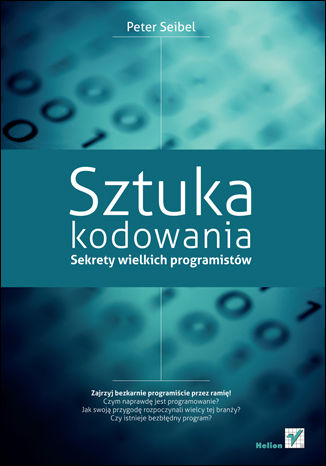
Sztuka kodowania. Sekrety wielkich programistów
Peter Seibel
Zajrzyj bezkarnie programiście przez ramię! Czym naprawdę jest programowanie? Jak swoją przygodę rozpoczynali wielcy tej branży? Czy istnieje bezbłędny program? Programiści to tajemnicze osoby, które potrafią zmusić komputery do wykonywania karkołomnych zadań, wymyślanych przez zwykłych użytkowników. Spędzają cały dzień przed komputerem, a ich świat to monitor, klawiatura i hektolitry kawy. Czy to prawda? Na to pytanie odpowiada książka, którą trzymasz w rękach. Dzięki niej spojrzysz na ten zawód z zupełnie innego punktu widzenia. Jej autor przeprowadza wywiady z najbardziej rozpoznawalnymi osobami z tej branży. Mówią one o swoich pierwszych krokach w świecie programowania, opowiadają, jak nauczyły się swojego pierwszego języka oraz jak widzą tę gałąź wiedzy w przyszłości. Czym naprawdę jest programowanie? Rzemiosłem, sztuką, a może nauką? Te pytania stawia autor we wprowadzeniu i ma nadzieję, że wypowiedzi jego gości choć trochę zbliżą go do znalezienia odpowiedzi. Ta unikalna książka pozwoli Ci poznać bliżej wybitne osoby, od lat związane z informatyką. Anegdoty, ciekawe opowieści, wiele przykładów to tylko niektóre z proponowanych przez nią atrakcji. Zagłębiając się w kolejne wypowiedzi, przekonasz się, jak często przypadek decyduje o sukcesie lub porażce. W trakcie lektury będziesz mieć okazję zapoznać się z wypowiedziami takich sław, jak: Jamie Zawinski — wybitny programista Lisp, pracujący przy pierwszych wersjach przeglądarki Netscape Brad Fitzpatrick — najmłodsza osoba w gronie, programista "od zawsze" Douglas Crockford — starszy architekt JavaScript w Yahoo!; pomysłodawca formatu JSON Brendan Eich — twórca języka JavaScript Joshua Bloch — szef Java Architect w Google; w trakcie pracy w Sun Microsystem był kierownikiem zespołu projektującego i implementującego Java Collections Framework Joe Armstrong — autor języka programowania Erlang Simon Peyton Jones — rozpoczął projekt, którego efektem było powstanie języka Haskell Peter Norvig — dyrektor działu badań w Google, wcześniej pracujący dla NASA Guy Steele — znawca języków; Cobol, Fortran, PDP-10, Java, Haskell to tylko niektóre z jego repertuaru Dan Ingalls — współtwórca języka Smalltalk L. Peter Deutsch — programista od końca lat pięćdziesiątych; zaczynał w wieku jedenastu lat Ken Thompson — współtwórca systemu UNIX Fran Allen — przez czterdzieści pięć lat pracował dla firmy IBM; instruktor języka Fortran Bernie Cosell — współautor oprogramowania wykorzystywanego w pierwszych węzłach sieci ARPANET Donald Knuth — autor jedynego najprawdopodobniej bezbłędnego programu — TeX Poznaj tajemny świat programistów, hakerów i wybitnych specjalistów!
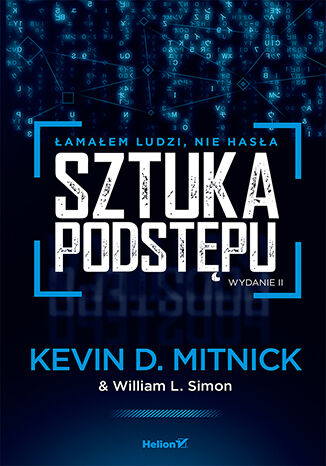
Sztuka podstępu. Łamałem ludzi, nie hasła. Wydanie II
Kevin Mitnick, William L. Simon
Łącząc techniczną biegłość ze starą jak świat sztuką oszustwa, Kevin Mitnick staje się programistą nieobliczalnym. New York Times, 7 kwietnia 1994 Już jako nastolatek swoimi umiejętnościami zastraszył całą Amerykę. Z czasem stał się najsłynniejszym hakerem świata i wrogiem publicznym numer jeden - okrzyknięty przez media groźnym cyberprzestępcą, gorliwie ścigany przez FBI, w końcu podstępem namierzony, osaczony i spektakularnie ujęty... Uzbrojony w klawiaturę został uznany za groźnego dla społeczeństwa - wyrokiem sądu na wiele lat pozbawiono go dostępu do komputera, internetu i telefonów komórkowych. Życiorys Kevina Mitnicka jest jak scenariusz dobrego filmu sensacyjnego! Nic zatem dziwnego, że doczekał się swojej hollywoodzkiej wersji. Genialny informatyk czy mistrz manipulacji? Jak naprawdę działał człowiek, wokół wyczynów i metod którego narosło tak wiele legend? Jakim sposobem udało mu się włamać do systemów takich firm, jak Nokia, Fujitsu, Novell czy Sun Microsystems?! Zakup najdroższych technologii zabezpieczeń, karty biometryczne, intensywne szkolenia personelu, restrykcyjna polityka informacyjna czy wreszcie wynajęcie agencji ochrony - Kevin Mitnick udowodnił, że w świecie sieci i systemów poczucie bezpieczeństwa jest tylko iluzją. Ludzka naiwność, łatwowierność i ignorancja - oto najsłabsze ogniwa, wiodące do uzyskania poufnych informacji, tajnych kodów i haseł. Mitnick, obecnie najbardziej rozchwytywany ekspert w dziedzinie bezpieczeństwa komputerów, w swej niezwykłej książce przestrzega i pokazuje, jak łatwo można ominąć bariery systemów wartych miliony dolarów. Przedstawiając i analizując metody hakerów oparte na prawdziwych atakach, demonstruje, że tam, gdzie nie można znaleźć luk technicznych, zawsze skuteczne okazują się ludzkie słabości... A Ty? Jesteś w pełni świadomy narzędzi technologicznych i socjotechnicznych, które hakerzy mogą wykorzystać przeciwko Tobie? Opinie czytelników o książce Sztuka podstępu. Łamałem ludzi, nie hasła (źródło: www.helion.pl) Jeśli ktoś ma cokolwiek wspólnego z bezpieczeństwem jakiegokolwiek systemu komputerowego, to NIEprzeczytanie tej książki jest grzechem ciężkim! Tomasz Książka pokazuje, jak ludzki umysł można łatwo oszukać, jak skrótowo myśli, jak szybko wpada w rutynę i tendencyjne wyciąga wnioski. Damian Najsłynniejszy haker świata Kevin Mitnick uczy nas, jak bronić samych siebie i nasze firmy przed atakami socjotechników. Adam Mitnick przedstawia scenariusze ataków hakerskich w postaci wyjątkowo barwnych i wciągających opowieści. Sztukę podstępu czyta się jak doskonały kryminał, kryminał z wyjątkowo cennym morałem. Grzegorz Przekonaj się, że "ściśle tajne" to fikcja. A bezpieczeństwo systemu to tylko Twoje złudzenie... Książka wzbogacona o wstęp do polskiego wydania

Sztuka przywództwa. Rozwijanie umiejętności kierowniczych
Michael Lopp
Przywództwo bywa uznawane za nadzwyczajny, rzadki talent, z którym po prostu trzeba się urodzić. Tymczasem prawda jest prozaiczna: przywództwo to złożona umiejętność, którą można wyłącznie budować - cierpliwie i z rozmysłem. Opiera się na zbiorze praktyk, a cała sztuka w tym, by wybrać odpowiednią w danym momencie. Większość z nich to drobiazgi - jeśli staną się spójnym zestawem nawyków lidera, pozwolą zbudować zaufanie i szacunek w zespole. Nie jest to łatwe, zwłaszcza że zmieniają się i ewoluują nie tylko pojedynczy ludzie, ale także zespoły i ich liderzy. Ta książka jest zbiorem esejów, w których opisano praktyczne umiejętności przywódcze, niezbędne na poszczególnych etapach ścieżki rozwoju lidera. Każda z tych umiejętności może się wydać drobnostką, jednak wraz z innymi staje się niezwykle istotnym elementem procesu budowania wysoce efektywnego zespołu. Znalazło się tu również mnóstwo porad i wskazówek ułatwiających dokonanie trafnego wyboru praktyk, które okażą się najodpowiedniejsze w danej sytuacji. Wśród poruszonych w esejach tematów są takie zagadnienia jak spotkania z podwładnymi, zarządzanie swoim czasem, kierowanie rozwojem własnym i zespołu, postępowanie w trudnych sytuacjach, delegowanie zadań, a nawet... podejście do plotek w organizacji. W książce znajdziesz szereg praktycznych wskazówek dla: kierowników zespołów menedżerów średniego szczebla dyrektorów wykonawczych
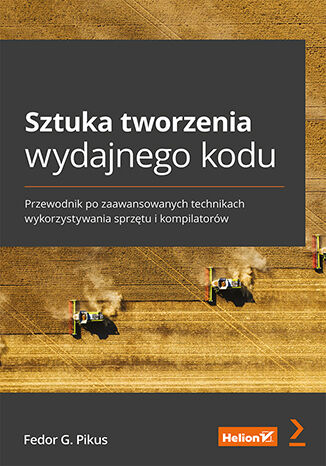
Fedor G. Pikus
Jeszcze kilka lat temu, by zwiększyć szybkość działania programu, wystarczyło wymienić procesor. Dzisiejsze procesory nie są znacząco szybsze od poprzedników. Nowsze architektury zapewniają zaledwie niewielkie przyrosty wydajności istniejących już programów. Nie ma innego wyjścia: jeśli programista chce tworzyć efektywne oprogramowanie, musi wiedzieć, jak odpowiednio używać dostępnych zasobów obliczeniowych. Jest to trudna sztuka, wymagająca ciągłej gotowości do nauki. To książka przeznaczona dla doświadczonych programistów, którzy chcą sprawnie tworzyć efektywny kod. Omówiono w niej, jak korzystać z zasobów procesora i pamięci, unikać zbędnych obliczeń, mierzyć wydajność kodu i prawidłowo stosować współbieżność i wielowątkowość. Zaprezentowano również zagadnienia związane z optymalizacjami przeprowadzanymi przez kompilator, a także metody efektywniejszego korzystania z właściwości języka programowania (C++). Dokładnie wyjaśniono zasady projektowania oprogramowania pod kątem wydajności i aby ułatwić przyswajanie wiedzy, zamieszczono wiele przykładów, które będą przydatne w czasie samodzielnej nauki. Dzięki dogłębnemu zrozumieniu wiedzy ujętej w książce łatwiej będzie podejmować właściwe decyzje podczas projektowania nowego systemu lub modyfikowania już istniejącej architektury. Najciekawsze zagadnienia: korzystanie ze sprzętowych zasobów obliczeniowych uporządkowanie pamięci i należyte zorganizowanie danych wydajność operacji a współbieżny dostęp stosowanie technik programowania bez użycia blokady zwiększanie efektywności optymalizacji za pomocą kompilatora interfejsy API dla współbieżnych struktur danych i struktur o dużej wydajności Dobre decyzje projektowe to klucz do wydajności kodu!

Szybkie projektowanie. Zapanuj nad chaosem zadań i presją czasu
Steve McConnell
Zespoły projektowe borykają się z ciągłym niedostatkiem czasu. Napięte do granic możliwości terminy wymuszają na software developerach narzucenie morderczego tempa pracy. Takie podejście sprawia, że albo dostarczony produkt nie spełnia oczekiwań, albo nie udaje się dotrzymać terminu. Co gorsza, ciągła praca pod presją czasu powoduje chroniczne przemęczenie i problemy zdrowotne, nie wspominając już o braku sił i czasu na rozwój, który w branży IT ma kolosalne znaczenie. Książka ta jest praktycznym, zdroworozsądkowym poradnikiem metod projektowania. Opisane w tej książce strategie pracy pozwolą na usprawnienie procesu projektowego i przyśpieszenie go. Przedstawiono tu również takie zagadnienia, jak zarządzanie ryzykiem, podstawy projektowania aplikacji oraz planowanie cyklu życia projektu. Mimo że nie są bezpośrednio związane z metodami szybkiego projektowania, to jednak mają kluczowe znaczenie dla produktywności zespołu. Naturalnie, nie istnieje jedna magiczna metoda przydatna w każdych warunkach — w tej książce opisano i krytycznie przeanalizowano najprzydatniejsze rozwiązania z różnych branż tworzenia oprogramowania. Najważniejsze zagadnienia przedstawione w książce: strategie szybkiego projektowania i sprawdzone rozwiązania rozwiązania przyśpieszające realizację projektu, takie jak prototypowanie, języki szybkiego projektowania, ale i zasady motywowania zespołu oraz zasady wydajnej współpracy najczęściej popełniane błędy, ich przyczyny i konsekwencje oparte na rzeczywistych wydarzeniach studia przypadków dobieranie właściwych metod do poszczególnych projektów Odzyskaj kontrolę nad swoim projektem i zrealizuj go w terminie! Steve McConnell jest głównym inżynierem oprogramowania i dyrektorem generalnym w spółce Construx Software Builders. Jest także członkiem organizacji IEEE Computer Society oraz ACM. McConnell jest aktywnym programistą, koncentruje się głównie na projektowaniu komercyjnego oprogramowania „celofanowego” (ang. shrink-wrap). Współpracuje z wieloma znanymi firmami, w tym z korporacją Microsoft. Wraz z żoną i z dziećmi mieszka w Bellevue, w stanie Waszyngton.

Ścieżka kariery inżyniera technicznego. Zostań współtwórcą swojego rozwoju i podążaj za zmianą
Tanya Reilly
Jak powinna wyglądać Twoja kariera? Najczęściej awans oznacza przywództwo i ścieżkę menedżera. Oczywiście, nie jest to łatwa droga, ale przynajmniej wiadomo, czego można się na niej spodziewać i dokąd mniej więcej prowadzi. Jednak nie dla każdego inżyniera jest to dobry kierunek. To oczywiste - choćby był mistrzem w swoim fachu, nie musi być dobrym przełożonym. W jaki sposób więc inżynier, który nie chce bezpośrednio zarządzać ludźmi, może kształtować swoją karierę i awansować? Ta książka objaśnia, na czym polega istota ścieżki technicznej - z zaznaczeniem, że umiejętność dostosowania aspiracji konkretnej osoby do potrzeb organizacji jest sztuką, szczególnie w wypadku inżynierów, którzy mają wnieść istotny wkład na wysokim poziomie. Dzięki lekturze zrozumiesz swoją rolę w firmie, rozwiniesz myślenie strategiczne i nauczysz się wyznaczać standardy pracy technicznej. Przekonasz się, że możesz się stać liderem bez bezpośredniego zarządzania, dowiesz się, jak planować z wyprzedzeniem i podejmować właściwe decyzje techniczne, a także jak się rozwijać jako ekspert w swojej dziedzinie. Zrozumiesz znaczenie szerokiej, strategicznej perspektywy, przyswoisz taktyki prowadzenia projektów i określisz, co oznacza pojęcie dobrej inżynierii w Twojej organizacji. Ta książka jest jak brakujący instruktaż odnoszący się do całej mojej kariery. Titus Winters, główny naukowiec w Adobe i współautor książki Inżynieria oprogramowania według Google
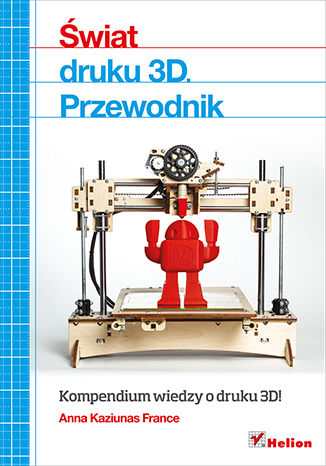
Anna Kaziunas France
Kompendium wiedzy o druku 3D! Jeszcze do niedawna drukarki 3D można było spotkać wyłącznie w… książkach science fiction. Zaledwie parę lat wystarczyło, by urządzenia te stały się ogólnodostępne. Otwierają one przed projektantami ogrom nowych możliwości, a przygotowanie prototypów jeszcze nigdy nie było tak proste i szybkie. Sięgnij po tę książkę i eksploruj świat druku 3D! W trakcie lektury poznasz budowę drukarki 3D i jej elementy składowe. Następnie zaznajomisz się z popularnymi programami pozwalającymi na przygotowanie wydruku. Nawet jeśli dopiero zamierzasz zrobić swój pierwszy projekt 3D, z tym przewodnikiem bez problemu przejdziesz przez cały proces i wydrukujesz prototyp na swojej drukarce lub w firmie świadczącej takie usługi. Dowiesz się także wszystkiego o skanowaniu 3D — połączenie możliwości drukarki 3D i technik skanowania trójwymiarowego pozwala stworzyć niesamowite projekty! Na końcu opanujesz zagadnienia związane z przemysłowym wykorzystaniem drukarek, dostępnymi materiałami oraz perspektywami rozwoju tej dziedziny projektowania. Sięgnij po tę książkę i podąż za technologicznym duchem czasu! Dzięki tej książce: poznasz konstrukcję drukarki 3D przygotujesz swój pierwszy projekt do druku przestrzennego poznasz popularne narzędzia zaznajomisz się z dostępnymi materiałami poznasz perspektywy rozwoju druku 3D Przewodnik po świecie drukarek 3D!
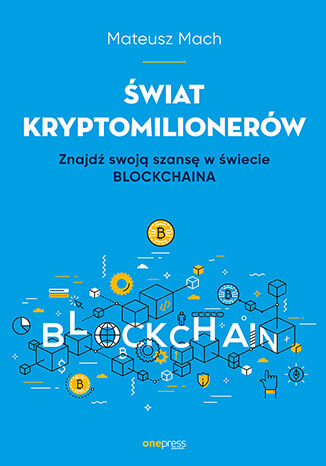
Świat kryptomilionerów. Znajdź swoją szansę w świecie Blockchaina
Mateusz Mach
Poznaj narzędzie do zarabiania (milionów) Blockchain. Klucz do świata kryptowalut. Słowo, które brzmi jak obietnica bogactwa. Tylko... Czym tak naprawdę jest ów Blockchain? Niestety, w większości książek, artykułów, dyskusji w mediach tradycyjnych i Internecie mówi się o nim albo niezrozumiale, albo w mocnych uproszczeniach i z niepotrzebnym bagażem emocji. Albo technicznie, albo ideologicznie. Albo pokłada się w Blockchainie nadzieję na uratowanie społeczeństwa przed pazernymi na kasę bankierami, albo pokazuje się go jako narzędzie do budowania znienawidzonych przez banki centralne kryptowalut. Który obraz ma więcej wspólnego z rzeczywistością? Mateusz Mach związał z Blockchainem swoją działalność biznesową. Na kartach niniejszej publikacji przedstawia czytelnikowi, w jaki sposób ta technologia - na początku stworzona w formie ciekawostki kryptograficznej - wpisuje się w szerszy kontekst społeczny, ekonomiczny i historyczny. Bowiem opowieść o Blockchainie to nie tylko opowieść o matematycznych eksperymentach. To przede wszystkim historia odwiecznej próby zapisania działalności człowieka, a także płynącej z niej wartości. Tym razem ma być to jednak zapis dostępny dla wszystkich, na równych zasadach. Czy także dla Ciebie? Odpowiedzi szukaj w książce.
Świat nowych technologii. Czy sztuczna inteligencja zdominuje życie człowieka?
Jadwiga Stawnicka, Danuta Morańska, Wacław Kubies (red.)
Od wielu lat nasze codzienne funkcjonowanie we współczesnym świecie wspierane jest nowymi technologiami. Najnowsze odkrycia uczonych nie pozostają w laboratoriach naukowych, ale z dnia na dzień stają się częścią naszego codziennego życia. Czy jest ktoś, kto obecnie potrafi wyobrazić sobie funkcjonowanie bez dostępu do sieci, komputera czy smartfona? Jeżeli nawet tak, to osoba ta musi liczyć się z tym, że będzie jej trudniej komunikować się ze znajomymi, podróżować, kształcić się, a nawet znaleźć pracę. Powiedzenie, które mówi: Jeżeli nie ma cię w sieci, to nie istniejesz, pokazuje, jak nowe technologie i sztuczna inteligencja kształtuje nasze codzienne funkcjonowanie – czy się na to godzimy czy nie. Obecnie na rynek pracy wchodzi pokolenie, które w swojej książce Jean Twege określa jako pokolenie Igen. Są to osoby, które urodziły się po roku 1995. Czyli takie, które nie pamiętają czasu, gdy Internet nie istniał, nie było Facebooka, Instagrama czy innych platform komunikacyjnych. To właśnie te osoby dzisiaj mają wpływ na kreowanie „cyberświata”. W związku z tym należy zadać sobie pytanie: czy świat nowych technologii i sztuczna inteligencja zdominuje życie człowieka? W książce autorzy poruszają wiele istotnych kwestii związanych z rozwojem nowych technologii i sztucznej inteligencji. Niewątpliwie ich rozwój będzie się przyczyniał do rozwoju naszego kraju i świata. Należy pamiętać, że rozwój to nie tylko korzyści, ale i zagrożenia. Mamy nadzieję, że książka ta skłoni czytelnika do refleksji i odpowiedzi na pytanie, czy nowe technologie i sztuczna inteligencja zdominują życie człowieka.
Joshua N. Milligan, Tristan Guillevin
Graphical presentation of data enables us to easily understand complex data sets. Tableau 10 Complete Reference provides easy-to-follow recipes with several use cases and real-world business scenarios to get you up and running with Tableau 10.This Learning Path begins with the history of data visualization and its importance in today's businesses. You'll also be introduced to Tableau - how to connect, clean, and analyze data in this visual analytics software. Then, you'll learn how to apply what you've learned by creating some simple calculations in Tableau and using Table Calculations to help drive greater analysis from your data. Next, you'll explore different advanced chart types in Tableau. These chart types require you to have some understanding of the Tableau interface and understand basic calculations. You’ll study in detail all dashboard techniques and best practices. A number of recipes specifically for geospatial visualization, analytics, and data preparation are also covered. Last but not least, you'll learn about the power of storytelling through the creation of interactive dashboards in Tableau. Through this Learning Path, you will gain confidence and competence to analyze and communicate data and insights more efficiently and effectively by creating compelling interactive charts, dashboards, and stories in Tableau.This Learning Path includes content from the following Packt products:• Learning Tableau 10 - Second Edition by Joshua N. Milligan• Getting Started with Tableau 2018.x by Tristan Guillevin

Tableau 2019.x Cookbook. Over 115 recipes to build end-to-end analytical solutions using Tableau
Dmitry Anoshin, Teodora Matic, Slaven Bogdanovic, Tania...
Tableau has been one of the most popular business intelligence solutions in recent times, thanks to its powerful and interactive data visualization capabilities. Tableau 2019.x Cookbook is full of useful recipes from industry experts, who will help you master Tableau skills and learn each aspect of Tableau's ecosystem.This book is enriched with features such as Tableau extracts, Tableau advanced calculations, geospatial analysis, and building dashboards. It will guide you with exciting data manipulation, storytelling, advanced filtering, expert visualization, and forecasting techniques using real-world examples. From basic functionalities of Tableau to complex deployment on Linux, you will cover it all. Moreover, you will learn advanced features of Tableau using R, Python, and various APIs. You will learn how to prepare data for analysis using the latest Tableau Prep. In the concluding chapters, you will learn how Tableau fits the modern world of analytics and works with modern data platforms such as Snowflake and Redshift. In addition, you will learn about the best practices of integrating Tableau with ETL using Matillion ETL.By the end of the book, you will be ready to tackle business intelligence challenges using Tableau's features.