
Informatyka
Zajrzyj do kategorii Informatyka w księgarni internetowej Ebookpoint. Znajdziesz tutaj bestsellerowe książki, ebooki i kursy video z branży IT. Sięgnij po najlepszą literaturę dla specjalistów i rozwijaj doświadczenie, które już posiadasz, lub rozpocznij swoją przygodę z programowaniem, cyberbezpieczeństwem lub grafiką komputerową. Pogłębiaj swoją wiedzę tak, jak Ci wygodnie - z tradycyjną książką, wygodnym ebookiem lub nowoczesnym videokursem. Sprawdź, jakie tytuły znajdziesz w kategorii Informatyka!
Jon Skeet
Poznaj najskrytsze zakamarki C#! Obecnie szczególnie cenione są te języki programowania, które pozwalają na błyskawiczne osiągnięcie oczekiwanych efektów. Dodatkowo absolutnie niezbędne jest zachowanie możliwości uruchamiania raz napisanej aplikacji na różnych platformach bez konieczności jej przepisywania. Nikt nie ma na to czasu! C# to nowoczesny język, który zdobył uznanie programistów na całym świecie, ponieważ spełnia nawet najbardziej wyśrubowane wymagania! Ten bezcenny podręcznik zaprowadzi Cię w najskrytsze zakątki języka C#. Autorzy założyli, że znasz jego podstawy - to pozwoliło im skupić uwagę na niuansach, ciekawostkach oraz subtelnych szczegółach. W trakcie lektury zrozumiesz, co się dzieje w czeluściach C#, a dzięki temu unikniesz ukrytych pułapek. Książka ta jest obowiązkową pozycją każdego programisty C#. Bez niej najciekawsze funkcje C# wciąż będą Ci obce! Dowiedz się: do czego przydają się typy generyczne jak zaimplementować iteratory jak zoptymalizować skompilowany kod w czym może pomóc język LINQ jak testować kod Fascynująca podróż w głąb C#!
C#. Praktyczny kurs. Wydanie II
Marcin Lis
Dołącz do grona profesjonalnych programistów C#! Poznaj podstawy języka C# i zasady korzystania z platformy .NET Dowiedz się, jak używać popularnych środowisk programistycznych Naucz się tworzyć aplikacje różnego typu w języku C# C# to nowoczesny, w pełni obiektowy następca języków C i C++, łączący w sobie ich legendarną wydajność z mechanizmami, które doskonale sprawdziły się w środowiskach Javy i Delphi. Opracowany przez firmę Microsoft jako podstawowe narzędzie programistyczne dla platformy .NET, język C# zdobywa coraz większą popularność również za sprawą poziomu bezpieczeństwa, możliwości przenoszenia kodu oraz dostępu do wielu przydatnych narzędzi, które znacznie ułatwiają tworzenie różnego rodzaju programów, w tym aplikacji WWW, sieciowych, bazodanowych i graficznych. Niezależnie od tego, czy dopiero zaczynasz swoją przygodę z programowaniem, czy też masz już pewne doświadczenie w korzystaniu z innych języków, książka "C#. Praktyczny kurs. Wydanie II " będzie dla Ciebie doskonałym wprowadzeniem w arkana praktycznego stosowania języka C#. Dzięki niej poznasz wszystkie niezbędne informacje teoretyczne i szybko zaczniesz pisać swoje pierwsze programy. Dowiesz się nie tylko jak używać podstawowych konstrukcji języka, lecz również jak korzystać z zaawansowanych mechanizmów obiektowych, obsługiwać wyjątki i przeprowadzać operacje wejścia-wyjścia, a nawet tworzyć interfejsy graficzne aplikacji. Podstawowe informacje na temat języka C# i platformy .NET Przegląd i instalacja narzędzi przydatnych programiście C# Struktura programu w C#, proste typy danych i ich zastosowanie Podstawowe konstrukcje języka i operacje na zmiennych Instrukcje sterujące i korzystanie z tablic Podstawy programowania obiektowego Elementy składowe klas i ich używanie Dziedziczenie i polimorfizm Interfejsy, klasy zagnieżdżone i typy uogólnione Obsługa wyjątków standardowych i definiowanie własnych Operacje na strumieniach danych, plikach i katalogach Korzystanie z komponentów graficznych i obsługa zdarzeń Poznaj nowoczesny język programowania! Poznaj C#!
Desislav Andreev, Stanimir Lukanov
Around 35 million Linux and almost 2 billion Android users rely on C++ for everything from the simplest embedded and IoT devices to cloud services, supercomputing, and space exploration. To help you produce high-quality software, two industry experts have transformed their knowledge and experience into practical examples in system programming with C++ Programming for Linux Systems.In this book, you'll explore the latest C++20 features, while working on multiple specific use cases. You’ll get familiar with the coroutines and modern approaches in concurrent and multithreaded programming. You'll also learn to reshape your thinking when analyzing system behavior in Linux (POSIX) environments. Additionally, you'll discover advanced discussions and novel solutions for complex challenges, while approaching trivial system operations with a new outlook and learning to choose the best design for your particular case.You can use this workbook as an introduction to system programming and software design in Linux or any Unix-based environment. You’ll also find it useful as a guideline or a supplement to any C++ book.By the end of this book, you’ll have gained advanced knowledge and skills for working with Linux or any Unix-based environment.
C Programming Pocket Primer. An Essential Guide to C Programming Basics
Mercury Learning and Information, Oswald Campesato
As part of the Pocket Primer series, this book provides an overview of major concepts in C programming. It covers essential techniques, including up-to-date information on the C11 standard and comprehensive chapters on pointers. Companion files with source code and figures from the book are included.The course begins with an introduction to C, moving through conditional logic, loops, and arrays. It then delves into functions and provides detailed coverage of pointers, essential for mastering C programming. Miscellaneous topics are also addressed to ensure a well-rounded understanding.Understanding these concepts is crucial for developing efficient C programs. This book transitions readers from beginners to proficient C programmers, combining theoretical knowledge with practical skills. Companion files enhance the learning experience, making this book an invaluable resource for mastering C programming.
Ian Griffiths, Matthew Adams, Jesse Liberty
Najlepszy podręcznik poświęcony C#! W dzisiejszych czasach szczególną popularnością cieszą się języki programowania pozwalające na pisanie kodu łatwego do przenoszenia między platformami, ponieważ nikt nie ma czasu na pisanie kilku wersji jednej aplikacji. C# to uniwersalny język, który bez trudu spełnia ten wymóg. Dzięki swej elastyczności, wydajności oraz mocnemu wsparciu społeczności zdobył on uznanie programistów. Jego wybór to strzał w dziesiątkę! Ten bestsellerowy podręcznik pozwoli Ci błyskawicznie poznać wszystkie niuanse języka C# 4.0. Najnowsze wydanie zostało zaktualizowane o nowości w C# oraz zawiera opis tego języka i platformy .NET. W trakcie lektury nauczysz się tworzyć skomplikowane programy przy użyciu technik programowania obiektowego i funkcjonalnego. Ponadto sprawdzisz, jaki potencjał kryje język zapytań LINQ oraz jak przesyłać komunikaty za pomocą Windows Communication Foundation (WCF). Dodatkowo poznasz możliwości C# w zakresie tworzenia aplikacji internetowych w technologii Silverlight. Nauka C# jeszcze nigdy nie była tak przyjemna! Pisz złożone programy z użyciem technik programowania obiektowego oraz funkcjonalnego Przetwarzaj duże kolekcje danych dzięki wbudowanym w język zapytaniom LINQ Komunikuj się przez sieć za pomocą Windows Communication Foundation (WCF) Poznaj zalety technik programowania dynamicznego, dostępnych w C# 4.0 Twórz interaktywne aplikacje Windows z Windows Presentation Foundation (WPF) Twórz bogate aplikacje internetowe z wykorzystaniem możliwości Silverlight oraz ASP.NET Wykorzystaj potencjał języka C#!
Praseed Pai, Peter Abraham
Reactive programming is an effective way to build highly responsive applications with an easy-to-maintain code base. This book covers the essential functional reactive concepts that will help you build highly concurrent, event-driven, and asynchronous applications in a simpler and less error-prone way.C++ Reactive Programming begins with a discussion on how event processing was undertaken by different programming systems earlier. After a brisk introduction to modern C++ (C++17), you’ll be taken through language-level concurrency and the lock-free programming model to set the stage for our foray into the Functional Programming model. Following this, you’ll be introduced to RxCpp and its programming model. You’ll be able to gain deep insights into the RxCpp library, which facilitates reactive programming. You’ll learn how to deal with reactive programming using Qt/C++ (for the desktop) and C++ microservices for the Web.By the end of the book, you will be well versed with advanced reactive programming concepts in modern C++ (C++17).
Andrew Stellman, Jennifer Greene
Rozpocznij przygodę z C# i platformą .NET! Jak tworzyć kod dla różnych platform? Jak przygotować środowisko pracy? Jak operować na dużych zbiorach danych z użyciem LINQ? C# to jeden z języków, dzięki którym możesz pisać przenośny kod. Nie musisz się martwić o to, jakiego systemu używa Twój klient. Najważniejsze, żeby posiadał środowisko uruchomieniowe: .NET Framework, Mono lub DotGNU. Czyż nie zawsze marzyłeś o tym żeby napisać kod raz, a potem beż żadnych dodatkowych nakładów uruchamiać go na różnych platformach? Twoje marzenia właśnie się spełniają! Dzięki tej książce, należącej do cenionej serii "Rusz głową", opanujesz język C# w mgnieniu oka! Tylko kilkaset stron dzieli Cię od swobodnego poruszania się w kodzie napisanym w tym języku. Każda z tych stron charakteryzuje się odpowiednią dawką humoru, doskonałą przejrzystością oraz perfekcyjnie przekazaną wiedzą. Czego się nauczysz? Przede wszystkim dowiesz się, jak stworzyć działający program w 10 minut. Następnie poznasz elementy programowania obiektowego – takie pojęcia jak hermetyzacja czy dziedziczenie nie będą Ci obce! Kolejne strony przynoszą szeroki zakres wiedzy dotyczący operacji na plikach, obsługi wyjątków oraz tworzenia interfejsu użytkownika. Wreszcie poznasz język LINQ służący do efektywnego operowania na zbiorach danych. "C#. Rusz głową!" to idealna propozycja dla wszystkich czytelników chcących rozpocząć przygodę z językiem C# oraz platformą .NET. Przygotowanie środowiska pracy, zapoznanie z Visual Studio Wsparcie Visual Studio dla programisty Anatomia programu Praca z debuggerem Pętle, instrukcje warunkowe Elementy programowania obiektowego Typy zmiennych Referencje Tablice Hermetyzacja obiektów Implementacja interfejsów Typy wyliczeniowe Operowanie strumieniami danych Obsługa wyjątków Wykorzystanie języka LINQ do operacji na bazach danych i dużych zbiorach informacji Tworzenie interfejsu użytkownika Zobacz, jakie możliwości kryje język C#. To nie jest trudne!
David Griffiths, Dawn Griffiths
W obecnych czasach triumfy święcą platforma .NET, Java oraz HTML5 i JavaScript. Mogłoby się wydawać, że język C i inne podobne języki odeszły w niepamięć. Nic bardziej mylnego! W dalszym ciągu są one niezastąpione w wielu dziedzinach. Znajdują zastosowanie wszędzie tam, gdzie wymagana jest pełna kontrola nad sprzętem oraz gwarancja czasu wykonania powierzonych zadań. Dlatego specjaliści znający ten język wciąż są poszukiwani na rynku pracy. Dzięki tej książce możesz dołączyć do ich grona! Kolejne wydanie z serii "Rusz głową" to gwarancja sukcesu. Zastosowanie nowatorskich technik nauki pozwala na błyskawiczne przyswojenie wiedzy. W trakcie lektury poznasz składnię języka C, dostępne typy zmiennych, sposoby zarządzania pamięcią oraz zasady tworzenia przejrzystego kodu. Ponadto nauczysz się biegle obsługiwać kompilator, korzystać z plików nagłówkowych oraz przesyłać komunikaty między procesami. Dzięki licznym ćwiczeniom bez problemu utrwalisz zdobytą wiedzę. Książka ta jest wprost genialną pozycją dla wszystkich osób chcących wkroczyć w świat języka C. Przyda się również studentom na zajęciach z programowania. Warto ją mieć! Zainwestuj czas w naukę C i poznaj: składnię języka sposoby zarządzania pamięcią metody komunikacji z siecią możliwości kompilatora Poznaj język C - ta wiedza zaprocentuje!
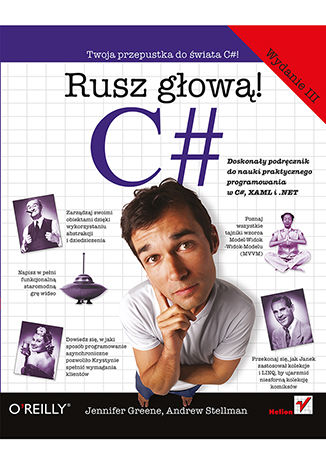
Jennifer Greene, Andrew Stellman
C# to odpowiedź firmy Microsoft na odnoszący sukcesy język Java. Za pomocą C# możesz pisać przenośny kod, który Twoi klienci uruchomią w dowolnym systemie. Jest tylko jeden warunek — muszą mieć dostęp do środowiska uruchomieniowego: .NET Framework, Mono lub DotGNU. Innymi słowy, C# spełnił marzenia programistów — raz stworzony kod można uruchomić bez dodatkowych nakładów na różnych platformach. Najnowsze wydanie tej książki, należącej do cenionej serii „Rusz głową”, zostało zaktualizowane, poprawione oraz rozszerzone o dodatkowy projekt na platformę Windows Phone. Gdy pochłoniesz te kilkaset stron, zaczniesz swobodnie korzystać z języka C#, jego konstrukcji i możliwości. Książka charakteryzuje się doskonałą przejrzystością oraz przystępnie przedstawioną wiedzą. Znajdziesz tu elementy programowania obiektowego, operacje na plikach, obsługę wyjątków oraz pracę z wieloma wątkami — to tylko niektóre z poruszanych zagadnień. Ponadto przekonasz się, jak sprawnie stworzyć atrakcyjny interfejs użytkownika, oraz zrozumiesz, do czego służy język LINQ. Jest to wyśmienita pozycja dla wszystkich czytelników chcących rozpocząć przygodę z językiem C# oraz platformą .NET. Dzięki tej książce: przygotujesz swoje środowisko pracy poznasz składnię oraz konstrukcje języka C# zaznajomisz się z elementami programowania obiektowego wykorzystasz możliwości języka LINQ stworzysz projekt dla Windows Phone wykorzystasz potencjał platformy .NET Poznaj możliwości języka C#!
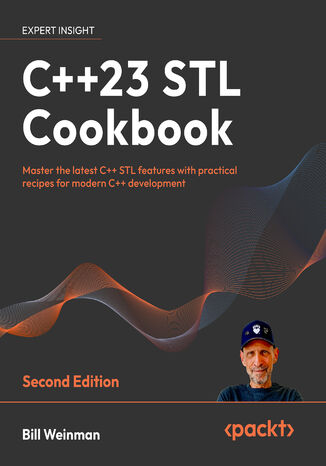
Bill Weinman
C++ STL Cookbook is a comprehensive guide that provides practical solutions for mastering the latest features of the C++23 Standard Template Library (STL) through hands-on recipes. Beginning with new features in C++23, this book will help you understand the language's updated mechanics and library features, and offer insights into how they work. Unlike other books, this cookbook takes an implementation-specific, problem-solution approach that will help you overcome hurdles quickly. You'll learn core STL concepts, such as containers, algorithms, utility classes, lambda expressions, iterators, and more, through specific real-world recipes. Building on the success of the first edition, this updated guide includes a new chapter dedicated to the latest features introduced in C++23, such as improved modules, refined ranges, and coroutine-based generators. It also covers essential best practices for writing cleaner and more efficient code, including the use of coroutines, structured bindings, and std::span. Whether you're looking to deepen your understanding of the C++ STL or implement the latest features in your projects, this book provides valuable insights, clear and concise explanations and practical solutions to enhance your C++ programming skills.
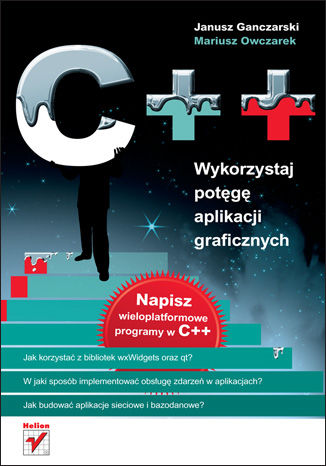
C++. Wykorzystaj potęgę aplikacji graficznych
Janusz Ganczarski, Mariusz Owczarek
Napisz wieloplatformowe programy w C++ Jak korzystać z bibliotek wxWidgets oraz Qt? W jaki sposób implementować obsługę zdarzeń w aplikacjach? Jak budować aplikacje sieciowe i bazodanowe? Okres dominacji jednego systemu operacyjnego i przeznaczonych dla niego rozwiązań powoli odchodzi do historii. Fenomen popularności różnych dystrybucji Linuksa i coraz mocniejsza pozycja komputerów Mac sprawiają, że wiele firm produkujących oprogramowanie decyduje się na tworzenie rozwiązań wieloplatformowych. W przypadku ogromnych korporacji stworzenie zespołów programistycznych pracujących równolegle nad kilkoma wersjami jednej aplikacji dla różnych systemów operacyjnych nie stanowi problemu, ale w mniejszych firmach jest to niemożliwe. Tu z pomocą przychodzą biblioteki pozwalające na tworzenie kodu źródłowego prawidłowo kompilującego się na każdej platformie, na której je zainstalowano. Książka "C++. Wykorzystaj potęgę aplikacji graficznych" opisuje tworzenie oprogramowania z wykorzystaniem dwóch takich właśnie bibliotek - wxWidgets oraz Qt. Czytając ją, dowiesz się, jak wykorzystać język C++ i środowisko Dev-C++ do pisania programów, z których korzystać będą mogli użytkownicy systemu Windows, Linuksa i Mac OS. Nauczysz się stosować kontrolki i komponenty, budować menu i interfejsy użytkownika, obsługiwać zdarzenia i implementować operacje graficzne. Przeczytasz także o aplikacjach bazodanowych i sieciowych. Każde z zagadnień omówiono zarówno w kontekście biblioteki wxWidgets, jak i biblioteki Qt, dzięki czemu poznasz dwie metody rozwiązywania tych samych zadań programistycznych - by wybrać sobie tę, która bardziej Ci odpowiada. Instalacja środowiska programistycznego i bibliotek Struktura aplikacji i podstawowe komponenty Stosowanie komponentów Obsługa zdarzeń myszy i klawiatury Budowanie menu aplikacji Komunikacja sieciowa Operacje graficzne Połączenia z bazami danych Drukowanie z poziomu aplikacji Dzięki tej książce stworzysz aplikacje, które docenią użytkownicy wszystkich systemów operacyjnych.
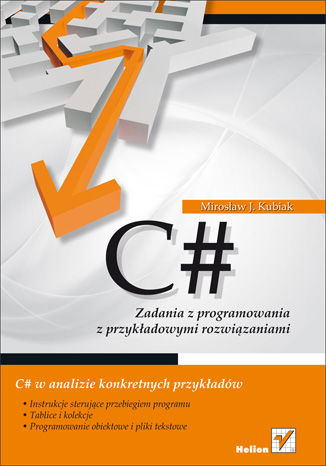
C#. Zadania z programowania z przykładowymi rozwiązaniami
Mirosław J. Kubiak
C# w analizie konkretnych przykładów Instrukcje sterujące przebiegiem programu Tablice i kolekcje Programowanie obiektowe i pliki tekstowe C#, obecny na rynku od ponad dziesięciu lat, należy do tych języków programowania, bez których trudno się obejść — również dlatego, że jest jedynym językiem zaprojektowanym specjalnie dla platformy .NET i środowiska uruchomieniowego CLR. Dobry programista, student lub nauczyciel informatyki, a także każdy człowiek zainteresowany programowaniem powinien znać podstawy tego języka i umieć rozwiązywać konkretne zadania. Podobnie zresztą powinien opanować najważniejsze zagadnienia dotyczące programowania w językach Java, C++ i Turbo Pascal oraz umieć stosować je w praktyce. Ten rewelacyjny zbiór zadań pozwala szybko i przy minimalnym wysiłku opanować umiejętności programistyczne w obiektowym języku C# poprzez analizę typowych rozwiązań stosowanych w działających programach. Książka "C#. Zadania z programowania z przykładowymi rozwiązaniami" na konkretnych przykładach pokaże Ci, jak program napisany w języku C# komunikuje się z użytkownikiem poprzez operacje wejścia-wyjścia. Dowiesz się, jakie operatory będą Ci potrzebne i do czego można ich używać. Poznasz instrukcje sterujące przebiegiem programu (iteracyjne oraz wyboru). Zrozumiesz, jakie funkcje pełnią tablice jednowymiarowe i dwuwymiarowe oraz kolekcje. Następnie nauczysz się wykorzystywać obiektowe właściwości języka C# oraz zapisywać odpowiednie informacje w plikach tekstowych — a wszystko to zajmie Ci zaledwie chwilę. Rozwiązanie zamieszczonych tu zadań to droga na skróty do pełnego zrozumienia i zastosowania zalet języka C#. Komunikacja języka C# z użytkownikiem Instrukcje wyboru Instrukcje iteracyjne Tablice i kolekcje Programowanie obiektowe Pliki tekstowe Na skróty do celu!
C++. Zadania z programowania z przykładowymi rozwiązaniami
Mirosław J. Kubiak
C++ w analizie konkretnych przykładów Proste operacje wejścia/wyjścia Tablice, iteracje oraz podprogramy Programowanie obiektowe i pliki tekstowe Odrobinę zapomniany już język C++ wciąż ma ogromną wartość; w wielu miejscach i zastosowaniach nadal sprawdza się znakomicie. Dobry programista, student lub nauczyciel informatyki, a także każdy człowiek zainteresowany programowaniem powinien znać podstawy tego języka i umieć rozwiązywać konkretne zadania. Podobnie zresztą powinien opanować najważniejsze zagadnienia dotyczące programowania w językach Java i Turbo Pascal - i stosować je w praktyce. Trzyczęściowy zbiór, w którym zamieszczono te same lub bardzo zbliżone zadania wraz z rozwiązaniami w każdym z wyżej wymienionych języków, pozwala sprawdzić i uzupełnić wiedzę poprzez analizę podanego kodu we wszystkich tych językach. Książka "C++. Zadania z programowania z przykładowymi rozwiązaniami" to jedna z trzech części zbioru zadań programistycznych, zawierająca zadania w języku C++. Znajdziesz tu ćwiczenia w zakresie komunikowania się komputera z użytkownikiem (standardowe operacje wejścia/wyjścia), wykorzystania instrukcji warunkowych oraz iteracji, używania tablic jedno i dwuwymiarowych. Kolejne zadania dotyczyć będą podprogramów, programowania obiektowego oraz zastosowania plików tekstowych. Taki układ książki ułatwi Ci przyswojenie sobie najważniejszych zagadnień z języka C++ w najlepszy możliwy sposób - na prostych, konkretnych przykładach. Operacje wejścia/wyjścia Instrukcje warunkowe Iteracje Tablice jedno- i dwuwymiarowe Podprogramy Programowanie obiektowe Pliki tekstowe Praktycznie opanuj podstawy języka C++. Zajrzyj także do: Zbiór zadań adresowany jest do maturzystów, studentów, nauczycieli informatyki oraz osób zainteresowanych programowaniem lub rozpoczynających naukę programowania w języku C++. Uczniowie techników informatycznych mogą zbiory zadań wykorzystać do szybkiej powtórki przed egzaminem zawodowym. W trakcie pisania tej książki Autor korzystał z tzw. aplikacji konsolowych (ang. console application) i kompilatora firmy Borland (C++).
C++11. Nowy standard. Ćwiczenia
Andrzej Stasiewicz
Dowiedz się, co nowego w języku C++ Poznaj znaczenie najważniejszych rozszerzeń Naucz się wykorzystywać je w praktyce Wypróbuj nowe możliwości C++! C++ to jeden z najpopularniejszych języków programowania. Nie dzieje się tak bez powodu — jego duże możliwości, logiczna struktura oraz zwięzłość i przejrzystość kodu zdobywają serca zarówno amatorów, traktujących programowanie hobbystycznie, jak i profesjonalistów, tworzących zaawansowane aplikacje dla wielkich korporacji. C++ to język żywy i jako taki stale się rozwija. Dowodem tego są kolejne aktualizacje standardu, w tym ostatnia, wprowadzona zaledwie kilka miesięcy temu. Choć w C++11 brak zmian o charakterze rewolucyjnym, proponowane ulepszenia mogą znacznie ułatwić codzienną pracę programistów. Niestety wielu z nas w ogóle z nich nie korzysta, ponieważ nie znamy potencjalnych korzyści, a często nawet nie mamy pojęcia o istnieniu niektórych nowości. Czas to zmienić. Czas sięgnąć po książkę "C++11. Nowy standard. Ćwiczenia". W prosty sposób prezentuje ona najciekawsze i najbardziej przydatne możliwości z najnowszego standardu języka. Autor przedstawia niezbędne narzędzia programistyczne oraz sposoby ich używania, opisuje nowe słowa kluczowe i sytuacje, w których należy je stosować, wyjaśnia zmiany wprowadzone w systemie typów języka oraz podaje nowe metody inicjalizacji tablic i klas. W książce została też poruszona tematyka krotek, bezpiecznych wskaźników, nowych rodzajów konstruktorów, dodatkowych opcji związanych z szablonami oraz funkcji i wyrażeń lambda. Wszystko to jest poparte krótkimi ćwiczeniami, dzięki którym utrwalisz wiedzę w praktyce. Narzędzia do tworzenia i kompilowania programów Nowe słowa kluczowe i ich znaczenie Nowe metody inicjalizacji tablic i klas Tworzenie i przetwarzanie rekordów Używanie bezpiecznych wskaźników Korzystanie z nowych wzorców funkcji i typów Możliwości związane z funkcjami i wyrażeniami lambda Opanuj nowości w standardzie C++11. Praktycznie!
Jacek Galowicz
C++ has come a long way and is in use in every area of the industry. Fast, efficient, and flexible, it is used to solve many problems. The upcoming version of C++ will see programmers change the way they code. If you want to grasp the practical usefulness of the C++17 STL in order to write smarter, fully portable code, then this book is for you.Beginning with new language features, this book will help you understand the language’s mechanics and library features, and offers insight into how they work. Unlike other books, ours takes an implementation-specific, problem-solution approach that will help you quickly overcome hurdles. You will learn the core STL concepts, such as containers, algorithms, utility classes, lambda expressions, iterators, and more, while working on practical real-world recipes. These recipes will help you get the most from the STL and show you how to program in a better way. By the end of the book, you will be up to date with the latest C++17 features and save time and effort while solving tasks elegantly using the STL.
Cacti 0.8 Beginner's Guide. Learn Cacti and design a robust Network Operations Center
Thomas Urban
Cacti is a performance measurement tool that provides easy methods and functions for gathering and graphing system data. You can use Cacti to develop a robust event management system that can alert on just about anything you would like it to. But to do that, you need to gain a solid understanding of the basics of Cacti, its plugin architecture, and automation concepts.Cacti 0.8 Beginner's Guide will introduce you to the wide variety of features of Cacti and will guide you on how to use them for maximum effectiveness. Advanced topics like the plugin architecture and Cacti automation using the command-line interface will help you build a professional performance measurement system.Designed as a beginner's guide, the book starts off with the basics of installing and using Cacti, and also covers the advanced topics that will show you how to customize and extend the core Cacti functionalities. The book offers essential tutorials for creating advanced graphs and using plugins to create enterprise-class reports to show your customers and colleagues.From data templates to input methods and plugin installation to creating your own customized plugins, this book provides you with a rich selection of step-by-step instructions to reach your goals. It covers all you need to know to implement professional performance measurement techniques with Cacti and ways to fully customize Cacti to fit your needs.By the end of the book, you will be able to implement and extend Cacti to monitor, display, and report the performance of your network exactly the way you want.