
Informatyka
Everyday data structures. A practical guide to learning data structures simply and easily
William Smith
Explore a new world of data structures and their applications easily with this data structures book. Written by software expert William Smith, you?ll learn how to master basic and advanced data structure concepts. ? Fully understand data structures using Java, C and other common languages ? Work through practical examples and learn real-world applications ? Get to grips with data structure problem solving using case studies

Everyone Is a Programmer. A battle-tested guide to building real apps with AI coding
Zhang Bin, Wu Zhenyao
This book is written by practitioners shaping AI coding tools and developer ecosystems in one of the world’s most application-driven tech environments.Vibe coding is a modern, AI-driven way of building software where you focus on what you want to create, and AI helps handle how it’s built. But it is not a shortcut or a gimmick. Effective vibe coding requires understanding how products are structured, how systems fit together, and how ideas turn into real, usable applications.This book introduces you to just that, helping you find your way to your first AI-coded apps.In six chapters, you’ll learn to ideate, plan, and execute your app ideas. You’ll hit the ground running with professional-grade tools like TRAE SOLO, Cursor, Figma, Vercel, and Supabase. The book’s coverage of end-to-end AI application development includes UI/UX, backend, hosting, authentication, and payment integration.By the end, you will have built two full projects and be equipped with a new way to create. What you build next is up to you.

E-wangeliści. Ucz się od najlepszych twórców polskiego internetu
Tomasz Cisek, Paweł Nowacki
Na początku było słowo… słowo INTERNET Genesis Za rok zerowy Internetu można uznać rok 1989 naszej ery. W owym czasie, w marcu, Tim Berners-Lee oraz Robert Cailliau złożyli do CERN-u projekt stworzenia sieci dokumentów hipertekstowych, o nazwie World Wide Web. Sieć miała ułatwić pracę w CERN-ie. W grudniu 1990 roku ten sam Tim Berners-Lee stworzył podstawy języka HTML i pierwszą stronę internetową. Dwa lata później powstała pionierska graficzna przeglądarka WWW o nazwie Mosaic. Polska dołączyła do krajów zainteresowanych internetem oficjalnie w 1991 roku, zaś już rok później dostęp do niego uzyskała pierwsza rodzima firma. Potem, niczym biblijne ewangelie, objawiać zaczęły się kolejne polskie portale, serwisy komunikacyjne i aukcyjne oraz sklepy internetowe, bez których nie wyobrażamy sobie krajobrazu internetu Anno Domini 2012. Świadectwo Gadu-Gadu, Merlin.pl, Allegro.pl, Wirtualna Polska, Onet.pl, Money.pl — te nazwy weszły już do naszego kodu kulturowego, a reprezentowane przez nie marki codziennie towarzyszą nam w pracy i czasie wolnym. Jak powstawały? Skąd pomysł? Kto je stworzył? Z jakimi trudnościami stykali się krajowi pionierzy internetu? Kim są ewangeliści e-biznesu, którzy w niego wierzą od ponad dwudziestu lat, a wiarę tę przekuli w czyn i pieniądze? Ta książka jest zbiorem piętnastu wywiadów przeprowadzonych ze świadkami powstawania i rozkwitu nowych mediów w naszym kraju. Seria z AK74 #1 - Tomasz Cisek w wywiadzie Artura Kurasińskiego Seria z AK74 #2 - Tomasz Cisek w wywiadzie Artura Kurasińskiego Poznasz między innymi: Arkadiusza Osiaka, ojca portalu Money.pl Arjana Bakkera, który założył Allegro.pl Łukasza Wejcherta, prezesa Onet.pl Piotrka Ejdysa, współtwórcę Gemius SA (badania rodzimego rynku internetowego) Zajrzyj na stronę E-wangelistów » To bardzo ważna i pożyteczna książka. Zebrany w niej unikalny materiał stanowi nie tylko źródło historycznej wiedzy na temat tego, jak się rodził polski internet, ale dla wielu może stać się życiową i biznesową inspiracją. E-wangelistów polecam nie tylko adeptom sztuki wirtualnej, ale również szerszemu gronu czytelników funkcjonujących w wirtualnej rzeczywistości, która dziś tak silnie przeplata się ze światem realnym.Maciej Wielkopolan, prezes Stowarzyszenia Marketingu Bezpośredniego Trzymacie Państwo w rękach książkę, w której twórcy Allegro, Wirtualnej Polski, Onetu, Merlina, Gadu-Gadu, Money.pl i wielu innych wszystkim nam dobrze znanych projektów internetowych w sposób otwarty — często wręcz zaskakująco szczery — w rozmowach z Tomaszem Ciskiem opowiedzieli o swoich sukcesach i klęskach, w zdystansowany sposób przeanalizowali swoje błędy i wskazali kierunki, w których szli (bądź powinni pójść), aby ich uniknąć. Kim są e-wangeliści e-biznesu, którzy w niego wierzą od ponad dwudziestu lat, a wiarę tę przekuli w czyn i pieniądze? Ta książka jest zbiorem wywiadów ze świadkami powstawania i rozkwitu nowej, wirtualnej rzeczywistości w naszym kraju. Z całym przekonaniem polecam! Piotr Pokrzywa, redaktor naczelny magazynu "Media i Marketing Polska" Patroni medialni:
Riaan Lowe, Donovan Kelly
Exam Ref AZ-104 Microsoft Azure Administrator Certification and Beyond covers all the exam objectives and will help you to earn the Microsoft Azure Administrator certification with ease. Whether you’re studying to pass the AZ-104 exam or just want hands-on experience in administering Azure, this AZ-104 study guide will help you to achieve your objectives.This book covers the latest Azure features and capabilities around configuring, managing, and securing Azure resources. Adhering to Microsoft's AZ-104 exam syllabus, this guide is divided into five modules. The first module will show you how to manage Azure identities and governance. You'll find out how to configure Azure subscription policies at the Azure subscription level and use Azure policies for resource groups. After that, the book covers techniques related to implementing and managing storage in Azure, enabling you to create and manage Azure Storage, including File and Blob storage. In the second module, you’ll learn how to deploy and manage Azure compute resources. The third and fourth modules will teach you about configuring and managing virtual networks and monitoring and backing up Azure resources. Finally, you'll work through mock tests, with answers provided, to prepare for this exam.By the end of this book, you'll have the skills needed to pass the AZ-104 exam and be able to expertly manage Azure.
Donovan Kelly
Take the first step toward excellence in Azure management and earning your Microsoft certification with this hands-on guide!This third edition of Exam Ref AZ-104 Microsoft Azure Administrator Certification and Beyond offers comprehensive insights and step-by-step instructions that follow the latest AZ-104 exam objectives. You’ll work your way from foundational topics such as Azure identity management and governance to essential skills such as deploying and managing storage solutions, configuring virtual networks, and monitoring Azure resources. Each chapter includes practice questions to reinforce your understanding and enhance your practical skills. The book also provides you with access to online mock exams, interactive flashcards, and expert exam tips, helping you assess your readiness and boost your confidence before the exam.By the end of this book, you won’t just be prepared to pass the AZ-104 exam – you’ll also have the expertise needed to efficiently manage Azure environments in real-world scenarios.

Brett Hargreaves
The AZ-304 exam tests an architect's ability to design scalable, reliable, and secure solutions in Azure based on customer requirements. Exam Ref AZ-304 Microsoft Azure Architect Design Certification and Beyond offers complete, up-to-date coverage of the AZ-304 exam content to help you prepare for it confidently, pass the exam first time, and get ready for real-world challenges.This book will help you to investigate the need for good architectural practices and discover how they address common concerns for cloud-based solutions. You will work through the CloudStack, from identity and access through to infrastructure (IaaS), data, applications, and serverless (PaaS). As you make progress, you will delve into operations including monitoring, resilience, scalability, and disaster recovery. Finally, you'll gain a clear understanding of how these operations fit into the real world with the help of full scenario-based examples throughout the book.By the end of this Azure book, you'll have covered everything you need to pass the AZ-304 certification exam and have a handy desktop reference guide.
Excel. 101 formuł gotowych do użycia
Michael Alexander, Dick Kusleika
Najlepsze formuły dla Excela! Miliony użytkowników każdego dnia korzystają z najpopularniejszego arkusza kalkulacyjnego — Excela. To jedna z najlepszych aplikacji należących do pakietu Microsoft Office. Jej potencjał doceniają przede wszystkim menedżerowie, analitycy oraz studenci. Zastanawiasz się, jak w pełni wykorzystać możliwości Excela? Jeśli chcesz dowiedzieć się, jak pisać zaawansowane formuły, ta książka jest właśnie dla Ciebie! Znajdziesz w niej ponad 100 gotowych zaawansowanych formuł. Nauczysz się także tworzyć je z użyciem popularnych funkcji matematycznych, tekstowych oraz wyszukujących. Ponadto poznasz najczęściej stosowane formuły biznesowe i finansowe, wykonasz analizę statystyczną oraz wykorzystasz formuły do formatowania warunkowego. Książka ta jest obowiązkową pozycją na półce każdego użytkownika Excela. Sięgnij po nią i przekonaj się sam! Dzięki tej książce: poznasz najlepsze formuły biznesowe i finansowe wyszukasz dane w Twoim arkuszu zastosujesz formuły z wykorzystaniem daty dokonasz analizy warunkowej oraz statystycznej będziesz mieć zawsze pod ręką ponad 100 przydatnych formuł Wykorzystaj gotowe formuły w codziennej pracy z Excelem!
Excel. 101 makr gotowych do użycia
Michael Alexander (Author), John Walkenbach (Series Editor)
Najlepsze makra do Excela! Microsoft Excel to narzędzie, które ułatwia codzienne życie milionom użytkowników. Nigdy się nie myli, niestrudzenie dodaje kolejne tysiące wartości, a do tego pozwala na przygotowanie atrakcyjnych wykresów, raportów i zestawień. A gdyby tak jeszcze bardziej go zautomatyzować? Czy uda się osiągnąć punkt, w którym już nic nie będziesz musiał robić sam? Do tego jeszcze daleko, ale makra mogą znacząco wpłynąć na wygodę pracy z Excelem. W tej wyjątkowej książce znajdziesz ponad sto makr, gotowych do zastosowania od ręki. Wśród nich znajdziesz makra ułatwiające drukowanie, formatowanie komórek, nawigację oraz formatowanie wykresów. Ponadto poznasz takie makra, które pozwolą Ci formatować i filtrować dane, szybko tworzyć tabele przestawne oraz integrować Excel z innymi aplikacjami pakietu Microsoft Office. Makra zawarte w tej książce mogą być świetną bazą do tworzenia własnych rozwiązań. Poznaj nowe możliwości Excela i zoptymalizuj swoją pracę! Sięgnij po tę książkę i: sprawdź, jak zautomatyzować typowe zadania poznaj najlepsze makra do formatowania danych i wykresów oraz drukowania zintegruj Excel z innymi aplikacjami pakietu Office ułatw sobie życie Zautomatyzuj najbardziej nużące zadania w Excelu!
Excel 2010 PL. Programowanie w VBA. Vademecum Walkenbacha
John Walkenbach
Opanuj możliwości VBA z największym autorytetem w dziedzinie Excela! Jak projektować przyjazne użytkownikom okna dialogowe? Jak stosować VBA do tworzenia użytecznych aplikacji dla Excela? Jak rozszerzać możliwości Excela i tworzyć praktyczne dodatki? Nie należysz do osób, które onieśmiela potencjał Excela? Sprawnie tworzysz skoroszyty, wprowadzasz formuły, używasz funkcji arkuszowych i swobodnie posługujesz się Wstążką programu? Czujesz, że drzemie w nim jeszcze ogrom niezwykłych możliwości, ale nie wiesz, jak po nie sięgnąć? Najwyższa pora na naukę z Johnem Walkenbachem - najsłynniejszym ekspertem w dziedzinie Excela! Jeśli poznałeś już podstawowe funkcje tego programu, dzięki tej książce bez trudu opanujesz narzędzia zaawansowane, czyli takie, które naprawdę ułatwią i przyspieszą Twoją codzienną pracę! Swoją naukę pod okiem mistrza zaczniesz od odświeżenia informacji na temat używania rozmaitych formuł oraz plików stosowanych i generowanych przez Excel. Zaraz potem przejdziesz do fascynującej części, poświęconej projektowaniu aplikacji w tym programie. Dowiesz się, czym taka aplikacja jest i jak szczegółowo wyglądają etapy jej tworzenia. Następnie opanujesz całą niezbędną wiedzę na temat języka VBA, aby sprawnie w nim programować oraz tworzyć funkcje i procedury. Nauczysz się również wykorzystywać jego możliwości podczas używania tabel przestawnych i wykresów. Ponadto wzbogacisz się o informacje na temat projektowania niestandardowych, przyjaznych okien dialogowych UserForm, automatycznej obsługi zdarzeń czy tworzenia praktycznych dodatków dla Excela. Przegląd możliwości Excela 2010 Projektowanie aplikacji w programie Excel Język Visual Basic for Applications Zastosowanie formularzy UserForm Niestandardowe okna dialogowe Zaawansowane metody programowania Tabele przestawne, wykresy i obsługa zdarzeń Projektowanie dodatków do Excela Tworzenie systemów pomocy dla aplikacji Tworzenie aplikacji przyjaznych dla użytkownika Metody użycia VBA do pracy z plikami Posiądź wiedzę profesjonalistów - wykorzystaj wszystkie możliwości Excela i poszerzaj je! Sięgnij po mistrzowskie umiejętności! Oto seria podręczników, w których najsłynniejszy ekspert w dziedzinie Excela, John Walkenbach, pokazuje, jak wykrzesać z tego programu maksimum możliwości! Te dedykowane średnio i bardzo zaawansowanym użytkownikom książki pozwalają wyjść poza świat standardowych narzędzi i dają praktyczną wiedzę o tym, jak rozszerzać i dopasowywać funkcjonalność Excela do własnych potrzeb! Fascynują Cię formuły, tworzenie makr, VBA czy projektowanie złożonych, przyjaznych dla użytkownika aplikacji? Nikt nie nauczy Cię więcej o Excelu niż sam mistrz Walkenbach!
Excel 2013 PL. Programowanie w VBA dla bystrzaków
John Walkenbach
Nie takie programowanie straszne… Większość użytkowników Excela nie zawraca sobie głowy programowaniem w VBA. Twoje zainteresowanie tym tematem zdecydowanie plasuje Cię w elitarnej grupie. Nawet jeśli nie masz najmniejszego pojęcia, o co chodzi w programowaniu, z tym podręcznikiem w mgnieniu oka zwiększysz możliwości najpopularniejszego na świecie arkusza kalkulacyjnego. Ta niezawodna książka jest napisana prostym językiem i zawiera mnóstwo konkretnych informacji. Dzięki nim zwiększysz swoją konkurencyjność na rynku, poprawisz produktywność i odkryjesz, że praca z Excelem może być ekscytującą przygodą. Spraw, by Excel zatańczył, jak mu zagrasz. VBA w akcji — poznaj język VBA i etapy tworzenia programu w Excelu. Magiczne makra — automatyzuj częste zadania, personalizuj przyciski, polecenia i funkcje arkusza kalkulacyjnego za pomocą makr VBA. Podstawy programowania — wykonuj operacje na komórkach, kontroluj pracę programu, automatyzuj procedury oraz zdarzenia i eliminuj błędy w kodzie. Komunikacja z użytkownikiem — odkryj triki i techniki prostego personalizowania okien dialogowych i formularzy użytkownika (UserForm). Użyj mocy — wykorzystaj swoje umiejętności, by projektować programy przyjazne dla użytkowników, tworzyć dodatki i nawiązywać interakcję z innymi aplikacjami pakietu Office.
Michael Alexander, Richard Kusleika
Moc Excela, tego najpopularniejszego i potężnego arkusza kalkulacyjnego, tkwi w formułach. Formuły i funkcje umożliwiają tworzenie raportów, skomplikowanych kalkulatorów, inteligentnych modeli, pozwalają też na prowadzenie złożonych analiz statystycznych. Profesjonalni analitycy danych, niezależnie od tego, czy zajmują się notowaniami giełdowymi, badaniami naukowymi, czy statystyką, właśnie Excela traktują jako najważniejsze narzędzie pracy. Nabycie biegłości w posługiwaniu się tym programem wymaga jednak czasu, gdyż posiada on kilkaset funkcji. Niniejsza książka jest zaktualizowanym wydaniem doskonałego przewodnika po formułach Excela. Jest przeznaczona dla użytkowników, którzy mają podstawowe umiejętności i chcą zacząć korzystać z prawdziwej mocy tego programu: z formuł i funkcji. Opisano tu sposoby stosowania wszystkich wbudowanych funkcji arkusza, a także pokazano, jak można napisać i uruchamiać własne. Dodatkowo przedstawiono techniki i sztuczki wymyślone przez najwytrawniejszych wyjadaczy. Dzięki temu możliwości Excela stają się praktycznie nieograniczone! Najważniejsze zagadnienia ujęte w książce: podstawy stosowania formuł w Excelu funkcje arkuszy w formułach, w tym bazy danych, listy, konwersje danych korzystanie z formuł finansowych sprawdzanie poprawności danych i techniki znajdowania błędów w formułach techniki zaawansowane, w tym megaformuły wprowadzenie do języka VBA i tworzenie własnych funkcji dla Excela Poznaj formuły — serce Excela!
Excel 2016 PL. Programowanie w VBA. Vademecum Walkenbacha
Michael Alexander, Richard Kusleika
Wielu z nas nie wyobraża sobie pracy bez Excela. Studenci, naukowcy, biznesmeni, analitycy, księgowi, a nawet gospodynie domowe znajdują dla tego potężnego arkusza kalkulacyjnego najróżniejsze zastosowania. Mimo że możliwości Excela są imponujące, można je jeszcze rozszerzać i budować aplikacje szczególnego przeznaczenia za pomocą dostarczonego przez Microsoft narzędzia — języka Visual Basic for Applications (VBA). Wystarczy tylko poznać składnię i zasady programowania w VBA! Niniejsza książka jest zaktualizowanym wydaniem unikalnego przewodnika po języku VBA. W przystępny sposób wyjaśniono tu wiele złożonych zagadnień, dzięki czemu szybko zaczniesz pisać programy, które automatyzują wykonywanie różnych zadań w Excelu. Będą to zarówno proste makra, jak i wyrafinowane aplikacje i narzędzia, pozwalające na zaawansowaną interakcję z użytkownikiem. Układ treści w książce pozwala zarówno na systematyczną naukę VBA, jak i szybkie wyszukanie porad i wskazówek umożliwiających rozwiązanie konkretnego zadania. Nie zabrakło również wielu praktycznych przykładów gotowego do użycia kodu. Najważniejsze zagadnienia ujęte w książce: podstawy programowania w VBA, w tym tworzenie funkcji i procedur projektowanie aplikacji arkusza kalkulacyjnego automatyzacja operacji na tabelach przestawnych i wykresach integracja aplikacji Excela z innymi aplikacjami, takimi jak Word czy Outlook praca z zewnętrznymi źródłami danych formularze UserForm Połącz VBA z Excelem i napisz najlepszą aplikację!
Excel 2016 PL w biurze i nie tylko
Sergiusz Flanczewski
Możesz w Excelu użyć fortelu! Punkty na start, czyli jak zainstalować Excela i zacząć się w nim poruszać Zrób to tak samo, czyli jak przetwarzać dane z wielu różnych komórek w identyczny sposób Firma od środka i na zewnątrz, czyli jak zapanować nad danymi o pracownikach i ofercie Czy to prawda, że wszyscy na świecie wiedzą, co to jest Excel? Cóż, z dużym prawdopodobieństwem można założyć, że dotyczy to przynajmniej mieszkańców krajów rozwiniętych. A czy wszyscy umieją go obsługiwać? Z całą pewnością nie! Choć wydaje się, że Excel jest wszechobecny w naszym życiu, funkcjonuje w każdej firmie i każdym prywatnym domu, większość z nas nadal nie potrafi sensownie go używać. Ale wszyscy starannie się z tym kryją. Jeśli chcesz przełamać tabu i nauczyć się efektywnie stosować ten fantastyczny program, nie mogłeś trafić lepiej! Ten podręcznik poprowadzi Cię krok po kroku przez kolejne etapy pracy z Excelem i pokaże Ci, jak i do czego możesz go wykorzystać. Dowiesz się stąd, jak wprowadzić do Excela dane i sformatować je tak, by odpowiadały Twoim potrzebom. Nauczysz się szybko odszukiwać odpowiednie informacje zawarte w arkuszach, a także przetwarzać je na różne sposoby za pomocą formuł, funkcji i własnych miniprogramów, co pozwoli Ci zautomatyzować tysiące powtarzalnych czynności. Sprawdzisz, jak stworzyć w Excelu różne rodzaje dokumentów związanych ze sprzedażą, takich jak cenniki, oferty, dowody dostawy czy rachunki. Zobaczysz też, jak zapanować nad kalendarzem i jak umieszczać arkuszu dane na temat pracowników firmy. Zapanuj nad biurowym chaosem dzięki pomocy Excela! Podstawowe informacje o obsłudze arkusza kalkulacyjnego Najważniejsze obiekty Excela i wprowadzanie danych Formatowanie, sortowanie i filtrowanie danych Formuły i funkcje Drukowanie Makropolecenia — pierwszy krok w programowaniu Oferty cenowe Zmiana zapisu wartości liczbowej na zapis słowny Dowód dostawy, rachunki, zamówienia i odsetki Kalendarze i inne operacje na datach Lista obecności oraz zaświadczenie o zatrudnieniu i zarobkach Excel — podręcznik pierwszej pomocy!
Bill Jelen, Tracy Syrstad
Opanuj krytyczne narzędzia programu Excel 2016 do budowania wydajnych i niezawodnych arkuszy! Zautomatyzuj dowolne rutynowe działania, aby oszczędzić sobie całych dni, a może tygodni pracy! Spraw, by Excel wykonywał rzeczy, które uważałeś za niemożliwe. Poznaj techniki makr, których nie znajdziesz nigdzie indziej i twórz zautomatyzowane raporty. Bill Jelen i Tracy Syrstad pokazują, jak natychmiast wizualizować informacje, aby móc działać na nich, przechwytywać dane skądkolwiek i używać ich gdziekolwiek oraz automatyzować najlepsze nowe funkcje programu Excel 2016. Znajdziesz tu proste instrukcje krok po kroku, praktyczne przykłady oraz ponad 50 skoroszytów wypełnionych dodatkowymi przykładami, makrami i rozwiązaniami prosto od MrExcel! Szybko rozpocznij pracę z tworzeniem makr w programie Excel Wydajnie posługuj się zakresami, komórkami i formułami Buduj superszybkie aplikacje za pomocą tablic Automatyzuj nowe ulepszenia tabel przestawnych Gromadź dane użytkowników za pomocą niestandardowych okien dialogowych Zapewnij niezawodność i elastyczność swoich makr Pobieraj dane z Internetu przy użyciu zapytań Web Korzystaj z zaawansowanych klas, zbiorów i niestandardowych funkcji Buduj wyrafinowane rozwiązania analizy biznesowej Odczytuj i zapisu dane w baza Access lub SQL Server Kontroluj inne programy Office oraz sam system Windows Pisz kod, który będzie działać również w starszych wersjach programu Excel Zacznij tworzyć aplikacje w stylu Sklepu Office Bill Jelen, MVP w dziedzinie programu Excel oraz gospodarz witryny MrExcel.com, posługuje się arkuszami kalkulacyjnymi od roku 1985, zaś witrynę MrExcel.com uruchomił w roku. Jest regularnym gościem programu Call for Help with Leo Laporte" i utworzył ponad 1200 epizodów podkastu Learn Excel from MrExcel". Jest również autorem 30 książek na temat Microsoft Excel oraz comiesięcznego artykułu do Strategic Finance. Przed założeniem MrExcel.com Jelen spędził 12 lat pracując jako analityk finansowy w różnych działach wielkich przedsiębiorstw publicznych. Mieszka niedaleko Akron, Ohio z żoną Mary Ellen i synami.
Excel 2019. Ćwiczenia praktyczne
Krzysztof Masłowski
Excel Ci wszystko wyliczy... Czy wiesz, że Excel liczy sobie już trzydzieści dwa lata? Jego pierwsza wersja, która zdobyła uznanie świata finansów i nie tylko, powstała w 1987 roku. Co więcej, podstawowe założenia Excela oraz mechanizmy obliczeń nie zmieniły się do dziś - ale za to obrosły w fantastyczne narzędzia i ułatwienia. Jeśli chcesz bliżej poznać możliwości tego programu i szybko się z nim zaprzyjaźnić, sięgnij po tę książkę. Excel 2019. Ćwiczenia praktyczne pozwoli Ci odkryć najważniejsze opcje Excela przydatne w życiu prywatnym i pracy zawodowej. Obojętne, czy będziesz chciał szybko policzyć koszty remontu czy wypłaty dla pracowników, ustalić, jaki był dzień tygodnia dowolnego dnia pół wieku temu czy przeprowadzić skomplikowane obliczenia matematyczne - Excel Ci w tym pomoże. Musisz tylko poznać specyfikę jego działania, sposoby wykorzystywania formuł i funkcji, formatowania komórek, działania na arkuszu, pliku i skoroszycie. Trudno o wszystko opanować w teorii. Dlatego właśnie seria praktycznych ćwiczeń, podczas których będziesz pracować bezpośrednio w programie, jest najcenniejszą lekcją. Otwórz książkę, włącz Excel 2019 i ruszaj! Przygotowanie do pracy Poruszanie się po arkuszu i wpisywanie informacji do komórek Arkusz, skoroszyt i plik Zakresy Edytowanie zawartości arkusza Formatowanie Formuły i funkcje Wykresy Oglądanie i drukowanie arkuszy
Excel 2019. Ćwiczenia zaawansowane
Krzysztof Masłowski
Sprawdź, co kryje się w zakamarkach Excela! Nawet jeśli uważasz się za niezłego specjalistę w obsłudze Excela i z wirtuozerią przebiegasz palcami po klawiaturze, wyczarowując serie danych, wykresy i rozmaite potrzebne Ci informacje, zawsze możesz nauczyć się czegoś więcej — zwłaszcza wtedy, gdy masz do czynienia z nową odsłoną programu. Excel 2019 ma do zaoferowania ułatwienia i sprytne obejścia co bardziej żmudnych czynności, ale... najpierw trzeba do nich dotrzeć. Ta książka pomoże Ci szybko opanować Excelowe triki i wskaże, jak działać w sytuacji, gdy na ekranie zaczynają dziać się różne cuda. Znajdziesz tu informacje o tym, co i dlaczego podpowiada Ci sam program i jak uwolnić się od jego nie zawsze trafionych domysłów. Poznasz mniej znane operacje na zakresach danych, nauczysz się eliminować błędy zaokrągleń i błędy obliczeń, a także formatować za pomocą stylów, motywów i szablonów. Zobaczysz, jak kompleksowo chronić pliki, co można wycisnąć z tabel i formuł oraz jak bez wysiłku stworzyć skomplikowane wykresy. Wszystko to w serii zaawansowanych ćwiczeń z komentarzem, który pozwoli Ci zrozumieć mechanizmy stojące za konkretnymi działaniami. Dobrej zabawy! Kłopoty z wprowadzaniem danych Manipulowanie zawartością arkusza Formatowanie i zabezpieczenia Tabele i formuły Nazwy i wykresy Szukaj wyniku, Solver i scenariusze Elementy analizy danych Poznaj vademecum mistrza Excela!
Witold Wrotek
Z Excelem prosto do celu! Idealny pracownik, czyli poznaj przeznaczenie arkusza kalkulacyjnego 100% gwarancji na przekonanie audytorium, czyli zrób wrażenie na szefie Korepetycje z matmy, czyli zaprzęgnij do pracy funkcje matematyczne Excel 2019 PL to kolejna odsłona najpopularniejszego na świecie biurowego programu do przetwarzania danych liczbowych. Masz za zadanie obliczyć procent składany albo rentowność inwestycji? Rozliczyć podatki? Przeprowadzić symulację naukową? Określić kluczowe wskaźniki na podstawie ogromnego zbioru danych? Ułożyć i uporządkować długą i złożoną listę? A może opracować wykres i wyznaczyć regresję? Z Excelem to bułka z masłem! Książka przybliży Ci sposoby zastosowania arkusza kalkulacyjnego w codziennej pracy. Bezboleśnie wprowadzi Cię w świat komórek, wierszy, kolumn, tabel, formuł, funkcji i zaawansowanych możliwości Excela. Nauczysz się z niej wprowadzać, edytować, sortować, filtrować, grupować, formatować i zabezpieczać dane. Poznasz sposoby ich wyszukiwania i wizualizowania za pomocą wykresów, a także wydrukujesz efekty swojej pracy. Dowiesz się, jak zaprząc do pracy dodatek Analysis ToolPak i tabele przestawne. Szybko zostaniesz mistrzem Excela! Rozpoczynanie pracy Zabezpieczanie danych Poruszanie się po arkuszu Wprowadzanie i edycja danych Formatowanie komórek Tworzenie wykresów i wydruków Funkcje i formuły arkusza Analysis ToolPak i tabele przestawne Excel 2019 PL - odkryj nowe możliwości!
Excel 2019 PL. Programowanie w VBA
Michael Alexander, Dick Kusleika
Możliwości arkusza MS Excel są imponujące. Uważa się, że nikt na świecie nie zna jego wszystkich funkcji i narzędzi. Mimo to wiele osób odczuwa potrzebę wykroczenia poza standardowo dostępne opcje Excela. Często jest to automatyzacja jakiegoś żmudnego zadania albo utworzenie narzędzia do specjalnych celów. I właśnie dla takich użytkowników przygotowano VBA - język, w którym można napisać prosty program do przetwarzania danych, własny dodatek do Excela albo nawet profesjonalną aplikację. Przy tym wszystkim programowania w VBA można nauczyć się błyskawicznie! Ta książka jest jedynym w swoim rodzaju źródłem wiedzy o VBA i jego wykorzystywaniu do najróżniejszych zadań. Bardzo złożone zagadnienia zaprezentowano tu w prosty i przystępny sposób, koncentrując się na praktycznym wykorzystywaniu kodu VBA. Znalazło się tutaj wiele wskazówek, porad i ciekawych rozwiązań, które w połączeniu z pełnymi kodami programów i przykładowymi skoroszytami umożliwiają szybkie zrozumienie poszczególnych kwestii. Pokazano krok po kroku, jak pisać programy do automatyzacji wielu zadań w Excelu. Książka zawiera wszystkie wiadomości, potrzebne do nauki rejestrowania prostych makr, pisania kodu, a także do tworzenia wyrafinowanych narzędzi i aplikacji. W tej książce między innymi: dynamiczna praca ze skoroszytami i z arkuszami automatyzacja operacji na tabelach przestawnych i wykresach przetwarzanie danych z plików i innych źródeł seryjna korespondencja elektroniczna bezpośrednio z Excela projektowanie elementów interfejsu i korzystanie ze Wstążki tworzenie i udostępnianie własnych dodatków do Excela VBA dla Excela: niemożliwe staje się proste!
Excel 2019 PL w biurze i nie tylko
Sergiusz Flanczewski
Czy można sobie wyobrazić świat XXI wieku bez Excela? Można, tak jak można sobie wyobrazić świat bez telefonów komórkowych - ale jedno i drugie jest nie lada wyzwaniem dla wyobraźni. Najpopularniejszy program biurowy na świecie używany jest tak powszechnie że nie ma chyba firmy w której by z niego nie korzystano. Zresztą nie tylko firmy - coraz częściej Excel służy także w życiu codziennym, przy planowaniu wydatków czy kalkulacji domowego budżetu. Jest potężnym narzędziem o wyjątkowo szerokiej palecie zastosowań, w każdej z kolejnych wersji poszerzającym swoje możliwości. Korzystanie z nich nie jest trudne, ale bez przygotowania może być uciążliwe. Warto poza tym zapoznać się ze wszystkimi elementami programu, tak aby móc je maksymalnie wykorzystać. Ta książka przeznaczona jest zarówno dla osoby zaczynającej dopiero pracę z Excelem, jak i dla praktyka który chciałby poszerzyć swoją znajomość programu. Czytelnik znajdzie w niej wszystko na temat formuł i funkcji. Pozna proces tworzenia makr oraz ich przykładowe zastosowania. Nauczy się jak wygodnie sortować rozmaite dane. Tworzyć i drukować wszelkiego rodzaju dokumenty firmowe. Generować interaktywne skoroszyty na bieżąco pozwalające analizować aktualne dane. To absolutny niezbędnik dla każdego kto ma zamiar korzystać z arkuszy kalkulacyjnych. Podstawowe informacje o obsłudze arkusza kalkulacyjnego Podstawowe obiekty Excela Wprowadzanie danych ormatowanie, formuły i funkcje Sortowanie i filtrowanie danych Drukowanie Makropolecenia - pierwszy krok w programowaniu Zmiana zapisu wartości liczbowej na zapis słowny Oferty cenowe, zamówienia, dowody dostawy Rachunki i odsetki Kalendarze i inne operacje na datach Lista obecności i zaświadczenie o zatrudnieniu Poznaj pełną moc Excela!
Excel 2021 i Microsoft 365: VBA i makra
Bill Jelen, Tracy Syrstad
Uznany ekspert Bill Jelen (MrExcel) i Tracy Systard pomagają automatyzować zadania, aby móc zrobić więcej w krótszym czasie i mniejszym wysiłkiem! Zautomatyzuj dowolne rutynowe działania, aby oszczędzić sobie całych dni, a może tygodni pracy! Spraw, by Excel wykonywał rzeczy, które uważałeś za niemożliwe. Poznaj techniki makr, których nie znajdziesz nigdzie indziej i twórz zautomatyzowane raporty. Bill Jelen i Tracy Syrstad pokazują, jak natychmiast wizualizować informacje, aby móc działać na nich, przechwytywać dane skądkolwiek i używać ich gdziekolwiek oraz automatyzować najlepsze nowe funkcje programu Excel 2021 i Office 365. Znajdziesz tu proste instrukcje krok po kroku, praktyczne przykłady oraz ponad 50 skoroszytów wypełnionych dodatkowymi przykładami, makrami i rozwiązaniami. - Szybko opanuj tworzenie makr - Pracuj wydajniej z zakresami, komórkami i formułami - Generuj zautomatyzowane raporty, szybko adaptując je do nowych wymagań - Wykorzystaj tabele przestawne do podsumowywania, analizowania i prezentowania danych - Korzystaj z zaawansowanych klas, zbiorów i niestandardowych funkcji - Twórz funkcje definiowane przez użytkownika, włącznie z nowymi funkcjami LAMBDA - Buduj zaawansowane formularze do gromadzenia danych użytkowników - Integruj dane z Internetu, baz danych Access i SQL Server oraz innych źródeł - Automatycznie generuj wykresy, wizualizacje, linie przebiegu w czasie i dokumenty programu Word - Twórz dodatki Office w celu rozszerzania funkcjonalności arkuszy i usprawnianiu pobierania informacji - Buduj aplikacje TypeScript dla środowiska Excel Online O tej książce - Dla każdego, kto chce osiągnąć więcej w Microsoft Excel w krótszym czasie - Dla specjalistów, naukowców, studentów i wszystkich innych, którze potrzebują wydajnie analizować dane O autorach Bill Jelen, Excel MVP i gospodarz witryny MrExcel.com, przez 20 lat praktycznie stosował arkusze jako analityk finansowy, zanim w roku 1998 uruchomił witrynę MrExcel.com. Był regularnym gościem Call for Help i stworzył ponad 2300 odcinków swojego codziennego podkastu wideo, Learn Excel from MrExcel. Autor 65 książek na temat Microsoft Excel i comiesięcznego felietonu w czasopiśmie Strategic Finance. Tracy Syrstad, programistka Microsoft Excel, jest autorką dziewięciu książek z tej tematyki i pomaga ludziom w problemach z Microsoft Office od roku 1997. Skoroszyty Excel zawierające cały kod z książki dostępne są pod adresem: MicrosoftPressStore.com/ExcelVBAMacros365/downloads
Excel. Funkcje w przykładach. Wydanie II
Krzysztof Masłowski
Włącz funkcje i przyspiesz swoje obliczenia! Budowanie warsztatu — narzędzia potrzebne do efektywnego wykorzystania Excela Funkcje Excela i przykłady ich użycia w praktyce Statystyczny użytkownik Excela wykorzystuje najwyżej kilka procent potężnych możliwości tego programu. Przeważnie nie wie nawet, że znajomość formuł i funkcji mogłaby uprościć i przyspieszyć setki codziennych, żmudnych, wymagających koncentracji zadań obliczeniowych. Ba, czasem traktuje Excel jako nieco wygodniejszą formę kalkulatora... A przecież wcale nie musi tak być. Zostań specem od Excela! Jeśli chcesz dowiedzieć się, jak efektywnie wykorzystać zaawansowane funkcje Excela do działań logicznych i matematycznych, obliczania daty i czasu, wyszukiwania informacji lub dokonywania symulacji finansowych, koniecznie przeczytaj tę książkę. Znajdziesz w niej szczegółowe opisy najważniejszych funkcji Excela wraz z komentarzami na temat ich używania. Dowiesz się, dlaczego funkcji używa się w formułach oraz jakie zasady i ograniczenia obowiązują przy tworzeniu formuł. Poznasz różnice pomiędzy poszczególnymi, podobnymi funkcjami i zrozumiesz, skąd biorą się różne wyniki obliczeń. A przede wszystkim znajdziesz tu takie funkcje, które pozwolą Ci na co dzień oszczędzać czas. Skorzystaj z tych rad! Domyślna interpretacja wpisu do komórki Operatory i kolejność operacji w formułach Wprowadzanie i edytowanie formuł Wyświetlanie i znajdowanie formuł Obliczenia automatyczne i ręczne Błędy sygnalizowane przez formuły i funkcje Funkcje logiczne, daty i czasu Funkcje informacyjne, tekstowe i matematyczne Funkcje bazy danych, wyszukiwania i adresu Funkcje statystyczne, finansowe i inżynierskie Fenomenalne funkcje Excela dla Ciebie!
Excel Insights. A Microsoft MVP Guide to the Best Parts of Excel
MrExcel's Holy Macro! Books, 24 Excel MVPs
Dive into the world of advanced Excel techniques designed to elevate your data analysis skills. Start with mastering custom number formatting, efficient data entry, and powerful formulas like INDEX MATCH. Explore Excel's evolving features, including dynamic arrays and new data types, ensuring you stay at the forefront of the latest tools.The course then guides you through creating impactful charts for presentations and advanced filtering techniques. You’ll also discover the transformative power of Power Query, allowing you to manipulate and combine data with ease. With chapters on financial modeling and creative Excel model development, you’ll learn to solve complex problems and develop innovative solutions.Finally, the course introduces you to VBA, teaching you how to automate tasks and create custom worksheet functions, equipping you with the skills to enhance your workflows. By the end of the course, you’ll have a robust understanding of Excel's advanced features, empowering you to handle any data challenge with confidence and creativity.
Robert F Martin
Do you have repetitive tasks that you would like to get rid of for good? Would you like to integrate Office Applications in order to streamline some of your tasks? Then look no further. This compact book will provide you with the knowledge to get your VBA programming off the ground and up to a comfortable cruising speed. Excel Programming with VBA Starter was born out of the need to have a short, but yet all-encompassing book that would give you a solid foundation in programming with Visual Basic for Applications. This book will enable you to harness the power of VBA in Excel and put it to good use throughout the course of your working day.Can't find properties and methods of an object? Don't know what a property, method or object is? Covering simple and advanced topics, create powerful, reusable examples such as IO, picking files from within Excel and automatically attaching them to e-mails. Learn and use the concept of encapsulation to condense code into bite-size methods to be easily accessed from within your projects, plus much more.
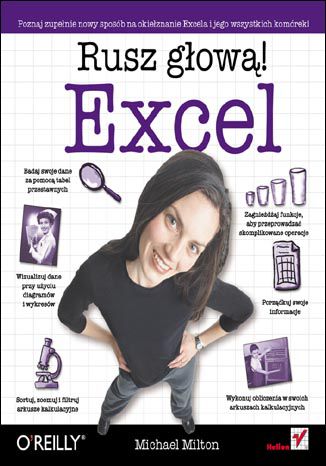
Michael Milton
Badaj swoje dane za pomocą tabel przestawnych Wizualizuj dane przy użyciu diagramów i wykresów Sortuj, zoomuj i filtruj arkusze kalkulacyjne Zagnieżdżaj funkcje, aby przeprowadzać skomplikowane operacje Porządkuj swoje informacje Wykonuj obliczenia w swoich arkuszach kalkulacyjnych Każdy, kto podejmie próbę wymienienia pięciu programów, które najbardziej ułatwiły mu życie, musi wspomnieć tę nazwę — Excel. Program ten jest uwielbiany przez rzesze studentów, analityków, księgowych, dyrektorów i prezesów. Jego największym atutem jest elastyczność. Musisz zsumować kilka prostych elementów i wykonać wykres — żaden problem! Jesteś w stanie zrobić to w ciągu kilku sekund. Chcesz przeprowadzić zaawansowaną analizę? Nic trudnego! Bierzesz do ręki jeden z najlepszych podręczników — "Excel. Rusz głową! " — i już po chwili korzystasz z najbardziej zaawansowanych funkcji: tabel przestawnych, funkcji tekstowych oraz testów logicznych. A teraz otwórz swój umysł i poznaj wszystko, co związane z arkuszem kalkulacyjnym Excel. Skorzystaj z najnowszych metod nauczania. Już nigdy nie będziesz przedzierać się przez dziesiątki stron długich i nużących opisów. Teraz wiedza podana jest lekko, przystępnie, przejrzyście i z idealnie dobraną ilością humoru. Sprawdź, jak szybko można opanować tworzenie nawet najbardziej wymyślnych formuł oraz dużych wykresów. Odkryj, że rozwiązywanie skomplikowanych problemów z dodatkiem Solver nigdy nie było prostsze! W trakcie lektury nauczysz się tworzyć eleganckie raporty, operować na datach oraz wykorzystywać odwołania. Dzięki tej książce odkryjesz największe sekrety Excela. Sprawdź sam! Naprzód, głowo! Nikt ci tego nie potrafił wytłumaczyć? Wydaje Ci się, że to problem nie na Twoją głowę? Nie potrzebujesz elektrowstrząsów, żeby pobudzić swój mózg do aktywnego działania. Tylko żadnych gwałtownych gestów! Usiądź wygodnie, otwórz książkę, dopiero teraz się zacznie. Na początek — rusz głową! Precz z nudnymi wykładami i zakuwaniem bez zrozumienia! Nauka to znacznie więcej niż tylko czytanie suchego tekstu. Twój mózg jest niczym głodny rekin, cały czas prący naprzód w poszukiwaniu nowej, apetycznej przekąski. Jak karmimy Twój wygłodniały umysł? Używamy rysunków, bo obraz wart jest 1024 słów. Stosujemy powtórzenia, by zakodować na stałe dane w Twojej chłonnej głowie. Oddziałujemy na emocje, jesteśmy nieprzewidywalni, zaskakujący i zabawni. Stawiamy przed Tobą wyzwania i zadajemy pytania, które angażują Cię w proces studiowania przedstawianych zagadnień. Cały czas pobudzamy Twój umysł do aktywnego działania, zmuszamy go do posłuszeństwa… a za ciężką pracę nagrodzimy go smakowitym ciasteczkiem w postaci wiedzy — wisienka gratis! Rozgryź to sam! Konstruowanie formuł w programie Microsoft Excel Projektowanie arkusza kalkulacyjnego Wykorzystanie odwołań Sortowanie, filtrowanie i rozmieszczanie danych Dostępne typy danych Przygotowywanie wykresów Opracowywanie analiz co-jeśli Wykorzystanie tabel przestawnych Możliwości dodatku Solver