
Informatyka
HTML5 i CSS3. Zaawansowane wzorce projektowe
Michael Bowers, Dionysios Synodinos, Victor Sumner
Zwiększ wydajność swojej pracy! Wykorzystaj gotowe rozwiązania w HTML5 i CSS3 Oszałamiające możliwości HTML5 pozwoliły projektantom na tworzenie zaawansowanych stron oraz aplikacji internetowych. Jednak wszędzie tam, gdzie realizowane są rozbudowane projekty, zaczynają się problemy ze złożonością struktury tworzonego rozwiązania. W typowych językach programowania zostało to już zauważone dawno temu, a antidotum na te bolączki stały się wzorce projektowe. Teraz przyszedł czas na HTML — najwyższa pora poznać najlepsze rozwiązania typowych problemów! Książka "HTML5 i CSS3. Zaawansowane wzorce projektowe" zawiera opis ponad 350 wzorców projektowych w językach HTML5 i CSS3, przeznaczonych do budowy nowoczesnych stron internetowych. Każdy wzorzec można stosować w połączeniu z innymi, co daje nieskończoną liczbę możliwości udoskonalania produktów. Dzięki przedstawionym tu technikom nie trzeba stosować żadnych sztuczek i można uniknąć testowania w nieskończoność aplikacji w różnych przeglądarkach internetowych. Autorzy szczegółowo opisują wszystkie przydatne własności CSS3 oraz pokazują, jak połączyć je z kodem HTML5, aby uzyskać praktyczne rezultaty. Z książką tą nauczysz się tworzyć płynne układy stron, inicjały, uwagi na marginesie, cytaty i alerty. Ponadto poznasz wiele nowych technik, takich jak zaokrąglanie rogów i sprawdzanie danych wprowadzanych do formularzy. Dzięki tej książce: poznasz najlepsze techniki tworzenia przejrzystego kodu HTML i CSS rozwiążesz typowe problemy z tworzeniem układów strony bezbłędnie sformatujesz tekst stworzysz kod tani w utrzymaniu! Przejrzysty, czytelny kod to oszczędność czasu i pieniędzy!
Dale Cruse, Lee Jordan
HTML5 is the most significant new advancement the web has seen in many years. HTML5 adds many new features including the video, audio, and canvas elements, as well as the integration of SVG. This cookbook is packed full of recipes that will help you harness HTML5’s next generation multimedia features. HTML5 is the future.Whether you’re a seasoned pro or a total newbie, this book gives you the recipes that will serve as your practical guide to creating semantically rich websites and apps using HTML5. Get ready to perform a quantum leap harnessing HTML5 to create powerful, real world applications. Many of the new key features of HTML5 are covered, with self-contained practical recipes for each topic. Forget hello world. These are practical recipes you can utilize straight away to create immersive, interactive multimedia applications. Create a stylish promo page in HTML5. Use SVG to replace text dynamically. Use CSS3 to control background size and appearance. Use the Canvas to process images dynamically. Apply custom playback controls to your video.

HTML5. Nieoficjalny podręcznik
Matthew MacDonald
Poznaj możliwości HTML5! HTML5 to coś więcej niż język służący do tworzenia stron WWW — to zbiór kilkunastu niezależnych standardów sieciowych pod jednym wspólnym szyldem. Z rozmachem wkracza do codziennego życia projektantów stron internetowych. Jego nowe możliwości naprawdę robią wrażenie: obejmują ścisłą integrację ze środowiskiem przeglądarki internetowej, usługi geolokalizacyjne, doskonałe wsparcie dla multimediów i aplikacji offline. Jeszcze niedawno takie możliwości nie śniły się żadnym webmasterom, a dziś są w zasięgu każdego! Dzięki kolejnej książce z serii "Nieoficjalny podręcznik" nie musisz odkrywać tajników HTML5 na własną rękę. Znajdziesz tu wszystkie istotne informacje, dzięki którym błyskawicznie zaczniesz korzystać z dobrodziejstw HTML5. W trakcie lektury nauczysz się dynamicznie rysować elementy, używać geolokalizacji oraz przechowywać dane użytkowników w lokalnych magazynach danych. Ponadto poznasz nowe znaczniki oraz ich przeznaczenie. HTML5 to przyszłość sieci, dlatego już dziś warto poznać jego możliwości! HTML5 to: wsparcie dla plików multimedialnych usługi geolokalizacyjne wygodne przechowywanie danych aplikacje offline standard nowoczesnej sieci Internet! Sprawdź, jak będzie wyglądać sieć jutra, i zacznij korzystać z tego już dziś!
HTML5. Nieoficjalny podręcznik. Wydanie II
Matthew MacDonald
Przewodnik po tajnikach HTML5! HTML5 na dobre zadomowił się w sieci. Z jego dobrodziejstw garściami czerpią projektanci witryn — i zaskakują użytkowników coraz bardziej pomysłowymi aplikacjami. HTML5 zapewnia zaawansowaną integrację ze środowiskiem przeglądarki internetowej, usługi geolokalizacyjne oraz doskonałe wsparcie dla materiałów multimedialnych czy aplikacji offline. Jeszcze całkiem niedawno nikt nie marzył o rzeczach, na jakie obecnie ten język programowania pozwala twórcom stron! Książka, którą trzymasz w rękach, należy do cenionej serii „Nieoficjalny podręcznik”. Jej kolejne wydanie zostało poprawione, zaktualizowane i rozszerzone o mnóstwo nowych informacji. Dzięki tej publikacji nie musisz odkrywać tajników HTML5 na własną rękę. Liczne przykłady oraz szczegółowe omówienie najróżniejszych zagadnień sprawią, że w mig opanujesz niuanse tego języka. W trakcie lektury dowiesz się, jak wykorzystać nowy element canvas i jak bez trudu zlokalizować użytkownika, oraz zobaczysz, jak przechować kluczowe dane w bazie przeglądarki. Sięgnij po tę książkę i przekonaj się, jakie możliwości daje Ci HTML5! HTML5 to: wsparcie dla plików multimedialnych usługi geolokalizacyjne wygodne przechowywanie danych aplikacje offline standard nowoczesnej sieci Internet Poznaj możliwości HTML5 i zacznij korzystać z nich już dziś!
Chuck Hudson, Tom Leadbetter
Najlepsze przepisy na udane aplikacje internetowe! HTML5 pozwala twórcom stron internetowych tworzyć oparte o standardy sieciowe, działające w przeglądarkach, niezwykle bogate aplikacje o dużych możliwościach. Aplikacje te są zaopatrzone w najróżniejsze funkcjonalności - od przeciągania i upuszczania do natywnego dźwięku i wideo - i wszystko to oferują bez żadnych dodatkowych wtyczek. Krótko mówiąc, każdy twórca stron internetowych musi opanować HTML5, a im szybciej to zrobi, tym większą będzie miał przewagę. "HTML5. Podręcznik programisty" zawiera rady ekspertów i sprawdzony kod, potrzebne do tego, by od razu rozpocząć budowę wysokiej jakości aplikacji HTML5. Autorzy tej książki, Chuck Hudson i Tom Leadbetter, prezentują przetestowane, modularne przepisy na poziomach dla początkujących, średnio zaawansowanych i zaawansowanych. Dowiesz się konkretnie, jak zapewniać nowoczesne zachowania aplikacji poprzez integrację nowych i ulepszonych elementów HTML5 z CSS3, multimediami i API języka JavaScript. Zgodnie z obecnymi standardami książka skupia się w pierwszym rzędzie na funkcjach HTML5 obsługiwanych w przeglądarkach oraz określa dla nich poziom wsparcia. Tematyka książki obejmuje: zrozumienie i stosowanie nowych strukturalnych elementów HTML5 wykorzystanie grupowania, poziomu tekstu i zmienionej semantyki zarządzanie obsługą HTML5 w przeglądarkach używanie nowych technik dotyczących układu i stylizacji w CSS3 maksymalizację interaktywności za pomocą formularzy internetowych HTML5 osadzanie przy użyciu HTML5 dźwięku i wideo rysowanie na elemencie canvas sterowanie historią przeglądarki integrowanie informacji o położeniu za pomocą API Geolocation implementowanie przechowywania danych po stronie klienta obsługę plików lokalnych zarządzanie komunikacją i wątkami optymalizację zachowań przeglądarki w HTML5 integrację danych urządzeń Poznaj możliwości języka HTML5 w praktyce!
HTML5. Programowanie aplikacji
Zachary Kessin
W sieci trwa właśnie rewolucja! Do władzy dochodzi język HTML5! Jego potencjał jest nieograniczony - ścisła integracja z przeglądarką internetową, wydajna obsługa grafiki czy wsparcie dla geolokalizacji to tylko niektóre z jego atutów. Korzystając z jego możliwości, możesz stworzyć świetną grę lub przydatną aplikację internetową. Poznaj pełne możliwości języka HTML5 i dowiedz się, jak budować kompletne i autonomiczne aplikacje, działające na urządzeniach przenośnych i konkurujące z tradycyjnymi aplikacjami. Dzięki temu praktycznemu przewodnikowi odkryjesz skuteczne metody pracy z językiem HTML5, takie jak lokalne magazynowanie danych i przetwarzanie wielowątkowe. Zaznajomisz się również z zaawansowanymi narzędziami JavaScriptu, które ułatwiają korzystanie z całej gamy elementów języka HTML5. Jeśli jesteś doświadczonym programistą JavaScriptu, umieszczone w książce przykładowe kody pokażą Ci, jak język HTML5 zamienia sieć WWW w pierwszorzędne środowisko programistyczne. Zobacz, jak: testować aplikacje internetowe korzystać z bazy IndexedDB pracować w trybie offline wykorzystać gniazda WWW Dołącz do zaawansowanych użytkowników HTML5!
HTML5. Przewodnik encyklopedyczny
Adam Freeman
Kompendium wiedzy o HTML5! HTML5 to hit ostatnich miesięcy. Jego możliwości robią ogromne wrażenie na projektantach stron internetowych, a użytkownicy na tym korzystają. Usługi geolokalizacyjne, zaawansowane funkcje graficzne oraz rozbudowana obsługa multimediów — to tylko niektóre z atutów HTML5. Można śmiało i bez przesady powiedzieć, że język ten będzie gorącym tematem jeszcze przez długi czas. Dlatego warto już dziś sprawdzić, jak wykorzystać jego potencjał. Dzięki tej książce szybko opanujesz zasady HTML5. Już wkrótce bez najmniejszego problemu będziesz korzystał z nowych znaczników canvas, audio i video. Ponadto nauczysz się stosować mechanizmy do przechowywania danych w lokalnych zasobach przeglądarki oraz sprawdzisz, gdzie w danej chwili znajduje się użytkownik. Autor książki kładzie nacisk na poprawność semantyczną tworzonego kodu. Jest to niezwykle istotne w obecnych czasach, gdy Twoje dzieło będzie oglądane na przeróżnych urządzeniach – zarówno stacjonarnych, jak i mobilnych. Książka ta jest rewelacyjnym źródłem informacji o językach HTML5, CSS oraz JavaScript. Musisz ją mieć! HTML5 to nowe możliwości: obsługa plików multimedialnych, zaawansowane funkcje graficzne, usługi geolokalizacyjne, możliwość pracy bez połączenia z siecią, dostępność na różnych urządzeniach! Poznaj i wykorzystaj potencjał HTML5!
Eric Freeman, Elisabeth Robson
Najlepszy podręcznik do HTML5! Chcesz tworzyć strony internetowe, które są dynamiczne, interaktywne, bogate w treści i utrzymują łączność z innymi serwisami. Chwila, na pewno chodzi Ci o strony internetowe? A może lepiej użyć HTML5 do tworzenia pełnokrwistych aplikacji internetowych? A jeżeli już, to czemu nie skorzystać z najnowszych technologii, które sprawdzą się zarówno w przeglądarkach desktopowych, jak i urządzeniach mobilnych? Poza tym na pewno interesują Cię nowe możliwości oferowane przez HTML5, takie jak geolokalizacja, wideo, grafika 2D, składowanie danych, wątki robocze i wiele innych, prawda? Kolejna książka z serii "Rusz głową!" to najlepszy sposób na opanowanie nowości HTML5. Niezwykle atrakcyjna forma graficzna oraz nowoczesna metodologia nauki sprawiają, że już za kilkanaście dni będziesz specjalistą w zakresie HTML5. Dowiedz się, jak wykorzystać usługi geolokalizacyjne, jak rysować na płótnie (canvas) oraz składować dane na komputerze użytkownika. Sprawdź również, co możesz zyskać dzięki WebSockets oraz jak wycisnąć siódme poty z języka JavaScript. Nauka HTML5 jeszcze nigdy nie była tak łatwa! Spróbuj sam! Poznaj HTML5 i korzystaj z: usług geolokalizacyjnych elementów multimedialnych bazy danych w przeglądarce zaawansowanych funkcji graficznych Najnowsze standardy, najlepsze praktyki - Twoja przepustka do świata aplikacji internetowych!
Estelle Weyl
Wykorzystaj potencjał HTML5 na urządzeniach mobilnych! HTML5 to prawdziwa rewolucja w świecie stron WWW i aplikacji internetowych. Jego potencjał oraz możliwości zaskoczyły niejedną osobę. Wykorzystywany jest do tworzenia atrakcyjnych, intuicyjnych i dynamicznych stron WWW. To nie wszystko! Dzięki HTML5 i CSS3 możesz także stworzyć aplikację działającą na urządzeniach z systemami Android lub iOS. Chcesz zobaczyć, jak to osiągnąć? Jeśli tak, to trafiłeś na świetną książkę, która wprowadzi Cię w świat nowoczesnych stron i aplikacji. W trakcie lektury zaczniesz poznawać składnię oraz możliwości HTML, przygotujesz środowisko pracy oraz zdobędziesz potrzebne narzędzia. Kolejne rozdziały to obowiązkowa dawka informacji na temat tworzenia formularzy oraz korzystania z elementów svg, canvas, audio i video. HTML5 dostarcza wielu nowych narzędzi, pozwalających m.in. sprawdzić stan połączenia z siecią, przechowywać dane na komputerze użytkownika lub uzyskać informację o jego lokalizacji. Dzięki tej książce opanujesz je w mig. W tym podręczniku znajdziesz również obszerny opis kaskadowych arkuszy stylów w wersji 3. Pozwolą Ci one błyskawicznie wprowadzać atrakcyjne dla oka efekty. Książka ta jest genialnym źródłem informacji dla wszystkich pasjonatów tworzenia stron i aplikacji internetowych. Dzięki tej książce: poznasz składnię HTML5 i CSS3 zaznajomisz się z możliwościami API zbudujesz zaawansowaną stronę lub mobilną aplikację internetową Sprawdź, jak stworzyć aplikację internetową działającą na platformie Android lub iOS!
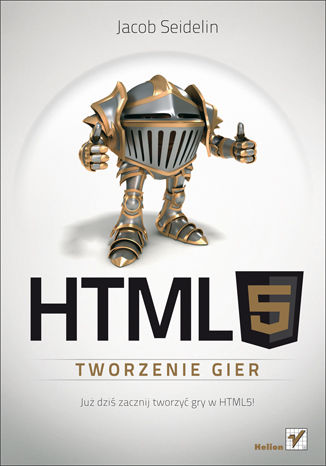
Jacob Seidelin
Już dziś zacznij tworzyć gry w HTML5! Możliwości nowej odsłony języka HTML są nieprawdopodobne. Jego potencjał można wykorzystać do tworzenia atrakcyjnych stron WWW, funkcjonalnych aplikacji oraz… gier! Ten język świetnie sprawdza się nawet w takiej roli. WebGL, JavaScript oraz CSS3 pozwolą Ci rozwinąć skrzydła. Już dziś możesz podjąć wyzwanie i wraz z autorem tej wspaniałej książki stworzyć swoją pierwszą grę! "HTML5. Tworzenie gier" napisano w przeświadczeniu, że książka pomoże Ci przenieść Twoje umiejętności tworzenia stron w świat projektowania gier komputerowych. Nie ma znaczenia, czy jesteś projektantem witryn, który pragnie spróbować swoich sił w nowej dziedzinie, twórcą aplikacji Flash, zainteresowanym nową technologią, czy przyświeca Ci całkowicie inny cel. Książka pokaże Ci, jak użyć dobrze znanych narzędzi, by przebyć przepaść dzielącą tradycyjne witryny od ekscytujących gier. W trakcie lektury poznasz elementy składowe gry oraz charakterystykę urządzeń mobilnych. Zorientujesz się, jakie są kolejne etapy procesu wytwarzania nowej aplikacji. Nauczysz się tworzyć wielowątkowe rozwiązania dzięki technologii Web Workers oraz rysować atrakcyjne elementy graficzne przy użyciu elementu canvas. Z kolejnych rozdziałów dowiesz się, jak oprogramować sterowanie ruchem oraz jak przygotować efekty dźwiękowe dla Twojej gry, a potem poznasz tajniki tworzenia grafiki 3D oraz przechowywania danych lokalnie w przeglądarce użytkownika. Książka ta w sposób kompleksowy podchodzi do tematu tworzenia gier w języku HTML5. Jeżeli masz choć trochę zapału, dzięki niej z pewnością osiągniesz cel! Już wkrótce będziesz mógł: zaprojektować swoją wyjątkową grę stworzyć zaawansowaną grafikę przy użyciu canvas i WebGL przechowywać dane lokalnie w bazie danych przeglądarki korzystać z wielowątkowości dzięki Web Workers Od pustej strony do pełnowartościowej gry z HTML5!
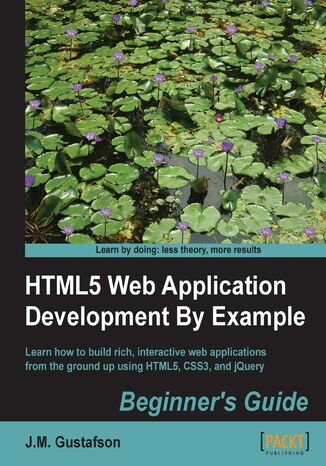
Jody Gustafson
HTML5's new features have made it a real application development platform with widespread adoption throughout the industry for this purpose. Being able to create one application that can run on virtually any device from phone to desktop has made it the first choice among developers. Although JavaScript has been around for a while now, it wasn't until the introduction of HTML5 that we have been able to create dynamic, feature-rich applications rivaling those written for the desktop.HTML5 Web Application Development By Example will give you the knowledge you need to build rich, interactive web applications from the ground up, incorporating the most popular HTML5 and CSS3 features available right now. This book is full of tips, tools, and example applications that will get you started writing your own applications today.HTML5 Web Application Development By Example shows you how to write web applications using the most popular HTML5 and CSS3 features. This book is a practical, hands-on guide with numerous real-world and relevant examples.You will learn how to use local storage to save an application's state and incorporate CSS3 to make it look great. You will also learn how to use custom data attributes to implement data binding. We'll use the new Canvas API to create a drawing application, then use the Audio API to create a virtual piano, before turning it all into a game.The time to start using HTML5 is now. And HTML5 Web Application Development by Example will give you the tips and know-how to get started.
HTML5. Zaawansowane programowanie
Peter Lubbers, Brian Albers, Frank Salim
Twórz zaawansowane aplikacje - funkcjonalne, szybkie i łatwe w użytkowaniu! HTML5 szturmem zdobywa rynek stron (a w zasadzie już aplikacji) WWW. Dziś ten odświeżony, bogaty w nowe możliwości język ma ogromny potencjał. Dlatego warto poświęcić mu trochę czasu i zacząć tworzyć jeszcze bardziej zaawansowane strony. To na pewno się opłaci! Dzięki tej książce poznasz najbardziej zaawansowane możliwości HTML5. Nauczysz się wykorzystywać mechanizm geolokalizacji i będziesz w stanie dostarczać użytkownikom spersonalizowane treści w zależności od ich miejsca pobytu. Ponadto przekonasz się, jaki potencjał kryje element canvas. Za jego pomocą stworzysz niezwykle atrakcyjny interfejs bez konieczności stosowania dodatków do przeglądarki. W dalszych rozdziałach sprawdzisz, jak prosta może być komunikacja przeglądarki z serwerem za pośrednictwem WebSockets oraz jak zachować funkcjonalność Twojej aplikacji w przypadku braku połączenia z siecią. Dzięki tej książce zdążysz na czas opanować nowości z HTML5 i wykorzystać je w Twoim kolejnym projekcie! Sięgnij po tę książkę i: dostarcz użytkownikowi odpowiednią zawartość strony w zależności od jego lokalizacji przechowuj niezbędne dane w bazie danych przeglądarki twórz atrakcyjny interfejs dzięki elementowi canvas zastosuj najnowsze technologie! Wykorzystaj moc najnowszych technologii, wchodzących w skład HTML5!
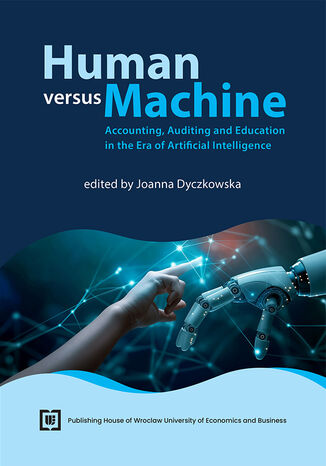
Human versus Machine: Accounting, Auditing and Education in the Era of Artificial Intelligence
Joanna Dyczkowska red.
The present book provides a critical reflection on the state and perspectives of the accountancy and auditors profession, addresses the AI technology's supportive role in accounting and auditing tasks, reporting processes and reports' attestation, as well as stresses the necessity to modify educational curriculums in business accounting in response to changing circumstances, and set the regulatory frameworks regarding the use of generative AI by academics and students. The considerations covered in the book are timely and can be helpful for business practitioners, academics and students. Moreover, the international context of the publication, reference to the latest literature on AI applications in business accounting, and presented research study can make this work valuable for all those interested in the opportunities and threats that AI may bring into the professional lives of many.

Hurtownie danych. Od przetwarzania analitycznego do raportowania
Adam Pelikant
Spec od hurtowni danych? Zawsze będzie pilnie potrzebny! Jak stworzyć strukturę hurtowni danych i dokonać ich integracji? Jak przeprowadzić analizę danych z wykorzystaniem rozszerzenia MDX SQL? Do czego potrzebne jest raportowanie? Idea hurtowni danych ściśle wiąże się z ich kolosalnymi ilościami, gromadzonymi podczas tysięcy różnych sytuacji — przy dowolnej transakcji, w urzędzie, na lotnisku, w internecie… Nawet nasze połączenia telefoniczne są przechowywane przez operatora. Te wszystkie dane trzeba gdzieś pomieścić, sensownie posegregować i zapewnić sobie możliwość sięgnięcia do wybranego ich zakresu bez długotrwałych poszukiwań. Taką możliwość dają właśnie hurtownie danych — przemyślane, bardzo pojemne bazy, oferujące zarówno integrację wprowadzanych danych, jak i znakomite mechanizmy ich przeszukiwania. Jeśli chcesz poszerzyć swoją wiedzę na temat tworzenia i przeglądania zawartości hurtowni danych, trafiłeś pod właściwy adres! Książka "Hurtownie danych. Od przetwarzania analitycznego do raportowania" zawiera materiał przeznaczony nie tylko dla studentów wydziałów informatycznych, ale także dla pasjonatów tej tematyki oraz specjalistów zainteresowanych poszerzeniem wiedzy. W możliwie najprostszy, praktyczny sposób opisano w niej składnię i postać zapytań analitycznych, strukturę hurtowni danych oraz kwestię ich integracji i wizualnego tworzenia elementów hurtowni. Znajdziesz tu także omówienie analizy danych z wykorzystaniem rozszerzenia MDX SQL oraz zastosowań raportowania. Zapoznanie się z tymi informacjami oraz prześledzenie zgromadzonych tu przykładów pozwoli Ci zrozumieć problemy powstające przy budowie hurtowni danych i wykorzystać tę wiedzę we własnych projektach. Zapytania analityczne Struktura hurtowni danych Integracja danych Wizualne tworzenie elementów hurtowni danych Analiza danych z wykorzystaniem rozszerzenia MDX SQL Raportowanie Od bazy do hurtowni danych… Skocz na głęboką wodę!
Hurtownie danych. Od przetwarzania analitycznego do raportowania. Wydanie II
Adam Pelikant
Idea hurtowni danych ściśle wiąże się z ich kolosalnymi ilościami, gromadzonymi podczas tysięcy różnych sytuacji - przy dowolnej transakcji, w urzędzie, na lotnisku, w internecie... Nawet nasze połączenia telefoniczne są przechowywane przez operatora. Te wszystkie dane trzeba gdzieś pomieścić, sensownie posegregować i zapewnić sobie możliwość sięgnięcia do wybranego ich zakresu bez długotrwałych poszukiwań. Taką możliwość dają właśnie hurtownie danych - przemyślane, bardzo pojemne bazy, oferujące zarówno integrację wprowadzanych danych, jak i znakomite mechanizmy ich przeszukiwania. Jeśli chcesz poszerzyć swoją wiedzę na temat tworzenia i przeglądania zawartości hurtowni danych, trafiłeś pod właściwy adres! Książka Hurtownie danych. Od przetwarzania analitycznego do raportowania zawiera materiał przeznaczony nie tylko dla studentów wydziałów informatycznych, ale także dla pasjonatów tej tematyki oraz specjalistów zainteresowanych poszerzeniem wiedzy. W możliwie najprostszy, praktyczny sposób opisano w niej składnię i postać zapytań analitycznych, strukturę hurtowni danych oraz kwestię ich integracji i wizualnego tworzenia elementów hurtowni. Znajdziesz tu także omówienie analizy danych z wykorzystaniem rozszerzenia MDX SQL oraz zastosowań raportowania. Zapoznanie się z tymi informacjami oraz prześledzenie zgromadzonych tu przykładów pozwoli Ci zrozumieć problemy powstające przy budowie hurtowni danych i wykorzystać tę wiedzę we własnych projektach. Zapytania analityczne Struktura hurtowni danych Integracja danych Wizualne tworzenie elementów hurtowni danych Analiza danych z wykorzystaniem rozszerzenia MDX SQL Raportowanie
Hybrid Cloud for Architects. Build robust hybrid cloud solutions using AWS and OpenStack
Alok Shrivastwa
Hybrid cloud is currently the buzz word in the cloud world. Organizations are planning to adopt hybrid cloud strategy due to its advantages such as untested workloads, cloud-bursting, cloud service brokering and so on. This book will help you understand the dynamics, design principles, and deployment strategies of a Hybrid Cloud.You will start by understanding the concepts of hybrid cloud and the problems it solves as compared to a stand-alone public and private cloud. You will be delving into the different architecture and design of hybrid cloud. The book will then cover advanced concepts such as building a deployment pipeline, containerization strategy, and data storage mechanism. Next up, you will be able to deploy an external CMP to run a Hybrid cloud and integrate it with your OpenStack and AWS environments. You will also understand the strategy for designing a Hybrid Cloud using containerization and work with pre-built solutions like vCloud Air, VMware for AWS, and Azure Stack. Finally, the book will cover security and monitoring related best practices that will help you secure your cloud infrastructure. By the end of the book, you will be in a position to build a hybrid cloud strategy for your organization.
Manoj Hirway
This book introduces you to the hybrid cloud platform, and focuses on the AWS public cloud and OpenStack private cloud platforms. It provides a deep dive into the AWS and OpenStack cloud platform services that are essential for developing hybrid cloud applications. You will learn to develop applications on AWS and OpenStack platforms with ease by leveraging various cloud services and taking advantage of PaaS.The book provides you with the ability to leverage the ?exibility of choosing a cloud platform for migrating your existing resources to the cloud, as well as developing hybrid cloud applications that can migrate virtual machine instances from AWS to OpenStack and vice versa. You will also be able to build and test cloud applications without worrying about the system that your development environment supports.The book also provides an in-depth understanding of the best practices that are followed across the industry for developing cloud applications, as well as for adapting the hybrid cloud platform. Lastly, it also sheds light on various troubleshooting techniques for OpenStack and AWS cloud platform services that are consumed by hybrid cloud applications.By the end of this book, you will have a deep understanding of the hybrid cloud platform and will be able to develop robust, efficient, modular, scalable, and ?exible cloud applications.
Mansura Habiba
Most organizations are now either moving to the cloud through modernization or building their apps in the cloud. Hybrid cloud is one of the best approaches for cloud migration and the modernization journey for any enterprise. This is why, along with coding skills, developers need to know the big picture of cloud footprint and be aware of the integration models between apps in a hybrid and multi-cloud infrastructure. This book represents an overview of your end-to-end journey to the cloud. To be future agnostic, the journey starts with a hybrid cloud.You'll gain an overall understanding of how to approach migration to the cloud using hybrid cloud technologies from IBM and Red Hat. Next, you’ll be able to explore the challenges, requirements (both functional and non-functional), and the process of app modernization for enterprises by analyzing various use cases. The book then provides you with insights into the different reference solutions for app modernization on the cloud, which will help you to learn how to design and implement patterns and best practices in your job.By the end of this book, you’ll be able to successfully modernize applications and cloud infrastructure in hyperscaler public clouds such as IBM and hybrid clouds using Red Hat technologies as well as develop secure applications for cloud environments.
Sangram Rath
The increasing adoption of the Cloud has led to enterprises having a heterogeneous IT environment that consists of both private and public cloud infrastructures, and in most cases existing virtualized infrastructures as well. As building and managing such a diverse IT infrastructure is a major challenges, Red Hat CloudForms provides a unified, consistent, and comprehensive management platform. With features like cloud intelligence dashboard, self-service portal, lifecycle management, policy-based governance, quotas, capacity management, monitoring and reporting, Red Hat CloudForms lets you manage your hybrid cloud infrastructure from a single pane of glass.This book will equip you with a hands-on approach on how to build a hybrid cloud environment and then manage, control, and gain operational insights into it.The book starts by showing you how to install and configure Red Hat CloudForms, and add infrastructure and cloud providers to build the hybrid cloud environment. Next, you will learn to provision virtual machines and instances to these platform providers, and manage and control the lifecycle of these resources. You will also get to know about automating provisioning.Moving on, you’ll get to grips with the management of resources using policies, events, conditions, and actions. You’ll also learn to monitor these resources from a single pane of glass. Finally, the book covers viewing capacity and utilization trends to optimize the overall hybrid cloud infrastructure, and also introduces you to supported APIs.By end of the book, you will be able to deploy and use Red Hat CloudForms.
Xun (Brian) Wu, Chuangfeng Zhang, Zhibin (Andrew)...
Hyperledger is an open-source project and creates private blockchain applications for a range of domains. This book will be your desk reference as you explore common and not-so-common challenges faced while building blockchain networks using Hyperledger services.We'll work through all Hyperledger platform modules to understand their services and features and build end-to-end blockchain applications using various frameworks and tools supported by Hyperledger. This book's independent, recipe-based approach (packed with real-world examples) will familiarize you with the blockchain development cycle. From modeling a business network to integrating with various tools, you will cover it all. We'll cover common and not-so-common challenges faced in the blockchain life cycle. Later, we'll delve into how we can interact with the Hyperledger Fabric blockchain, covering all the principles you need to master, such as chaincode, smart contracts, and much more. We'll also address the scalability and security issues currently faced in blockchain development.By the end of this book, you will be able to implement each recipe to plan, design, and create a full-fledged, private, decentralized application to meet organizational needs.
Louis Owen
Hyperparameters are an important element in building useful machine learning models. This book curates numerous hyperparameter tuning methods for Python, one of the most popular coding languages for machine learning. Alongside in-depth explanations of how each method works, you will use a decision map that can help you identify the best tuning method for your requirements.You’ll start with an introduction to hyperparameter tuning and understand why it's important. Next, you'll learn the best methods for hyperparameter tuning for a variety of use cases and specific algorithm types. This book will not only cover the usual grid or random search but also other powerful underdog methods. Individual chapters are also dedicated to the three main groups of hyperparameter tuning methods: exhaustive search, heuristic search, Bayesian optimization, and multi-fidelity optimization. Later, you will learn about top frameworks like Scikit, Hyperopt, Optuna, NNI, and DEAP to implement hyperparameter tuning. Finally, you will cover hyperparameters of popular algorithms and best practices that will help you efficiently tune your hyperparameter.By the end of this book, you will have the skills you need to take full control over your machine learning models and get the best models for the best results.
Romain Serre, Benedict Berger
Hyper-V Server and Windows Server 2016 with Hyper-V provide best-in-class virtualization capabilities. Hyper-V is a Windows-based, very cost-effective virtualization solution with easy-to-use and well-known administrative consoles.This book will assist you in designing, implementing, and managing highly effective and highly available Hyper-V infrastructures. With an example-oriented approach, this book covers all the different tips and suggestions to configure Hyper-V and provides readers with real-world proven solutions. This book begins by deploying single clusters of High Availability Hyper-V systems including the new Nano Server. This is followed by steps to configure the Hyper-V infrastructure components such as storage and network. It also touches on necessary processes such as backup and disaster recovery for optimal configuration. The book does not only show you what to do and how to plan the different scenarios, but it also provides in-depth configuration options. These scalable and automated configurations are then optimized via performance tuning and central management ensuring your applications are always the best they can be.
Benedict Berger
This book is intended for those who already have some basic experience with Hyper-V and now want to gain additional capabilities and knowledge of Hyper-V.If you have used Hyper-V in a lab environment before and now want to close the knowledge gap to transfer your Hyper-V environment to production, this is the book for you!
Ryan Boud
If you are a virtualization architect, engineer, or administrator who wants to leverage Hyper-V to create virtual networks (virtual data centers), this is the book for you.Prior knowledge of Hyper-V or a similar solution and a good understanding of the end goals of creating a virtual network is required.