
Informatyka
Go Cookbook. Build modular, readable, and testable applications in Go
Aaron Torres
Go (a.k.a. Golang) is a statically-typed programming language first developed at Google. It is derived from C with additional features such as garbage collection, type safety, dynamic-typing capabilities, additional built-in types, and a large standard library.This book takes off where basic tutorials on the language leave off. You can immediately put into practice some of the more advanced concepts and libraries offered by the language while avoiding some of the common mistakes for new Go developers. The book covers basic type and error handling. It explores applications that interact with users, such as websites, command-line tools, or via the file system. It demonstrates how to handle advanced topics such as parallelism, distributed systems, and performance tuning. Lastly, it finishes with reactive and serverless programming in Go.
Go Design Patterns. Best practices in software development and CSP
Mario Castro Contreras
Go is a multi-paradigm programming language that has built-in facilities to create concurrent applications. Design patterns allow developers to efficiently address common problems faced during developing applications. Go Design Patterns will provide readers with a reference point to software design patterns and CSP concurrency design patterns to help them build applications in a more idiomatic, robust, and convenient way in Go. The book starts with a brief introduction to Go programming essentials and quickly moves on to explain the idea behind the creation of design patterns and how they appeared in the 90’s as a common language between developers to solve common tasks in object-oriented programming languages. You will then learn how to apply the 23 Gang of Four (GoF) design patterns in Go and also learn about CSP concurrency patterns, the killer feature in Go that has helped Google develop software to maintain thousands of servers. With all of this the book will enable you to understand and apply design patterns in an idiomatic way that will produce concise, readable, and maintainable software.
John Doak, David Justice
Go is the go-to language for DevOps libraries and services, and without it, achieving fast and safe automation is a challenge. With the help of Go for DevOps, you'll learn how to deliver services with ease and safety, becoming a better DevOps engineer in the process.Some of the key things this book will teach you are how to write Go software to automate configuration management, update remote machines, author custom automation in GitHub Actions, and interact with Kubernetes. As you advance through the chapters, you'll explore how to automate the cloud using software development kits (SDKs), extend HashiCorp's Terraform and Packer using Go, develop your own DevOps services with gRPC and REST, design system agents, and build robust workflow systems.By the end of this Go for DevOps book, you'll understand how to apply development principles to automate operations and provide operational insights using Go, which will allow you to react quickly to resolve system failures before your customers realize something has gone wrong.

Go global! Wywiady z twórcami polskich firm, które zdobyły rynki międzynarodowe
Krzysztof Rybiński
Gdy polski rynek okazuje się zbyt mały… Kiedy firma zaczyna spoglądać z ciekawością w stronę zagranicznego odbiorcy, zaczynają się koszty i kłopoty. To prawda, ale ekspansję na rynki zagraniczne rozpoczyna się nie po to, by stracić, lecz po to, by zyskać. Jak to zrobić skutecznie, wiedzą bohaterowie tej książki, założyciele i prezesi jedenastu polskich firm, którym udało się dokonać międzynarodowej ekspansji na szeroką skalę. Krzysztof Rybiński przedstawia tu historie ich drogi do sukcesu, zmagania z przeciwnościami gospodarczymi i proceduralnymi czy problemami finansowymi, sposoby przezwyciężania nieufności i różnic kulturowych, i wreszcie skuteczne, wypracowane przez lata metody na podbicie zagranicznych rynków zbytu. Zapoznanie się z tymi wywiadami pozwoli polskim firmom ograniczyć koszty ekspansji międzynarodowej, uniknąć kłopotów i odnieść sukces. Ta książka to także hołd oddany polskiej przedsiębiorczości i jej reprezentantom, którzy - choć zaczynali działalność lokalnie - potrafili myśleć globalnie i patrzeć poza granice naszego kraju. Prof. Krzysztof Rybiński - jeden z najbardziej znanych polskich ekonomistów. Karierę zawodową rozpoczynał jako informatyk w Japonii, potem był głównym ekonomistą kilku banków, wiceprezesem NBP, gdzie pod jego nadzorem zmieniono sposób inwestowania rezerw dewizowych, dzięki czemu Polska w ciągu dwóch lat zarobiła dodatkowo miliard dolarów. Był członkiem Komisji Nadzoru Finansowego, partnerem w globalnej firmie doradczej i członkiem wielu rad nadzorczych. Obecnie jest rektorem Akademii Finansów i Biznesu Vistula, w której studiuje 5000 studentów z 40 krajów. Prowadzi też własną firmę doradczą. W 2012 roku został wybrany przez polskich przedsiębiorców najczęściej słuchanym przez nich ekonomistą. Regularnie występuje w telewizji, pisuje felietony do krajowych dzienników i tygodników, jego artykuły ukazują się też w „Financial Times”. Patroni medialni:
Xuanyi Chew
Go is the perfect language for machine learning; it helps to clearly describe complex algorithms, and also helps developers to understand how to run efficient optimized code. This book will teach you how to implement machine learning in Go to make programs that are easy to deploy and code that is not only easy to understand and debug, but also to have its performance measured.The book begins by guiding you through setting up your machine learning environment with Go libraries and capabilities. You will then plunge into regression analysis of a real-life house pricing dataset and build a classification model in Go to classify emails as spam or ham. Using Gonum, Gorgonia, and STL, you will explore time series analysis along with decomposition and clean up your personal Twitter timeline by clustering tweets. In addition to this, you will learn how to recognize handwriting using neural networks and convolutional neural networks. Lastly, you'll learn how to choose the most appropriate machine learning algorithms to use for your projects with the help of a facial detection project.By the end of this book, you will have developed a solid machine learning mindset, a strong hold on the powerful Go toolkit, and a sound understanding of the practical implementations of machine learning algorithms in real-world projects.
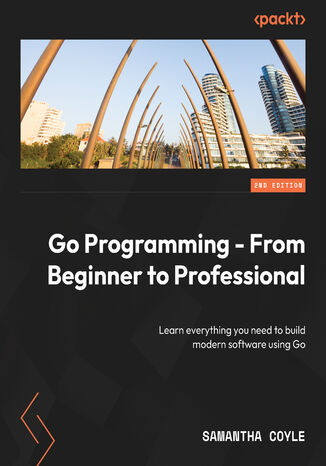
Samantha Coyle
Go Programming – From Beginner to Professional is a comprehensive guide that takes your proficiency in the Go programming language from novice to expert. Starting with fundamental concepts, this book covers variables, command-line tools, and working with data before delving into advanced concepts, including error handling, interfaces, and generics, harnessing Go’s latest features through hands-on exercises. Along the way, you’ll learn to structure projects using Go modules, manage packages effectively, and master debugging techniques.As you progress, you’ll get to grips with practical application-centric aspects such as command-line programming, file manipulation, and working with SQL databases. Additionally, the book explores web server development, RESTful APIs, and utilizing the Go HTTP client to interact with web applications. Further enhancing your Go skills, you’ll learn concurrent programming, testing methodologies, Go tools, and how to deploy applications in the cloud. Throughout the book, you’ll uncover Go’s hidden gems and gain insights into time manipulation, best practices, and more.By the end of this book, you’ll have worked through practical exercises and activities that’ll equip you with the knowledge and skills needed to excel as a proficient Go developer, primed for success in real-world projects.
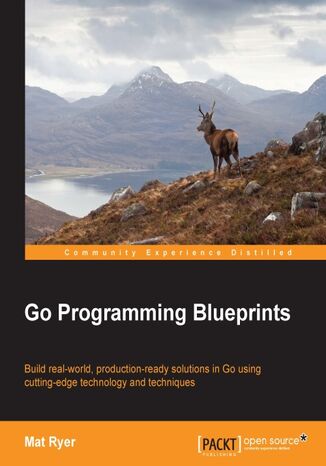
Mat Ryer
Intended for seasoned Go programmers who want to put their expertise in Go to use to solve big, real-world, modern problems. With a basic understanding of channels and goroutines, you will hone your skills to build tools and programs that are quick and simple. You need not be an expert in distributed systems or technologies in order to deliver solutions capable of great scale. It is assumed that you are familiar with the basic concepts of Go.
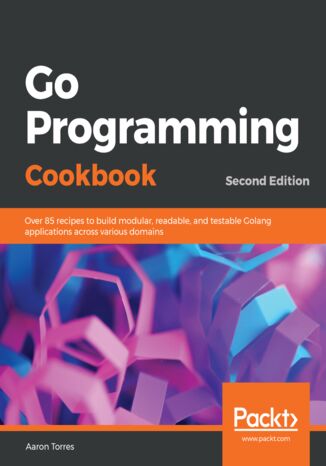
Aaron Torres
Go (or Golang) is a statically typed programming language developed at Google. Known for its vast standard library, it also provides features such as garbage collection, type safety, dynamic-typing capabilities, and additional built-in types. This book will serve as a reference while implementing Go features to build your own applications.This Go cookbook helps you put into practice the advanced concepts and libraries that Golang offers. The recipes in the book follow best practices such as documentation, testing, and vendoring with Go modules, as well as performing clean abstractions using interfaces. You'll learn how code works and the common pitfalls to watch out for. The book covers basic type and error handling, and then moves on to explore applications, such as websites, command-line tools, and filesystems, that interact with users. You'll even get to grips with parallelism, distributed systems, and performance tuning.By the end of the book, you'll be able to use open source code and concepts in Go programming to build enterprise-class applications without any hassle.