
Informatyka
Estelle Weyl
Wykorzystaj potencjał HTML5 na urządzeniach mobilnych! HTML5 to prawdziwa rewolucja w świecie stron WWW i aplikacji internetowych. Jego potencjał oraz możliwości zaskoczyły niejedną osobę. Wykorzystywany jest do tworzenia atrakcyjnych, intuicyjnych i dynamicznych stron WWW. To nie wszystko! Dzięki HTML5 i CSS3 możesz także stworzyć aplikację działającą na urządzeniach z systemami Android lub iOS. Chcesz zobaczyć, jak to osiągnąć? Jeśli tak, to trafiłeś na świetną książkę, która wprowadzi Cię w świat nowoczesnych stron i aplikacji. W trakcie lektury zaczniesz poznawać składnię oraz możliwości HTML, przygotujesz środowisko pracy oraz zdobędziesz potrzebne narzędzia. Kolejne rozdziały to obowiązkowa dawka informacji na temat tworzenia formularzy oraz korzystania z elementów svg, canvas, audio i video. HTML5 dostarcza wielu nowych narzędzi, pozwalających m.in. sprawdzić stan połączenia z siecią, przechowywać dane na komputerze użytkownika lub uzyskać informację o jego lokalizacji. Dzięki tej książce opanujesz je w mig. W tym podręczniku znajdziesz również obszerny opis kaskadowych arkuszy stylów w wersji 3. Pozwolą Ci one błyskawicznie wprowadzać atrakcyjne dla oka efekty. Książka ta jest genialnym źródłem informacji dla wszystkich pasjonatów tworzenia stron i aplikacji internetowych. Dzięki tej książce: poznasz składnię HTML5 i CSS3 zaznajomisz się z możliwościami API zbudujesz zaawansowaną stronę lub mobilną aplikację internetową Sprawdź, jak stworzyć aplikację internetową działającą na platformie Android lub iOS!
Jacob Seidelin
Już dziś zacznij tworzyć gry w HTML5! Możliwości nowej odsłony języka HTML są nieprawdopodobne. Jego potencjał można wykorzystać do tworzenia atrakcyjnych stron WWW, funkcjonalnych aplikacji oraz… gier! Ten język świetnie sprawdza się nawet w takiej roli. WebGL, JavaScript oraz CSS3 pozwolą Ci rozwinąć skrzydła. Już dziś możesz podjąć wyzwanie i wraz z autorem tej wspaniałej książki stworzyć swoją pierwszą grę! "HTML5. Tworzenie gier" napisano w przeświadczeniu, że książka pomoże Ci przenieść Twoje umiejętności tworzenia stron w świat projektowania gier komputerowych. Nie ma znaczenia, czy jesteś projektantem witryn, który pragnie spróbować swoich sił w nowej dziedzinie, twórcą aplikacji Flash, zainteresowanym nową technologią, czy przyświeca Ci całkowicie inny cel. Książka pokaże Ci, jak użyć dobrze znanych narzędzi, by przebyć przepaść dzielącą tradycyjne witryny od ekscytujących gier. W trakcie lektury poznasz elementy składowe gry oraz charakterystykę urządzeń mobilnych. Zorientujesz się, jakie są kolejne etapy procesu wytwarzania nowej aplikacji. Nauczysz się tworzyć wielowątkowe rozwiązania dzięki technologii Web Workers oraz rysować atrakcyjne elementy graficzne przy użyciu elementu canvas. Z kolejnych rozdziałów dowiesz się, jak oprogramować sterowanie ruchem oraz jak przygotować efekty dźwiękowe dla Twojej gry, a potem poznasz tajniki tworzenia grafiki 3D oraz przechowywania danych lokalnie w przeglądarce użytkownika. Książka ta w sposób kompleksowy podchodzi do tematu tworzenia gier w języku HTML5. Jeżeli masz choć trochę zapału, dzięki niej z pewnością osiągniesz cel! Już wkrótce będziesz mógł: zaprojektować swoją wyjątkową grę stworzyć zaawansowaną grafikę przy użyciu canvas i WebGL przechowywać dane lokalnie w bazie danych przeglądarki korzystać z wielowątkowości dzięki Web Workers Od pustej strony do pełnowartościowej gry z HTML5!
Jody Gustafson
HTML5's new features have made it a real application development platform with widespread adoption throughout the industry for this purpose. Being able to create one application that can run on virtually any device from phone to desktop has made it the first choice among developers. Although JavaScript has been around for a while now, it wasn't until the introduction of HTML5 that we have been able to create dynamic, feature-rich applications rivaling those written for the desktop.HTML5 Web Application Development By Example will give you the knowledge you need to build rich, interactive web applications from the ground up, incorporating the most popular HTML5 and CSS3 features available right now. This book is full of tips, tools, and example applications that will get you started writing your own applications today.HTML5 Web Application Development By Example shows you how to write web applications using the most popular HTML5 and CSS3 features. This book is a practical, hands-on guide with numerous real-world and relevant examples.You will learn how to use local storage to save an application's state and incorporate CSS3 to make it look great. You will also learn how to use custom data attributes to implement data binding. We'll use the new Canvas API to create a drawing application, then use the Audio API to create a virtual piano, before turning it all into a game.The time to start using HTML5 is now. And HTML5 Web Application Development by Example will give you the tips and know-how to get started.
HTML5. Zaawansowane programowanie
Peter Lubbers, Brian Albers, Frank Salim
Twórz zaawansowane aplikacje - funkcjonalne, szybkie i łatwe w użytkowaniu! HTML5 szturmem zdobywa rynek stron (a w zasadzie już aplikacji) WWW. Dziś ten odświeżony, bogaty w nowe możliwości język ma ogromny potencjał. Dlatego warto poświęcić mu trochę czasu i zacząć tworzyć jeszcze bardziej zaawansowane strony. To na pewno się opłaci! Dzięki tej książce poznasz najbardziej zaawansowane możliwości HTML5. Nauczysz się wykorzystywać mechanizm geolokalizacji i będziesz w stanie dostarczać użytkownikom spersonalizowane treści w zależności od ich miejsca pobytu. Ponadto przekonasz się, jaki potencjał kryje element canvas. Za jego pomocą stworzysz niezwykle atrakcyjny interfejs bez konieczności stosowania dodatków do przeglądarki. W dalszych rozdziałach sprawdzisz, jak prosta może być komunikacja przeglądarki z serwerem za pośrednictwem WebSockets oraz jak zachować funkcjonalność Twojej aplikacji w przypadku braku połączenia z siecią. Dzięki tej książce zdążysz na czas opanować nowości z HTML5 i wykorzystać je w Twoim kolejnym projekcie! Sięgnij po tę książkę i: dostarcz użytkownikowi odpowiednią zawartość strony w zależności od jego lokalizacji przechowuj niezbędne dane w bazie danych przeglądarki twórz atrakcyjny interfejs dzięki elementowi canvas zastosuj najnowsze technologie! Wykorzystaj moc najnowszych technologii, wchodzących w skład HTML5!
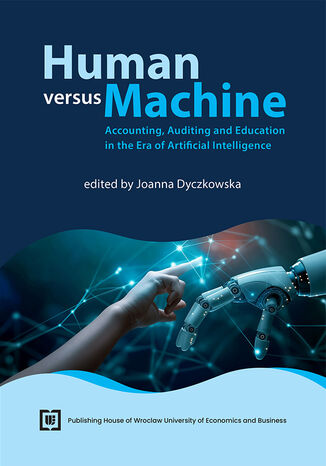
Human versus Machine: Accounting, Auditing and Education in the Era of Artificial Intelligence
Joanna Dyczkowska red.
The present book provides a critical reflection on the state and perspectives of the accountancy and auditors profession, addresses the AI technology's supportive role in accounting and auditing tasks, reporting processes and reports' attestation, as well as stresses the necessity to modify educational curriculums in business accounting in response to changing circumstances, and set the regulatory frameworks regarding the use of generative AI by academics and students. The considerations covered in the book are timely and can be helpful for business practitioners, academics and students. Moreover, the international context of the publication, reference to the latest literature on AI applications in business accounting, and presented research study can make this work valuable for all those interested in the opportunities and threats that AI may bring into the professional lives of many.
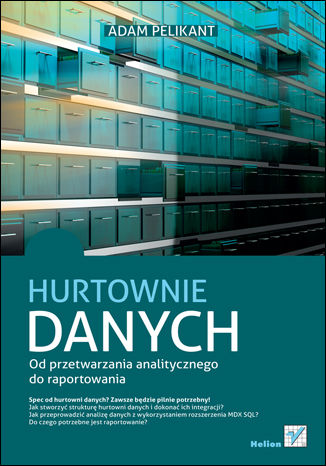
Hurtownie danych. Od przetwarzania analitycznego do raportowania
Adam Pelikant
Spec od hurtowni danych? Zawsze będzie pilnie potrzebny! Jak stworzyć strukturę hurtowni danych i dokonać ich integracji? Jak przeprowadzić analizę danych z wykorzystaniem rozszerzenia MDX SQL? Do czego potrzebne jest raportowanie? Idea hurtowni danych ściśle wiąże się z ich kolosalnymi ilościami, gromadzonymi podczas tysięcy różnych sytuacji — przy dowolnej transakcji, w urzędzie, na lotnisku, w internecie… Nawet nasze połączenia telefoniczne są przechowywane przez operatora. Te wszystkie dane trzeba gdzieś pomieścić, sensownie posegregować i zapewnić sobie możliwość sięgnięcia do wybranego ich zakresu bez długotrwałych poszukiwań. Taką możliwość dają właśnie hurtownie danych — przemyślane, bardzo pojemne bazy, oferujące zarówno integrację wprowadzanych danych, jak i znakomite mechanizmy ich przeszukiwania. Jeśli chcesz poszerzyć swoją wiedzę na temat tworzenia i przeglądania zawartości hurtowni danych, trafiłeś pod właściwy adres! Książka "Hurtownie danych. Od przetwarzania analitycznego do raportowania" zawiera materiał przeznaczony nie tylko dla studentów wydziałów informatycznych, ale także dla pasjonatów tej tematyki oraz specjalistów zainteresowanych poszerzeniem wiedzy. W możliwie najprostszy, praktyczny sposób opisano w niej składnię i postać zapytań analitycznych, strukturę hurtowni danych oraz kwestię ich integracji i wizualnego tworzenia elementów hurtowni. Znajdziesz tu także omówienie analizy danych z wykorzystaniem rozszerzenia MDX SQL oraz zastosowań raportowania. Zapoznanie się z tymi informacjami oraz prześledzenie zgromadzonych tu przykładów pozwoli Ci zrozumieć problemy powstające przy budowie hurtowni danych i wykorzystać tę wiedzę we własnych projektach. Zapytania analityczne Struktura hurtowni danych Integracja danych Wizualne tworzenie elementów hurtowni danych Analiza danych z wykorzystaniem rozszerzenia MDX SQL Raportowanie Od bazy do hurtowni danych… Skocz na głęboką wodę!
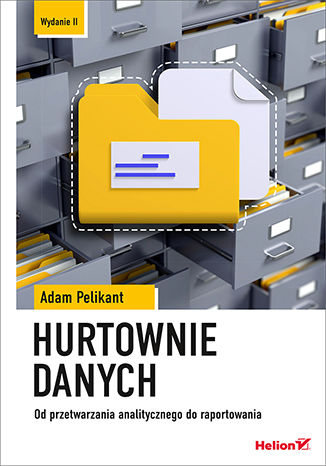
Hurtownie danych. Od przetwarzania analitycznego do raportowania. Wydanie II
Adam Pelikant
Idea hurtowni danych ściśle wiąże się z ich kolosalnymi ilościami, gromadzonymi podczas tysięcy różnych sytuacji - przy dowolnej transakcji, w urzędzie, na lotnisku, w internecie... Nawet nasze połączenia telefoniczne są przechowywane przez operatora. Te wszystkie dane trzeba gdzieś pomieścić, sensownie posegregować i zapewnić sobie możliwość sięgnięcia do wybranego ich zakresu bez długotrwałych poszukiwań. Taką możliwość dają właśnie hurtownie danych - przemyślane, bardzo pojemne bazy, oferujące zarówno integrację wprowadzanych danych, jak i znakomite mechanizmy ich przeszukiwania. Jeśli chcesz poszerzyć swoją wiedzę na temat tworzenia i przeglądania zawartości hurtowni danych, trafiłeś pod właściwy adres! Książka Hurtownie danych. Od przetwarzania analitycznego do raportowania zawiera materiał przeznaczony nie tylko dla studentów wydziałów informatycznych, ale także dla pasjonatów tej tematyki oraz specjalistów zainteresowanych poszerzeniem wiedzy. W możliwie najprostszy, praktyczny sposób opisano w niej składnię i postać zapytań analitycznych, strukturę hurtowni danych oraz kwestię ich integracji i wizualnego tworzenia elementów hurtowni. Znajdziesz tu także omówienie analizy danych z wykorzystaniem rozszerzenia MDX SQL oraz zastosowań raportowania. Zapoznanie się z tymi informacjami oraz prześledzenie zgromadzonych tu przykładów pozwoli Ci zrozumieć problemy powstające przy budowie hurtowni danych i wykorzystać tę wiedzę we własnych projektach. Zapytania analityczne Struktura hurtowni danych Integracja danych Wizualne tworzenie elementów hurtowni danych Analiza danych z wykorzystaniem rozszerzenia MDX SQL Raportowanie
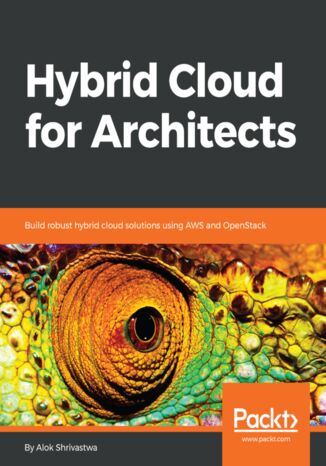
Hybrid Cloud for Architects. Build robust hybrid cloud solutions using AWS and OpenStack
Alok Shrivastwa
Hybrid cloud is currently the buzz word in the cloud world. Organizations are planning to adopt hybrid cloud strategy due to its advantages such as untested workloads, cloud-bursting, cloud service brokering and so on. This book will help you understand the dynamics, design principles, and deployment strategies of a Hybrid Cloud.You will start by understanding the concepts of hybrid cloud and the problems it solves as compared to a stand-alone public and private cloud. You will be delving into the different architecture and design of hybrid cloud. The book will then cover advanced concepts such as building a deployment pipeline, containerization strategy, and data storage mechanism. Next up, you will be able to deploy an external CMP to run a Hybrid cloud and integrate it with your OpenStack and AWS environments. You will also understand the strategy for designing a Hybrid Cloud using containerization and work with pre-built solutions like vCloud Air, VMware for AWS, and Azure Stack. Finally, the book will cover security and monitoring related best practices that will help you secure your cloud infrastructure. By the end of the book, you will be in a position to build a hybrid cloud strategy for your organization.