
Informatyka
Zajrzyj do kategorii Informatyka w księgarni internetowej Ebookpoint. Znajdziesz tutaj bestsellerowe książki, ebooki i kursy video z branży IT. Sięgnij po najlepszą literaturę dla specjalistów i rozwijaj doświadczenie, które już posiadasz, lub rozpocznij swoją przygodę z programowaniem, cyberbezpieczeństwem lub grafiką komputerową. Pogłębiaj swoją wiedzę tak, jak Ci wygodnie - z tradycyjną książką, wygodnym ebookiem lub nowoczesnym videokursem. Sprawdź, jakie tytuły znajdziesz w kategorii Informatyka!
Metoda Lean Analytics. Zbuduj sukces startupu w oparciu o analizę danych
Alistair Croll, Benjamin Yoskovitz
Lektura obowiązkowa dla wszystkich zainteresowanych wykorzystaniem analityki w pracach nad nowym produktem i odnoszeniem sukcesów biznesowych bez konieczności wiecznego zgadywania. Peter Yared, dyrektor ds. IT, CBS Interactive To nie jest kolejna książka o liczbach, a rzecz o praktycznych wskaźnikach. Alistair i Ben nauczą Cię, jak przebić się przez mgłę danych i skupić się na właściwych, istotnych wskaźnikach, które zadecydują o Twojej porażce lub sukcesie. Ash Maurya, założyciel i dyrektor generalny Spark59 oraz WiredReach, autor książki Metoda Running Lean Okiełznane dane Jesteś przedsiębiorcą? Masz innowacyjny produkt i chcesz wejść z nim na rynek? Możesz wybrać jedną z dwóch dróg: tradycyjną, opartą na odwiecznych mądrościach starych mistrzów, albo nowoczesną, z użyciem modelu Lean Startup. Jeśli wybrałeś pierwszy sposób - zmień lekturę, jeśli drugi - gratulacje! W tej książce znajdziesz kompletny proces analityczny, od generowania pomysłów po przygotowanie zestawienia produktu i rynku. Dowiesz się z niej, jak zweryfikować swój pomysł, znaleźć odpowiednich klientów, zdefiniować ostateczną wersję produktu, zarobić na swojej działalności i ją wypromować. Znajdziesz tu konkretne i przydatne informacje, oparte na ponad trzydziestu analizach przypadku, bez których nie może się obejść żaden przedsiębiorca. Książka jest skierowana również do analityków internetowych i analityków danych, ponieważ pozwala powiązać efekty ich pracy z rozważaniami biznesowymi. Zamieszczone tu treści zainteresują też ludzi zaangażowanych w rozwój produktu, zarządzanie nim, marketing, PR oraz działalność inwestycyjną, ponieważ dzięki nim łatwiej będzie im zrozumieć i oceniać startupy. Rewolucja w sześciu prostych krokach Stwórz coś, co klienci pokochają. Zaangażuj ludzi, aby znaleźli Twój produkt i zaczęli z niego korzystać. Poznaj model Lean Startup, podstawy analityki oraz mentalności kierowania się danymi, niezbędnej do odniesienia sukcesu. Dowiedz się, na którym etapie rozwoju się znajdujesz, nad czym powinieneś pracować oraz jak zastosować model Lean Analytics we własnym startupie. Znajdź niezłe punkty odniesienia dla różnych wskaźników i naucz się wyznaczać własne wartości docelowe. Sprawdź, w jaki sposób możesz zastosować zasady Lean Analytics w funkcjonującej już organizacji, bo przecież podejście oparte na danych sprawdza się nie tylko w nowo powstałych firmach. Alistair Croll od niemal dwudziestu lat jest przedsiębiorcą, autorem książek i prelegentem. Zajmował się dużymi zbiorami danych, chmurami obliczeniowymi i startupami. W 2001 roku współuczestniczył w zakładaniu firmy Coradiant. Od tamtej pory aktywnie pomaga wielu nowo powstającym firmom i wspiera liczne startupowe imprezy. Benjamin Yoskovitz jest przedsiębiorcą z ponadpiętnastoletnim doświadczeniem w branży internetowej. Współzałożyciel Standout Jobs i Year One Labs, pełni funkcję mentora dla wielu startupów i akceleratorów przedsiębiorczości. Regularnie przemawia podczas licznych konferencji poświęconych problematyce startupów.
Metoda Lean Enterprise. W poszukiwaniu innowacji
Jez Humble, Joanne Molesky, Barry O'Reilly
Dziś przetrwanie przedsiębiorstwa zależy od tego, jak dobrze radzi sobie ono z odkrywaniem nowych możliwości biznesowych i dostarczaniem klientom wartości. Presja konkurencyjna narasta, a napędzają ją zmiany technologiczne i społeczne. Okazuje się, że ważny jest nie tyle kapitał, ile zdolność do wykorzystania czynników technicznych, technologicznych i kulturowych w celu przyśpieszenia cykli innowacji. Obecnie w ciągu paru dni lub tygodni bez wielkich nakładów, korzystając z bezpłatnych lub tanich usług i infrastruktury, można prototypować nowe produkty oparte na oprogramowaniu, a następnie szybko rozwijać trafione produkty. Aby jednak osiągnąć taki model w dużym zespole, konieczne jest przeformułowanie praktycznie całego systemu zarządzania w przedsiębiorstwie. Ta książka to praktyczny przewodnik wdrażania koncepcji lean i agile w funkcjonującej organizacji. Przedstawiono tu zestaw wzorców i zasad, przy tym skoncentrowano się na heurystycznym podejściu do implementacji. Sporo miejsca poświęcono eksperymentowaniu, dzięki któremu można wybrać najlepszą technikę implementacji, co przyniesie poprawę stylu działania organizacji. Ważną częścią książki są studia przypadków, w których opisano, jak odnoszące sukcesy przedsiębiorstwa przeformułowały wszystkie aspekty swojej działalności, by radykalnie polepszyć wydajność. Przyjęcie koncepcji lean wymaga czasu i poświęcenia, ale jest nieodzowne do przyspieszenia tempa innowacji. Ta publikacja jest solidną pomocą w przeprowadzaniu takich zmian we własnej firmie. Wybrane zagadnienia: cykl życia innowacji a kultura i strategia przedsiębiorstwa techniki poszukiwania nowych pomysłów prowadzenie dużych programów wdrożeń rola kultury organizacji, jej strategii i struktury zarządczej w procesie wdrażania innowacji ciągłe doskonalenie a zarządzanie przedsiębiorstwem Metoda lean - godna odpowiedź na wyzwania współczesnego otoczenia biznesu!
Dan Olsen
Stwórz produkt, który pokochają klienci Na jeden udany produkt, który cieszy się sympatią użytkowników i odnosi sukces, przypadają setki takich, które okazały się zupełnymi niewypałami. Pozornie wydaje się, że klucz do sukcesu produktu jest bardzo prosty: musi on zaspokajać potrzeby użytkownika i odpowiadać jego oczekiwaniom bardziej niż dostępne produkty konkurencji. W praktyce okazuje się jednak, że jeśli nie posłużymy się odpowiednią metodyką, to dopasowanie produktu do potrzeb użytkownika okaże się zadaniem karkołomnym. Rozwiązaniem tego problemu jest metoda Lean Product. Opisana w tej książce metoda Lean Product jest prostym, iteracyjnym procesem składającym się z sześciu kroków, które pozwalają w prosty sposób sformułować i przetestować kluczowe hipotezy dotyczące dopasowania produktu do rynku. Poza samą metodą Lean Product w książce przedstawiono szereg istotnych zagadnień, takich jak szczegółowe omówienia projektowania UX i metodyki agile. Obszernie przedstawiono również pracę z danymi analitycznymi i ich wykorzystanie do optymalizacji produktu. Najważniejsze zagadnienia: zasady dopasowania produktu do rynku kroki procesu Lean Product wraz ze studium przypadku MVP — projektowanie i testowanie z udziałem klientów kluczowe wskaźniki i pętla optymalizacji wskaźnika optymalizacja za pomocą testów A/B „Przewodnik Dana jest oczekiwaną z wytęsknieniem instrukcją wdrażania zasad metody Lean Startup. Ta wyczerpująca, bezpośrednia książka omawia wszystko, co musisz wiedzieć, aby stworzyć udany produkt”. Sean Ellis, prezes Qualaroo i GrowthHackers.com „Przewodnik po tworzeniu udanych produktów Dana nadaje metodzie Lean Startup nową jakość! Ta książka jest rzeczywiście skierowana do wszystkich — od projektantów po inżynierów i przedsiębiorców”. Kaaren Hanson, dyrektor ds. projektowych Medallia i była dyrektor ds. innowacji projektowych w Intuit „Dan Olsen jest poważanym w Dolinie Krzemowej znawcą metody Lean Product. Jego książka ukazuje zespołom produkcyjnym prosty i bezpośredni sposób na określenie punktu dopasowania produktu do rynku, przygotowanie MVP i dalsze udoskonalanie go z biegiem czasu”. Ken Fine, dyrektor ds. klientów Medallia Dan Olsen jest przedsiębiorcą, konsultantem i ekspertem metody Lean Product. Wśród jego klientów znalazły się m.in. Facebook, Box, YouSendIt (obecnie Hightail), Microsoft, Epocrates, Financial Engines czy One Medical Group. Kilka lat temu pracował w Intuit, gdzie kierował zespołem produkcyjnym Quicken, zapewniając rekordowe wyniki sprzedaży. Obecnie Olsen pracuje w Dolinie Krzemowej, gdzie prowadzi comiesięczne spotkania Lean Product Meetup. Lubi dzielić się swoimi pomysłami z szerokim gronem odbiorców. Często organizuje prezentacje i warsztaty.
Metoda Running Lean. Iteracja od planu A do planu, który da Ci sukces. Wydanie II
Ash Maurya
To jedna z najlepszych technicznych książek na temat modelu Lean Startup. I tyle. Nic więcej nie trzeba dodawać. Dan Martell, założyciel, Clarity.fm, anioł biznesu Wizja testowana w praktyce Witamy w świecie najnowocześniejszych praktyk biznesowych i niezmierzonych możliwości w dziedzinie innowacji. Żyjemy w dobie Internetu, chmur obliczeniowych i oprogramowania open source, dzięki czemu koszty budowania nowych produktów osiągnęły rekordowo niski poziom. A jednak mimo wszystko szanse na to, by założony przez nas startup odniósł sukces, nie wzrosły. Dlatego właśnie powstał ten podręcznik. Jest on znakomitym narzędziem dla szefów firm, dyrektorów generalnych, właścicieli małych przedsiębiorstw, deweloperów i programistów oraz każdego zainteresowanego stworzeniem firmy, która nie tylko przetrwa, ale będzie miała szanse liczyć się na rynku. Running Lean to lepsza i szybsza metoda testowania pomysłów na nowe produkty oraz opracowywania produktów, które odniosą sukces. Dzięki niej nauczysz się: znajdować uczestników wczesnego rynku; wybierać właściwy moment na pozyskiwanie kapitału z zewnątrz; testować ceny; tworzyć i mierzyć to, czego chcą klienci; maksymalizować podejmowane działania pod kątem szybkości uczenia się i koncentracji; rozpoznawać zestawienie produktu i rynku; dążyć w sposób powtarzalny do opracowywania produktów odpowiadających potrzebom rynku. Przeczytaj również: Metoda Lean Startup. Wykorzystaj innowacyjne narzędzia i stwórz firmę, która zdobędzie rynek, Eric Ries, Helion 2012. Ash Maurya - założyciel firmy Spark59. Założył również kilka innych startupów, wśród których znalazły się tak udane przedsięwzięcia, jak WiredReach. Dzięki prowadzonym przez siebie warsztatom Running Lean blisko współpracuje z wieloma przedsiębiorcami, którym pomaga testować i dopracowywać ich wizję. Ash pełni funkcję mentora w wielu inkubatorach przedsiębiorczości na całym świecie, w tym w Mozilla Foundation, Year One Labs oraz Capital Factory.
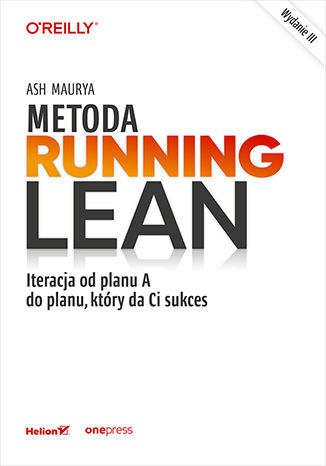
Metoda Running Lean. Iteracja od planu A do planu, który da Ci sukces. Wydanie III
Ash Maurya
Kilka lat temu sprawdzały się modele biznesowe, które dziś nie mają racji bytu. Teraz wprowadzanie nowych produktów jest szybkie i łatwe, konkurencja ogromna, a rozczarowani klienci nie dają drugiej szansy - po prostu odchodzą i wybierają inną ofertę. Jeśli więc chcesz osiągnąć sukces, musisz mieć świetny pomysł na rozwiązanie, za które ludzie będą chcieli zapłacić, następnie pozyskać płacących klientów, zapewnić sobie przychody i rozwijający się zespół. To trzecie, gruntownie uzupełnione wydanie świetnego podręcznika poświęconego metodzie Running Lean. W systematyczny i praktyczny sposób pokazano w nim, jak krok po kroku przekształcić pomysł w produkt, który będzie dopasowany do potrzeb rynku i dzięki temu zapewni płacących klientów. Znajdziesz tu omówienie zasad projektowania modelu biznesowego i testowania go w etapach z wykorzystaniem 90-dniowych cykli, dzięki czemu zdobędziesz płacących klientów bez konieczności wcześniejszego budowania produktu. To da Ci czas na stworzenie takiego, który przyniesie dochód. W książce pokazano też, jak maksymalizować proces wprowadzania produktu na rynek pod kątem szybkości, a także jak prowadzić iteracje pozwalające na jego dopasowanie do potrzeb rynku. Dzięki książce: sprawdzisz swój pomysł i przełożysz go na model biznesowy przetestujesz ryzykowne założenia za pomocą eksperymentów wykorzystasz wywiady z klientami do uczenia się od nich dotrzesz do klientów i nakłonisz ich do zakupu nauczysz się działać i podejmować decyzje w warunkach skrajnej niepewności Nie ma sensu tworzyć czegoś, czego nikt nie chce!

Andrzej Indrzejczak, Marek Nowak
Metody logiki. Dedukcja to pierwsza publikacja z planowanego cyklu poświęconego najważniejszym metodom i technikom wypracowanym na gruncie nowoczesnej logiki formalnej. W dostępnych monografiach i podręcznikach z zakresu logiki zazwyczaj więcej uwagi poświęcano prezentacji materiału teoretycznego. a zamieszczano zbyt mało wskazówek pokazujących. w jaki sposób konstruować dowody. Niniejsza książka i cały planowany cykl mają wypełnić tę lukę w polskim piśmiennictwie logicznym. Autorzy opracowania przedstawiają rozmaite sposoby konstrukcji dowodów metodą dedukcji naturalnej (założeniową) w logice klasycznej. arytmetyce liczb naturalnych i teorii mnogości. Dedukcja naturalna zaprezentowana jest najpierw w sposób formalny. na przykładach z logiki klasycznej, a następnie zastosowana w nieformalnej postaci do dowodzenia tez w teoriach matematycznych. Za pomocą bogatego materiału ilustracyjnego omówiono różne strategie i techniki dowodzenia, takie jak: wprost, nie wprost, dowody warunkowe i rozgałęzione oraz dowody z wykorzystaniem indukcji matematycznej.

Metody opisu i symulacji układów elektronicznych
Jan Ogrodzki
Niniejsza monografia poświęcona jest metodom formalnego opisu układów elektronicznych i opartej na tym opisie komputerowej symulacji. W procesie projektowania i fabrykacji współczesnych układów scalonych symulacja komputerowa jest nieodzownym narzędziem wspomagającym. Przytoczono podstawowe, najbardziej rozpowszechnione modele elementów półprzewodnikowych, by na ich podstawie wprowadzić Czytelników w dziedzinę opisów matematycznych układów fizycznych. Opisy te mogą mieć postać równań algebraicznych, różniczkowych zwyczajnych lub cząstkowych, lub, co jest równoważne, sieci elektrycznej, czyli połączenia wyidealizowanych elementów elektronicznych. Monografia zajmuje się tylko układami o stałych skupionych, a więc takimi, w których długość fali sygnału zmiennego jest dużo większa od rozmiarów geometrycznych układu.

Daishi Kato
State management is one of the most complex concepts in React. Traditionally, developers have used monolithic state management solutions. Thanks to React Hooks, micro state management is something tuned for moving your application from a monolith to a microservice.This book provides a hands-on approach to the implementation of micro state management that will have you up and running and productive in no time. You’ll learn basic patterns for state management in React and understand how to overcome the challenges encountered when you need to make the state global. Later chapters will show you how slicing a state into pieces is the way to overcome limitations. Using hooks, you'll see how you can easily reuse logic and have several solutions for specific domains, such as form state and server cache state. Finally, you'll explore how to use libraries such as Zustand, Jotai, and Valtio to organize state and manage development efficiently.By the end of this React book, you'll have learned how to choose the right global state management solution for your app requirement.