
Informatyka
Zajrzyj do kategorii Informatyka w księgarni internetowej Ebookpoint. Znajdziesz tutaj bestsellerowe książki, ebooki i kursy video z branży IT. Sięgnij po najlepszą literaturę dla specjalistów i rozwijaj doświadczenie, które już posiadasz, lub rozpocznij swoją przygodę z programowaniem, cyberbezpieczeństwem lub grafiką komputerową. Pogłębiaj swoją wiedzę tak, jak Ci wygodnie - z tradycyjną książką, wygodnym ebookiem lub nowoczesnym videokursem. Sprawdź, jakie tytuły znajdziesz w kategorii Informatyka!
Matematyczne modele uczenia maszynowego w językach MATLAB i PYTHON
Stanisław Osowski, Robert Szmurło
Prezentowane opracowanie dotyczy różnych modeli i metod stosowanych w uczeniu maszynowym. W szczególności, w poszczególnych rozdziałach przedstawione są takie zagadnienia, jak: regresja liniowa; klasyfikatory KNN; klasyfikatory Bayesa; modele matematyczne drzew decyzyjnych; sieci neuronowe MLP; sieci RBF; sieci SVM do klasyfikacji i regresji; sieci głębokie (CNN, autoenkoder, LSTM, transformer); zagadnienia zdolności generalizacyjnych modeli, w tym zespoły klasyfikatorów i systemów regresyjnych; transformacje i metody redukcji wymiaru danych wielowymiarowych; metody grupowania danych wielowymiarowych; wybrane metody generacji i selekcji cech diagnostycznych; metody oceny jakości rozwiązań; podstawowe rozwiązania adaptacyjnych systemów rozmytych. W przedstawieniu poszczególnych rozwiązań modelowych zaprezentowano zarówno strukturę pod-stawowych modeli, jak i algorytmy uczące dostosowane do konkretnego modelu. Ponieważ z punktu widzenia aktualnego stanu wiedzy do najważniejszych rozwiązań sztucznej inteligencji należą sztuczne sieci neuronowe. Tym zagadnieniom poświęcono najwięcej uwagi, wprowadzając różne rozwiązania sieciowe, w tym perceptron wielowarstwowy (MLP), sieć o radialnej funkcji bazowej (RBF), maszynę wektorów nośnych (SVM) czy różne rozwiązania głębokich sieci neuronowych wielowarstwowych, takich jak sieć konwolucyjna (CNN), autoenkoder (AE) czy sieć LSTM. Teoretyczne podstawy algorytmów uczących zostały zilustrowane przykładowymi programami implementującymi je przy użyciu oprogramowania Matlab i Python. Prezentowane w podręczniku skrypty z przykładami w Matlabie i Pythonie zostały udostępnione na platformie Github pod adresem: https://github.com/szmurlor/mmum. Podręcznik jest przeznaczony dla słuchaczy wyższych lat studiów, doktorantów i ludzi zainteresowanych metodami uczenia maszynowego, podstawowego narzędzia sztucznej inteligencji. Ze względu na interdyscyplinarny charakter tematyki może być wykorzystany zarówno w informatyce, inżynierii biomedycznej, jak i innych naukach technicznych. Wprowadzenie zarówno podstawowych jak i zaawansowanych pojęć uczenia maszynowego powoduje, że może być użyteczny dla osób początkujących i zaawansowanych w tej tematyce.
Matematyczne szkiełko i oko. Mniej i bardziej poważne zastosowania matmy
Dariusz Laskowski
Nie ma litości, jest matematyka! Matematyka to potęga do potęgi Czy wiesz, że matematyka to nie czarna magia, tylko dowcip, inteligencja i odrobina tajemniczości w czystej formie? Tak, tak. To nie żadna ściema czy inna niewiadoma. Zamiast włączać telewizor albo odpalać kolejną gierkę w sieci, otwórz tę książkę. Dzięki odkryciom matematyki przekonasz się, jak można odpowiedzieć na niezwykle frapujące pytania z codziennego życia - także Twojego własnego. Ile liczb mieści się na końcu szpilki? Na czym polega geometria bazgrołów? Co język C++ ma wspólnego z ponętną Moniką? Ile kompotu można wypić, gdy pan Czesław ma kolonoskopię? I wreszcie wyższa szkoła jazdy: jak odkodować PIN do lodówki algorytmem spigot? Okazuje się, że nieznana kraina faktów, teorii, hipotez, przełomowych eksperymentów i odkryć, dowodów, pojęć i matematycznych idei to nic innego jak nasze życie. A w życiu, jak w matematyce - jeden błąd może popsuć wszystko. Lepiej więc wiedzieć więcej i spojrzeć w zagadkowe oczy matmy. Nie taki X straszny, jak go malują…
Matematyczne zasady filozofii naturalnej
Isaac Newton
Principia są gruntownym podsumowaniem XVII-wiecznej wiedzy na temat podstawowych praw mechaniki, rozbudowanym następnie o wyniki własnych przemyśleń, badań teoretycznych, eksperymentów i astronomicznych obserwacji Isaaca Newtona. W jego czasach nie prowadzono jeszcze algebraicznych rachunków w takiej formie, jakiej dziś powszechnie używamy − królowały metody geometryczne, polegające na przekładaniu wartości wielkości fizycznych na długości odcinków i łuków, konstruowaniu z nich odpowiednich figur geometrycznych, badaniu relacji zachodzących między elementami tych figur i budowaniu w ten sposób dowodów twierdzeń. Ślady tego podejścia pozostały do dziś w postaci graficznego obrazu wektora jako strzałki i szkolnej metody sumowania wektorów. Podobne do współczesnych rachunki algebraiczne znajdujemy u Newtona w formie zaczątkowej i w zapisie niekiedy trudnym w odbiorze dla współczesnego czytelnika. Kolejne (trzy) oryginalne łacińskie wydania Principiów różnią się między sobą – Newton stopniowo rozszerzał wykład i zmieniał niektóre jego fragmenty. Wydanie trzecie uznawane jest za jego „ostatnie słowo”, i ten tekst (w angielskim tłumaczeniu Andrew Motte’a z roku 1729) stał się podstawą polskiego przekładu autorstwa Sławomira Brzezowskiego. Dr Sławomir Brzezowski – ukończył fizykę na Uniwersytecie Jagiellońskim. Doktorat z fizyki teoretycznej uzyskał w Zakładzie Teorii Pola Instytutu Fizyki UJ. Jest emerytowanym wykładowcą UJ.
Matematyka. 30 wykładów z ćwiczeniami
Jan Nawrocki
Podręcznik przeznaczony jest dla studentów I semestru uczelni technicznych. Przedstawiono w nim teorię, przykłady oraz ćwiczenia z następujących działów matematyki: elementy logiki i teoria zbiorów, relacje i odwzorowania, struktury algebraiczne, ciało liczb zespolonych, przestrzenie liniowe, macierze, wyznaczniki i układy równań, elementy geometrii analitycznej (prosta, płaszczyzna i powierzchnie stopnia drugiego w R3), ciągi i szeregi liczbowe, rachunek różniczkowy i całkowy funkcji jednej zmiennej, ciągi i szeregi funkcyjne, szeregi potęgowe, szeregi ortogonalne.
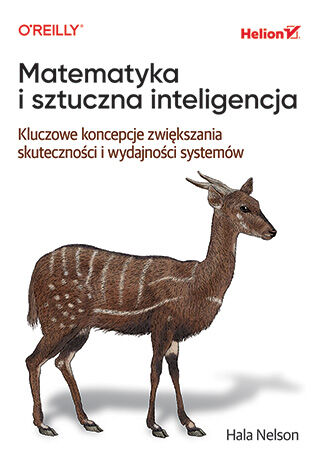
Hala Nelson
Sztuczna inteligencja i technologie oparte na danych są coraz częściej integrowane z istniejącymi systemami i operacjami. Ta tendencja dotyczy licznych branż. Dziś przy budowaniu systemów SI można korzystać z gotowych bibliotek, jeżeli jednak zależy Ci na w pełni świadomym tworzeniu doskonalszych aplikacji, musisz dobrze opanować matematykę leżącą u podstaw sztucznej inteligencji. Nawet jeśli nie darzysz królowej nauk płomiennym uczuciem, dzięki temu kompleksowemu opracowaniu z łatwością poradzisz sobie z jej lepszym poznaniem. Nie znajdziesz tu skomplikowanych teorii naukowych, tylko przystępnie podane koncepcje matematyczne niezbędne do rozwoju w dziedzinie sztucznej inteligencji, w szczególności do praktycznego stosowania najnowocześniejszych modeli. Poznasz takie zagadnienia jak regresja, sieci neuronowe, sieci konwolucyjne, optymalizacja, prawdopodobieństwo, procesy Markowa, równania różniczkowe i wiele innych w ekskluzywnym kontekście sztucznej inteligencji. Książkę docenią pasjonaci nowych technologii, twórcy aplikacji, inżynierowie i analitycy danych, a także matematycy i naukowcy. W książce: wyjaśnienie pojęć z zakresu uczenia maszynowego, inżynierii danych i matematyki ujednolicanie modeli w ramach jednej struktury matematycznej grafy i dane sieciowe eksploracja rzeczywistych danych, zmniejszanie liczby wymiarów i przetwarzanie obrazów korzystanie z modeli w różnych projektach opartych na danych implikacje i ograniczenia sztucznej inteligencji Ta książka w zachwycający sposób sprawia, że matematyka staje się zabawą dla licznych uczestników przyszłości opartej na sztucznej inteligencji! Adri Purkayastha, analityk oceny ryzyka, BNP Paribas O książce w mediach: Eksperyment Myślowy – recenzja książki
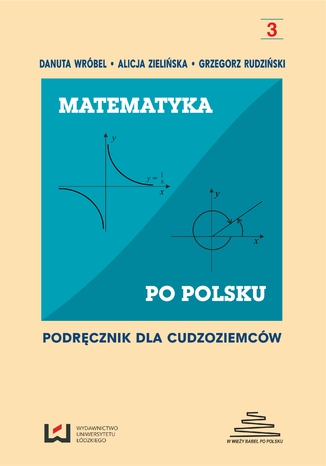
Matematyka po polsku. Podręcznik dla cudzoziemców
Danuta Wróbel, Alicja Zielińska, Grzegorz Rudziński
Matematyka po polsku jest podręcznikiem dla trzech grup odbiorców: po pierwsze, dla cudzoziemców, którzy chcąc podjąć w Polsce studia uczą się języka polskiego jako obcego; po drugie, dla osób, które znając język polski w zakresie ogólnym muszą uzupełnić jego znajomość w zakresie matematyki; po trzecie wreszcie, dla tych osób kształconych poza Polską, którzy z racji różnic w programach szkolnych opanowały inny niż obowiązujący u nas zakres wiedzy z tego przedmiotu. Zakłada się, że odbiorcami treści podręcznika są osoby, które znają matematykę na poziomie egzaminu maturalnego obowiązującego w ich krajach.
Matematyka. Podręcznik dla studentów kierunków ekonomicznych
Dorota Pekasiewicz
"Metody Ilościowe w Ekonomii, Finansach i Zarządzaniu" to cykl publikacji zawierający treści programowe z matematyki oraz statystyki obowiązujące studentów kierunków ekonomicznych, przydatne również osobom prowadzącym prace naukowe i badawcze. Cykl ten rozpoczyna Matematyka, w której przedstawione są najważniejsze pojęcia z zakresu analizy matematycznej i algebry, które mogą być wykorzystywane w badaniach ekonomicznych. Oprócz rozważań teoretycznych książka zawiera przykłady o charakterze matematycznym, mające na celu przybliżenie opisywanych problemów i wskazanie metod ich rozwiązania, a także przykłady prezentujące zastosowanie ekonomiczne rozważanych pojęć. W rozdziałach znajdują się też zadania do samodzielnego rozwiązania i pytania testowe, do których podane są odpowiedzi.
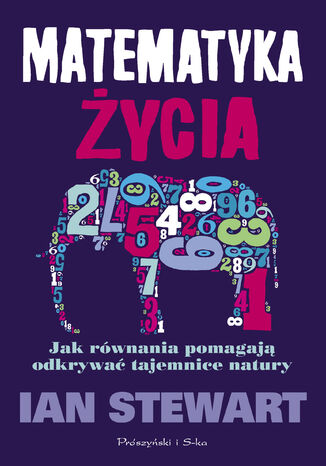
Matematyka życia. Jak równania pomagają odkrywać tajemnice natury
Ian Stewart
W swojej najnowszej książce Ian Stewart opowiada, jak matematyka pomaga nam w odkrywaniu tajemnic życia. Dzięki matematyce uczonym udaje się wyjaśnić ukrytą złożoność roślin i zwierząt, rzucić nowe światło na zachowanie i wzajemne oddziaływanie organizmów. W sposób niezwykle klarowny i intrygujący Ian Stewart omawia matematyczne aspekty badań nad życiem, między innymi ukryte mechanizmy żywych komórek, działanie mózgu i zachowanie wirusów. Zastanawia się nad możliwościami zaprojektowania i stworzenia sztucznych form życia i szacuje prawdopodobieństwo istnienia organizmów żywych w innych zakątkach Wszechświata. Rozważa nawet intrygującą kwestię, skąd na ciele tygrysa wzięły się pręgi i dlaczego jaszczurki szukające partnerek grają ze sobą w nożyce, papier, kamień. Matematyka życia, bogata w niezwykle ciekawe informacje i napisana z charakterystyczną dla Stewarta lekkością, głęboko zapadnie w pamięć czytelnikom. Ukazuje sposób, w jaki matematyka kształtuje nasze rozumienie rzeczywistości. The Guradian Ian Stewart światowej sławy matematyk i autor bestsellerowych książek popularnonaukowych. Jest emerytowanym profesorem Uniwersytetu w Warwick, gdzie wciąż prowadzi aktywną działalność naukową. W roku 2001 otrzymał nagrodę Towarzystwa Królewskiego im. Michaela Faradaya za popularyzację nauki. Jest autorem licznych książek popularnonaukowych poświęconych matematyce, z których na język polski przetłumaczono dotychczas m.in.: Oswajanie nieskończoności, Histerie matematyczne, Listy do młodego matematyka, Krowy w labiryncie i inne eksploracje matematyczne, Jak pokroić tort i inne zagadki matematyczne, Dlaczego prawda jest piękna, Stąd do nieskończoności, 17 równań, które zmieniły świat oraz Nauka Świata Dysku I, II, III (z Terrym Pratchettem i Jackiem Cohenem).