
Informatyka
Zajrzyj do kategorii Informatyka w księgarni internetowej Ebookpoint. Znajdziesz tutaj bestsellerowe książki, ebooki i kursy video z branży IT. Sięgnij po najlepszą literaturę dla specjalistów i rozwijaj doświadczenie, które już posiadasz, lub rozpocznij swoją przygodę z programowaniem, cyberbezpieczeństwem lub grafiką komputerową. Pogłębiaj swoją wiedzę tak, jak Ci wygodnie - z tradycyjną książką, wygodnym ebookiem lub nowoczesnym videokursem. Sprawdź, jakie tytuły znajdziesz w kategorii Informatyka!
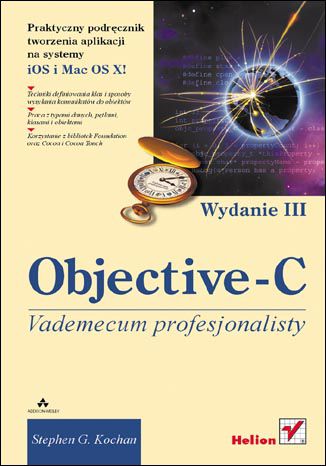
Objective-C. Vademecum profesjonalisty. Wydanie III
Stephen G. Kochan
Praktyczny podręcznik tworzenia aplikacji na systemy iOS i Mac OS X! Techniki definiowania klas i sposoby wysyłania komunikatów do obiektów Praca z typami danych, pętlami, klasami i obiektami Korzystanie z bibliotek Foundation oraz Cocoa i Cocoa Touch Tak jak iPhone, iPad czy iPod Touch błyskawicznie stały się obiektem pożądania milionów ludzi na całym świecie, tak samo szybko rynek upomniał się o specjalistów od tworzenia aplikacji na te innowacyjne urządzenia. Mimo że od 2007 roku, gdy Apple opublikowało zaktualizowaną wersję języka Objective-C, oznaczoną jako 2.0, minęło już trochę czasu, programistów znających ten język wciąż jest niewielu, a zapotrzebowanie na programy dla systemów iOS i Mac OS X stale rośnie. Warto zatem opanować ten potężny język, zarazem prosty i oferujący ogromne perspektywy zawodowe. Zwłaszcza że można go wykorzystać także na wielu innych platformach z kompilatorem gcc, a więc między innymi w systemach Unix, Linux i Windows. Oto książka stworzona z myślą o programistach stawiających pierwsze kroki w języku Objective-C. Do wykorzystania zawartej tu wiedzy nie jest potrzebna znajomość języka C ani żadnego innego obiektowego języka programowania. Podstawą do nauki są dziesiątki ciekawych przykładów i ćwiczeń, ilustrujących użycie poszczególnych cech i ułatwiających zrozumienie poznawanych zagadnień. Książkę podzielono na trzy części. Pierwsza zawiera podstawowe wiadomości na temat języka Objective-C 2.0, a w drugiej znajdziesz opis klas dostępnych w bibliotece Foundation. Część trzecia poświęcona została niezwykle ważnym bibliotekom Cocoa i Cocoa Touch. Na końcu książki zamieszczono kurs pisania programów dla systemu iOS przy użyciu Software Development Kit iOS oraz biblioteki UIKit. Poznaj Objective-C i czerp z tego korzyści! Proces tworzenia pierwszego programu w języku Objective-C Klasy, obiekty i metody, czyli podstawy programowania obiektowego Typy danych i wyrażenia oraz sposoby ich używania w programach Rodzaje pętli, których można używać w programach: for, while i do Szczegółowy opis technik pracy z klasami i obiektami Wprowadzenie do pojęcia dziedziczenia Polimorfizm oraz typowanie i wiązanie dynamiczne Techniki inicjacji obiektów, bloki, protokoły, kategorie, preprocesor oraz niektóre elementy języka C Obiekty liczbowe i łańcuchowe, kolekcje, systemy plików Techniki zarządzania pamięcią oraz proces kopiowania i archiwizowania obiektów Wprowadzenie do Cocoa i Cocoa Touch Pisanie programów dla systemu iOS i wprowadzenie do SDK iOS oraz biblioteki UIKit Zacznij pisać własne, funkcjonalne programy na iPhone’a, iPada oraz iPoda Touch! Stephen G. Kochan jest autorem lub współautorem kilku uznanych książek na temat języka C, między innymi Programming in C, Programming in ANSI C i Topics in C Programming, a także kilku publikacji dotyczących Uniksa, np. Exploring the Unix System i Unix Shell Programming. Pisze programy dla komputerów Macintosh od samego początku ich istnienia, a więc od roku 1984, kiedy pojawił się pierwszy Mac. Napisał książkę Programming C for the Mac wydaną w serii Apple Press Library, a także książkę Beginning AppleScript.
Stoyan STEFANOV
The book requires no prior knowledge of JavaScript and works from the ground up to give you a thorough grounding in this powerful language. If you do already know some JavaScript, you will find plenty of eye-openers as you discover just what the language can do. This book takes a do-it-yourself approach when it comes to writing code, because the best way to really learn a programming language is by writing code. You are encouraged to type code into Firebug's console, see how it works and then tweak it and play around with it. There are practice questions at the end of each chapter to help review what you have learned.
Stoyan STEFANOV
JavaScript is the behavior, the third pillar in today's paradigm that looks at web pages as something that consists of clearly distinguishable parts: content (HTML), presentation (CSS) and behavior (JavaScript). Using JavaScript, you can create not only web pages but also desktop widgets, browser and application extensions, and other pieces of software. It's a pretty good deal: you learn one language and then code all kinds of different applications. While there's one chapter specifically dedicated to the web browser environment including DOM, Events and AJAX tutorials, the rest is applicable to the other environmentsMany web developers have tried coding or adopting some bits of JavaScript, but it is time to man up and learn the language properly because it is the language of the browser and is, virtually, everywhere. This book starts from zero, not assuming any prior JavaScript programming knowledge and takes you through all the in-depth and exciting futures hidden behind the facade. Once listed in the nice to have sections of job postings, these days the knowledge of JavaScript is a deciding factor when it comes to hiring web developers. After reading this book you'll be prepared to ace your JavaScript job interview and even impress with some bits that the interviewer maybe didn't know. You should read this book if you want to be able to take your JavaScript skills to a new level of sophistication.
Matthew Gifford
Are you tired of procedural programming or is your extensive code base starting to become un-manageable? Breathe some new life into your code and improve your development skills with the basic concepts of object-oriented programming. Utilize objects, modular components, and design patterns to expand your skills and improve your ColdFusion applications. Packed with example code, and written in a friendly, easy-to-read style, this book is just what you need if you are serious about ColdFusion.This book is a fast-paced tutorial to important ColdFusion object-oriented programming topics. It will give you clear, concise, and practical guidance to take you from the basics of ColdFusion to the skills that will make you a ColdFusion developer to be reckoned with. Don't be put off by jargon or complex diagrams; read and see how you can benefit from this book and extend your development skills in the process.Using the practical examples within this guide, you will learn how to structure your applications and code, applying the fundamental basics of object-oriented programming to develop modular, reusable components that will scale easily with your application. You will learn the basic fundamental practices of object-oriented programming, from object creation and re-use, to Bean objects, service layers, Data Access objects, and sample design patterns to gain a better understanding of OOP using examples that can be altered and applied in your application. Complete with detailed code samples and snippets, and written in a friendly easy-to-follow style, you will be able to break free from writing purely procedural code and enhance your applications by building structured applications utilizing basic design patterns and object-oriented principles.
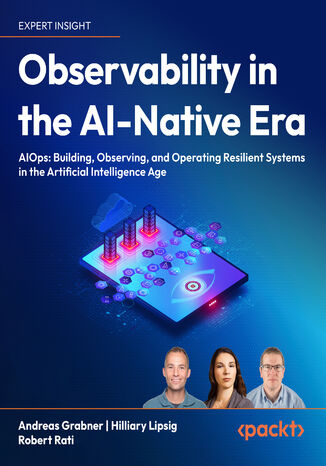
Hilliary Lipsig, Andreas Grabner, Robert Rati, Max...
Observability is mandatory for building and operating cloud-native distributed systems. Tools like OpenTelemetry have standardized how observability data is sourced, and AI now transforms how we extract value from the vast amounts of observability data generated by modern systems. This book guides you in implementing scalable observability, improving engineering efficiency with AI, and integrating observability throughout the Software Development Lifecycle (SDLC) via modern self-service internal developer platforms.You'll start with observability basics and learn how AIOps enhances signal correlation, anomaly detection, and root-cause analysis. Using real-world examples, the book demonstrates how to implement AIOps, build proactive detection pipelines, and automate diagnostics and remediation. You'll explore best practices for expanding observability using OpenTelemetry, Prometheus, Grafana, Dynatrace, Datadog, and New Relic alongside machine learning models, ensuring your systems are accurate, efficient, and secure.You'll also learn how to benchmark, measure, and secure your AIOps implementation, and gain a practical understanding of software compliance and how it applies to your systems. By the end of this book, you'll be ready to design and deliver AIOps-enabled observability solutions that make cloud-native systems more resilient, efficient, and secure.
Rob Chapman, Peter Holmes
To overcome application monitoring and observability challenges, Grafana Labs offers a modern, highly scalable, cost-effective Loki, Grafana, Tempo, and Mimir (LGTM) stack along with Prometheus for the collection, visualization, and storage of telemetry data.Beginning with an overview of observability concepts, this book teaches you how to instrument code and monitor systems in practice using standard protocols and Grafana libraries. As you progress, you’ll create a free Grafana cloud instance and deploy a demo application to a Kubernetes cluster to delve into the implementation of the LGTM stack. You’ll learn how to connect Grafana Cloud to AWS, GCP, and Azure to collect infrastructure data, build interactive dashboards, make use of service level indicators and objectives to produce great alerts, and leverage the AI & ML capabilities to keep your systems healthy. You’ll also explore real user monitoring with Faro and performance monitoring with Pyroscope and k6. Advanced concepts like architecting a Grafana installation, using automation and infrastructure as code tools for DevOps processes, troubleshooting strategies, and best practices to avoid common pitfalls will also be covered.After reading this book, you’ll be able to use the Grafana stack to deliver amazing operational results for the systems your organization uses.
Steve Ries
Oracle Database Server is the most widely used relational database in the world today. This book gives you the essential skills to master the fundamentals of Oracle database administration and prepares you for Oracle DBA certification.OCA Oracle Database 11g: Database Administration I: A Real-World Certification Guide prepares you to master the fundamentals of Oracle database administration using an example driven method that is easy to understand. The real world examples will prepare you to face the daily challenges of being a database administrator.Starting with the essentials of why databases are important in today's information technology world and how they work, you are then guided through a full, customized installation of the Oracle software and creating your own personal database. We then examine fundamental concepts of Oracle, including architecture, storage structures, security, performance tuning, networking, and instance management. Finally, we take an in-depth look at some of the most important concepts in the daily life of an Oracle DBA - backup, recovery, and data migration.OCA Oracle Database 11g: Database Administration I: A Real-World Certification Guide provides you with the skills you need in order to become a successful Oracle DBA, both for certification and real life tasks.

Ochrona danych osobowych w KSeF - status administratorów i podstawa prawna przetwarzania danych
Marcin Sarna
Wdrażanie Krajowy System e-Faktur (KSeF) wiąże się z centralizacją danych finansowych i osobowych, co rodzi pytania o bezpieczeństwo, odpowiedzialność i podstawy prawne przetwarzania danych. E-book "Ochrona danych osobowych w KSeF - status administratorów i podstawa prawna przetwarzania danych" łączy omówienie przepisów prawa z praktycznymi wskazówkami dotyczącymi codziennego stosowania KSeF, zapewniając pewność prawną i ograniczając ryzyko naruszeń.