
Informatyka
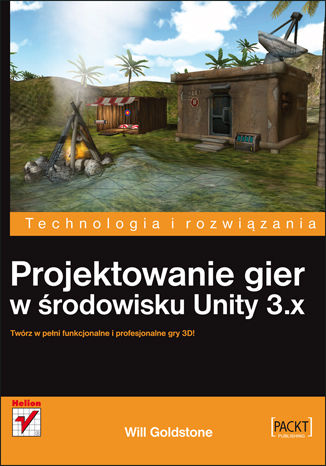
Projektowanie gier w środowisku Unity 3.x
Will Goldstone
Stwórz w pełni funkcjonalne i profesjonalne gry 3D! Silniki gier, takie jak Unity, są znanymi, cenionymi, a przede wszystkim potężnymi narzędziami ułatwiającymi tworzenie gier. Środowisko Unity jest jednym z najczęściej używanych oraz najbardziej cenionych pakietów, pozwalających na projektowanie gier komputerowych. Może ono być wykorzystywane przez bardzo różnych użytkowników, poczynając od hobbystów, a kończąc na dużych firmach. Pozwala tworzyć gry oraz interaktywne aplikacje dla przeglądarek internetowych, komputerów stacjonarnych, urządzeń przenośnych czy konsol. Dzięki intuicyjnemu i prostemu w obsłudze zestawowi narzędzi Unity oraz niniejszej książce także i Ty możesz stać się twórcą gier komputerowych. Jeżeli jesteś projektantem gier lub masz dobry pomysł na grę, który chciałbyś wcielić w życie, z pomocą przyjdzie Ci ta książka. Dzięki niej błyskawicznie przygotujesz prototyp lub nawet całościowe rozwiązanie! W trakcie lektury nauczysz się projektować gry z wykorzystaniem silnika Unity 3, skryptów w języku C# oraz JavaScriptu. Niezwykle istotne jest to, że książka da Ci solidne podstawy w zakresie rozumienia kluczowych koncepcji związanych z projektowaniem gier - od fizyki świata gry aż do systemu cząstek. Ponadto dowiesz się, jak zapewnić najwyższą wydajność Twoim rozwiązaniom, budować interakcje oraz dzielić się z graczami gotowym rozwiązaniem. Żeby zacząć przygodę z tworzeniem gier, nie musisz posiadać żadnej specjalistycznej wiedzy, wystarczy Ci tylko ta książka! Brzmi kusząco? Spróbuj sam! Sięgnij po tę książkę, a następnie: zaprojektuj własną grę komputerową zrealizuj projekt i podziel się efektami ze znajomymi spełnij swoje marzenia oraz zwizualizuj najlepsze pomysły wirtualnych światów zapewnij najwyższą wydajność Twojej grze Tylko krok dzieli Cię od własnej gry komputerowej!
Jennifer Niederst Robbins
Ty też możesz mieć swoją stronę WWW! Marzy Ci się własna strona internetowa lub profesjonalna witryna dla Twojej firmy? Jeżeli brak Ci odpowiednich umiejętności, to zadanie może być poza Twoim zasięgiem. Ale do czasu! Ta książka zawiera dawkę wiedzy, która nawet kompletnemu laikowi pozwoli zaprojektować i zbudować witrynę WWW. Dzięki licznym przykładom przebrniesz przez kolejne etapy tworzenia strony internetowej oraz odkryjesz w sobie pasję webmastera! Kolejne wydanie tej cenionej książki zostało gruntownie przeredagowane i uzupełnione o nowe informacje tak, aby prezentowało obecnie wykorzystywane narzędzia i panujące trendy w projektowaniu stron internetowych. W trakcie lektury poznasz składnię języka HTML, wykorzystywane znaczniki oraz nowości zawarte w HTML5. Ponadto zaznajomisz się z kaskadowymi arkuszami stylów (CSS) oraz przekonasz się, jaki potencjał kryje język JavaScript. Nauczysz się także przygotowywać odpowiednią grafikę na potrzeby strony WWW. Książka ta jest doskonałym przewodnikiem wprowadzającym w świat projektowania! Dowiedz się: jak wykorzystać arkusze stylów CSS dlaczego należy odpowiednio przygotować grafikę na stronę WWW do czego wykorzystać język JavaScript jak zbudować pierwszą stronę WWW Przewodnik dla początkujących projektantów WWW!
Jennifer Niederst Robbins
Jak zacząć pisać strony internetowe? Jak wybrać odpowiednie narzędzia do tworzenia witryn? Jak budować arkusze stylów i optymalizować źródło strony HTML? Od czego mam zacząć? Czy ja się do tego nadaję? Nie mam na to czasu... Wielu z nas właśnie z takim nastawianiem zabiera się do pisania swojej pierwszej strony internetowej. Takie i podobne wątpliwości rozwiewa właśnie ta książka, przeznaczona dla osób niemających żadnej wiedzy na temat tworzenia stron internetowych, a które chciałyby taką stronę wykreować. Czytając ją i pracując nad wieloma przykładami, nauczysz się, jak opracować swoją pierwszą stronę internetową i stopniowo odkryjesz w sobie pasję webmastera! Jennifer Niederst Robbina, bazując na swoim kilkunastoletnim doświadczeniu w dziedzinie tworzenia stron internetowych, udowadnia, że pisać strony może każdy, należy mu tylko wskazać drogę. Książka "Projektowanie stron internetowych" jest trzecią edycją przewodnika dla początkujących, lecz napisana została całkowicie od początku, z uwzględnieniem najnowszych technologii i trendów w tej dziedzinie. Dodatkowym atutem książki jest przejrzystość i łatwo przyswajalny język oraz liczne przykłady i ćwiczenia, które pozwalają lepiej zrozumieć i przyswoić materiał. Struktura i znaczniki HTML Elementy struktury (X)HTML Tabele, obrazki, odnośniki, animacje i inne elementy stron Formatowanie tekstu Formularze i pola edycji Pływanie oraz pozycjonowanie elementów stron Arkusze stylów CSS Układ strony oparty na arkuszach stylów CSS Techniki CSS Grafika stron internetowych i jej optymalizacja Umieszczanie stron w Internecie Poznaj techniki tworzenia, napisz i umieść własną stronę internetową w sieci!
Projektowanie systemów CMS przy użyciu PHP i jQuery
Kae Verens
Zbuduj CMS na miarę swoich potrzeb! Jak zaprojektować jądro systemu CMS? Jak zarządzać użytkownikami? Jak przygotować instalator? Na rynku systemów do zarządzania treścią jest ogromny wybór różnorodnych rozwiązań, od Joomli! zaczynając, a na Drupalu i Wordpressie kończąc. Warto jednak zastanowić się, czy nie lepiej stworzyć własne, skrojone na miarę rozwiązanie, idealnie dopasowane do potrzeb i możliwości. Zamiast przedzierać się przez zawiłą konfigurację, przygotowywać szablony i próbować pogodzić ze sobą wtyczki, być może lepiej tę energię spożytkować na napisanie własnego CMS-a? Jeżeli zdecydujesz się na to, w niniejszej książce znajdziesz szczegółowy przewodnik, jak dokonać tego przy użyciu najpopularniejszych narzędzi: łącząc język PHP i bibliotekę jQuery. W trakcie lektury dowiesz się, jak zaprojektować jądro swojego nowego systemu, moduł zarządzania użytkownikami oraz własny mechanizm szablonów. Ponadto nauczysz się zarządzać treścią, tworzyć hierarchię stron oraz edytować je przy użyciu wygodnych narzędzi, takich jak CKeditor. Na koniec zbudujesz instalator swojego CMS-a oraz wzbogacisz go o obsługę wtyczek i widżetów. Książka ta jest pozycją obowiązkową dla każdego webmastera pragnącego stworzyć własny, unikatowy system zarządzania treścią. Główne zagadnienia omówione w książce: jądro systemu CMS, panel administracyjny, struktura bazy danych oraz katalogów, zarządzanie użytkownikami - role, rodzaje użytkowników, logowanie użytkowników, procedura odzyskiwania hasła, wyświetlanie listy stron, tworzenie, edycja i usuwanie stron, wykorzystanie narzędzia CKeditor, tworzenie i obsługa szablonów, rozszerzanie funkcjonalności za pomocą wtyczek, budowa instalatora. Zbuduj swój autorski system CMS, wykorzystując niezastąpiony duet PHP i jQuery!
Brendan Burns
Brendan Burns prezentuje praktyczne wzorce i paradygmaty projektowe, które są niezbędne do budowy nowoczesnych aplikacji natywnych dla chmury! Lalithkumar Prakashchand, programista w Meta Platforms Rozpowszechnienie kontenerów i narzędzi do ich orkiestracji zrewolucjonizowało sposób projektowania i rozwijania systemów rozproszonych. Dziś projektanci mają do dyspozycji gotowe obiekty, interfejsy, a także coraz bogatszy zestaw sprawdzonych wzorców. Dzięki temu mogą budować komponenty nadające się do wielokrotnego użytku i łatwo skalować całe systemy. To drugie, zaktualizowane wydanie popularnego podręcznika przedstawia bogatą kolekcję wzorców, dzięki którym tworzenie niezawodnych aplikacji rozproszonych staje się prostsze i bardziej efektywne. Zastosowanie komponentów wielokrotnego użytku pozwala uniknąć ciągłej reimplementacji tych samych rozwiązań, a praktyczne wzorce opisane w książce świetnie sprawdzają się w pracy z systemem Kubernetes. To niezbędny przewodnik dla każdego architekta i inżyniera oprogramowania, który chce budować skalowalne i odporne na awarie aplikacje natywne dla chmury. W książce: koncepcje i podstawowe pojęcia dotyczące systemów rozproszonych wzorce jednowęzłowe: Przyczepa, Adapter i Ambasador wzorce serwowania usług i programowanie zdarzeniowe wzorce wsadowego przetwarzania danych infrastruktura sztucznej inteligencji typowe błędy projektowe, monitorowanie aplikacji i reakcje na typowe awarie Lektura obowiązkowa dla inżynierów odpowiedzialnych za niezawodność witryn internetowych, a także programistów, którzy chcą w pełni wykorzystać możliwości systemu Kubernetes. Swapnil Shevate, inżynier i pasjonat niezawodnych witryn internetowych
Projektowanie układów scalonych CMOS, wyd.1/2010
Adam Gołda, Andrzej Kos
Podręcznik poświęcony podstawowym zagadnieniom z zakresu projektowania układów scalonych CMOS, obecnie powszechnie stosowanym we wszystkich dziedzinach przemysłu, telekomunikacji, medycynie i wielu innych. Podano podstawowe wiadomości dotyczące tranzystorów MOS i elementów stosowanych w technologii CMOS, a także opis oprogramowania wspierającego hierarchiczne projektowanie układów scalonych. Przedstawiono projektowanie układów scalonych metodami bottom-up (od pojedynczego elementu do układu) oraz top-down (od funkcji układu do jego fizycznej realizacji). Odbiorcy książki: studenci wydziałów elektroniki, telekomunikacji i informatyki wyższych uczelni technicznych, studenci wydziałów informatyki uniwersytetów, słuchacze studiów doktoranckich i podyplomowych.
Projektowanie witryn internetowych dla urządzeń mobilnych
Gail Frederick, Rajesh Lal
Poznaj najlepsze praktyki tworzenia mobilnych witryn internetowych Jak budować interaktywne witryny dla smartfonów? Jak zwiększyć użyteczność mobilnej witryny internetowej? Jak zoptymalizować serwer WWW pod kątem przeglądarek mobilnych? Internet mobilny to wyjątkowo ekscytujący, ale i chaotyczny ekosystem, który podlega gwałtownym i trudnym do przewidzenia zmianom. Ten podręcznik pozwoli Ci nie tylko przetrwać w tym fascynującym i "dziewiczym" świecie, ale skutecznie radzić sobie z pojawiającymi się w nim problemami — ze składnią, semantyką i programowaniem. Książka, którą trzymasz w rękach, to niezastąpiony przewodnik po dżungli mobilnego Internetu. Pozwoli Ci oswoić wszelkie problemy, z którymi możesz spotkać się jako programista. Książka "Projektowanie witryn internetowych dla urządzeń mobilnych" zawiera szczegółowe opisy standardów, najlepszych praktyk i technik projektowania, niezbędnych do budowy interaktywnych stron WWW dla urządzeń mobilnych. Korzystając z tego podręcznika, nauczysz się stosować rozszerzenia dostępne dla zaawansowanych przeglądarek instalowanych w smartfonach, a także optymalizować, sprawdzać, testować oraz wdrażać witryny mobilne w publicznym Internecie i specyficznym ekosystemie mobilnym. Opanujesz niezbędne umiejętności i nabierzesz pewności siebie potrzebnej do tworzenia przenośnych aplikacji internetowych w niezwykłym środowisku urządzeń mobilnych. Mobilna witryna internetowa Mobilne arkusze stylów Konfiguracja środowiska Składnia mobilnych witryn internetowych Rozpoznawanie urządzeń i dostosowywanie treści Model wytwarzania iteracyjnego Wdrażanie rozwiązań w ekosystemie mobilnym Optymalizacja kodu mobilnego języka znaczników Testowanie i wdrażanie mobilnej witryny internetowej Z tym podręcznikiem z łatwością oswoisz i uporządkujesz chaos ekosystemu Internetu mobilnego
Projekty elektroniczne dla bystrzaków
Earl Boysen, Nancy C. Muir
W prostocie tkwi siła Naucz się: surfować po falach radiowych budować szalone dekoracje zarabiać dzięki wykrywaczowi metalów własnej produkcji wykrywać ruch rozszyfrowywać najbardziej skomplikowane schematy bezpiecznie obchodzić się z prądem W książce znajdziesz: najpopularniejsze komponenty elektroniczne szeroki wybór projektów do wykonania zasoby, z których warto korzystać źródła wiedzy specjalistycznej elektroniczny arsenał możliwości Z prądem czy pod prąd? Kto powiedział, że nauka musi być nudna? Jeśli choć trochę interesujesz się elektroniką, to wiesz, że opiera się ona na bardzo prostych podstawach, a jeśli lubisz tworzyć elektroniczne gadżety, to z pewnością zainteresuje Cię ta książka. Znajdziesz w niej szczegółowe wskazówki, które pozwolą Ci zbudować układ synchronizujący światło i dźwięk, gokarta na podczerwień czy odstraszacz na koty. Samodzielnie stworzysz zdalnie sterowane cuda oraz gadające zabawki. W książce znajdziesz schematy obwodów, a także listy wszystkich podzespołów i narzędzi potrzebnych do wykonania projektu. Poznasz zasady bezpiecznej pracy nad projektami elektronicznymi. W końcu twórczo wykorzystasz elektronikę! Do dzieła! Wykorzystaj elektronikę do stworzenia zachwycających projektów! Komponenty, narzędzia i zwoje mózgowe, czyli co musisz mieć i co wiedzieć przed przystąpieniem do pracy. Układy dźwiękowe, czyli jak twórczo wykorzystać dźwięki w gadżetach elektronicznych. Niech się stanie światłość, czyli do czego może posłużyć światło o różnej długości fali. Pozytywne wibracje, czyli po co Ci urządzenia reagujące na wstrząsy.