
Informatyka
Ruby on Rails. Wprowadzenie. Wydanie II
Bruce Tate, Lance Carlson, Curt Hibbs
Poznaj Ruby on Rails i twórz potężne aplikacje internetowe w zaledwie kilka dni Jak budować dynamiczne strony, nastawione na użytkownika? Jak rozwiązać problemy z wydajnością baz danych? Jak sprawnie i efektywnie korzystać z platformy Ruby on Rails? Dlaczego masz wybrać Ruby on Rails? Głównie dlatego, że jest to wyjątkowe narzędzie, które umożliwia budowę aplikacji internetowych każdego typu (w tym portali społecznościowych, witryn e-commerce, oprogramowania do zarządzania oraz tworzenia statystyk) w zaledwie kilka dni! A to wszystko dzięki Rails -- doskonale wyposażonemu frameworkowi do tworzenia aplikacji internetowych opartych o bazy danych -- który oferuje środowisko z wykorzystaniem języka Ruby. Zaś ten język programowania charakteryzuje się niezwykłym połączeniem cech: jest równocześnie prosty, elegancki i elastyczny, co pozwala dowolnie modyfikować jego części. Książka "Ruby on Rails. Wprowadzenie. Wydanie II" zawiera szczegółowe porady i wskazówki dotyczące instalacji oraz korzystania z Rails 2.1, a także języka skryptowego Ruby. W podręczniku znajdziesz nie tylko wyjaśnienia odnośnie sposobu działania Rails, ale również opis kompletnej aplikacji. Dzięki temu przewodnikowi dowiesz się, w jaki sposób współpracują ze sobą wszystkie aplikacje tworzące szkielet Rails, a ponadto nauczysz się sprawnie korzystać z dokumentacji oprogramowania i tworzyć zaawansowane aplikacje znacznie szybciej niż dotychczas. Uruchamianie i organizacja Rails Budowanie widoku Rusztowania, REST i ścieżki Klasy złożone Rozbudowywanie widoków Zarządzanie układem strony Arkusze stylów Tworzenie własnych funkcji pomocniczych Testowanie i debugowanie Tworzenie nowej aplikacji Rails Wyczerpujące i przyjazne wprowadzenie w Ruby on Rails.
David Flanagan, Yukihiro Matsumoto
Poznaj możliwości Ruby! Dlaczego Ruby zdobył tak dużą popularność? Jak wykorzystać wyrażenia regularne w tym języku? Jak tworzyć w Ruby aplikacje sieciowe? Zaprojektowany i stworzony w 1995 roku język Ruby dzięki swym unikalnym możliwościom zdobywa sobie coraz większe uznanie programistów na całym świecie. Jak udało mu się wkupić w łaski tego nieufnego środowiska? Przyczyniła się do tego między innymi prosta składnia z wbudowanymi w nią wyrażeniami regularnymi, automatyczne oczyszczanie pamięci i przeciążanie operatorów. Dodatkowo ogromna i chętna do pomocy społeczność sprawia, że to rozwiązanie staje się jeszcze bardziej atrakcyjne. Uwaga! Jednym z autorów tej książki jest sam Yukihiro Matsumoto - twórca języka Ruby! Książka stanowi kompletny zbiór informacji na temat języka Ruby. Jeśli naprawdę chcesz zrozumieć ten język, oto obowiązkowa pozycja do przeczytania! W trakcie lektury zapoznasz się z bogatym API, pozwalającym na przetwarzanie tekstu; zrozumiesz techniki związane z wykonywaniem działań na liczbach, implementacją kolekcji, operacjami wejścia-wyjścia oraz pracą współbieżną i operacjami sieciowymi. Ponadto znajdziesz tu elementy dostępne powszechnie w językach programowania, takie jak instrukcje warunkowe, pętle czy też operatory logiczne. Dzięki książce "Ruby. Programowanie" wykorzystanie metod i obiektów klasy Proc oraz stosowanie platformy Ruby nie będzie stanowiło dla Ciebie najmniejszego problemu! Wprowadzenie do języka Ruby Sposoby uruchamiania programów napisanych w Ruby Dostępne typy danych Zastosowanie wyrażeń i operatorów Sterowanie przepływem Wykorzystanie iteratorów oraz enumeratorów Obsługa wyjątków Zastosowanie współbieżności Użycie domknięć Cykl życia obiektów Refleksje oraz metaprogramowanie Liczby w Ruby Używanie wyrażeń regularnych Kolekcje Operacje na dacie i godzinie Tablice jedno- oraz wielowymiarowe Obsługa plików oraz katalogów Programowanie sieciowe Obsługa środowiska Ruby Gwarancja bezpieczeństwa Wykorzystaj elastyczność i możliwości języka Ruby!
Lucas Carlson, Leonard Richardson
Zbiór gotowych rozwiązań dla programistów używających języka Ruby Jak przetwarzać pliki XML i HTML? Jak wykorzystywać środowisko Ruby on Rails? W jaki sposób łączyć Ruby z technologią AJAX? Korzystasz w pracy z języka Ruby i zastanawiasz się, czy niektóre zadania programistyczne można wykonać szybciej? Chcesz poznać zasady programowania obiektowego w Ruby? A może interesuje Cię framework Ruby on Rails? Język Ruby zdobywa coraz większą popularność, jest wykorzystywany do tworzenia aplikacji sieciowych i stał się podstawą środowiska Ruby on Rails. Jednak nawet najlepszy język programowania nie uwalnia programistów od żmudnego realizowania zadań, które nie mają zbyt wiele wspólnego z tworzeniem aplikacji, czyli usuwania błędów, implementowania typowych algorytmów, poszukiwania rozwiązań mniej lub bardziej typowych problemów i wielu innych. Książka "Ruby. Receptury" znacznie przyspieszy Twoją pracę. Znajdziesz tu kilkaset praktycznych rozwiązań problemów wraz z przejrzystym komentarzem oraz tysiące wierszy proponowanego kodu, który będziesz mógł wykorzystać w swoich projektach. Przeczytasz o strukturach danych, algorytmach, przetwarzaniu plików XML i HTML, tworzeniu interfejsów użytkownika dla aplikacji i połączeniach z bazami danych. Nauczysz się generować i obrabiać pliki graficzne, korzystać z usług sieciowych, wyszukiwać i usuwać błędy w aplikacjach, a także pisać skrypty niezwykle pomocne w administrowaniu systemem operacyjnym Linux. Przetwarzanie danych tekstowych i liczbowych Operacje na tablicach Praca z systemem plików Programowanie obiektowe Przetwarzanie dokumentów XML i HTML oraz plików graficznych Generowanie plików PDF Połączenie z bazami danych Korzystanie z poczty elektronicznej, protokołu telnet i połączeń Torrent Projektowanie aplikacji internetowych za pomocą Ruby on Rails Stosowanie usług sieciowych Optymalizacja aplikacji Tworzenie wersji dystrybucyjnych Automatyzacja zadań z wykorzystaniem języka Rake Budowanie interfejsów użytkownika Jeśli chcesz rozwiązać problem, skorzystaj z gotowej receptury -- koło już wynaleziono.
Michael Fitzgerald
Poznaj praktyczne zastosowania języka Ruby Podstawowe konstrukcje języka i zasady programowania obiektowego Operacje na tekstach, liczbach i plikach Framework Ruby on Rails Ruby -- obiektowy język programowania, względnie nowy, bo opracowany na początku lat 90. ubiegłego wieku, zdobywa coraz większą popularność. W zakresie tworzenia aplikacji internetowych staje się poważną konkurencją dla Perla, PHP i Javy. Jest niezwykle elastyczny, posiada prostą składnię i spore możliwości, a tworzony w nim kod jest bardzo zwarty. Za pomocą Ruby można pisać zarówno proste skrypty administracyjne, jak i rozbudowane aplikacje internetowe. W budowaniu tych ostatnich niezwykle pomocny jest framework Ruby on Rails, dzięki któremu proces tworzenia aplikacji przebiega błyskawicznie. Książka "Ruby. Wprowadzenie" to podręcznik dla tych, którzy chcą poznać możliwości języka bez konieczności studiowania zawiłych opisów teoretycznych. Przedstawia Ruby na praktycznych przykładach, pokazując jego zastosowania w typowych zadaniach, z jakimi spotyka się na co dzień programista aplikacji sieciowych. Czytając tę książkę, poznasz elementy języka Ruby i nauczysz się programować obiektowo. Dowiesz się, w jaki sposób przetwarzać dane liczbowe, teksty i tablice, pliki i katalogi oraz dokumenty XML. Przeczytasz także o środowisku Ruby on Rails. Instalacja języka Ruby w różnych systemach operacyjnych Instrukcje i operatory Przetwarzanie tekstów i operacje matematyczne Operacje na systemie plików Korzystanie z plików XML Programowanie obiektowe Wprowadzenie do Ruby on Raili Wejdź do świata Ruby, a pokochasz jego możliwości!
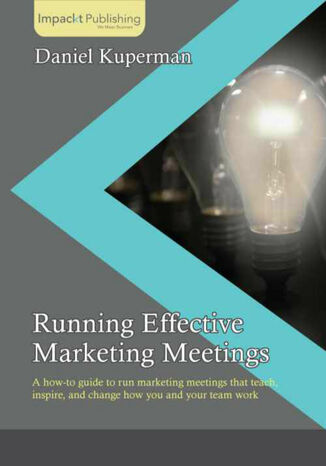
Daniel Kuperman
As a marketing professional you will spend a lot of time in different types of meetings and knowing how to properly plan, prepare, conduct, and follow up to these meetings are critical skills to have. Not every meeting is the same and each type of marketing meeting has its own challenges. Be ready to tackle your marketing meetings and learn how to get the most out of them.Running Effective Marketing Meetings is a how-to guide for both the junior and experienced marketing professional. By covering the most common types of marketing meetings, reviewing best practices, and sharing practical advice, this is your go-to resource for getting better at collaborating with the marketing team in an effective and practical manner.In this book you are exposed to the different types of marketing meetings you are likely to encounter in most organizations, and we walk you through the typical process for planning and conducting your meetings. Then we review follow-up best practices and how to get started running your own marketing meetings.The collaborative nature of most marketing meetings requires some special considerations: how do you present the meeting topics? How do you keep the team involved? What are some techniques you can use to elicit participation? What tools can you use during and after the meeting?In Running Effective Marketing Meetings we explore all these issues and more in detail so that you can get the skills you need to run effective marketing meetings.
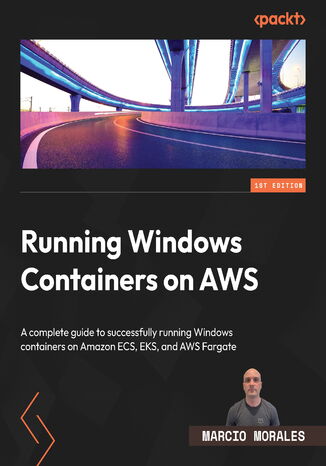
Marcio Morales
Windows applications are everywhere, from basic intranet applications to high-traffic public APIs. Their prevalence underscores the importance of combining the same tools and experience for managing a modern containerized application with existing critical Windows applications to reduce costs, achieve outstanding operational excellence, and modernize quickly. This comprehensive guide to running and managing Windows containers on AWS looks at the best practices from years of customer interactions to help you stay ahead of the curve.Starting with Windows containers basics, you’ll learn about the architecture design that powers Amazon ECS, EKS, and AWS Fargate for Windows containers. With the help of examples and best practices, you’ll explore in depth how to successfully run and manage Amazon ECS, EKS, and AWS Fargate clusters with Windows containers support. Next, the book covers day 2 operations in detail, from logging and monitoring to using ancillary AWS tools that fully containerize existing legacy .NET Framework applications into containers without any code changes. The book also covers the most common Windows container operations, such as image lifecycle and working with ephemeral hosts.By the end of this book, you’ll have mastered how to run Windows containers on AWS and be ready to start your modernization journey confidently.
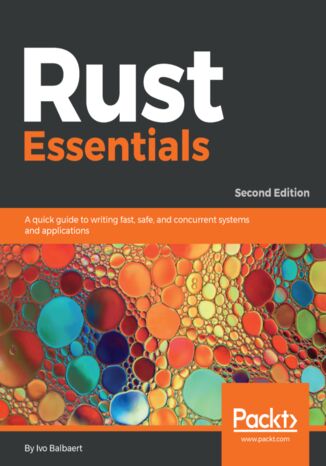
Ivo Balbaert
Rust is the new, open source, fast, and safe systems programming language for the 21st century, developed at Mozilla Research, and with a steadily growing community. It was created to solve the dilemma between high-level, slow code with minimal control over the system, and low-level, fast code with maximum system control. It is no longer necessary to learn C/C++ to develop resource intensive and low-level systems applications. This book will give you a head start to solve systems programming and application tasks with Rust.We start off with an argumentation of Rust's unique place in today's landscape of programming languages. You'll install Rust and learn how to work with its package manager Cargo. The various concepts are introduced step by step: variables, types, functions, and control structures to lay the groundwork. Then we explore more structured data such as strings, arrays, and enums, and you’ll see how pattern matching works.Throughout all this, we stress the unique ways of reasoning that the Rust compiler uses to produce safe code. Next we look at Rust's specific way of error handling, and the overall importance of traits in Rust code. The pillar of memory safety is treated in depth as we explore the various pointer kinds. Next, you’ll see how macros can simplify code generation, and how to compose bigger projects with modules and crates. Finally, you’ll discover how we can write safe concurrent code in Rust and interface with C programs, get a view of the Rust ecosystem, and explore the use of the standard library.
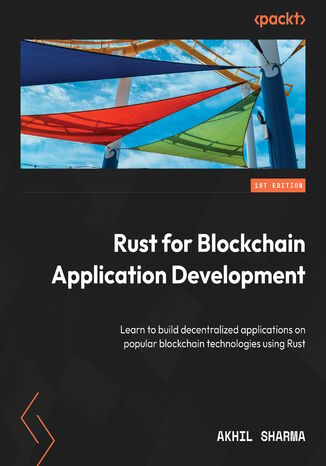
Akhil Sharma
Before Rust, blockchain developers didn’t have a systems programming language that was type-safe, fast, and, at the same time, had stable and easy memory management. Rust proved to be a boon for developers and works as the perfect solution for not only blockchain and protocol development but also dApp development.Rust for Blockchain Application Development focuses on demonstrating solutions that can help blockchain developers productize decentralized applications using Rust, which is a complex language with a steep learning curve.This book starts with basic Rust language concepts and then builds on these concepts to enable you to develop your own blockchain from scratch. As you progress, you’ll learn how to build dApps on popular chains like Solana and NEAR. You’ll also be guided through creating Ethereum dApps using Foundry (Rust). Finally, you’ll develop a custom blockchain using Substrate by Parity (Polkadot). The book provides a complete 360-degree view of Rust in the blockchain ecosystem.By the end of this Rust book, you’ll have a thorough understanding of how to apply your Rust knowledge to building dApps and blockchains from scratch.