
Informatyka
Yogesh Patel, Patel Y Sunderbhai
This book will get you started on building rich websites, and customizing user interfaces by creating content management applications quickly. It will give you an insight into web designs and how to customize the Sitecore architecture as per your website's requirements using best practices. Packed with over 70 recipes to help you achieve and solve real-world common tasks, requirements, and the problems of content management, content delivery, and publishing instance environments. It also presents recipes on Sitecore’s backend processes of customizing pipelines, creating custom event handler and media handler, setting hooks and more. Other topics covered include creating a workflow action, publishing sublayouts and media files, securing your environment by customizing user profiles and access rights, boosting search capabilities, optimising performance, scalability and high-availability of Sitecore instances and much more. By the end of this book, you will have be able to add virtually limitless features to your websites by developing and deploying Sitecore efficiently.
Skanowanie sieci z Kali Linux. Receptury
Justin Hutchens
Bezpieczeństwo sieci w Twoich rękach! W dzisiejszych czasach większość systemów informatycznych na świecie podłączona jest do Internetu. To rozwiązanie ma jedną wadę — dowolna osoba może spróbować przełamać zabezpieczenia sieci i uzyskać nieuprawniony dostęp do danych przetwarzanych w Twoich systemach. Jak temu zaradzić? Odpowiedź znajdziesz w tej książce. Kali Linux to specjalna dystrybucja systemu Linux, która ułatwia skanowanie sieci pod kątem bezpieczeństwa. Zawarty w niej zestaw narzędzi pozwala na analizę najczęstszych problemów, a co za tym idzie, dzięki niej możesz błyskawicznie uszczelnić Twój system, tak aby przełamanie zabezpieczeń nie było prostym zadaniem. Wszystko, co musisz zrobić, zostało tu przedstawione w formie receptur. Sięgnij po tę książkę i przekonaj się, jak wykrywać dostępne hosty w sieci, skanować sieć za pomocą narzędzi ARPing, Nmap lub NetDiscover oraz odkrywać otwarte porty. Dowiedz się, w jaki sposób możesz zdalnie zidentyfikować uruchomiony system operacyjny, przeprowadzać ataki DoS (ang. Denial of Service) oraz testować aplikacje sieciowe. To doskonała lektura, która w rękach wprawnego administratora pozwoli na zdecydowane zwiększenie bezpieczeństwa sieci. Warto w nią zainwestować! Sięgnij po tę książkę i: poznaj dostępne narzędzia w dystrybucji Kali Linux zlokalizuj dostępne hosty w Twojej sieci zidentyfikuj otwarte porty poznaj atak typu DoS zwiększ bezpieczeństwo Twojej sieci Ponad 90 praktycznych receptur prezentujących sposób wykorzystania własnych skryptów i narzędzi dostępnych w systemie Kali Linux do efektywnego skanowania systemów działających w sieci

Skazany na sukces. Kariera w Data Science
Jacqueline Nolis, Emily Robinson
Nauka o danych, zwana danologią, zyskuje na znaczeniu. Dane dla gospodarki są tym, czym dotąd były węgiel, stal i ropa naftowa. Umiejętność korzystania z wiedzy zawartej w danych decyduje o efektywności prowadzenia działalności gospodarczej i determinuje rozwój nowych modeli, rozwiązań i relacji gospodarczych. Już teraz specjaliści danolodzy są rozchwytywani na rynku pracy. Aby jednak w pełni i do końca wykorzystać pojawiające się możliwości, trzeba wiedzieć, w jaki sposób podejść do trudnego zagadnienia, jakim jest budowanie ścieżki kariery i podążanie nią w odpowiednim dla siebie tempie. To praktyczny przewodnik, dzięki któremu łatwiej zdobędziesz pierwszą pracę związaną z badaniem danych, szybciej staniesz się cenionym specjalistą i w miarę rozwoju zawodowego będziesz coraz trafniej wychwytywać pojawiające się możliwości awansu i zmiany pracy na atrakcyjniejszą. Dowiesz się, jak zdobyć podstawowe umiejętności i jak faktycznie wyglądają konkretne stanowiska pracy. Opisano tu również, jak pomyślnie przejść przez proces rekrutacji i zaaklimatyzować się w nowych warunkach. Nie zabrakło cennych wskazówek dotyczących awansowania na stanowiska kierownicze. Jako danolog prędko się przekonasz, że zawarta tutaj wiedza nietechniczna jest bardzo potrzebna do osiągnięcia sukcesu na polu badania danych. Dzięki tej książce dowiesz się, jak: tworzyć świetne portfolio projektów z zakresu badania danych wyszukiwać, oceniać i negocjować oferty z klasą zmieniać miejsca pracy wybierać i skutecznie realizować scenariusze kariery poradzili sobie inni wybitni analitycy danych! Danologia: nauka, pasja i sposób na życie!
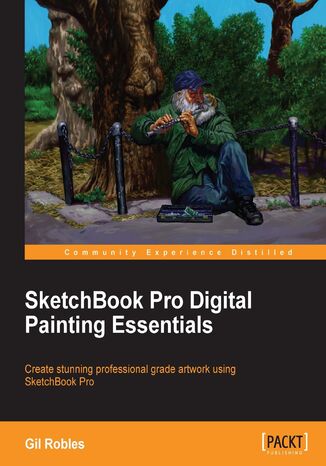
Gil Robles
Sketchbook Pro is a professional grade painting app that is easy to use and which helps you create digital art that looks like paintings created using ink and color. Using Sketchbook Pro, you can transform your digital art into true masterpieces that resemble work done using traditional mediums.SketchBook Pro Digital Painting Essentials will show you how to transform your digital art into true masterpieces. This book will guide you through the many tools and options available in Sketchbook Pro such as the symmetry tool, layer editor, and blend modes to create images that look as though they were done by hand using traditional tools and mediums. This unique book offers inspiration with hands-on techniques and gives you an insight into a professional artist's mind.Starting with an overview of the program, this book will help you customize and set your preferences to help you produce the best possible images for use on the Web or for print. You will be able to look over the author's shoulder as he demonstrates the use of the tools to create artwork that looks like it was painted or inked. This book will then show you how you can draw basic illustrations and then how to create acrylic paintings. You will also learn about file saving options; which ones are best for what you intend to do with the artwork. The book will also show you how to export the images you've created to other software and will give you tips and tricks that will help you make the most out of Sketchbook Pro. SketchBook Pro Digital Painting Essentials will give you an extensive overview complete with supporting imagery of how each piece of art was made, and by the end of this book, you will have created multiple drawings using Sketchbook Pro.
Skill Up: A Software Developer's Guide to Life and Career. 65 steps to becoming a better developer
Jordan Hudgens
This is an all-purpose toolkit for your programming career. It has been built by Jordan Hudgens over a lifetime of coding and teaching coding. It helps you identify the key questions and stumbling blocks that programmers encounter, and gives you the answers to them! It is a comprehensive guide containing more than 50 insights that you can use to improve your work, and to give advice in your career.The book is split up into three topic areas: Coder Skills, Freelancer Skills, and Career Skills, each containing a wealth of practical advice. Coder Skills contains advice for people starting out, or those who are already working in a programming role but want to improve their skills. It includes such subjects as: how to study and understand complex topics, and getting past skill plateaus when learning new languages. Freelancer Skills contains advice for developers working as freelancers or with freelancers. It includes such subjects as: knowing when to fire a client, and tips for taking over legacy applications. Career Skills contains advice for building a successful career as a developer. It includes such subjects as: how to improve your programming techniques, and interview guides and developer salary negotiation strategies.

Sklep online w 30 dni. Zaplanuj, uruchom i zacznij zarabiać
Agnieszka Skupieńska
Biznes online? Postaw na sklep internetowy! >> PRZECZYTAJ Zakładanie sklepu internetowego jest jak skręcanie mebli z Ikei. Bez problemu złożymy je samodzielnie i nie potrzebujemy do tego żadnego doświadczenia. Warunek jest jeden ― musimy się trzymać dołączonej do mebla instrukcji montażu i upewnić się, że użyliśmy wszystkich zalecanych elementów. Książka Sklep online w 30 dni to taka instrukcja dla osób, które chcą samodzielnie założyć sklep internetowy. Autorka prowadzi czytelnika krok po kroku przez wszystkie etapy tego procesu, od planowania i weryfikowania pomysłu na biznes, przez wybór asortymentu i platformy, aż po zdobywanie pierwszych klientów i analizę danych. Opis działania został podzielony na małe kroki i ujęty prostym, przystępnym językiem. Do każdego rozdziału dołączono ćwiczenia do wykonania, ułatwiające wprowadzenie teorii w praktykę. Jeśli myślisz o tym, by otworzyć e-sklep, z tą instrukcją przejdziesz od myślenia do działania i założysz biznes oparty na solidnych podstawach. Brzmi dobrze? Zatem ― do dzieła!

Skuteczna inżynieria promptów. Przyszłościowe rozwiązania dla rzetelnych wyników generatywnej AI
James Phoenix, Mike Taylor
Udostępnienie dużych modeli językowych (LLM, ang. large language model) i modeli dyfuzyjnych, takich jak ChatGPT, Midjourney czy Stable Diffusion, zrewolucjonizowało wiele branż. Dzięki nim możliwa stała się realizacja szerokiego zakresu zadań, nawet tych, które do niedawna wydawały się niemożliwe do automatyzacji. Ponadto próg wejścia w świat AI jest bardzo niski, co sprawia, że niemal każdy może korzystać z modeli AI zgodnie ze swoimi potrzebami. Absolutnie najlepsza książka na temat inżynierii promptów! Dan Shipper, współzałożyciel i prezes Every Z tą książką opanujesz podstawy generatywnej AI i nauczysz się skutecznie stosować jej modele w praktyce. Szczególną uwagę poświęcono integracji modeli językowych i dyfuzyjnych, co często bywa wyzwaniem, zwłaszcza w zakresie stabilności uzyskanych rozwiązań. Autorzy w jasny sposób wyjaśniają, jak za sprawą inżynierii promptów zapewnić niezawodność działania sztucznej inteligencji w środowiskach produkcyjnych. Co więcej, zaproponowane zasady są skonstruowane tak, aby bez trudu przetrwały próbę czasu i mogły być używane również dla przyszłych modeli! W książce: pięć uniwersalnych i perspektywicznych reguł promptowania korzystanie z generatywnej AI za pomocą bibliotek i frameworków, takich jak LangChain zalety i wady różnych modeli, w tym autorstwa OpenAI, i ich alternatyw praktyczne pisanie wysokiej jakości promptów w obszarze generowania tekstu, kodu i obrazów Jeśli chcesz poprawić wiarygodność swoich systemów AI, musisz mieć tę książkę! Mayo Oshin, założyciel i prezes Siennai Analytics Obaj autorzy eksperymentowali z inżynierią promptów od 2020 roku, teraz pracują jako inżynierowie promptów.

Skuteczna reklama na Facebooku i Instagramie. Wydanie 2
Artur Jabłoński
Witaj w menedżerze reklam firmy Meta Facebook i Instagram należą do tego samego właściciela ― firmy Meta. Oba portale społecznościowe są niezwykle popularne (na koniec 2024 roku na Facebooku było ponad 3 miliardy kont, na Instagramie ― 800 milionów) i choć blask Facebooka ostatnio nieco przygasa, plotki o jego rychłym końcu są mocno przesadzone. Co więcej, oba portale tworzą ekosystem, którego nie sposób lekceważyć, jeśli chce się skutecznie zareklamować potencjalnym klientom. Od strony promocyjnej zresztą warto je traktować jako wspólne medium, ponieważ mają ten sam panel do zarządzania reklamami. Artur Jabłoński od lat prowadzi skuteczne kampanie reklamowe w mediach społecznościowych i tej trudnej sztuki uczy też innych. Ponownie zdecydował się zebrać swoje doświadczenia w książce poświęconej zasadom efektywnego reklamowania towarów i usług na Facebooku i Instagramie. Traktuje temat kompleksowo, omawiając zarówno techniczne, jak i strategiczne aspekty zagadnienia. Zdaje sobie przy tym doskonale sprawę, że panel menedżera reklam Mety podlega nieustannym modyfikacjom, jednak, jak pisze we wstępie do książki: reguły konfigurowania i optymalizowania reklam, którymi sam się kieruję od lat i które stosuję w moich firmach ― agencji marketingowej i firmie szkoleniowo-doradczej ― jak działały, tak działają. Opanuj te reguły i przekonaj się, że środowisko reklamowe Mety odwdzięczy Ci się, pozwalając dotrzeć Twoim reklamom dokładnie do tych użytkowników, którzy powinni je zobaczyć i odpowiednio na nie zareagować.