
Informatyka
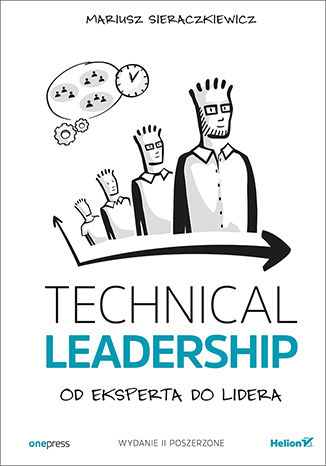
Technical Leadership. Od eksperta do lidera. Wydanie II poszerzone
Mariusz Sieraczkiewicz
"Dotąd nie było takiej książki na rynku" (z recenzji pierwszego wydania) Wybitne umiejętności techniczne i naturalny talent do zarządzania ludźmi nie zawsze idą w parze. A szkoda, bo losem świetnego programisty zatrudnionego na etacie jest, prędzej czy później, awans: z juniora na seniora, z seniora na lidera... I tu zaczyna się problem. Człowieka, który doskonale zna swój koderski fach, stawia się nagle przed koniecznością częściowego bądź całkowitego porzucenia go na rzecz zarządzania zespołem innych koderów - do tej pory kolegów z pracy, a teraz nagle podwładnych. Skąd czerpać wiedzę i inspiracje? W jaki sposób twarde umiejętności, które ma programista, uzupełnić o niezbędne na nowym stanowisku umiejętności miękkie? Czy każdy musi sam i w bólach przejść tę trudną drogę "od eksperta do menedżera", czy też można liczyć na wsparcie i podpowiedzi bardziej doświadczonych technicznych liderów? Otóż można, a nawet należy, tyle tylko, że trzeba dobrze wybrać mentora. Proponujemy, by Twoim "mistrzem" stał się ten podręcznik. Jego autor od kilkunastu lat współpracuje z zespołami programistycznymi jako trener i konsultant, zna więc specyfikę branży, z którą związałeś się zawodowo, i jest świadom tego, jakie problemy stoją przed nowo mianowanym liderem technicznym. Co więcej, wie, co zrobić, by te problemy szybko i skutecznie rozwiązać. W tym podręczniku mówi o roli, jaką odgrywa lider techniczny, o różnicach między ekspertem a liderem, o tym, jak skutecznie pracować ze swoim zespołem oraz jak budować relacje z biznesem. Wskazuje, skąd czerpać motywację - dla siebie i powierzonych sobie ludzi, jak z nimi rozmawiać, by chcieli słuchać, i jak ich słuchać, by wyciągać budujące wnioski. Drugie wydanie książki wzbogacone zostało o rozdział poświęcony wdrażaniu zmian, czyli temu, co jest chlebem powszednim każdego lidera.
Joshua Alan Teter
The role of the Technical Program Manager (TPM) is crucial in the tech industry, bridging the gap between technical expertise and business acumen. The second edition of the Technical Program Manager’s Handbook offers a comprehensive guide to excelling in this role. Building on the foundational concepts from the first edition, this updated version introduces new chapters that explore the integration of AI and Emotional Intelligence (EI) in program management. These crucial additions complement the broader focus of the book on bridging business and technology but don’t overshadow it. You'll learn how to apply AI-driven tools to enhance project planning, risk management, and stakeholder communication, as well as how to leverage EI to build strong team relationships and improve leadership effectiveness.This book provides practical tools, methodologies, and case studies, offering insights from industry leaders to help both aspiring and practicing TPMs apply advanced concepts and strategies effectively. It also explores the unique aspects of the TPM role in major tech companies, helping you to navigate and thrive in your career.By the end of this book, you'll have a clear understanding of the TPM role, along with a breakdown of the necessary technical and program management skills, to develop a clear roadmap for your career.*Email sign-up and proof of purchase required
Chris Chinchilla
Effective documentation is key to the success of products in remote software development teams, facilitating clear instructions that benefit the entire development team. Technical Writing for Software Developers lays a solid foundation of essential grammar, providing language tips and explaining how precise writing enhances documentation, and walks you through the fundamental types and styles of documentation.Starting with an exploration of the current state of the tech writing industry and its significance in both the software and hardware realms, you’ll master the building blocks of technical writing, exploring tooling choices and style guides, and create dynamic multimedia-laden documentation. This book equips you with valuable insights into the writing and feedback process to ensure continuous improvement. Additionally, you’ll take a peek at the emerging trends and technologies, including AI tools, shaping the future of technical writing.By the end of this technical writing book, you’ll have developed the expertise you need to tackle documentation requests effectively, armed with the knowledge of the best approach for documenting any topic, encompassing text, media elements, structure, and appropriate tools. The skills acquired will enable you to achieve seamless teamwork, enhanced project efficiency, and successful software development.
Technologia w e-commerce. Teoria i praktyka. Poradnik menedżera
Piotr Karwatka, Tomasz Ejtminowicz, Marcin Engelmann, Przemysław...
Dowiedz się więcej o Autorach E-handel w pytaniach i odpowiedziach Nadzór nad procesem tworzenia i utrzymaniem sklepu internetowego lub dowolnej innej formy obecności firmy na rynku e-commerce jest naprawdę trudnym zadaniem. Wymaga ogromnej wiedzy i ogromnego doświadczenia w kwestiach biznesowych i prawnych, a przede wszystkim technicznych. Do pracy nad tą książką Piotr Karwatka zaprosił grono uznanych ekspertów: dyrektorów IT oraz niezależnych konsultantów, którzy zajmują się m.in. wdrożeniami, audytami oraz utrzymaniem produkcyjnym zaawansowanych sklepów internetowych. Znajdziesz tutaj odpowiedzi na kluczowe pytania, dotykające całego spektrum technicznych zagadnień związanych z handlem w internecie. Technologia w e-commerce… wypełnia ważną niszę na rynku wydawniczym, ponieważ proponuje kompleksowe podejście do zagadnień, które do tej pory omawiane były osobno w ramach literatury informatycznej i biznesowej. Większość dostępnych dziś książek skupia się albo na technicznych aspektach e-handlu (sposoby korzystania z baz danych, języków programowania i frameworków), albo na ujęciu biznesowym. Autorzy niniejszej publikacji starali się połączyć te dwa światy i stworzyć swoiste FAQ e-biznesu. Jeśli wciąż masz wątpliwości, czy dobrze prowadzisz swój e-biznes, sięgnij po tę pozycję. Tak cennej wiedzy nie znajdziesz nigdzie indziej! Z tej książki dowiesz się między innymi: jak dokonać dobrego wyboru platformy sklepowej i na jakie aspekty zwrócić uwagę w jaki sposób zintegrować się z systemami ERP, stworzyć szynę wymiany danych oraz umiejscowić system w obecnym środowisku informatycznym jak poradzić sobie z dużym obciążeniem i wykorzystać skalowalność oraz jakich narzędzi użyć jak zapewnić bezpieczeństwo danych i nie narazić się GIODO jak stworzyć procedury w zespole wdrożeniowym i przestrzegać tych procedur jak dbać o jakość projektów od etapu analitycznego po wdrożenie i utrzymanie jak zapewnić wysoką dostępność aplikacji, SLA oraz wydajny hosting i wirtualizację Kompendium wiedzy menedżerskiej w jednym podręczniku! Masz pytanie o e-commerce? Sięgnij po niezbędnik menedżera! PATRONAT MEDIALNY:
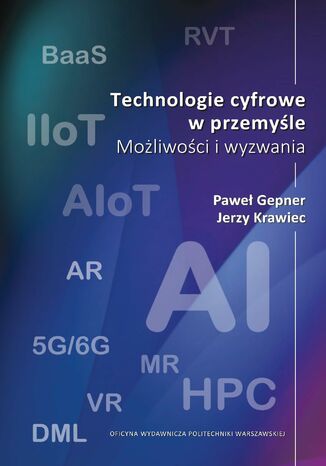
Technologie cyfrowe w przemyśle. Możliwości i wyzwania
Paweł Gepner, Jerzy Krawiec
Publikacja kompleksowo ujmuje implementację technologii cyfrowych w przemyśle w obliczu koncepcji Przemysłu 4.0/5.0/6.0. Szybko postępująca rewolucja technologiczna wprowadza pojęcia, które stały się podstawowymi terminami w dyskusji o przyszłości produkcji i technologii. Chociaż te koncepcje przemysłowe są ze sobą powiązane, znacznie różnią się pod względem podejścia do technologii i roli człowieka w procesie produkcyjnym. Ogólnie rzecz ujmując, Przemysł 4.0, znany również jako czwarta rewolucja przemysłowa, to era, w której dominuje automatyzacja i cyfryzacja procesów przemysłowych. Charakteryzuje się wzajemnym połączeniem systemów, takich jak chmura obliczeniowa, internet rzeczy (IoT), a właściwie przemysłowy internet rzeczy (IIoT) z wykorzystaniem danych do podejmowania decyzji oraz podniesienia wydajności. Jest to etap, w którym technologia i maszyny zaczęły odgrywać kluczową rolę w produkcji, minimalizując udział czynnika ludzkiego w rutynowych procesach.
Ahilan Ponnusamy, Andreas Spanner
Cloud goals, such as faster time to market, lower total cost of ownership (TCO), capex reduction, self-service enablement, and complexity reduction are important, but organizations often struggle to achieve the desired outcomes. With edge computing gaining momentum across industries and making it possible to move workloads seamlessly between cloud and edge locations, organizations need working recipes to find ways of extracting the most value out of their cloud and edge estate.This book provides a practical way to build a strategy-aligned operating model while considering various related factors such as culture, leadership, team structures, metrics, intrinsic motivators, team incentives, tenant experience, platform engineering, operations, open source, and technology choices. Throughout the chapters, you’ll discover how single, hybrid, or multicloud architectures, security models, automation, application development, workload deployments, and application modernization can be reutilized for edge workloads to help you build a secure yet flexible technology operating model. The book also includes a case study which will walk you through the operating model build process in a step-by-step way.By the end of this book, you’ll be able to build your own fit-for-purpose distributed technology operating model for your organization in an open culture way.
Ten Steps to ITSM Success. A Practitioner's Guide to Enterprise IT Transformation
IT Governance Publishing, Angelo Esposito, Timothy Rogers
This book provides a strategic framework for ITSM implementation, focusing on structured planning, role definition, process standardization, and ongoing performance assessments. With each chapter focusing on a critical aspect of ITSM, readers will gain the tools and knowledge needed to optimize service management practices and achieve long-term success. By the end of the book, IT leaders will understand how to build a robust ITSM program that aligns with business goals and drives continuous improvement.The book begins by setting the stage for ITSM implementation, helping readers assess the current state of services and plan their next steps. As the journey progresses, the book delves deeper into organizational changes, process development, and defining roles, ensuring that all stakeholders are aligned with the ITSM strategy.In the final chapters, the book focuses on deployment, continual improvement, and the importance of using metrics such as the balanced scorecard to ensure the ITSM framework is sustainable and continuously evolving. Readers will also learn how to handle operational sustainment and improve service delivery over time.
TensorFlow. 13 praktycznych projektów wykorzystujących uczenie maszynowe
Ankit Jain, Armando Fandango, Amita Kapoor
TensorFlow służy do projektowania i wdrażania zaawansowanych architektur głębokiego uczenia. Jego zaletami są prostota, wydajność i elastyczność. Umożliwia budowanie złożonych rozwiązań na bazie różnorodnych zbiorów danych. Co więcej, pozwala na stosowanie różnych technik uczenia nadzorowanego, nienadzorowanego oraz uczenia przez wzmacnianie. TensorFlow zmienił sposób postrzegania uczenia maszynowego. Dzięki temu środowisku każdy, kto chce uczynić z dużych zbiorów danych wiarygodne źródło wiedzy, może ten cel osiągnąć - niezależnie od tego, czy jest analitykiem danych, naukowcem, projektantem, czy pasjonatem metod sztucznej inteligencji. To książka przeznaczona dla osób, które chcą nauczyć się tworzyć całościowe rozwiązania z wykorzystaniem uczenia maszynowego. Poszczególne zagadnienia zilustrowano trzynastoma praktycznymi projektami, w których wykorzystano między innymi analizy sentymentów, przetwarzanie języka naturalnego, systemy rekomendacyjne, generatywne sieci kontradyktoryjne czy sieci kapsułowe. Pokazano, w jaki sposób używać TensorFlow z interfejsem APO Spark i wspomagać obliczenia układami GPU. Przedstawiono zastosowanie rozkładu macierzy (SVD++), modeli rankingowych i odmian splotowej sieci neuronowej. Nie zabrakło prezentacji nowych rozwiązań o dużym potencjale, takich jak sieci DiscoGAN. Dołączony do książki kod źródłowy, liczne wskazówki i porady pozwolą na płynne rozpoczęcie pracy z TensorFlow oraz innymi narzędziami do budowy sieci neuronowych. W tej książce między innymi: podstawy pracy z TensorFlow wykorzystanie TensorFlow do wizualizacji sieci neuronowych zastosowanie procesu gaussowskiego do prognozowania cen akcji wykrywanie oszukańczych transakcji za pomocą TensorFlow i Keras implementacja sieci kapsułowych w TensorFlow techniki uczenia przez wzmacnianie TensorFlow: prostota, wydajność i imponujący potencjał!