
Informatyka
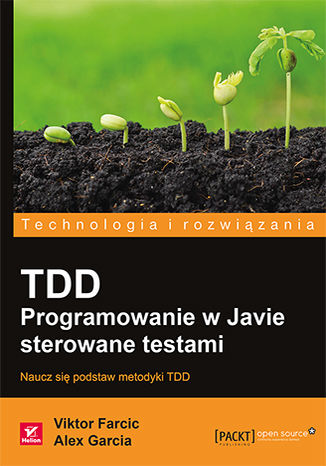
TDD. Programowanie w Javie sterowane testami
Viktor Farcic, Alex Garcia
Programowanie sterowane testami (ang. test-driven development — TDD) nie jest nową metodyką. Jej praktyczne zastosowanie pozwala na rozwiązanie wielu problemów związanych z procesami rozwijania i wdrażania oprogramowania. Mimo ogromnych zalet, programowanie sterowane testami nie jest zbyt popularne wśród programistów. Wynika to z tego, że techniki TDD nie są łatwe do opanowania. Choć teoretyczne podstawy wydają się logiczne i zrozumiałe, nabranie wprawy w stosowaniu TDD wymaga długiej praktyki. Książka, którą trzymasz w ręce, została napisana przez programistów dla programistów. Jej celem jest przekazanie podstaw TDD i omówienie najważniejszych praktyk związanych z tą metodyką, a przede wszystkim — nauczenie praktycznego stosowania TDD w pracy. Autorzy nie ukrywają, że nabranie biegłości w takim programowaniu wymaga sporo wysiłku, jednak korzyści płynące z metodyki TDD są znaczne: skrócenie czasu wprowadzania produktów na rynek, łatwiejsza refaktoryzacja, a także wyższa jakość tworzonych projektów. Z tą książką dogłębnie zrozumiesz metodykę TDD i uzyskasz wystarczającą pewność siebie, by z powodzeniem stosować to podejście w trakcie programowania aplikacji w Javie. Dzięki tej książce: Nauczysz się podstaw metodyki TDD Poznasz potrzebne narzędzia, platformy i środowiska wraz ze szczegółami ich konfiguracji Wykonywasz praktyczne ćwiczenia i stopniowo wdrożysz się w TDD Poznasz proces „czerwone, zielone, refaktoryzacja” Dowiesz się, jak pisać testy jednostkowe wykonywane w izolacji od reszty kodu Dowiesz się, jak tworzyć prosty i łatwy w konserwacji kod, nauczysz się refaktoryzować już istniejący Nauczysz się pracować z atrapami, stosować programowanie sterowane zachowaniami, a także udostępniać połowicznie ukończone funkcje w środowisku produkcyjnym za pomocą przełączników funkcji Programowanie sterowane testami to metodyka dla prawdziwych profesjonalistów!

TDD. Sztuka tworzenia dobrego kodu
Kent Beck
Idealny kod, pokryty w pełni testami, to marzenie każdego dewelopera. Niestety, marzenia zazwyczaj rozmijają się z rzeczywistością. Codzienność większości programistów to nieczytelny kod i brak testów. Są to doskonałe warunki do powstawania błędów, często bardzo trudnych do wykrycia. Czy jest sposób, żeby wybrnąć z tego ślepego zaułka? Czy są techniki pozwalające tworzyć przejrzysty kod, którego zmiana nie będzie sprawiała trudności? Oczywiście, że tak - wykorzystaj TDD (ang. Test Driven Development). Programowanie sterowane testami można sprowadzić do prostej zasady: w pierwszej kolejności napisz test, a następnie kod, który ma być testowany. Kent Beck w swojej książce zaprezentuje Ci w praktyce podejście TDD i pokaże, jak wdrożyć jego zasady w codziennej pracy. Zapoznaj się z licznymi przykładami zastosowania tej metody, przydatnymi poradami i najlepszymi wzorcami. To doskonały początek, żeby wdrożyć TDD w Twoim projekcie. Dowiedz się, jak tworzyć idealny kod! Dzięki tej książce: poznasz technikę programowania sterowanego testami stworzysz czytelny kod, doskonale pokryty testami nie będziesz się bał dokonywać zmian w Twoim kodzie Twój kod osiągnie nowe standardy jakości Twoja przepustka do świata idealnego kodu!
TDD z wykorzystaniem C# 7. Programowanie sterowane testami
John Callaway, Clayton Hunt
Coraz więcej profesjonalnych środowisk produkcyjnych opiera się na oprogramowaniu. Ewentualne błędy w pracy kodu mogą prowadzić do poważnych konsekwencji - dlatego od rozwiązań informatycznych wymaga się solidności i poprawności. Równocześnie oczekuje się wydajnego działania, skalowalności i podatności na modyfikacje, a także możliwości łatwego utrzymania kodu. Aplikacje utworzone zgodnie z paradygmatem TDD są w większym stopniu testowalne i zapewniają wysoki poziom poprawnej, stabilnej pracy. Sprawia to, że coraz więcej zespołów programistycznych skłania się ku TDD, mimo że zautomatyzowane testowanie bywa czasochłonne, pracochłonne i dość trudne w implementacji. To książka przeznaczona dla tych, którzy chcą dogłębnie zrozumieć istotę TDD. Omówiono tu wszystkie aspekty TDD, włączając w to podstawy, dzięki którym średnio zaawansowany programista komfortowo rozpocznie budowę aplikacji zgodnie z tym paradygmatem. Przedstawiono zasady definiowania i testowania granic, a także pojęcie abstrahowania kodu zewnętrznego. W książce pojawiają się też - wprowadzane stopniowo - bardziej zaawansowane koncepcje, takie jak szpiedzy, imitacje i fałszywki. Pokazano w niej, w jaki sposób za pomocą TDD można przekształcić wymagania i historie użytkownika w funkcjonującą aplikację. Sporo miejsca poświęcono pisaniu różnych rodzajów testów, również integracyjnych. Poszczególne koncepcje zostały zilustrowane praktycznymi fragmentami kodu napisanego w C# i JavaScripcie. W tej książce między innymi: koncepcje programowania sterowanego testami i przygotowanie środowiska do pracy różne podejścia do budowania aplikacji i sterowania testami poprawa elastyczności aplikacji i jej podatności na przyszłe modyfikacje TDD w warunkach zmieniających się wymagań rozwiązywanie problemów z kodem zastanym TDD: tak pracują najlepsi programiści!

Te małe seksowne cyferki. Jak rozwinąć biznes przy użyciu danych, które już mamy
Paul Brown, Dimitri Maex
Czy możesz sobie wyobrazić, że jesteś w stanie zidentyfikować klientów przynoszących największe zyski, wypracować lepszą strategię komunikowania się z nimi i zainspirować ich, aby kupowali więcej? A więc, naprawdę możesz to zrobić. A najlepsze jest to, że możesz to osiągnąć używając danych, które już masz. Wszystko, co robimy, tworzy dane. Za każdym razem, gdy ktoś ogląda coś w sieci, szuka w Google lub nawet przegląda sieć w swoim telefonie, tworzona jest kolejna cząstka danych, które mogą pomóc nam zrozumieć i przewidzieć zachowanie konsumentów. Rewolucja w analizowaniu danych właśnie się toczy i metody oraz narzędzia radzące sobie z tym „potopem danych” stają się coraz prostsze i mniej kosztowne, a jednocześnie bardziej precyzyjne, niż kiedykolwiek wcześniej. Dimitri Maex, Managing Director globalnej agencji reklamowej OgilvyOne New York i mózg praktyki analitycznej stosowanej w agencji pokazuje, jak możemy przekształcić swoje dane – te małe seksowne cyferki, które mogą zapewnić więcej zysków naszemu biznesowi – w skuteczne strategie prawdziwego wzrostu. W jasnym, przejrzystym stylu wyjaśnia, jak: • Ustalić, którzy klienci mają największy potencjał zwiększenia wartości, po których można spodziewać się większych zakupów, a którzy nie są warci targetowania. • Alokować zasoby marketingowe w najlepszy możliwy sposób. • Przewidzieć, jakich produktów lub usług klienci będą potrzebować w przyszłości. • Zoptymalizować swoją obecność w sieci, aby uzyskać największy zwrot z wyszukiwania. Lektura obowiązkowa dla marketerów starających się uzyskać najwyższy zwrot z inwestycji, właścicieli małych firm pragnących rosnąć szybciej lub kreatywnych twórców pragnących poznać reakcję na swoje działania – i nie tylko.
Teaching with Google Classroom. To provide a step-by-step guide to setup and use Google Classroom
Michael Zhang
Google Classroom helps teachers bring their work online. According to Google Trends, it’s already bigger than Moodle after barely a year in the wild. This book is a complete start-to-finish guide for teachers using Google Classroom for the first time. It explains what Google Classroom is, what it can do, how to set it up, and how to use it to enhance student learning while making your life as a teacher easier. It shows you how to place resources and activities online, gather assignments, and develop group and individual activities. It’s not just a manual, you’ll also discover inspiring, easy ways to put Google Classroom to work for you and your class.
Shubhangi Harsha, Sumit Kataria
The iPad is a great teaching tool. It is an amazing eReader for accessing textbooks and journals. It is also great for multimedia content like videos, audio, presentations, and 3D animations. Most importantly Apple's app ecosystem makes it very powerful. You can find apps for almost any teaching task in app store and use them instantly.You will start with simple tasks like creating presentations and visualizations. Soon you will be making interactive books and resources as well as teaching practical lessons such as music and art! Teaching with iPad How-to starts with the most basic task of planning your lessons. As you go through the book you will learn how to 'carry' your textbooks on Little Books, create your own resources and finally publish your courseware.Be it organizing your notes, creating charts and presentations, or just recording attendance, this book will help you do all these tasks very efficiently on your iPad. In this book, you will also learn to create and distribute timetables, create your own textbooks and make your classes interesting and full of information by using the iPad's 3D and subject-specific resources.You will learn to make your teaching job interesting and engaging for your students by using iPad as your teaching and organizing tool.
Gordon Beeming
Team Foundation Server is an efficacious collaboration tools that will allow you to share code, track records, software, all in a single package. Integrate it with your existing IDE or editor and let your team work in a flexible environment that adapts to projects of all shapes and sizes.Explore what gives you the edge over other developers by knowing the tips and quick fixes of customizing TFS. Effectively minimize the time users spend interacting with TFS so that they can be more productive.In this book you will quickly cover lots of TFS extension points, from the very basic task of customizing and configuring dashboards to customizing automated builds and check-in policies.You will learn how to create dashboards in TFS 2015, as well as add tiles, graphs, and more useful modifications. You'll perform customizations that make TFS work for you by streamlining your team’s boards. You'll cast modifications to the process template and learn the tips and tricks required to make efficient and valuable uses of your team’s board.From team-specific dashboards to complex server plugins, everything is covered in this concentrated guide to aid your knowledge. Delving deep, this book covers the pros and cons of check-in policies, as well as their proper debugging and deployment strategies. After that you will learn about advanced XAML builds and TFS jobs to further experiment with the activities of your jobs on your system. Finally, you will learn about service hooks and the amazing utility of .VSO extensions to help you create new extensions and explore new levels of customization.

Tech Trends of the 4th Industrial Revolution. Navigating the Future of Technology in Business
Mercury Learning and Information, D. Pyo, J....
The term 4th Industrial Revolution is often mentioned in the media, but public understanding of its technologies lags behind their rapid development. This book bridges the gap, explaining essential technologies like IoT, blockchain, AI, cloud computing, and big data. It aims to enhance comprehension by minimizing technical content.The book introduces key technologies and their applications, emphasizing their importance in contemporary business models. Readers will find accessible descriptions and practical examples to aid understanding. Covering topics and trends vital for modern business, this book ensures readers grasp the technological landscape shaping the future.Throughout the book, you'll explore how these technologies are revolutionizing industries and their integration into business strategies. This journey provides a comprehensive understanding of the 4th Industrial Revolution, equipping readers with the knowledge needed to navigate and leverage these advancements effectively.