
Informatyka
Zajrzyj do kategorii Informatyka w księgarni internetowej Ebookpoint. Znajdziesz tutaj bestsellerowe książki, ebooki i kursy video z branży IT. Sięgnij po najlepszą literaturę dla specjalistów i rozwijaj doświadczenie, które już posiadasz, lub rozpocznij swoją przygodę z programowaniem, cyberbezpieczeństwem lub grafiką komputerową. Pogłębiaj swoją wiedzę tak, jak Ci wygodnie - z tradycyjną książką, wygodnym ebookiem lub nowoczesnym videokursem. Sprawdź, jakie tytuły znajdziesz w kategorii Informatyka!
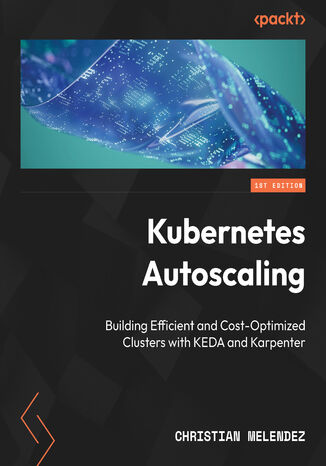
Kubernetes Autoscaling. Build efficient, cost-optimized clusters with KEDA and Karpenter
Christian Melendez, Jonathan Innis, Brandon Wagner, Jan...
Kubernetes is the backbone of modern containerized infrastructure, but scaling it efficiently remains a challenge. Kubernetes Autoscaling equips cloud professionals with this comprehensive guide to dynamically scaling applications and infrastructure using the powerful combination of Kubernetes Event-Driven Autoscaler (KEDA) and Karpenter, AWS’s next-generation cluster autoscaler.You’ll begin with autoscaling fundamentals, move through HPA and VPA, and then get hands-on KEDA for event-driven workloads and Karpenter for data plane scaling. With the help of real-world use cases, best practices, and detailed patterns, you’ll deploy resilient, scalable, and cost-effective Kubernetes clusters across production environments.By the end of this book, you’ll be able to implement practical autoscaling strategies to improve performance, reduce cloud costs, and eliminate over-provisioning.
Kubernetes Autoscaling. Build efficient, cost-optimized clusters with KEDA and Karpenter
Christian Melendez, Jonathan Innis, Brandon Wagner, Jan...
Kubernetes is the backbone of modern containerized infrastructure, but scaling it efficiently remains a challenge. Kubernetes Autoscaling equips cloud professionals with this comprehensive guide to dynamically scaling applications and infrastructure using the powerful combination of Kubernetes Event-Driven Autoscaler (KEDA) and Karpenter, AWS’s next-generation cluster autoscaler.You’ll begin with autoscaling fundamentals, move through HPA and VPA, and then get hands-on KEDA for event-driven workloads and Karpenter for data plane scaling. With the help of real-world use cases, best practices, and detailed patterns, you’ll deploy resilient, scalable, and cost-effective Kubernetes clusters across production environments.By the end of this book, you’ll be able to implement practical autoscaling strategies to improve performance, reduce cloud costs, and eliminate over-provisioning.
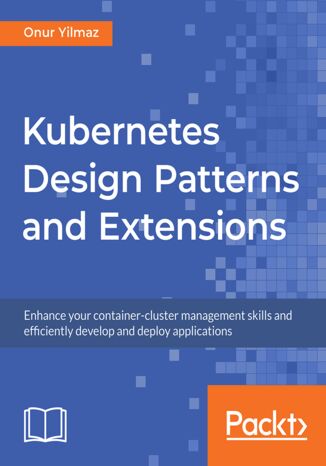
Onur Yilmaz
Before plunging into how Kubernetes works, this book introduces you to the world of container orchestration and describes the recent changes in application development. You'll understand problems that Kubernetes solves and get to grips with using Kubernetes resources to deploy applications. In addition to this, you'll learn to apply the security model of Kubernetes clusters.Kubernetes Design Patterns and Extensions describes how services running in Kubernetes can leverage the platform's security features. Once you've grasped all this, you'll explore how to troubleshoot Kubernetes clusters and debug Kubernetes applications. You also discover how to analyze the networking model and its alternatives in Kubernetes, and apply best practices with design patterns.By the end of this book, you'll have studied all about using the power of Kubernetes for managing your containers.
Onur Yilmaz
Before plunging into how Kubernetes works, this book introduces you to the world of container orchestration and describes the recent changes in application development. You'll understand problems that Kubernetes solves and get to grips with using Kubernetes resources to deploy applications. In addition to this, you'll learn to apply the security model of Kubernetes clusters.Kubernetes Design Patterns and Extensions describes how services running in Kubernetes can leverage the platform's security features. Once you've grasped all this, you'll explore how to troubleshoot Kubernetes clusters and debug Kubernetes applications. You also discover how to analyze the networking model and its alternatives in Kubernetes, and apply best practices with design patterns.By the end of this book, you'll have studied all about using the power of Kubernetes for managing your containers.
Onur Yilmaz
Before plunging into how Kubernetes works, this book introduces you to the world of container orchestration and describes the recent changes in application development. You'll understand problems that Kubernetes solves and get to grips with using Kubernetes resources to deploy applications. In addition to this, you'll learn to apply the security model of Kubernetes clusters.Kubernetes Design Patterns and Extensions describes how services running in Kubernetes can leverage the platform's security features. Once you've grasped all this, you'll explore how to troubleshoot Kubernetes clusters and debug Kubernetes applications. You also discover how to analyze the networking model and its alternatives in Kubernetes, and apply best practices with design patterns.By the end of this book, you'll have studied all about using the power of Kubernetes for managing your containers.
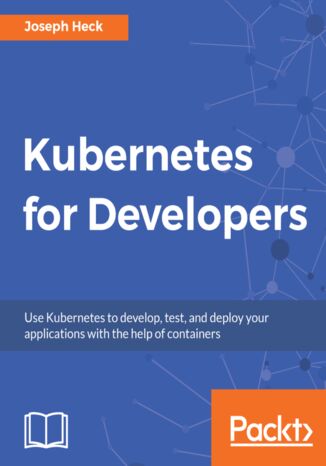
Joseph Heck
Kubernetes is documented and typically approached from the perspective of someone running software that has already been built. Kubernetes may also be used to enhance the development process, enabling more consistent testing and analysis of code to help developers verify not only its correctness, but also its efficiency. This book introduces key Kubernetes concepts, coupled with examples of how to deploy and use them with a bit of Node.js and Python example code, so that you can quickly replicate and use that knowledge.You will begin by setting up Kubernetes to help you develop and package your code. We walk you through the setup and installation process before working with Kubernetes in the development environment. We then delve into concepts such as automating your build process, autonomic computing, debugging, and integration testing. This book covers all the concepts required for a developer to work with Kubernetes.By the end of this book, you will be in a position to use Kubernetes in developmentecosystems.
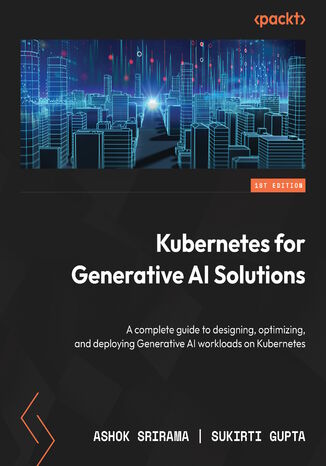
Ashok Srirama, Sukirti Gupta, Rajdeep Saha
Generative AI (GenAI) is revolutionizing industries, from chatbots to recommendation engines to content creation, but deploying these systems at scale poses significant challenges in infrastructure, scalability, security, and cost management.This book is your practical guide to designing, optimizing, and deploying GenAI workloads with Kubernetes (K8s) the leading container orchestration platform trusted by AI pioneers. Whether you're working with large language models, transformer systems, or other GenAI applications, this book helps you confidently take projects from concept to production. You’ll get to grips with foundational concepts in machine learning and GenAI, understanding how to align projects with business goals and KPIs. From there, you'll set up Kubernetes clusters in the cloud, deploy your first workload, and build a solid infrastructure. But your learning doesn't stop at deployment. The chapters highlight essential strategies for scaling GenAI workloads in production, covering model optimization, workflow automation, scaling, GPU efficiency, observability, security, and resilience.By the end of this book, you’ll be fully equipped to confidently design and deploy scalable, secure, resilient, and cost-effective GenAI solutions on Kubernetes.
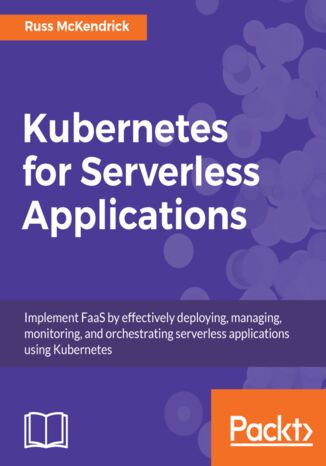
Russ McKendrick
Kubernetes has established itself as the standard platform for container management, orchestration, and deployment. It has been adopted by companies such as Google, its original developers, and Microsoft as an integral part of their public cloud platforms, so that you can develop for Kubernetes and not worry about being locked into a single vendor.This book will initially start by introducing serverless functions. Then you will configure tools such as Minikube to run Kubernetes. Once you are up-and-running, you will install and configure Kubeless, your first step towards running Function as a Service (FaaS) on Kubernetes. Then you will gradually move towards running Fission, a framework used for managing serverless functions on Kubernetes environments. Towards the end of the book, you will also work with Kubernetes functions on public and private clouds. By the end of this book, we will have mastered using Function as a Service on Kubernetes environments.
Russ McKendrick
Kubernetes has established itself as the standard platform for container management, orchestration, and deployment. It has been adopted by companies such as Google, its original developers, and Microsoft as an integral part of their public cloud platforms, so that you can develop for Kubernetes and not worry about being locked into a single vendor.This book will initially start by introducing serverless functions. Then you will configure tools such as Minikube to run Kubernetes. Once you are up-and-running, you will install and configure Kubeless, your first step towards running Function as a Service (FaaS) on Kubernetes. Then you will gradually move towards running Fission, a framework used for managing serverless functions on Kubernetes environments. Towards the end of the book, you will also work with Kubernetes functions on public and private clouds. By the end of this book, we will have mastered using Function as a Service on Kubernetes environments.
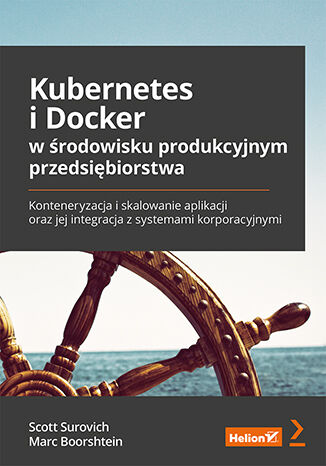
Scott Surovich, Marc Boorshtein
Technologie Kubernetes i Docker szybko zdobyły zaufanie dużych firm i dziś są standardową infrastrukturą pozwalającą na tworzenie, testowanie i uruchamianie aplikacji. W porównaniu z wcześniej stosowanymi rozwiązaniami wymagają jednak zupełnie innego podejścia do budowy i wdrażania oprogramowania. Oznacza to, że jeśli korporacja chce w pełni skorzystać z potencjału Kubernetesa i Dockera, musi znaleźć osoby dysponujące wiedzą i umiejętnościami pozwalającymi na zintegrowanie klastrów Kubernetes z istniejącymi systemami organizacji. To książka przeznaczona dla osób, które chcą poszerzyć swoją wiedzę i umiejętności potrzebne do pracy z klastrami. Omówiono tu podstawy dotyczące konteneryzacji, Dockera i Kubernetesa, jednak więcej miejsca poświęcono bardziej zaawansowanym zagadnieniom, między innymi integracji kontenera z platformą chmury czy integracji z takimi narzędziami jak MetalLB, ExternalDNS i OpenID Connect (OICD). Zaprezentowano również zasady stosowania Pod Security Policy (PSP), Open Policy Agent (OPA), Falco i Velero, a także sposób, w jaki przebiega wdrażanie całej platformy w chmurze z użyciem mechanizmów ciągłej integracji i ciągłego wdrażania (CI/CD). Dowiesz się też, jak testować aplikacje i komponenty Kubernetes i jak implementować różne rozwiązania open source. Najciekawsze zagadnienia: Tworzenie wielowęzłowego klastra Kubernetes za pomocą KinD Implementacja narzędzi: Ingress, MetalLB i ExternalDNS Konfiguracja klastra OIDC i uwierzytelnianie w Kubernetesie Zabezpieczanie i audyty klastrów Wdrażanie platformy z użyciem projektów: Tekton, GitLab i Argo CD Kubernetes i Docker: tak działają systemy najpotężniejszych korporacji!
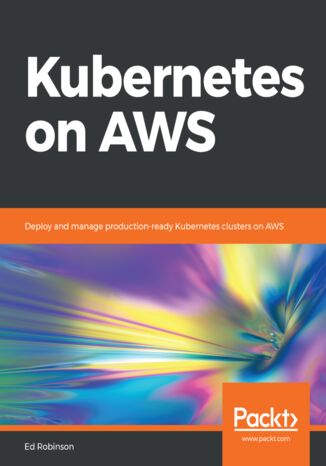
Kubernetes on AWS. Deploy and manage production-ready Kubernetes clusters on AWS
Ed Robinson
Docker containers promise to radicalize the way developers and operations build, deploy, and manage applications running on the cloud. Kubernetes provides the orchestration tools you need to realize that promise in production.Kubernetes on AWS guides you in deploying a production-ready Kubernetes cluster on the AWS platform. You will then discover how to utilize the power of Kubernetes, which is one of the fastest growing platforms for production-based container orchestration, to manage and update your applications. Kubernetes is becoming the go-to choice for production-grade deployments of cloud-native applications. This book covers Kubernetes from first principles. You will start by learning about Kubernetes' powerful abstractions - Pods and Services - that make managing container deployments easy. This will be followed by a guided tour through setting up a production-ready Kubernetes cluster on AWS, while learning the techniques you need to successfully deploy and manage your own applications.By the end of the book, you will have gained plenty of hands-on experience with Kubernetes on Amazon Web Services. You will also have picked up some tips on deploying and managing applications, keeping your cluster and applications secure, and ensuring that your whole system is reliable and resilient to failure.
Kubernetes on AWS. Deploy and manage production-ready Kubernetes clusters on AWS
Ed Robinson
Docker containers promise to radicalize the way developers and operations build, deploy, and manage applications running on the cloud. Kubernetes provides the orchestration tools you need to realize that promise in production.Kubernetes on AWS guides you in deploying a production-ready Kubernetes cluster on the AWS platform. You will then discover how to utilize the power of Kubernetes, which is one of the fastest growing platforms for production-based container orchestration, to manage and update your applications. Kubernetes is becoming the go-to choice for production-grade deployments of cloud-native applications. This book covers Kubernetes from first principles. You will start by learning about Kubernetes' powerful abstractions - Pods and Services - that make managing container deployments easy. This will be followed by a guided tour through setting up a production-ready Kubernetes cluster on AWS, while learning the techniques you need to successfully deploy and manage your own applications.By the end of the book, you will have gained plenty of hands-on experience with Kubernetes on Amazon Web Services. You will also have picked up some tips on deploying and managing applications, keeping your cluster and applications secure, and ensuring that your whole system is reliable and resilient to failure.
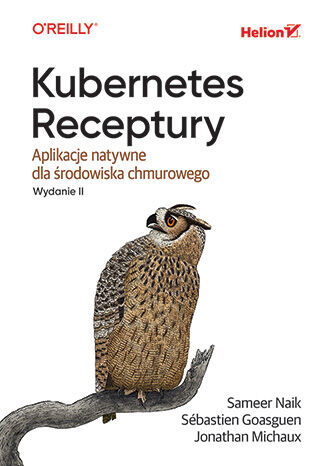
Kubernetes. Receptury. Aplikacje natywne dla środowiska chmurowego. Wydanie II
Sameer Naik, Sébastien Goasguen, Jonathan Michaux
Kubernetes stał się standardem orkiestracji kontenerów i zarządzania rozproszonymi aplikacjami. Obecnie pozwala na uzyskiwanie automatyzacji, rozszerzalności i przenośności na wysokim poziomie, a sama praca z nim jest efektywna i satysfakcjonująca. Niekiedy jednak tworzenie i wdrażanie aplikacji Kubernetes sprawia problemy nawet zaawansowanym użytkownikom. To książka przeznaczona dla osób pracujących z systemami Kubernetes. Poszczególne zagadnienia przedstawiono w niej w przejrzystym formacie problem - rozwiązanie - omówienie, dzięki czemu szybko znajdziesz rozwiązanie konkretnego problemu, a to z kolei pozwoli Ci na korzystanie ze wszystkich zalet tej platformy w codziennej pracy. Znalazło się tu ponad 100 praktycznych receptur obejmujących takie tematy jak konfigurowanie klastra, zarządzanie obciążeniem w kontenerach przy użyciu obiektów Kubernetes API, użycie pamięci masowej indeksowanej wartościami klucz-wartość, konfigurowanie zabezpieczeń i wiele innych. Każda receptura jest niezależna od innych, a materiał został zorganizowany w sposób maksymalnie ułatwiający szybkie odnalezienie interesującego Cię zagadnienia. W książce między innymi: tworzenie klastra i interfejs wiersza poleceń Kubernetes zarządzanie obciążeniami i usługami interfejs API Kubernetes skalowanie na poziomie klastra i aplikacji zabezpieczanie aplikacji i jej monitorowanie utrzymywanie systemów w środowisku chmury i rozwiązywanie problemów Kubernetes w praktyce. Znajdź szybkie rozwiązania dla każdego wyzwania!
Kubernetes. Receptury. Aplikacje natywne dla środowiska chmurowego. Wydanie II
Sameer Naik, Sébastien Goasguen, Jonathan Michaux
Kubernetes stał się standardem orkiestracji kontenerów i zarządzania rozproszonymi aplikacjami. Obecnie pozwala na uzyskiwanie automatyzacji, rozszerzalności i przenośności na wysokim poziomie, a sama praca z nim jest efektywna i satysfakcjonująca. Niekiedy jednak tworzenie i wdrażanie aplikacji Kubernetes sprawia problemy nawet zaawansowanym użytkownikom. To książka przeznaczona dla osób pracujących z systemami Kubernetes. Poszczególne zagadnienia przedstawiono w niej w przejrzystym formacie problem - rozwiązanie - omówienie, dzięki czemu szybko znajdziesz rozwiązanie konkretnego problemu, a to z kolei pozwoli Ci na korzystanie ze wszystkich zalet tej platformy w codziennej pracy. Znalazło się tu ponad 100 praktycznych receptur obejmujących takie tematy jak konfigurowanie klastra, zarządzanie obciążeniem w kontenerach przy użyciu obiektów Kubernetes API, użycie pamięci masowej indeksowanej wartościami klucz-wartość, konfigurowanie zabezpieczeń i wiele innych. Każda receptura jest niezależna od innych, a materiał został zorganizowany w sposób maksymalnie ułatwiający szybkie odnalezienie interesującego Cię zagadnienia. W książce między innymi: tworzenie klastra i interfejs wiersza poleceń Kubernetes zarządzanie obciążeniami i usługami interfejs API Kubernetes skalowanie na poziomie klastra i aplikacji zabezpieczanie aplikacji i jej monitorowanie utrzymywanie systemów w środowisku chmury i rozwiązywanie problemów Kubernetes w praktyce. Znajdź szybkie rozwiązania dla każdego wyzwania!