
Ebooks
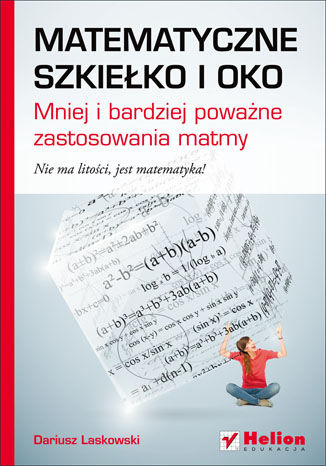
Matematyczne szkiełko i oko. Mniej i bardziej poważne zastosowania matmy
Dariusz Laskowski
Nie ma litości, jest matematyka! Matematyka to potęga do potęgi Czy wiesz, że matematyka to nie czarna magia, tylko dowcip, inteligencja i odrobina tajemniczości w czystej formie? Tak, tak. To nie żadna ściema czy inna niewiadoma. Zamiast włączać telewizor albo odpalać kolejną gierkę w sieci, otwórz tę książkę. Dzięki odkryciom matematyki przekonasz się, jak można odpowiedzieć na niezwykle frapujące pytania z codziennego życia - także Twojego własnego. Ile liczb mieści się na końcu szpilki? Na czym polega geometria bazgrołów? Co język C++ ma wspólnego z ponętną Moniką? Ile kompotu można wypić, gdy pan Czesław ma kolonoskopię? I wreszcie wyższa szkoła jazdy: jak odkodować PIN do lodówki algorytmem spigot? Okazuje się, że nieznana kraina faktów, teorii, hipotez, przełomowych eksperymentów i odkryć, dowodów, pojęć i matematycznych idei to nic innego jak nasze życie. A w życiu, jak w matematyce - jeden błąd może popsuć wszystko. Lepiej więc wiedzieć więcej i spojrzeć w zagadkowe oczy matmy. Nie taki X straszny, jak go malują…
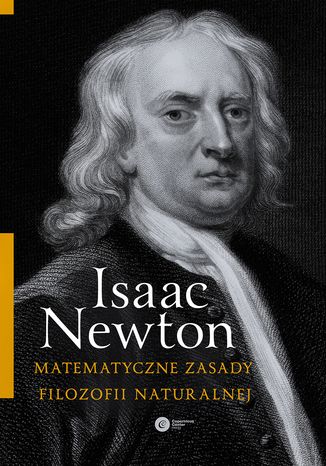
Matematyczne zasady filozofii naturalnej
Isaac Newton
Principia są gruntownym podsumowaniem XVII-wiecznej wiedzy na temat podstawowych praw mechaniki, rozbudowanym następnie o wyniki własnych przemyśleń, badań teoretycznych, eksperymentów i astronomicznych obserwacji Isaaca Newtona. W jego czasach nie prowadzono jeszcze algebraicznych rachunków w takiej formie, jakiej dziś powszechnie używamy − królowały metody geometryczne, polegające na przekładaniu wartości wielkości fizycznych na długości odcinków i łuków, konstruowaniu z nich odpowiednich figur geometrycznych, badaniu relacji zachodzących między elementami tych figur i budowaniu w ten sposób dowodów twierdzeń. Ślady tego podejścia pozostały do dziś w postaci graficznego obrazu wektora jako strzałki i szkolnej metody sumowania wektorów. Podobne do współczesnych rachunki algebraiczne znajdujemy u Newtona w formie zaczątkowej i w zapisie niekiedy trudnym w odbiorze dla współczesnego czytelnika. Kolejne (trzy) oryginalne łacińskie wydania Principiów różnią się między sobą – Newton stopniowo rozszerzał wykład i zmieniał niektóre jego fragmenty. Wydanie trzecie uznawane jest za jego „ostatnie słowo”, i ten tekst (w angielskim tłumaczeniu Andrew Motte’a z roku 1729) stał się podstawą polskiego przekładu autorstwa Sławomira Brzezowskiego. Dr Sławomir Brzezowski – ukończył fizykę na Uniwersytecie Jagiellońskim. Doktorat z fizyki teoretycznej uzyskał w Zakładzie Teorii Pola Instytutu Fizyki UJ. Jest emerytowanym wykładowcą UJ.
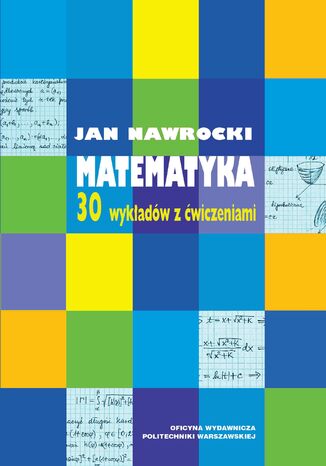
Matematyka. 30 wykładów z ćwiczeniami
Jan Nawrocki
Podręcznik przeznaczony jest dla studentów I semestru uczelni technicznych. Przedstawiono w nim teorię, przykłady oraz ćwiczenia z następujących działów matematyki: elementy logiki i teoria zbiorów, relacje i odwzorowania, struktury algebraiczne, ciało liczb zespolonych, przestrzenie liniowe, macierze, wyznaczniki i układy równań, elementy geometrii analitycznej (prosta, płaszczyzna i powierzchnie stopnia drugiego w R3), ciągi i szeregi liczbowe, rachunek różniczkowy i całkowy funkcji jednej zmiennej, ciągi i szeregi funkcyjne, szeregi potęgowe, szeregi ortogonalne.
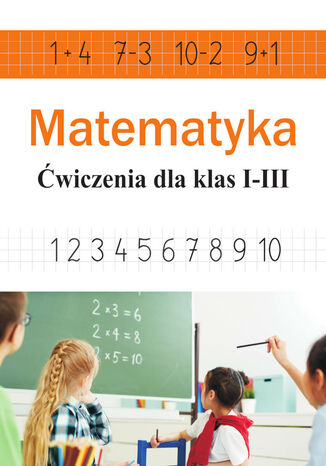
Matematyka. Ćwiczenia dla klas I-III
Ewa Stolarczyk
Matematyka. Ćwiczenia dla klas I-III to wspaniała książka dla dzieci, które zaczynają swoją przygodę z matematyką lub już postawiły pierwsze kroki w tej dziedzinie. Książka z pewnością pomoże rozwinąć podstawowe umiejętności matematyczne dziecka oraz zmieni liczenie w świetną zabawę.
Matematyka dla gimnazjalisty. Zbiór zadań
Adam Konstantynowicz
Potrzebujesz zbioru zadań z matematyki? Chcesz zrobić powtórkę przed klasówką? Poćwiczyć przed egzaminem? Nowa seria repetytoriów dla gimnazjalistów "OLDSCHOOL - stara dobra szkoła" to skuteczna nauka tego, czego naprawdę potrzebujesz. Nie ogarniasz tematu? My w Ciebie wierzymy! Seria "OLDSCHOOL - stara dobra szkoła" została przygotowana przez doświadczonych korepetytorów i metodyków we współpracy z nauczycielami i samymi gimnazjalistami. Główne zalety: - bogaty wybór zadań - zgodność z podstawą programową - przejrzysty układ oraz staranna szata graficzna - wszystkie zadania z rozwiązaniami - doskonałe uzupełnienie repetytorium "Korepetycje gimnazjalisty". Wiesz, jak jest! Egzamin gimnazjalny tylko z OLDSCHOOL!
Matematyka dla maturzysty. Zbiór zadań
Adam Konstantynowicz, Anna Konstantynowicz
Potrzebujesz zbioru zadań z matematyki? Powtórki przed maturą? Szybkiej pomocy przed klasówką? Nowa seria repetytoriów dla licealistów "OLDSCHOOL - stara dobra szkoła" to skuteczna nauka tego, czego naprawdę potrzebujesz. Weź to na rozum! My w Ciebie wierzymy! Seria "OLDSCHOOL - stara dobra szkoła" została przygotowana przez doświadczonych korepetytorów i metodyków we współpracy z nauczycielami i samymi maturzystami. Główne zalety repetytorium: - bogaty zestaw zadań otwartych i zamkniętych - zadania o różnym stopniu trudności - zgodność z nową podstawą programową - przejrzysty układ oraz staranna szata graficzna - wszystkie zadania z kluczem Domowe korepetycje tylko z OLDSCHOOL!
Matematyka dla programistów Java
Jacek Piechota
Matematyka w Javie? Nic trudnego! Przypomnij sobie reguły i działania matematyczne Poznaj w praktyce funkcje matematyczne języka Java Zamieniaj wzory i problemy matematyczne na algorytmy Naucz się wizualizować wyniki swoich obliczeń Matematyka nie jest ulubioną dziedziną wiedzy większości ludzi, a społeczność informatyczna nie stanowi tu wyjątku. Funkcje matematyczne, obliczenia statystyczne, działania na macierzach - każda z tych czynności może wywołać popłoch nawet wśród najbardziej doświadczonych programistów, z wieloletnim stażem w zawodzie. Jest tak, mimo że zarówno zasada działania komputerów, jak i języki programowania opierają się właśnie na królowej nauk. Na szczęście na rynku jest ta książka! Szybko wprowadzi Cię ona w świat obliczeń matematycznych wykonywanych za pomocą komputera. Na praktycznych przykładach, opracowanych w popularnym języku Java, przedstawia sposoby przeprowadzania różnych działań i przekształceń, stosowania algorytmów i wizualizowania otrzymanych wyników. Przestań się więc martwić i zostań prawdziwym matematycznym ninja! Podstawy matematyki i teorii informacji Działania na liczbach binarnych i heksadecymalnych Kombinatoryka i prawdopodobieństwo Działania na wektorach i macierzach Przetwarzanie liczb zespolonych Wykresy krzywych Chaos, fraktale i paradoksy Działania matematyczne? Obliczenia naukowe? Wypróbuj to w Javie!
Matematyka dla programistów JavaScript
Jacek Piechota
Programowanie matematyki wcale nie musi być trudne! Przypomnij sobie reguły i działania matematyczne Poznaj w praktyce funkcje matematyczne JavaScriptu Zamieniaj wzory i problemy matematyczne na algorytmy Naucz się wizualizować matematykę Spójrzmy prawdzie w oczy: większość ludzi nie lubi matematyki. Co dziwne, nie jest ona również ulubioną dziedziną wiedzy wielu osób zawodowo parających się informatyką. Niejedną z nich w prawdziwy popłoch wpędza konieczność posłużenia się choćby najbardziej niewinnie wyglądającą funkcją matematyczną, nie wspominając o przeprowadzeniu bardziej skomplikowanych obliczeń statystycznych, wykreśleniu przebiegu funkcji czy implementowaniu działań na macierzach. Niepotrzebnie, bo matematyka wcale nie jest taka straszna! Przekonasz się o tym dzięki tej książce, która szybko i łatwo wprowadzi Cię w świat obliczeń matematycznych przeprowadzanych za pomocą komputera. Z wykorzystaniem praktycznych przykładów, opracowanych w popularnym języku JavaScript, przedstawia ona sposoby wykonywania rozmaitych działań i przekształceń, stosowania algorytmów i wizualizowania otrzymanych wyników. Przestań się martwić i zostań prawdziwym matematycznym ninja! Podstawy matematyki i teorii informacji Działania na liczbach binarnych i heksadecymalnych Kombinatoryka i prawdopodobieństwo Działania na wektorach i macierzach Przetwarzanie liczb zespolonych Wykresy krzywych Chaos, fraktale i paradoksy Matematyka i JavaScript to doskonały tandem!
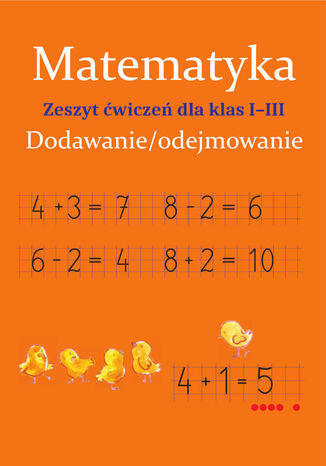
Matematyka. Dodawanie/odejmowanie. Zeszyt ćwiczeń dla klas I-III
Monika Ostrowska
Matematyka. Dodawanie/odejmowanie to wspaniała książka dla dzieci z klas I-III, które zaczynają swoją przygodę z matematyką. Ciekawe zadania pozwolą dziecku rozwinąć podstawowe umiejętności matematyczne - dodawanie i odejmowanie - oraz zmienią liczenie w świetną zabawę
Matematyka dyskretna dla informatyków
Wojciech Kordecki, Anna Łyczkowska-Hanćkowiak
Poznaj matematyczne podstawy informatyki! Odkryj świat matematyki dyskretnej Poznaj teorię grafów od podszewki Opanuj struktury kombinatoryczne Na zadane w ankiecie pytanie o definicję matematyki dyskretnej pewien student Politechniki Gdańskiej odpowiedział, że jest to dział matematyki, który "dyskretnie wciska się, gdzie się da". Choć prawdopodobnie nie o taką odpowiedź chodziło pytającemu, z pewnością jest w niej trochę prawdy. Z matematyką dyskretną mamy obecnie do czynienia dosłownie wszędzie, ponieważ wszędzie obecna jest informatyka, która wykorzystuje wiele pojęć i konstrukcji powstałych właśnie dzięki temu stosunkowo mało znanemu działowi królowej nauk. Matematyka dyskretna to zbiorcza nazwa różnych działów matematyki zajmujących się badaniem struktur nieciągłych, a więc takich, które w naturalny sposób znajdują zastosowanie w informatyce. Kryptografia, teoria gier i teoria grafów - to tylko niektóre z działów matematyki dyskretnej praktycznie wykorzystywane przez wielu programistów w codziennej pracy. A jeśli doda się do nich takie zagadnienia jak rekurencja czy algorytmy zachłanne, potrzeba zrozumienia podstaw tego działu matematyki staje się chyba jasna dla wszystkich adeptów informatyki. Ten podręcznik powstał na bazie doświadczeń autorów w prowadzeniu zajęć z matematyki dyskretnej, teorii grafów i algorytmów kombinatorycznych na Politechnice Wrocławskiej na Wydziale Podstawowych Problemów Techniki, na Uniwersytecie Ekonomicznym w Poznaniu na Wydziale Informatyki i Gospodarki Elektronicznej oraz w Państwowej Wyższej Szkole Zawodowej im. Witelona w Legnicy na Wydziale Nauk Technicznych i Ekonomicznych. Zajęcia te były prowadzone dla studentów informatyki, a także dla tych z kierunku informatyka i ekonometria. I to przede wszystkim dla studentów kierunków informatycznych przeznaczona jest ta książka. Zawiera ona również wiadomości bardziej zaawansowane, przydatne dla doktorantów i zaawansowanych programistów, dając im teoretyczne podstawy do studiowania algorytmów. Indukcja i rekurencja Rozmieszczenia i permutacje Kombinacje i podziały Grafy i drzewa Algorytmy grafowe Struktury kombinatoryczne Systemy i algorytmy zachłanne Matematyka dyskretna bez tajemnic
Matematyka dyskretna dla praktyków. Algorytmy i uczenie maszynowe w Pythonie
Ryan T. White, Archana Tikayat Ray
Mimo że osiągnięcia matematyczne stały się podwalinami algorytmiki, wielu inżynierów nie w pełni rozumie reguły matematyki dyskretnej. Nawet jeśli nie stanowi to szczególnego problemu w codziennej pracy, w końcu okazuje się, że matematyka dyskretna jest niezbędna do osiągnięcia prawdziwej biegłości w operowaniu algorytmami i w pracy na danych. Co więcej, znajomość tej dziedziny bardzo ułatwia rozwiązywanie problemów z zakresu uczenia maszynowego. W ten sposób praktyczna biegłość w matematyce zauważalnie poprawia wyniki pracy inżynierów. Ta książka jest kompleksowym wprowadzeniem do matematyki dyskretnej, przydatnym dla każdego, kto chce pogłębić i ugruntować swoje umiejętności informatyczne. W zrozumiały sposób przedstawiono tu metody matematyki dyskretnej i ich zastosowanie w algorytmach i analizie danych, włączając w to techniki uczenia maszynowego. Zaprezentowano również zasady oceny złożoności obliczeniowej algorytmów i używania wyników tej oceny do zarządzania pracą procesora. Omówiono także sposoby przechowywania struktur grafowych, ich przeszukiwania i znajdywania ścieżek między wierzchołkami. Pokazano też, jak wykorzystać przedstawione informacje podczas posługiwania się bibliotekami Pythona, takimi jak scikit-learn i NumPy. W książce między innymi: terminologia i metody matematyki dyskretnej zastosowanie metod matematyki dyskretnej w algorytmach i analizie danych algebra Boole'a i kombinatoryka w podstawowych strukturach algorytmów rozwiązywanie problemów z dziedziny teorii grafów zadania związane z uczeniem maszynowym a matematyka dyskretna Matematyka dyskretna - poznaj, zrozum, zastosuj!
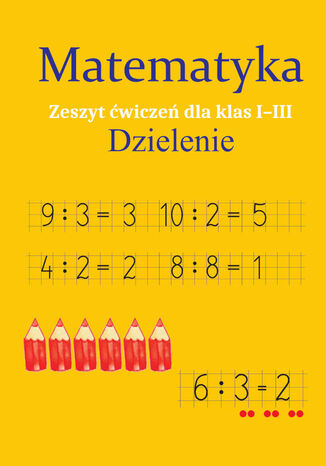
Matematyka. Dzielenie. Zeszyt ćwiczeń dla kl. I-III
Monika Ostrowska
Matematyka. Dzielenie to wspaniała książka dla dzieci z klas I-III, które postawiły już pierwsze kroki w świecie matematyki. Ciekawe zadania pozwolą dziecku rozwinąć podstawowe umiejętności matematyczne oraz zmienią naukę w świetną zabawę.
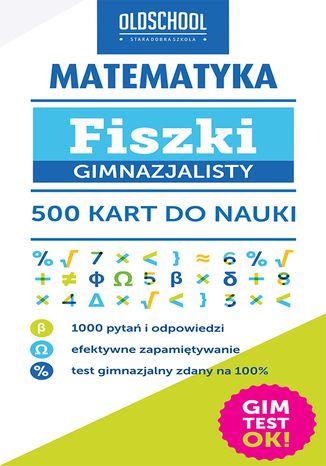
Matematyka. Fiszki gimnazjalisty. 500 kart do nauki
Inga Linder-Kopiecka
Seria "OLDSCHOOL - stara dobra szkoła" została przygotowana przez doświadczonych korepetytorów i metodyków, a wszystkie publikacje są konsultowane z nauczycielami i samymi gimnazjalistami. "Matematyka. Fiszki gimnazjalisty. 500 kart do nauki" to kurs powtórkowy do egzaminu zarazem skuteczna nauka tego, czego naprawdę potrzebujesz. Skorzystaj z nowego sposobu na szybkie zapamiętywanie! Weź to na rozum! My w Ciebie wierzymy! "Fiszki gimnazjalisty" to: - 500 dwustronnych Fiszek do samodzielnej nauki - 1000 pytań i odpowiedzi - wszystkie zagadnienia gimnazjalne - efektywne zapamiętywanie - nowy sposób na naukę Dzięki "Fiszkom gimnazjalisty": - opanujesz wszystkie zagadnienia wymagane na egzaminie gimnazjalnym, m.in. liczby wymierne, potęgi i pierwiastki, procenty, wyrażenia algebraiczne, równania - wykresy funkcji, statystyka opisowa i symetria nie będą miały przed tobą tajemnic - sprawdzisz, co już umiesz - dowiesz się, czego jeszcze nie wiesz - dostosujesz tempo nauki do własnych potrzeb - możesz uczyć się samodzielnie lub z przyjaciółmi - masz możliwość uczenia się w dowolnym momencie i miejscu Wiesz, jak jest. Egzamin gimnazjalny tylko z OLDSCHOOL!
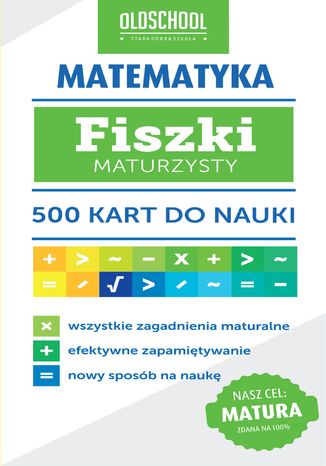
Matematyka. Fiszki maturzysty. 500 kart do nauki
Inga Linder-Kopiecka, Beata Linder-Kopiecka
Seria "OLDSCHOOL - stara dobra szkoła" została przygotowana przez doświadczonych korepetytorów i metodyków, a wszystkie publikacje są konsultowane z nauczycielami i samymi maturzystami. "Matematyka. Fiszki maturzysty. 500 kart do nauki" to kurs powtórkowy do matury a zarazem skuteczna nauka tego, czego naprawdę potrzebujesz. Skorzystaj z nowego sposobu na szybkie zapamiętywanie! Weź to na rozum! My w Ciebie wierzymy! "Fiszki maturzysty" to: - 500 dwustronnych Fiszek do samodzielnej nauki - 1000 pytań i odpowiedzi - wszystkie zagadnienia maturalne - efektywne zapamiętywanie - nowy sposób na naukę Dzięki "Fiszkom maturzysty": - opanujesz wszystkie zagadnienia wymagane na maturze na poziomie podstawowym: wzory, wykresy, przykłady rozwiązań zadań, definicje - sprawdzisz i usystematyzujesz swoją wiedzę - dostosujesz tempo nauki do własnych potrzeb - skorzystasz z nowej formy przygotowania do matury - możesz uczyć się w domu, w szkole, w podróży - kiedy tylko chcesz Do matury tylko z OLDSCHOOL!
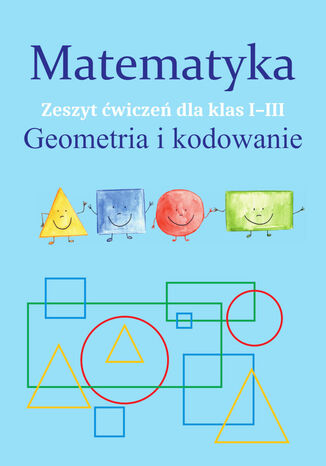
Matematyka. Geometria i kodowanie. Zeszyt ćwiczeń dla kl. I-III
Monika Ostrowska
Matematyka. Geometria i kodowanie to wspaniała książka dla dzieci z klas I-III, które postawiły już pierwsze kroki w świecie matematyki, a także doskonałe wprowadzenie do zagadnień związanych z geometrią. Ciekawe zadania, dodatkowo wzbogacone o elementy kodowania, pozwolą dziecku rozwinąć podstawowe umiejętności matematyczne oraz zmienią naukę w świetną zabawę.
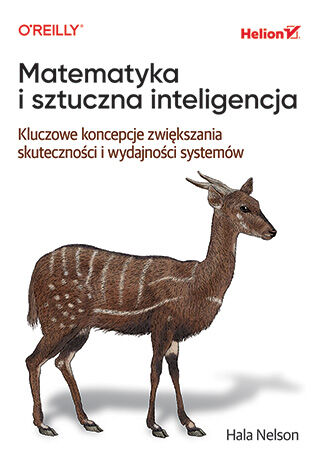
Hala Nelson
Sztuczna inteligencja i technologie oparte na danych są coraz częściej integrowane z istniejącymi systemami i operacjami. Ta tendencja dotyczy licznych branż. Dziś przy budowaniu systemów SI można korzystać z gotowych bibliotek, jeżeli jednak zależy Ci na w pełni świadomym tworzeniu doskonalszych aplikacji, musisz dobrze opanować matematykę leżącą u podstaw sztucznej inteligencji. Nawet jeśli nie darzysz królowej nauk płomiennym uczuciem, dzięki temu kompleksowemu opracowaniu z łatwością poradzisz sobie z jej lepszym poznaniem. Nie znajdziesz tu skomplikowanych teorii naukowych, tylko przystępnie podane koncepcje matematyczne niezbędne do rozwoju w dziedzinie sztucznej inteligencji, w szczególności do praktycznego stosowania najnowocześniejszych modeli. Poznasz takie zagadnienia jak regresja, sieci neuronowe, sieci konwolucyjne, optymalizacja, prawdopodobieństwo, procesy Markowa, równania różniczkowe i wiele innych w ekskluzywnym kontekście sztucznej inteligencji. Książkę docenią pasjonaci nowych technologii, twórcy aplikacji, inżynierowie i analitycy danych, a także matematycy i naukowcy. W książce: wyjaśnienie pojęć z zakresu uczenia maszynowego, inżynierii danych i matematyki ujednolicanie modeli w ramach jednej struktury matematycznej grafy i dane sieciowe eksploracja rzeczywistych danych, zmniejszanie liczby wymiarów i przetwarzanie obrazów korzystanie z modeli w różnych projektach opartych na danych implikacje i ograniczenia sztucznej inteligencji Ta książka w zachwycający sposób sprawia, że matematyka staje się zabawą dla licznych uczestników przyszłości opartej na sztucznej inteligencji! Adri Purkayastha, analityk oceny ryzyka, BNP Paribas O książce w mediach: Eksperyment Myślowy – recenzja książki