
Ebooks
Tadeusz Boy-Żeleński
Nasi okupanci to zbiór kontrowersyjnych felietonów jednego z najpopularniejszych polskich krytyków literackich i eseistów XX wieku Tadeusza Boya-Żeleńskiego. Autor krytykuje w nich prawicową zaściankowość, toksyczną bogobojność oraz porusza tematy seksualności, małżeństwa czy macierzyństwa. Zyskał przez to wielu wrogów wśród duchownych, ale jednocześnie duże poparcie świeckiej części społeczeństwa, zajmującej się problematyką świadomego macierzyństwa i ułatwianiem rozwodów.
Tadeusz Boy-Żeleński
Klasyczny tekst w nowoczesnej formie ebooka. Pobierz go już dziś na swój podręczny czytnik i ciesz się lekturą! Każdemu prawie w Polsce dziś wiadomo, że zjawił się Antychryst, noszący miano Tadeusz Żeleński, a pseudonim Boy. Wyklinają go z ambon, wypisują o nim niestworzone rzeczy w różnych mniej lub więcej świątobliwych pismach i pisemkach. Ba, kiedy ów Boy chce wygłosić odczyt, bodaj o poecie sprzed pięciu wieków, urządza się całe krucjaty, aby nie dopuścić do tego zgorszenia. Równocześnie Sodalicja Pań w Krakowie odprawia zbiorowe modły „o nawrócenie się Boya”. (...) Zebrałem tedy tutaj inkryminowane artykuły, aby ułatwić ogółowi rozpatrzenie się w tym doniosłym przez swą treść zatargu. [Fragment „Od autora”]
Tadeusz Boy-Żeleński
Nasi okupanci Od autora Każdemu prawie w Polsce dziś wiadomo, że zjawił się Antychryst, noszący miano Tadeusz Żeleński, a pseudonim Boy. Wyklinają go z ambon, wypisują o nim niestworzone rzeczy w różnych mniej lub więcej świątobliwych pismach i pisemkach. Ba, kiedy ów Boy chce wygłosić odczyt, bodaj o poecie sprzed pięciu wieków, urządza się całe krucjaty, aby nie dopuścić do tego zgorszenia. Równocześnie Sodalicja Pań w Krakowie odprawia zbiorowe modły „o nawrócenie się Boya”. [...]Tadeusz Boy-ŻeleńskiUr. 21 grudnia 1874 w Warszawie Zm. 4 lipca 1941 we Lwowie Najważniejsze dzieła: przekłady ponad stu pozycji z literatury francuskiej, Słówka, Marysieńka Sobieska, Piekło kobiet, Plotka o Weselu, Flirt z Melpomeną Pisarz, poeta, krytyk teatralny i literacki, tłumacz i popularyzator kultury francuskiej, publicysta, działacz społeczny, z zawodu lekarz. Matka Boya była wychowanicą i przyjaciółką Narcyzy Żmichowskiej, ojciec - znanym kompozytorem. Spokrewniony z Tetmajerami, uczestnik wesela Lucjana Rydla, opisanego przez Wyspiańskiego, później ożenił się z Zofią Pareńską, która była pierwowzorem Zosi z Wesela. W młodości hulaka i karciarz, przyjaciel Stanisława Przybyszewskiego, nieszczęśliwie zakochany w jego żonie Dagny. Studiował medycynę, następnie wyjechał na praktyki do Francji, gdzie odkrył francuską piosenkę, kabarety i powieści Balzaka. Zakochany w Paryżu, po powrocie zaczął tłumaczyć francuską literaturę, aby ,,stworzyć sobie namiastkę Francji". Współtwórca kabaretu ,,Zielony Balonik", autor wielu piosenek i wierszyków z jego repertuaru. Jako lekarz kolejowy i pediatra stykał się z biedą i cierpieniem, jako działacz społeczny propagował więc świadome macierzyństwo i właściwą opiekę nad niemowlętami. Po pierwszej wojnie światowej porzucił medycynę i został recenzentem teatralnym oraz publicystą. Krytykowany przez środowiska prawicowe za wyśmiewanie rzeczy i spraw szacownych, które sam uważał za ,,niezbyt godne szacunku". W 1927 r. rząd francuski odznaczył go Legią Honorową za jego pracę tłumacza. Zamordowany przez hitlerowców wraz z innymi profesorami Uniwersytetu Lwowskiego. Kupując książkę wspierasz fundację Nowoczesna Polska, która propaguje ideę wolnej kultury. Wolne Lektury to biblioteka internetowa, rozwijana pod patronatem Ministerstwa Edukacji Narodowej. W jej zbiorach znajduje się kilka tysięcy utworów, w tym wiele lektur szkolnych zalecanych do użytku przez MEN, które trafiły już do domeny publicznej. Wszystkie dzieła są odpowiednio opracowane - opatrzone przypisami oraz motywami.
Philip K. Dick
Ludzie w szponach władzy, która może poznać każdą ich myśl Czym telepatyczne Wielkie Ucho różni się od smartfonów w naszych kieszeniach? Gdybym w latach osiemdziesiątych XX wieku, mając lat trzynaścieszesnaście, przeczytał Naszych przyjaciół z Frolixa 8, tylko bym się utwierdził w przekonaniu, że Dick znów napisał książkę o rzeczywistości, w której żyję. - z przedmowy Pawła Majki. Willis Gram jest despotycznym oligarchą w świecie rządzonym przez zmutowanych jajogłowych. Nick Appleton to uległy robotnik, którego życie jest serią niekończących się frustracji. Do czasu, gdy obaj zakochują się w Charlotte Boyer, przebojowej kolporterce wywrotowej literatury. Wydaje się, że Nick ze swoją świeżo nabytą śmiałością nie wyjdzie z tych konkurów żywy, sprawy jednak przybierają nieoczekiwany obrót. Zaginiony przed laty przywódca rebeliantów wraca z międzygalaktycznej odysei z dziewięćdziesięciotonowym ładunkiem protoplazmy gotowej zaprowadzić nowy ład na Ziemi W tej wartkiej opowieści Philip K. Dick podejmuje poważne problemy społeczne, ale też zdradza coś, o co wielu nigdy by go nie podejrzewało zaawansowany zmysł komediowy.

Krystyna Mazurówna
O rodakach za granicą błyskotliwy i niebanalny zbiór obserwacji, anegdot i opowieści Krystyny Mazurówny Ekscentryczna, barwna, intrygująca. Krystyna Mazurówna ma wiele wcieleń i ról. W swojej najnowszej książce słynna tancerka i choreografka dzieli się swoim doświadczeniem emigrantki ale nie tylko swoim. Z przymrużeniem oka, czasem z lekką ironią obserwuje naszych za granicą w Paryżu, Nowym Jorku, w Brukseli. Jakie są nasze wspólne cechy? Jakie śmiesznostki? Jak sobie radzimy poza granicami ojczyzny? O wszystkim tym pisze Mazurówna. Szczerze, dowcipnie i z wdziękiem.
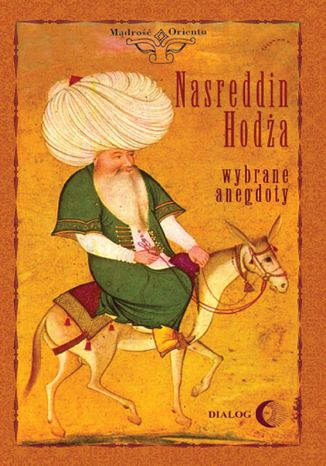
Nasreddin Hodża. Wybrane anegdoty
Janusz Janczewski
Książka przedstawia postać Nasreddina Hodży, głównego bohatera krótkich form literackich, które powstały na ogromnym obszarze od Chin do Węgier. Zawiera również 231 anegdot, przetłumaczonych z języka tureckiego.

Ołeś Ulianenko
Ołeś Ulianenko (1962-2010) - najbardziej kontrowersyjny i radykalny ukraiński prozaik, skandalista i nieprzewidywalny mistrz słowa. Najmłodszy laureat Nagrody Tarasa Szewczenki. Jedyny pisarz w historii niepodległej Ukrainy, którego książki stały się zakazane. Ukraińska Cerkiew Prawosławna Patriarchatu Moskiewskiego rzuciła na niego anatemę, z kolei Komisja Moralności Publicznej wszczęła przeciwko niemu postępowanie karne za propagowanie pornografii. Ulianenko nigdy nie miał stałej pracy. Na życie zarabiał w nielegalnych klubach bokserskich, służył w wojsku w Afganistanie i NRD, był nawet czas jakiś szamanem jakuckim. Przez część swojego życia był mnichem w cerkwi prawosławnej. Powieść "Następca Szatana" jest jedną z najlepszych powieści Ulianenki, w której za atrakcyjną postacią wyrafinowanego intelektualisty kryje się okropna natura nieludzkiego mordercy.
Joseph Conrad,
"Następcy" to opowieść o grupie osób będących przedstawicielami obcej rasy pochodzącej z Czwartego Wymiaru. Jedną z nich jest tajemnicza i fascynująca kobieta, którą przypadkowo poznaje Artur, niedoceniony angielski pisarz. To ona powoli odsłania przed nim kulisy skomplikowanej operacji mającej na celu przejęcie władzy nad Ziemią. Artur, otrzymując przy okazji coraz większe korzyści finansowe i społeczne, daje wplątać się w skomplikowaną, makiaweliczną intrygę, nie zdając sobie sprawy, że jest jedynie drobnym narzędziem w dążeniu do globalnego celu. Autorzy w swojej historii wykorzystali wiele elementów literatury gatunkowej - science fiction oraz grozy - dzięki którym poczucie zagrożenia i niestabilności świata potęguje jej złowrogą wymowę.
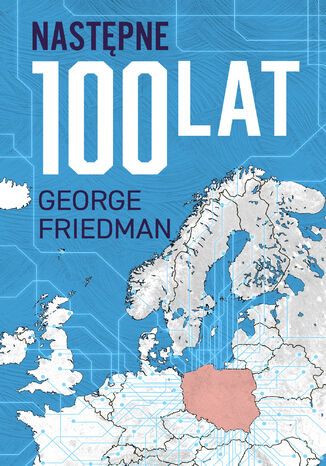
Następne 100 lat. Prognoza na XXI wiek
George Friedman
Fascynująca, a jednocześnie szokująca wizja tego, co nas czeka w XXI wieku Nowa zimna wojna z Rosją, wewnętrzny kryzys w Chinach, koniec wojny Stanów Zjednoczonych z islamskim fundamentalizmem, globalne konflikty kulturowe i problemy na granicy amerykańsko-meksykańskiej. Niektóre z zaskakujących prognoz, zawartych w tej głośnej książce, już zaczęły się spełniać. Scenariusz Friedmana przewiduje, że wiek XXI będzie czasem wzrostu pozycji Stanów Zjednoczonych, osłabienia Rosji, Niemiec i Chin i pojawienia się nowych potęg Turcji, Japonii, Meksyku i Polski, jako jednego z czołowych europejskich mocarstw, które zyska na klęsce i rozpadzie Rosji. George Friedman, uznany ekspert w dziedzinie geopolityki i założyciel prywatnej agencji wywiadu Stratfor, w swojej przenikliwej analizie wskazuje na zmiany, które przyniesie nam nowa epoka. Wyjaśnia źródła przyszłych konfliktów, politycznych i gospodarczych przemian oraz wstrząsów w poszczególnych regionach i krajach. A także pokazuje, jak nowe technologie i trendy kulturowe zmienią oblicze świata.

Następny papież. Urząd Piotra i misja Kościoła
George Weigel
To poruszająca książka, która przymusza czytelnika do przemyślenia swej wiary oraz katolickości. George Weigel sprowokował nią już debatę w kolegium kardynalskim, a teraz rozpoczyna ją w Kościele na całym świecie. To publikacja o wyzwaniach nowego papieża, który w świecie pełnym zamętu będzie musiał łączyć wierność tradycji z odwagą pioniera nowej ewangelizacji. Maciej Zięba OP, dominikanin, teolog, filozof, publicysta.
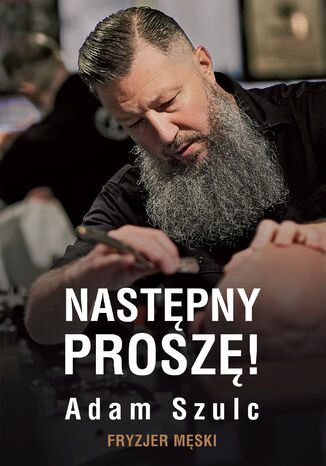
Następny proszę! Fryzjer męski
Adam Szulc
Nowa książka najpopularniejszego barbera w Polsce W pierwszej części znajdziemy w niej barwny życiorys autora fryzjera i muzyka, perfekcyjnie władającego brzytwą i werblem. A dalej potężny rozdział o amerykańskich barber shopach - ich powstaniu, rozkwicie, przyczynach upadku i powolnym renesansie. Opowieść ma mocny rys historyczny. Dalej: życiorysy emerytowanych (choć często wciąż pracujących) fryzjerów męskich z dziewięciu krajów z całego świata - Polski, Stanów Zjednoczonych, Włoch, Niemiec, Turcji, Anglii i innych. Poruszające historie barberów o miłości do zawodu, o tym jak było, o tym co sprawia, że ta robota to całe życie, a całe życie to ta robota. W tym rozmowa, jaką przeprowadził ze 108-letnim maestro Antonio Mancinellim, uznanym przez księgę Guinessa na najstarszego barbera. Znakomity jest także rozdział o pop kulturze przenikającej się z fryzjerstwem męskim - polityka, filmy, idole. A w drugiej części kolejna dawka kilkudziesięciu opisanych fryzur - ich historia, pochodzenie, zastosowanie - niektóre naprawdę zadziwiają! Książka fascynująco ilustrowana. Fryzjerski komiks!
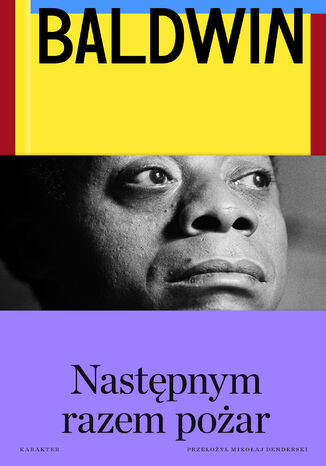
James Baldwin
Jedna z najgłośniejszych eseistycznych książek Jamesa Baldwina, łącząca osobiste świadectwo z przenikliwą analizą społeczną. Autor pisze o tym, jak uciekając przed biedą w Harlemie, szukał schronienia w Kościele i na trzy lata został duchownym. Opowiada o swoim rozczarowaniu chrześcijaństwem. Analizuje popularność ruchu Naród Islamu wśród czarnej społeczności. Przede wszystkim jednak kreśli własną wizję przyszłości kraju, który musi zerwać z przemocą i dominacją białej rasy, bo jeśli tego nie zrobi, będzie skazany na zagładę. O znaczeniu tej książki i jej wpływie na literaturę oraz debatę publiczną w Ameryce pisze w posłowiu Katarzyna Jakubiak.
Nastolatek potrzebuje wsparcia. Zrozum swoje dziecko i bądź po jego stronie
Agnieszka Kozak, Robert Bielecki, Marcin Rzeczkowski
Dorastanie jest łatwiejsze, gdy ma się po swojej stronie rodziców Relacja z dorastającym dzieckiem jest ogromnym wyzwaniem dla wielu dorosłych - zwyczajnie nie jesteśmy do roli rodziców przygotowani! Młodym, nastoletnim człowiekiem targają gwałtowne uczucia, których często nie rozumie, pojawiają się nastroje, z którymi nie potrafi sobie poradzić. Nastolatek czasem zachowuje się w sposób, jakiego nie pochwalamy i jaki on sam, po czasie, uważa za nierozsądny i niepotrzebny. Zła wiadomość jest taka: to normalne i naturalne, proces przejścia w dorosłość tak właśnie wygląda. Z kolei dobra wiadomość brzmi: wszystkie nastolatki przez to przechodzą, wszyscy rodzice się z tym zmagają. Mamo, tato, nie jesteście więc sami! "Nastolatek potrzebuje wsparcia. Zrozum swoje dziecko i bądź po jego stronie" - o czym jest ta książka? Autorzy książki "Nastolatek potrzebuje wsparcia. Zrozum swoje dziecko i bądź po jego stronie", pracujący na co dzień zarówno z nastolatkami, jak i z ich rodzicami, przygotowali publikację, której celem jest pomoc obu stronom. Wychodzą bowiem z założenia, że aby się porozumieć, trzeba się najpierw zrozumieć. Poradnik możecie więc czytać wraz ze swoimi dorastającymi dziećmi, ale jeśli one nie mają ochoty, zróbcie to dla siebie. Ten czuły i merytoryczny przewodnik po świecie młodego, kształtującego się dopiero człowieka ma za zadanie uświadomić rodzicom, jak piękny i delikatny jest to świat, i pomóc im towarzyszyć dziecku w podróży ku dorosłości. Uświadomić, a może przypomnieć? Wszak każdy dorosły był kiedyś nastolatkiem i przeżywał te same burze, przez które przechodzi właśnie jego latorośl. I choć okoliczności zewnętrzne mocno się zmieniły, to zamknięty w swoim wewnętrznym świecie nastolatek nadal potrzebuje miłości i bliskości. Mamo! Tato! Potrzebuję, abyście mnie wytrzymali, zwłaszcza wtedy, kiedy nie mogę wytrzymać sam ze sobą... Polecamy także książki o mózgu dostępne w naszej ofercie. O książce "Nastolatek potrzebuje wsparcia. Zrozum swoje dziecko i bądź po jego stronie" w mediach: Psychologiaprzykawie.pl: Jak zrozumieć i wspierać nastolatka? Onet.pl: Bunt nastolatka: jak pomóc dziecku w trudnym okresie dojrzewania? Tokfm.pl (Magazyn): Nastolatki. Czego potrzebują i jak je wspierać? Zdrowie.radiozet.pl: Cyfrowe uzależnienie. "Jeśli jest drugie dno, to mamy problem" Hellozdrowie.pl: "Kiedy zamrażamy złość, musimy zamrozić ogólne czucie siebie. A to znaczy, że może być trudno o miłość, empatię, współczucie" Rdc.pl (Kobiecy wieczór): Zrozum swoje dziecko i bądź po jego stronie - rozmowa z Marcinem Rzeczkowskim ChilliZet.pl (Plac zabaw): Agnieszka Kozak o książce Lm.pl: Wsparcie nastolatków. Klucz do przetrwania burzliwych lat TV Wielkopolska (W cztery oczy): Obejrzyj rozmowę z Robertem Bieleckim Deon.pl: "Wiedziałam, że albo się tym zajmę, albo już mnie nie będzie". O depresji nastolatków Deon.pl: Sprawdź, czy twoje dziecko jest uzależnione od technologii. Oto sześć symptomów Medonet.pl: To dlatego nastolatkowie są wulgarni, złośliwi i obojętni. Jedna zmiana, lawina emocji Czwórka Polskie Radio: Agnieszka Kozak w Wieczorze z Czwórką, 2.część rozmowy K3 - podcast Dariusza Bugalskiego: Jak stworzyć więź z nastolatkiem opartą na wsparciu? Jan Pospieszalski: DR AGNIESZKA KOZAK | JAN POSPIESZALSKI ROZMAWIA #93 Kulisy Sukcesu: NAJCZĘSTSZE BŁĘDY RODZICA - Jak BUDOWAĆ RELACJE, by NIE STRACIĆ DZIECKA? - Robert Bielecki Centrum Nauczania Domowego: Perspektywa nastolatka, czyli jak pomóc sobie i swojemu dziecku [rozmowa z Agnieszką Kozak] Magdalena Siupa w rozmowie z Robertem Bieleckim: Nastolatkowie potrzebują wsparcia! Agnieszka Kozak, Robert Bielecki: Lęk przed odrzuceniem - jak wykorzystać mózg do wygrania z nim? Mózg - nasz wróg i sprzymierzeniec>>> Naturalnieozdrowiu.pl: Wywiad z autorką książki o tym, jak rozumieć i wspierać nastolatków
Nastolatki na rozdrożu. Jak się nie zagubić, wspierając swoje dorastające dziecko
Aleksandra Milczarek
Mamo, tato, ja dorastam. Czy możecie mi w tym pomóc? Okres nastoletni to szczególny czas w życiu młodego człowieka. Intensywnie rośnie, mocno zmienia się jego ciało. Zdecydowane zmiany zachodzą również w jego mózgu i osobowości, jako że dziecko "przepoczwarza się" w dorosłego. Te lata często bywają bardzo trudne, zarówno dla samego nastolatka, jak i dla jego rodziców, a także nauczycieli, opiekunów i wszystkich osób, które żyją albo pracują z prawie dorosłymi ludźmi. Jak wspierać nastolatków w ich podróży ku dojrzałości? Jak samemu przy tym nie zwariować? Odpowiedzi znajdziesz w tej książce. Poradnik, napisany przez doświadczoną psychoterapeutkę, został podzielony na trzy zasadnicze części. Pierwsza opowiada o tym, co się dzieje z osobą, która dorasta ― jak się zmienia fizycznie, emocjonalnie i pod względem osobowości i jaką rolę w tej przemianie odgrywają relacje społeczne. W drugiej części mowa o charakterystycznych dla okresu nastoletniego problemach i o tym, jak wspomagać doświadczającego ich młodego człowieka. Trzecia natomiast jest poświęcona wiernym towarzyszom nastoletniej przemiany i doświadczeń z nią związanych, czyli rodzicom ― ich dobrostan bowiem ma niebagatelne znaczenie dla samopoczucia zmagającej się z wyzwaniami dorastania pociechy. Ten poradnik to nawigacja po skomplikowanym świecie nastolatków! Towarzyszenie swojemu dziecku w podróży do dorosłości to wielkie wyzwanie. Łatwo się po drodze zagubić. Potrzebne są drogowskazy i dobry ekwipunek. Ta książka pokazuje rodzicom, jakie trudności pokonuje w tej podróży ich nastoletnie dziecko. Wyposaża ich w rozumienie i empatię. Dzięki takiemu przewodnikowi będą potrafili lepiej wspierać dziecko, ale też zadbać o siebie. Bo tylko silni mogą dać siłę. Monika Sajkowska, ekspertka w Fundacji Dajemy Dzieciom Siłę Nastolatki na rozdrożu to kompendium wiedzy dla rodziców na temat okresu dorastania, a także radzenia sobie z trudnościami w relacji z nastolatkiem. Autorka, posługując się przystępnym językiem, zaprasza do refleksji nad wyzwaniami związanymi z przekształcaniem się relacji rodzic – dziecko w relację rodzic – młody dorosły. Wykazuje się przy tym zrozumieniem i wyrozumiałością dla obu stron. Zawarte w książce treści opiera na połączeniu własnej wiedzy psychologicznej z wieloletnią praktyką w pracy interwencyjnej, wychowawczej i psychoterapeutycznej z młodzieżą i rodzicami. Na uwagę zasługuje szczególnie rozdział, w którym podpowiada, jak rodzic może się zatroszczyć o siebie, będąc istotnym podmiotem w relacji nie tylko z nastolatkiem, ale także ze sobą. Nina Szalas, doktor nauk medycznych, kierowniczka do spraw dydaktyki w Centrum CBT, psychoterapeutka, superwizorka Nastolatki na rozdrożu to niezwykle cenna pozycja, obejmuje szerokie spektrum wątków i tematów związanych z okresem dorastania, budzących silne emocje i u nastolatków, i u ich opiekunów (finanse, używki, przemoc rówieśnicza, seksualność i inne). Co ważne, autorka z wielką empatią uwzględnia perspektywę zarówno młodych ludzi, jak i rodziców, którzy równolegle z własnymi dziećmi wchodzą na nowy etap swojego życia. W sposób wyważony, ale też konkretny podpowiada, jak podejść do rozwiązywania problemów i jak dbać o swój (!) rodzicielski dobrostan, wzmacnia przy tym u rodziców poczucie wpływu, aby oni z kolei mogli mądrze i dojrzale wspierać dorastające dzieci. Dodatkowymi atutami książki są bezpośredni styl i autentyczność autorki, a także liczne realne przykłady. Serdecznie polecam jako psychoterapeutka i mama dwóch nastolatek. Urszula Sołtys-Para, psychoterapeutka, autorka książek: Dziecko wysoko wrażliwe. Jak je mądrze wychować i wspierać, Przebodźcowani. Szukając siebie w świecie nadmiaru O książce w mediach: SKRAWKI: Gdy przychodzi córka i mówi, że jest chłopcem... "Ich świat się zmienił" Medonet.pl: 12-latka wyznała rodzicom, że czuje się chłopcem. "Mówcie do mnie »Zuz« Medonet.pl: Nagły telefon ze szkoły: proszę odebrać pijaną Julkę. Ale przekraczanie granic zaczęło się wcześniej Psychologiaprzykawie: Jak wspierać dorastające dziecko? Charaktery.eu: Jak reagować na przemoc rówieśniczą? Co możesz zrobić, kiedy Twoje dziecko jest ofiarą prześladowania czy bullyingu albo agresorem? Skorzystaj z podpowiedzi specjalistki! Instytut Mindset: „Wiesz, że dojrzewa, gdy z dnia na dzień staje się kosmitą” - wywiad z Aleksandrą Mjlczarek Hellozdrowie.pl:„Czasem nowa jakość w relacji z dzieckiem może się zacząć od jednego prostego pytania” Dr Agnieszka Kozak w rozmowie z Aleksandrą Milczarek: Rodzice i nastolatki na rozdrożu Wspólne Słowa: „Nastolatki na rozdrożu”. Rozmowa z Aleksandrą Milczarek Psycholog Pisze (Psychologia na co dzień): O dzieciakach i nastolatkach w kryzysie psychicznym. Na życiowym rozdrożu.
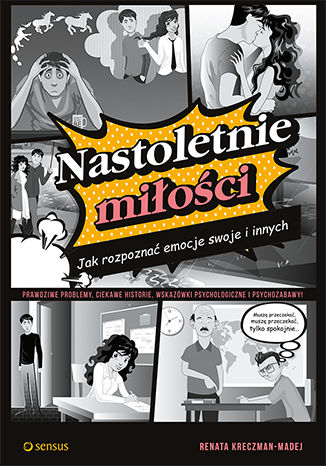
Nastoletnie miłości. Jak rozpoznać emocje swoje i innych
Renata Kreczman - Madej
Prawdziwe problemy, ciekawe historie, wskazówki psychologiczne i psychozabawy! Łatwo zgubić się bez reszty w labiryncie nastoletnich uczuć... Życie nastolatków nie jest łatwe. Można by wręcz powiedzieć, że często przypomina koszmar... ale już o tym wiesz, prawda? Nie dość, że trzeba użerać się ze szkołą, rodzicami i rówieśnikami, to jeszcze tuż za rogiem czyhają chandry, nerwy, sprzeczne emocje i kłopotliwe uczucia. Te ostatnie sprawiają chyba najwięcej problemów. Po czym poznać zakochanie? Jak zorientować się, czy obiekt naszych uczuć je odwzajemnia? Jak pokierować swoim działaniem, by miłość miała szansę dojść do głosu? Kiedy odważyć się na pierwszy pocałunek, a kiedy lepiej zaczekać? Komu warto zwierzyć się ze swoich uczuć i po co nam przyjaźnie? Jeśli chcesz zrozumieć własne emocje i nauczyć się lepiej dostrzegać, co kryje się za zachowaniami innych ludzi, koniecznie przeczytaj tę książkę. To historia piętnastoletniej Lemurki i jej kolegi Alka. Ale uwaga: każde wydarzenie z ich życia zostało tu poddane analizie, ponieważ za każdym stoją jakieś przyczyny, uczucia, wahania. Ich opis znajdziesz we wskazówkach, które mogą przydać Ci się na co dzień w podobnych sytuacjach. Wszystkie rozdziały zaczynają się od pytań, które ludzie zadają sobie od wieków, a kończą zabawnymi psychotestami, które pomogą Ci oszacować Twoje własne podejście do różnych kwestii związanych z uczuciami. Naucz się “czytać” emocje swoje i innych, a Twoje życie stanie się znacznie łatwiejsze... Renata Kreczman-Madej — psycholog, polonistka, autorka poradników dla rodziców, nauczycieli, maturzystów. Dziennikarka dwutygodnika młodzieżowego “Cogito” (stała rubryka “Sztuka życia”), z doświadczeniem z Warszawskiego Ośrodka Telewizyjnego i Polskiej Agencji Prasowej. Redaktorka książek o tematyce edukacyjnej. Od wielu lat pracuje w Zespole Szkół nr 5 im. Unii Europejskiej w Ostrołęce.
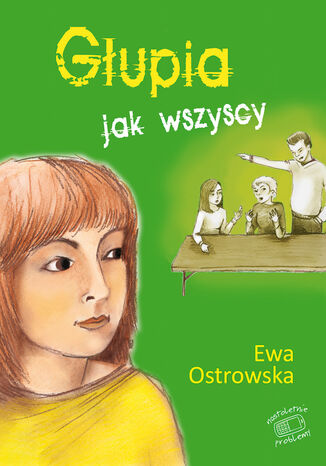
Nastoletnie problemy. Głupia jak wszyscy
Ewa Ostrowska
Bogna, uczennica renomowanego liceum, nie potrafi zaaklimatyzować się w nowym środowisku, wśród rówieśników pochodzących z bogatych i wpływowych rodzin, z którymi dzieli ją wszystko. Wydarzy się jednak coś, co sprawi, że uczniowie będą musieli wspólnie podjąć decyzję wymagającą od nich dużej odwagi i dojrzałości. Czy stawią czoła tej trudnej sytuacji i czy Bogna pokona swoje uprzedzenia? Głupia jak wszyscy to piękna historia o odwadze, odpowiedzialności i potrzebie akceptacji. Zaczekajmy i my. Przekonajmy się, co dalej zaproponował Kuba. A po co, kotku? zaśmiała się nerwowo Jolka. Ciąg dalszy wiadomy. Happy end, aż rzygać się chce. Szkoda, moja naiwna mamo, że tego nie słyszysz.(...) Bogna poczuła żal. Mimo wszystko wolałaby, żeby matka miała rację. Żeby te dziewczyny, którymi teraz głęboko pogardzała, okazały się inne. Lepsze. Uczciwsze.