
Ebooki
Nastrajanie pamięci. Artykulacja doświadczenia w poezji Jerzego Ficowskiego
Maria Kobielska
Jerzy Ficowski (1924-2006), znany między innymi jako tłumacz, schulzolog czy badacz kultury romskiej, był jednak przede wszystkim autorem pierwszorzędnej artystycznie, choć nieco zapoznanej poezji. Nastrajanie pamięci. Artykulacja doświadczenia w poezji Jerzego Ficowskiego jest pierwszą książkową publikacją poświęconą w całości jego twórczości poetyckiej. Kluczem do lektury poezji Ficowskiego jest w niej kontekst filozoficzny, antropologiczny i literaturoznawczy, jaki stanowią przemiany pojmowania doświadczenia w humanistyce, a zwłaszcza kryzys doświadczenia w dobie nowoczesności oraz zwrot doświadczeniowy w literaturoznawstwie. Praca ukazuje centralną rolę ekwiwalentyzacji doświadczenia, zwłaszcza zmysłowego i pamięciowego, w badanej poezji. Obszernej analizie poddany jest w niej unikalny projekt poetycki Ficowskiego – tom Odczytanie popiołów, próba oddania traumatycznego doświadczenia ofiar Zagłady. Umieszczenie go na tle dyskusji o wyrażalności Holokaustu pozwala na omówienie pozycji podmiotu-świadka, który stara się dać wyraz nie tylko własnemu doświadczeniu, ale i, wiedziony etycznym zobowiązaniem stawiania oporu niepamięci, zbliżyć się do przeżycia milczącego Innego. Równocześnie podkreślone zostają swoiste zdobycze poetyckie Ficowskiego, charakterystyczne motywy i metafory wyrażające i reaktywujące pamięć, przede wszystkim figury pisma i śladu. W ostatniej części pracy omówione są dwa ostatnie tomy Ficowskiego – wyjątkowe świadectwo intensyfikacji aktywności twórczej w ostatnim okresie życia poety, przetwarzające charakterystyczne dla późnej poezji motywy starości i pożegnania.
Louisa May Alcott
Opowieść o emocjach, wyborach i ich konsekwencjach, badająca głębię kobiecej duszy. Sylvia Yule zmaga się z uczuciami do dwóch mężczyzn - Adama Warwicka i Geoffreya Moora, reprezentujących odmienne podejścia do życia i miłości. Warwick jest dziki, namiętny i impulsywny, natomiast Moor to uosobienie rozwagi, stabilności i czułości. Sylvia, pod presją swojego kapryśnego nastroju i emocjonalnych burz, podejmuje decyzje, które naznaczą jej życie na zawsze.
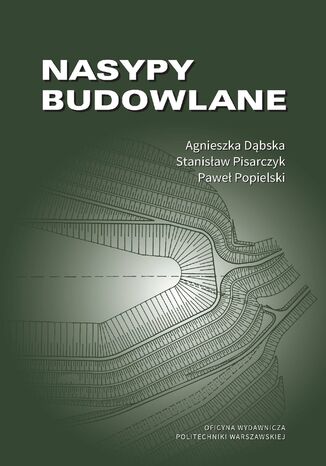
Agnieszka Dąbska, Stanisław Pisarczyk, Paweł Popielski
Nasypy budowlane są jednymi z najczęściej wykonywanych i spotykanych obiektów budowlanych w inżynierii lądowej i wodnej. Podręcznik jest kompleksowym opracowaniem zagadnień dotyczących projektowania, budowy i kontroli nasypów wykonanych z gruntów naturalnych i antropogenicznych. Treść podręcznika podzielono na trzynaście rozdziałów. We wstępie omówiono ogólną problematykę budowy nasypów ziemnych. W rozdziale drugim przedstwiono podstawową charakterystykę nasypów budowlanych. Rozdział trzeci omawia grunty budowlane oraz ich klasyfi kację według norm PN-EN ISO 14688-1:2018, PN-EN ISO 14688-2:2018 oraz PN-B-02480:1986. Rozdział czwarty poświęcono zagadnieniu zagęszczalności gruntów, zarówno naturalnych, jak i antropogenicznych. W piątym rozdziale zawarto opis przydatności gruntów do wykonywania nasypów budowli komunikacyjnych, a w rozdziale szóstym – do budowy nasypów hydrotechnicznych. Metody wykonywania nasypów ogólnobudowlanych omówiono w rozdziale siódmym. Ósmy rozdział poświęcono opisowi metod wzmacniania i uszczelniania korpusów nasypów. W rozdziale dziewiątym przedstawiono charakterystykę geotechniczną słabego podłoża i omówiono metody posadawiania nasypów na podłożu słabonośnym, a w rozdziale dziesiątym umocnienia biologiczne i techniczne skarp nasypów stosowane w praktyce. Rozdział jedenasty poświęcony jest kontroli jakości zagęszczenia gruntu w nasypach budowlanych. W rozdziale dwunastym przedstawiono wymagania dotyczące zakresu rozpoznania podłoża na potrzeby realizacji nasypów, a w rozdziale trzynastym metody obliczeniowe oceny stateczności skarp nasypów. Podręcznik „Nasypy budowlane” jest skierowany do studentów i absolwentów wydziałów budownictwa lądowego i wodnego oraz inżynierii środowiska uczelni wyższych oraz do inżynierów praktyków.
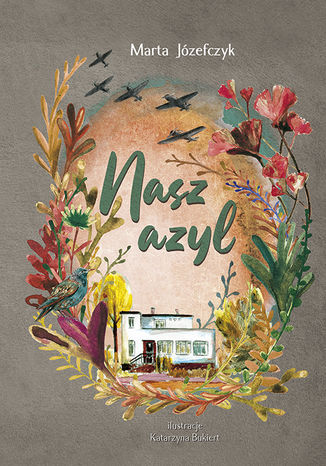
Marta Józefczyk
Inspirowana książką Antoniny Żabińskiej „Zwierzęta i ludzie” opowieść o niezwykłej działalności Antoniny i Jana Żabińskich, którzy podczas II wojny światowej nieśli pomoc ukrywającym się Żydom, dając im schronienie w swojej willi i w opustoszałych pomieszczeniach warszawskiego zoo. W tę konspiracyjną działalność na równi z rodzicami zaangażowany był kilkuletni Ryś, który zanosił ukrywającym się ludziom jedzenie i niejednokrotnie musiał wykazać się pomysłowością oraz odwagą. Niebagatelną rolę w tej historii odgrywały też zwierzęta, które zawsze były w willi Żabińskich domownikami i najlepszymi przyjaciółmi Rysia. Napisana prostym językiem, pełna ciepłego humoru i wzruszająca książka o trudnych czasach i pięknych ludziach. Dla dzieci 5-12 lat
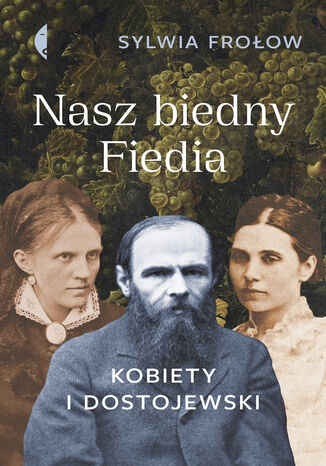
Nasz biedny Fiedia. Kobiety i Dostojewski
Sylwia Frołow
Powieści Dostojewskiego to historie męskich tragedii, dla których kobiety stanowią jedynie tło. W jego życiu było odwrotnie to one stały na pierwszym planie, to bez nich nie potrafił istnieć ani tworzyć. A więc ukochana matka, znosząca humory zazdrosnego męża; pierwsza żona Maria, cierpiąca na gruźlicę i skrajne stany emocjonalne; Polina, uwieczniona w Graczu kontrowersyjna kochanka; no i Ania, druga żona, oddana towarzyszka godząca się na wszelkie upokorzenia i nałóg hazardowy wybitnego męża. To te najważniejsze. Ale kobiet w życiu Dostojewskiego było więcej. I niemal każda dała cząstkę siebie którejś z jego bohaterek. Geniusz i znawca duszy ludzkiej od kobiet oczekiwał poświęcenia i współczucia, w zamian oferując emocjonalne piekło. Anna Korwin-Krukowska, której pisarz się oświadczył, szybko to zrozumiała: Jego żona powinna zupełnie, całkowicie poświęcić się jemu, oddać mu całe swoje życie, myśleć tylko o nim. A ja tak nie mogę, ja sama chcę żyć!. Nasz biedny Fiedia to gorzka i pasjonująca opowieść o kobietach w życiu geniusza i klucz do nowego odczytania jego twórczości. To także opowieść o pierwszych rosyjskich emancypantkach, które należały do bliskiego kręgu przyjaciół Dostojewskiego.

Nasz bieg z przeszkodami. O wrażliwości i inności
Ewa Woydyłło
Nowy poradnik autorki bestsellerowej Drogi do siebie Ceniona psycholożka Ewa Woydyłło wyjaśnia, jak zrozumieć i otworzyć się na różnorodność i rozbudzić w sobie większą wrażliwość, zarówno wobec innych, jaki i przede wszystkim wobec siebie. Czym są i jak funkcjonują uprzedzenia? Odmienność, której nie pojmujemy, może działać na dwa sposoby: zaciekawiać, a przez to pociągać i zbliżać; przerażać, więc oddalać i prowokować do wykluczenia lub nawet do zniszczenia. Wielu postrzega świat przez pryzmat podziału normalni - nienormalni, który nie odzwierciedla współczesnej wiedzy o człowieku, lecz kultywuje dawną niewiedzę i przesądy. Stereotypy te prowadzą do poważnych nadużyć wobec wielu osób. Ewa Woydyłło tłumaczy, jak wyzwolić się od niezrozumienia, pogardy i strachu przed bardziej wrażliwymi i innymi. Czytając Nasz bieg z przeszkodami, dowiesz się więcej o neuroróżnorodności. Zrozumiesz, dlaczego nie wszyscy reagują tak samo i jak funkcjonują osoby z rozmaitymi rodzajami nadwrażliwości. Nauczysz się szukać podobieństw, a nie różnic między ludźmi i uświadomisz sobie szkodliwość porównywania się z innymi. Nawykowa nieufność nie minie sama i nie zmieni się przypadkiem w zrozumienie, szacunek i życzliwość wobec mniejszości. Rozpowszechniona u nas, a przede wszystkim odgórnie rozpowszechniana w ostatnich latach podejrzliwość, pogarda i wrogość wobec wyglądających inaczej, wierzących inaczej i żyjących inaczej przybrała już rozmiary epidemicznej choroby społecznej, przypominającej hybrydową wojnę domową. Jesteś trochę inny więc jesteś wrogiem. Wierzę, że ratunek na tę naszą chorobę znajduje się w filozofii praw człowieka, którą trzeba rozumieć jako narzędzie samoograniczenia Ewa Woydyłło

Andrzej Dobrowolski (RED.)
Nasz Dante jest zbiorem oficjalnych wypowiedzi papieży na temat Dantego i pokazaniem drogi odzyskiwania Dantego dla Kościoła - od autora, którego nazwisko znajdowało się na indeksie ksiąg zakazanych, do autora cytowanego w dokumentach papieskich (m.in. Franciszka).
Maria Konopnicka
Maria Konopnicka Nasz domek Naznosimy piasku, nazwozim kamieni, Zbudujemy domek z drzwiczkami do sieni, Zbudujemy domek z jasnemi oknami, Żeby złote słonko świeciło nad nami. A nad naszym domkiem będzie dach słomiany, Z pięknych żytnich snopków równo poszywany, A na dachu będzie gniazdo dla bociana, Żeby nam klekotał od samego rana. A w tym naszym domku będą białe ściany, A na nich obrazek ślicznie malowany: Je... Maria Konopnicka Ur. 23 maja 1842 r. w Suwałkach Zm. 8 października 1910 r. we Lwowie Najważniejsze dzieła: O Janku Wędrowniczku, O krasnoludkach i sierotce Marysi, Nasza szkapa, Miłosierdzie gminy, Rota, Dym, Mendel Gdański Poetka, publicystka, nowelistka, tłumaczka. Zajmowała się krytyką literacką. Pisała liryki stylizowane na ludowe i realistyczne obrazki (W piwnicznej izbie). Wydawała cykle nowel (Moi znajomi, Nowele, Na drodze). W otoczeniu ośmiorga swoich dzieci tworzyła bajki (Na jagody). Jako poetka, inspiracji szukała w naturze (Zimowy poranek). Swoje wiersze publikowała głównie w prasie. Wiersz patriotyczny Rota konkurował z Mazurkiem Dąbrowskiego o miano hymnu Polski. Wiele jej utworów powstało podczas podróży po Europie (Italia). Ostatnie lata życia poświęciła poematowi Pan Balcer w Brazylii. autor: Bartłomiej Chwil Kupując książkę wspierasz fundację Nowoczesna Polska, która propaguje ideę wolnej kultury. Wolne Lektury to biblioteka internetowa, rozwijana pod patronatem Ministerstwa Edukacji Narodowej. W jej zbiorach znajduje się kilka tysięcy utworów, w tym wiele lektur szkolnych zalecanych do użytku przez MEN, które trafiły już do domeny publicznej. Wszystkie dzieła są odpowiednio opracowane - opatrzone przypisami oraz motywami.

Maria Konopnicka
Maria Konopnicka Nasz domek kochany O jakże jak kocham Ten nasz domek drogi, Te bieluchne ściany, Te lipowe progi! O jakże ja kocham I ten dach pochyły, Co się na nim wiosną Bociany gnieździły! Ten nasz domek stary Nie od dzisiaj stoi, A przecież się burzy Ni wichrów nie boi! Ten nasz domek stary Słyszałem od taty, Dziad naszego dziada Budował przed laty. Dębowe przyciosy, Modrzewiowe ściany, A dach rozłożysty Słomą poszywany. Świeci nasza strzecha Jakby s... Maria Konopnicka Ur. 23 maja 1842 r. w Suwałkach Zm. 8 października 1910 r. we Lwowie Najważniejsze dzieła: O Janku Wędrowniczku, O krasnoludkach i sierotce Marysi, Nasza szkapa, Miłosierdzie gminy, Rota, Dym, Mendel Gdański Poetka, publicystka, nowelistka, tłumaczka. Zajmowała się krytyką literacką. Pisała liryki stylizowane na ludowe i realistyczne obrazki (W piwnicznej izbie). Wydawała cykle nowel (Moi znajomi, Nowele, Na drodze). W otoczeniu ośmiorga swoich dzieci tworzyła bajki (Na jagody). Jako poetka, inspiracji szukała w naturze (Zimowy poranek). Swoje wiersze publikowała głównie w prasie. Wiersz patriotyczny Rota konkurował z Mazurkiem Dąbrowskiego o miano hymnu Polski. Wiele jej utworów powstało podczas podróży po Europie (Italia). Ostatnie lata życia poświęciła poematowi Pan Balcer w Brazylii. autor: Bartłomiej Chwil Kupując książkę wspierasz fundację Nowoczesna Polska, która propaguje ideę wolnej kultury. Wolne Lektury to biblioteka internetowa, rozwijana pod patronatem Ministerstwa Edukacji Narodowej. W jej zbiorach znajduje się kilka tysięcy utworów, w tym wiele lektur szkolnych zalecanych do użytku przez MEN, które trafiły już do domeny publicznej. Wszystkie dzieła są odpowiednio opracowane - opatrzone przypisami oraz motywami.
Witold Gombrowicz
Nasz dramat erotyczny to teksty napisane przez Gombrowicza po hiszpańsku w latach pięćdziesiątych XX wieku, znalezione przez Ritę Gombrowicz, które miały pomóc autorowi przetrwać w Argentynie. Gombrowicz, ukryty pod pseudonimem Jorge Alejandro, rozpatruje kwestie erotyczne Argentyńczyków z punktu widzenia Europejczyka. Co chciał powiedzieć nam o szczerości i pozorach, o wielkiej miłości i masce erotyzmu, niewoli urody i ucieczce przed życiem, o duchu męskości i kobiecości, czy wreszcie o latynoamerykańskim temperamencie? Jak odbieramy te teksty po latach? Okazuje się, że obserwacje Gombrowicza nie straciły wiele na aktualności i wręcz nie sposób oprzeć się urokowi jego celnych, nieraz złośliwych spostrzeżeń i ocen, wyrażanych w sposób żartobliwy, ale też w tonacji serio.
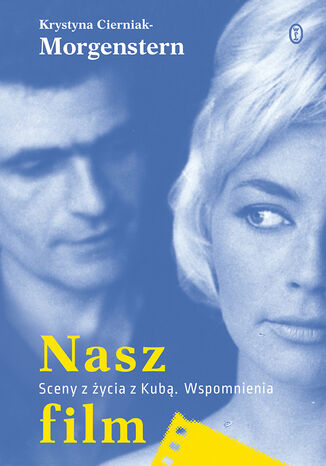
Nasz film. Sceny z życia z Kubą. Wspomnienia
Krystyna Cierniak-Morgenstern
Wielka miłość, artystyczny świat i portret wybitnego reżysera Opowieść żony Janusza Kuby Morgensterna Och, jak bym chciała wrócić do tamtych lat. Wiele bym dała, żeby tylko móc przeżyć to wszystko od początku (fragment książki) Zaczęło się jak w kinie. Ona studentka Akademii Sztuk Pięknych; On początkujący filmowiec. Janusz Kuba Morgenstern po raz pierwszy zobaczył ją przez okno tramwaju. Krystyna dostrzegła go nieco później, gdy jako asystent reżysera, w poszukiwaniu pięknej nieznajomej, trafił do ASP. Scena niemalże jak w Romeo i Julii Ona stoi na schodach, On (oniemiały) obserwuje ją z dołu; powoli zbliżają się do siebie. Ale to nie PRL-owska wersja dramatu wszech czasów: zamiast tragedii przeszło pięćdziesiąt lat wspólnego, pasjonującego życia. Zwykle Krystyna Cierniak-Morgenstern stała na drugim planie. Dla męża zrezygnowała z kariery tkania artystycznych gobelinów i aktorskich epizodów w międzynarodowych produkcjach filmowych. Była obok niego gdy debiutował filmem Do widzenia, do jutra, razem z nim dzieliła radość z sukcesów Stawki większej niż życie, Polskich dróg, Jowity, Żółtego szalika czy Mniejszego zła. To jej podziękował, gdy odbierał Platynowe Lwy za całokształt twórczości. Nasz film. Sceny z życia z Kubą to piękna opowieść o przemijaniu, miłości i życiowej pasji, w której głos zabiera również sam Morgenstern. Pełen anegdot i fotografii barwny portret artystycznego środowiska oraz kulturalnego pokolenia mistrzów, ze Zbigniewem Cybulskim, Romanem Polańskim, Tadeuszem Konwickim, Gustawem Holoubkiem i Stanisławem Dygatem na czele. Jednak nade wszystko to intymna opowieść muzy o jej artyście. Kiedyś, jak już był chory, bardzo słaby, powiedział, że strasznie się martwi o mnie, jak go nie będzie. Dlatego musisz być zawsze odpowiedziałam mu wtedy. Bo jak nie będzie ciebie, to kto się będzie mną opiekował?!. A on na to: Ja. I mam wrażenie, że rzeczywiście tak jest. Że on się mną opiekuje. (fragment książki)
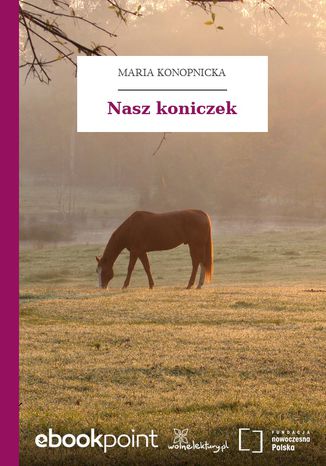
Maria Konopnicka
Maria Konopnicka Nasz koniczek Nasz koniczek, nasz bułany, Ślicznie zgrzebłem wyczesany, Tylko na nim siartka świeci, Tylko parska, rży do dzieci. Nasz koniczek nie płochliwy, Da pogłaskać lśniącej grzywy. Tylko nóżką przestępuje, Gdy go trawką Jaś częstuje. Nasz koniczek dobre zwierzę, Leciuteńko trawkę bierze, Myśli sobie: ot, dziecina Wczas już karmić mnie zaczyna. Jak urośniesz, mi... Maria Konopnicka Ur. 23 maja 1842 r. w Suwałkach Zm. 8 października 1910 r. we Lwowie Najważniejsze dzieła: O Janku Wędrowniczku, O krasnoludkach i sierotce Marysi, Nasza szkapa, Miłosierdzie gminy, Rota, Dym, Mendel Gdański Poetka, publicystka, nowelistka, tłumaczka. Zajmowała się krytyką literacką. Pisała liryki stylizowane na ludowe i realistyczne obrazki (W piwnicznej izbie). Wydawała cykle nowel (Moi znajomi, Nowele, Na drodze). W otoczeniu ośmiorga swoich dzieci tworzyła bajki (Na jagody). Jako poetka, inspiracji szukała w naturze (Zimowy poranek). Swoje wiersze publikowała głównie w prasie. Wiersz patriotyczny Rota konkurował z Mazurkiem Dąbrowskiego o miano hymnu Polski. Wiele jej utworów powstało podczas podróży po Europie (Italia). Ostatnie lata życia poświęciła poematowi Pan Balcer w Brazylii. autor: Bartłomiej Chwil Kupując książkę wspierasz fundację Nowoczesna Polska, która propaguje ideę wolnej kultury. Wolne Lektury to biblioteka internetowa, rozwijana pod patronatem Ministerstwa Edukacji Narodowej. W jej zbiorach znajduje się kilka tysięcy utworów, w tym wiele lektur szkolnych zalecanych do użytku przez MEN, które trafiły już do domeny publicznej. Wszystkie dzieła są odpowiednio opracowane - opatrzone przypisami oraz motywami.
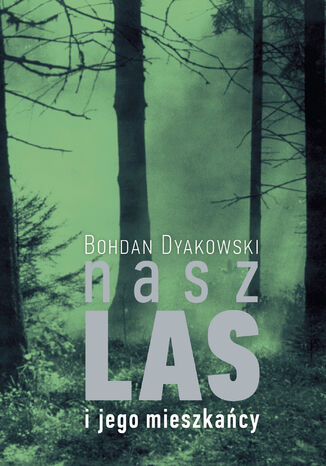
Bohdan Dyakowski
Trudno uwierzyć, że pierwsze wydanie tej unikatowej książki ukazało się w końcu XIX wieku. Potem było siedem kolejnych i wszystkie cieszyły się gigantycznym powodzeniem wśród czytelników. Autor książki przyrodnik, pedagog, literat, propagator idei ochrony przyrody pisze bowiem o lesie w sposób, w jaki nie pisał nikt przed nim ani po nim. Las widziany jego oczami to autentyczna kraina cudów. Każdy będący jego częścią żywy organizm to osobna historia do opowiedzenia, poczynając od wilków czy niedźwiedzi, poprzez strzyżyka i mysikrólika, na najmniejszych owadach i roślinach kończąc. W Naszym lesie żyją przytulają się, uciekają przed niszczycielami, cieszą się i skarżą się sobie (i autorowi) nie tylko zwierzęta. Również rośliny, które rozmawiają ze sobą. Z każdego zdania, oprócz niebywałej wręcz wiedzy, przebija wielka miłość do lasu. Lęk przed jego zniszczeniem i wskazówki, co czynić, by go ocalić i zachować. Poznajmy jego tajemnice. W historii nauki polskiej Bohdan Dyakowski był z pewnością najwybitniejszym popularyzatorem wiedzy o przyrodzie. Rola, jaką odegrał w budowaniu świadomości przyrodniczej kilku pokoleń Polaków, jest nie do przecenienia. Był człowiekiem o niezwykle szerokich horyzontach umysłowych i o świadomości ekologicznej, którą dziś określilibyśmy jako nowoczesną.
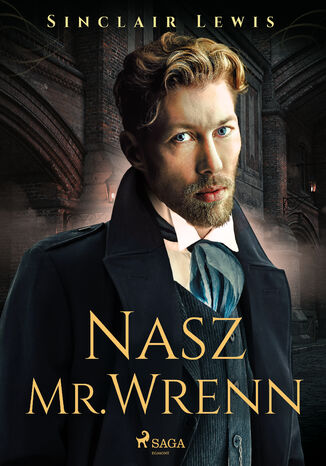
Sinclair Lewis
Pan Wrenn to obiecujący pracownik innowacyjnej firmy. Gdy dostaje spadek po ojcu, rezygnuje z dalszego pięcia się po szczeblach kariery biznesowej i wyrusza w podróż. Książka zawiera nowatorskie jak na swoje czasy krytyczne spojrzenie na rozkwitający amerykański kapitalizm. Rzetelne odmalowanie realiów oraz mocne uwikłanie bohaterów w problemy społeczno-ekonomiczne sprawiły, że w recenzjach książki pojawiło się porównanie autora do Charlesa Dickensa.
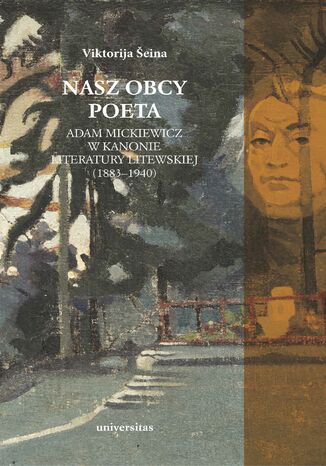
Nasz obcy poeta. Adam Mickiewicz w kanonie literatury litewskiej (1883-1940)
Viktorija Šeina
Książka jest całościowym opracowaniem tematu litewskiego sporu o Mickiewicza z końca XIX stulecia i pierwszej połowy XX wieku, który wynikał z faktu, iż Litwini przygotowujący swoje pierwsze historie literatury stanęli przed problemem oceny twórczości pisarzy polskojęzycznych pochodzących z historycznych ziem Wielkiego Księstwa Litewskiego. Część społeczeństwa zaliczała Mickiewicza w poczet twórców swojej literatury narodowej, nawet przyznając poecie centralne miejsce w jej kanonie, inni zaś byli temu przeciwni. Analizowany spór uwypukla napięcie pomiędzy różnymi formami świadomości kulturowej w narodzie litewskim w okresie transformacji. W monografii uwzględniono szereg kontrowersyjnych aspektów recepcji Mickiewicza na Litwie, takich jak adaptacja nazwiska poety, legenda o jego litewskim pochodzeniu etnicznym, ideologiczny wybór dzieł do tłumaczeń oraz ich "odpolszczenie". Swój obcy poeta. Adam Mickiewicz w kanonie literatury litewskiej (1883-1940) ma dużą wartość poznawczą zarówno na litewskim, jak i na polskim gruncie literaturoznawczym. W bogatej tradycji badań nad recepcją Mickiewicza można wręcz mówić o zapełnieniu istotnej luki. Książka stanowi cenne źródło wiedzy o funkcjonowaniu poety w świadomości Litwinów w szczególnie dynamicznym okresie historii Litwy i momencie wielopoziomowego problematyzowania stosunków litewsko-polskich. Ze względu na swój przekrojowy charakter może być z powodzeniem stosowana także w dydaktyce akademickiej. Dr Tomasz Jędrzejewski Dr Viktorija Seina jest starszym pracownikiem naukowym w Instytucie Literatury Litewskiej i Folkloru w Wilnie. Opracowała samodzielnie, a także ze współautorami kilka monografii naukowych na temat literatury litewskiej pierwszej połowy XX wieku. Swój obcy poeta. Adam Mickiewicz w kanonie literatury litewskiej (1883-1940) to jej pierwsza książka przetłumaczona na język polski. Za wydanie litewskie w 2021 roku autorka otrzymała Nagrodę im. Algisa Kalėdy, przyznawaną corocznie za znaczące badania nad dziedzictwem literackim Litwy, litewsko-polskimi związkami literackimi i interakcjami obu kultur.
Marta Podgórnik
Marta Podgórnik Próby negocjacji nasz ostatni raz kiepskie przyjęcie. goście są jak duchy. tylko w telewizorze nadzieja. błąd w poniedziałkowej sztuce, na szczęście nie do wychwycenia dla laików, jakimi jesteśmy. żółta skorupka schnie na wymiętym białym prześcieradle. wyszedłeś nie wytrzymałeś tempa. sz... Marta Podgórnik ur. 1979 Najważniejsze dzieła: Próby negocjacji (1996), Rezydencja surykatek (2011), Zawsze (2015) Poetka, krytyczka literacka, redaktorka związana z wydawnictwem Biuro Literackie. W Tekstyliach, czyli książce omawiającej na bieżąco młodą literaturę w 2002 roku, jej styl nazwano lirycznym ekshibicjonizmem. Dalsze tomiki udowodniły, że to tylko część prawdy. W swoich wierszach Podgórnik łączy wyrafinowanie formalne, grę z popkulturą i tradycyjnie pojęte wyrażanie siebie (to jest pisanie o własnych dramatach uczuciowych). Podobna mieszanka jest jednak niemożliwa do zrealizowania, jako że stylizacje i biegłość techniczna zakładają dystans z definicji uniemożliwiający mówienie wprost. Wobec tego poezji Marty Podgórnik nie opuszcza napięcie między lirycznym wyznaniem a jego ironicznym pastiszem. Kupując książkę wspierasz fundację Nowoczesna Polska, która propaguje ideę wolnej kultury. Wolne Lektury to biblioteka internetowa, rozwijana pod patronatem Ministerstwa Edukacji Narodowej. W jej zbiorach znajduje się kilka tysięcy utworów, w tym wiele lektur szkolnych zalecanych do użytku przez MEN, które trafiły już do domeny publicznej. Wszystkie dzieła są odpowiednio opracowane - opatrzone przypisami oraz motywami.