
Ebooki
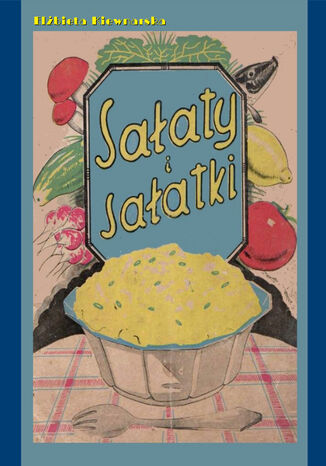
Elżbieta Kiewnarska
Poradnik kulinarny Sałaty i sałatki autorstwa Elżbiety Kiewnarskiej (publikującej w międzywojennej Polsce pod pseudonimem Pani Elżbieta) to jedna z wielu niezwykle wartościowych książek kucharskich. Poradnik ten zawiera 80 przepisów na smaczne i łatwe do wykonania potrawy z mięsa. Są to m.in.: sałaty zielone z sałaty, endywii, rzeżuchy, roszponki, ogórków i innych, sosy do sałat, sałaty kartoflane, sałaty z grzybami, pomidorami, jajami, rybami, kapustą, orzechami, sałaty jarzynowe, sałaty z ryb, sałaty z mięs, sałaty z owoców, sałaty słodkie i wiele innych.

Józef Czechowicz
sam u dna ostrego krzyku nic się nie jawi brudna skrwawiona stopa na chodniku płot afisz drzewa szeregami bojowo chcą śpiewać ramionami nad głową ziemia w kamieniach płowych nie może się uśmiechać a gdzieś chociaż nici pajęcze na strzechach ptaki lecą pod zorzę świtem wiatrak ręce ogromne rozłożył nad żytem chociaż rola wędruje bruzdami wzdłuż od horyzontu do horyzontu od zórz do zórz nie ma spokoju pokoju mój z zegarem przyjacielu z zacisznym objęciem ścian ty nawet wietrze stary na ulicach mnie zdradzasz gdziem sam ach nie noc jedwabi żałobnych nie burza nad pustki żywiołem nie sen słowami czerwonymi strunami czerwonymi za rozpalonym czołem ciemny tors mostu nad ciszą wszędzie czerwienie kołem płomienie wisząc w mętnym strumieniu sekund grożą powodzią wieków straszniej niż noc straszniej niż burza niż sen [...]Józef CzechowiczUr. 15 marca 1903 r. w Lublinie Zm. 9 września 1939 r. w Lublinie Najważniejsze dzieła: ballada z tamtej strony, żal, nic więcej, nuta człowiecza, tomy wierszy: Kamień (1927), Dzień jak co dzień (1930), Ballada z tamtej strony (1932), W błyskawicy (1934), Nic więcej (1936), Nuta człowiecza (1939). Polski poeta dwudziestolecia międzywojennego, w latach trzydziestych związany z grupą literacką Kwadryga, przedstawiciel tzw. drugiej Awangardy, której twórczość cechował katastrofizm. Jako ochotnik jeszcze przed zdaniem matury wziął udział w wojnie polsko-bolszewickiej 1920 r. Z wykształcenia, zamiłowania i zawodu nauczyciel (ukończył też studia w zakresie pedagogiki specjalnej). Redaktor m. in. czasopism dla dzieci "Płomyk" i "Płomyczek". Współpracował z wieloma pismami: "Reflektorem" (tu debiutował jako poeta w 1923 r.), Zet, Głosem Nauczycielskim, Pionem i Kameną, w Polskim Radiu pracował w dziale literackim, pisał słuchowiska radiowe. Zginął tuż po wybuchu II wojny światowej, podczas bombardowania. Charakterystyczną cechą wierszy Czechowicza jest niestosowanie wielkich liter i znaków interpunkcyjnych, co decyduje o poetyckiej wieloznaczności tekstów. Kupując książkę wspierasz fundację Nowoczesna Polska, która propaguje ideę wolnej kultury. Wolne Lektury to biblioteka internetowa, rozwijana pod patronatem Ministerstwa Edukacji Narodowej. W jej zbiorach znajduje się kilka tysięcy utworów, w tym wiele lektur szkolnych zalecanych do użytku przez MEN, które trafiły już do domeny publicznej. Wszystkie dzieła są odpowiednio opracowane - opatrzone przypisami oraz motywami.

Janusz Korczak
Janusz Korczak Sam na sam z Bogiem Modlitwy tych, którzy się nie modlą ISBN 978-83-288-2385-3 Duszy szeptane tajemnice, które sobie powierzasz, spiąłem klamrą modlitwy. Wiem, że każdy twór musi z sobą poprzez Boga i z Bogiem przez siebie życiem świat ogromny splatać. Wiem. Pewien jestem tak mi, Boże, dopomóż. Modlitwa matki Pochylona nad tobą, dziecię lube, czemuś mi tak droga, drobino? Wiem, podobne do wielu, a wierzę wierzę wierzę, że nie widząc wśró... Janusz Korczak Ur. 22 lipca 1878 (1879) w Warszawie Zm. 7 sierpnia 1942 w Treblince Najważniejsze dzieła: Król Maciuś Pierwszy (1923), Bankructwo Małego Dżeka (1924), Kajtuś czarodziej (1934), Kiedy znów będę mały (1925), Senat szaleńców (1931), Jak kochać dziecko (1920), Prawo dziecka do szacunku (1929) Właśc. Henryk Goldszmit. Z wykształcenia i zawodu lekarz, zasłynął jako pedagog i psycholog dziecięcy, twórca niezwykle nowatorskiego systemu wychowawczego, opartego na zasadach demokracji, szczerości, szacunku oraz wszechstronnej aktywizacji społecznej dzieci (np. jego podopieczni redagowali samodzielnie czasopismo ,,Mały Przegląd"). Współtwórca i kierownik żydowskiego Domu Sierot w Warszawie (1912-1942) oraz sierocińca dla dzieci polskich Nasz Dom (1919-1936) mieszczącego się na Bielanach w Warszawie. Wykładowca Instytutu Pedagogiki Specjalnej oraz Wolnej Wszechnicy Polskiej. Zajmował się publicystyką, współpracując m.in. z czasopismami ,,W słońcu" i ,,Szkoła Specjalna" oraz Polskim Radiem, w którym wygłaszał popularne pogadanki radiowe opublikowane następnie pt. Pedagogika żartobliwa. W 1942 w getcie warszawskim, pełniąc nieprzerwanie funkcję pediatry i opiekuna sierot, pisał Pamiętnik (wyd. po wojnie w Wyborze pism). Zginął w hitlerowskim obozie zagłady w Treblince wraz z wychowankami swojego zakładu. Kupując książkę wspierasz fundację Nowoczesna Polska, która propaguje ideę wolnej kultury. Wolne Lektury to biblioteka internetowa, rozwijana pod patronatem Ministerstwa Edukacji Narodowej. W jej zbiorach znajduje się kilka tysięcy utworów, w tym wiele lektur szkolnych zalecanych do użytku przez MEN, które trafiły już do domeny publicznej. Wszystkie dzieła są odpowiednio opracowane - opatrzone przypisami oraz motywami.
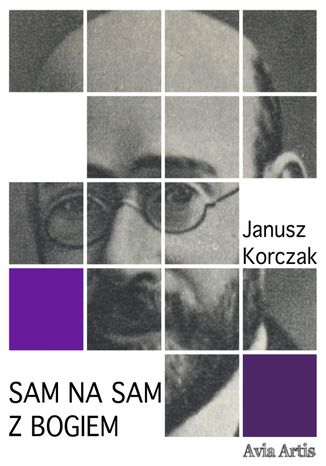
Janusz Korczak
“Sam na sam z Bogiem” to utwór Janusza Korczaka, polsko-żydowskiego lekarza, pedagoga, pisarza i publicysty, który był prekursorem działań na rzecz praw dziecka. Podtytuł tej książki to “MODLITWY TYCH, KTÓRZY SIĘ NIE MODLĄ”. Znajdują się tu wspaniałe modlitwy Janusza Korczaka, które są pełne prostoty, mądrości i wzruszenia. Korczak, który oddał swe życie z miłości do dzieci, jest pełen wyrozumiałości dla każdego człowieka.

Norman Davies
Kiedy się urodził, mama karmiła go za pomocą wiecznego pióra z pompką. Nie wierzono, że przeżyje. Uwielbiał podróże i świeże powietrze. Po studiach na Oksfordzie chciał zostać przewodnikiem górskim. Sport miał we krwi. Nie znosił wylegiwania się na plaży, za to uwielbiał samodzielnie prać koszule w wannie i prasować je, stojąc na balkonie z widokiem na Pacyfik. Wybitny historyk, autor przełomowego "Powstania 44", jeden z najlepszych znawców Europy Wschodniej, wnikliwy obserwator rzeczywistości, po raz pierwszy opowiada tak osobistą historię: o rodzinie, dorastaniu w Bolton, karierze nauczyciela, związkach z Francją i Polską, samochodach, futbolu, trudnych decyzjach, odważnych celach. Wszystko w charakterystycznym, erudycyjnym Daviesowym stylu pełnym anegdot i z szerokim tłem historycznym, a także z ostrym realizmem bez grama idealizacji, za to ze szczyptą angielskiego humoru.
"Sam sobie sterem". O twórczości Stefana Kisielewskiego
Monika Wiszniowska
Prezentowana monografia dotyczy całokształtu twórczości Stefana Kisielewskiego. Był on postacią wszechstronną, iście renesansową. Tworzył powieści, teksty publicystyczne o tematyce społecznej i kulturalnej, artykuły krytyczne dotyczące zarówno muzyki, jak i literatury, a nade wszystko felietony. Trudno oddzielić Kisielewskiego jako osobę prywatną od fenomenu Kisiela - instytucji, Kisiela - literata, publicysty, kompozytora, polityka. Była to jedna z niewielu znanych osób, w których wszystkie płaszczyzny życia tak mocno i trwale zostały ze sobą splecione. W książce dokonałam omówienia biografii oraz najważniejszych pól wypowiedzi autora Sprzysiężenia, by pokazać go jako opisywacza świata, człowieka o niebywałym słuchu społeczno-polityczno-ekonomicznym, którego podstawowym celem stało się oddanie charakteru funkcjonowania systemu, w jakim przyszło mu żyć. Główną ideą zawartą w monografii jest analiza dorobku felietonisty, pisarza i człowieka całe życie broniącego podstawowych wartości zachodniej cywilizacji, które bez żadnych dwuznaczności były wyznacznikami normalnego, godnego życia, ponadto przedstawienie uniwersalnej i ponadczasowej wymowy wielu jego diagnoz i spostrzeżeń dotyczących kwestii moralnych czy społecznych.
Sam Steeles Adventures in Panama
L. Frank Baum
Sam Steele is now captain of a ship an old and battered craft, but his own command. He is sailing it around South America to California. A storm forces Sams ship to the Panamanian coast. There, the travelers encounter the Techla Indians, descendants of the Aztecs. The Techlas are hostile to outsiders; Sam and his crew are tempted by the Indians abundant gold and gems. Traveling ashore in Moits amphibious auto, the Americans attempt to manipulate the Techla, without success. Sam Steeles Adventures in Panama is a boys adventure novel written by L. Frank Baum, and published in 1907 under the pseudonym Capt. Hugh Fitzgerald. The book was a sequel to the first Sam Steele novel, Sam Steeles Adventures on Land and Sea. The book was reprinted two years later, in 1908, with the alternative title The Boy Fortune Hunters in Alaska.
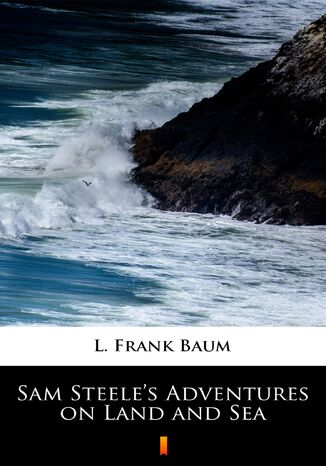
Sam Steeles Adventures on Land and Sea
L. Frank Baum
L. Frank Baum, the author of the famous Oz books, wrote a number of series for children (and occasionally, books for older readers) under a variety of pseudonyms. Among those you can find many examples of adventure fiction, including this, the inaugural title of the Sam Steele series. Sam Steele is the son of a sea captain; his father is reported killed in a shipwreck, and Sam is quickly cheated of his inheritance. Now an orphan, he meets his maternal uncle, Naboth Perkins, another sea captain and ship-owner; together the two set sail in the Pacific trade. At home again, Sam and Naboth discover that Sams father Captain Steele has survived shipwreck, with the loss of a leg. Re-united with his father, Sam regains his lost patrimony. Unusually for Baum, the tale of Sam Steeles Adventures on Land and Sea is told in the first person, by the title character.

Sama tego chciałaś opowiadanie erotyczne
Marlena Rytel
Alicja i Paweł są małżeństwem z kilkuletnim stażem, mieszkającym na dalekiej prowincji. Z pozoru uchodzą za udaną parę, jednak coraz częściej do ich związku wkrada się rutyna. Wszystko zmienia się, gdy Paweł na kilka dni wyjeżdża do stolicy, a Alicja zmuszona jest zostać sama... i stawić czoło zuchwałemu włamywaczowi, który czai się nie tylko na jej dobytek.

Sama tego chciałaś: 11 pomysłów na roleplay z partnerem
Catrina Curant, Marlena Rytel, Annah Viki M.,...
"Zaprowadziłem ją do piwnicy i tam przypiąłem do jednej z rur, która biegła wzdłuż ściany. Rozerwałem jej majtki już do końca, a potem mimo nieporadnych protestów wsadziłem je jej do ust. Wiedziałem, że nie krzyczałaby, jednak miałem ochotę napawać się nie tylko tym widokiem, ale i świadomością, że czuje w ustach słodycz swoich soków. A potem bez słowa wyszedłem. Ciekaw byłem, co miała teraz w głowie. Poza podnieceniem, bo to malowało się na jej twarzy, mimo że usilnie starała się je ukrywać. Czy bała się, że zostawię ją tu na dłużej?" Celina jest pewna siebie, pyskata i doskonale wie, na co ma ochotę. W dodatku jej facet nie ma problemów ze spełnianiem jej fantazji. Tym razem jednak przeszedł samego siebie w sztuce realizacji jej pragnień, a wieczorny spacer kobiety z psem zamieni się w zaskakującą, brutalną grę pomiędzy nimi... Czy w długoletnich związkach jest jeszcze miejsce na nowe doznania? Autorki i autorzy opowiadań z tego zbioru pokazują, że jak najbardziej. Wystarczy odrobina wyobraźni i... odwagi, by przesunąć własne granice oraz wyjść poza przyjęte społecznie ramy. Seks w związku wcale nie musi być nudny. A stabilna relacja może stać się początkiem fascynujących przygód erotycznych. W skład zbioru wchodzi 11 pikantnych, ociekających mrocznym erotyzmem opowiadań, dzięki którym Wasz związek może wejść na zupełnie inny poziom! Sama tego chciałaś Wieczorny spacer Podwładna Pokój zabaw, czyli małżeństwo nie musi być nudne Lubię, jak patrzysz Pożądanie 12: Rola Gra z Panem X Uprowadzony Zniewolona przez mojego pana Nimfa i fauny Zabawa w doktora

Samba 4. Przewodnik administratora
Marcelo Leal
Usługi katalogowe na Twoje zawołanie! Usługa Active Directory jest implementacją protokołu LDAP i została wprowadzona na rynek wraz z premierą systemu Windows 2000. Stanowi ona kluczowy element organizacji usług w firmach. Dzięki niej można przechowywać informacje o komputerach, użytkownikach i innych urządzeniach w ramach organizacji. Jednym z kluczowych zadań Active Directory jest uwierzytelnianie elementów podłączonych do domeny. Jeżeli chcesz wdrożyć w Twojej firmie usługę Active Directory, możesz wykorzystać płatne rozwiązania giganta z Redmond lub pokusić się o wdrożenie darmowej alternatywy. Samba doskonale sprawdza się w roli kontrolera domeny. W trakcie lektury tej książki zdobędziesz dogłębną wiedzę na temat jej stosowania. Na samym początku odkryjesz, jak zainstalować serwer Samba 4 oraz nim zarządzać. Z kolejnych rozdziałów dowiesz się, jak zastąpić istniejący kontroler domeny współpracujący z systemem Windows przez system z Sambą 4. Ponadto w książce znajdziesz szczegółowe informacje na temat aktualizacji Samby, rozbudowy schematu Active Directory oraz implementacji rozproszonego serwera plików o wysokiej dostępności. Książka ta jest obowiązkową lekturą dla administratorów i pasjonatów, chcących wdrożyć usługę Active Directory z użyciem darmowych rozwiązań. Dzięki tej książce: poznasz możliwości usługi Active Directory wdrożysz tę usługę z wykorzystaniem Samby zastąpisz kontroler domeny współpracujący z systemem Windows uruchomisz serwer plików i wydruków Poznaj potencjał serwera Samba!
Adam Wiedemann
Adam Wiedemann ur. 24 grudnia 1967 Najważniejsze dzieła: Samczyk (1996), Kalipso (2005), Pensum (2007), Filtry (2009), Dywan (2010), Z ruchem (2015) Poeta, prozaik, tłumacz, krytyk literacki i muzyczny. Absolwent filologii polskiej na Uniwersytecie Jagiellońskim. Był trzykrotnie nominowany do Nagrody Literackiej Nike. W 1999 został laureatem Nagrody Kościelskich, a w 2008 Nagrody Literackiej Gdynia za tom Pensum. Stylistyka jego wierszy to pozorna niedbałość, skrywająca wyrafinowanie. Wojciech Kuczok z kolei nazwał tę twórczość sure-realizmem, zwracając uwagę na umiejętność pisania tak, jakby to, co się pisze, było oczywiste. Kupując książkę wspierasz fundację Nowoczesna Polska, która propaguje ideę wolnej kultury. Wolne Lektury to biblioteka internetowa, rozwijana pod patronatem Ministerstwa Edukacji Narodowej. W jej zbiorach znajduje się kilka tysięcy utworów, w tym wiele lektur szkolnych zalecanych do użytku przez MEN, które trafiły już do domeny publicznej. Wszystkie dzieła są odpowiednio opracowane - opatrzone przypisami oraz motywami.
Sasza Hady
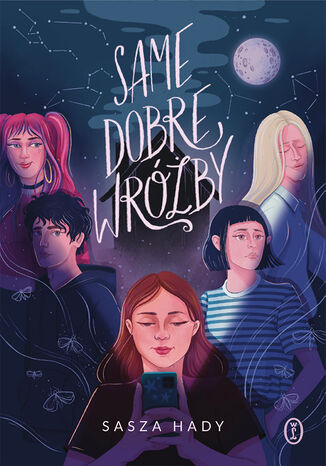
Czy da się zakochać w kimś, kogo nigdy nie spotkało się w realu? Eliza, Chira, Fearis i Nyle znają się tylko z Discorda i nigdy nie spotkali się na żywo. Tego lata mają wyjechać razem do domku w górach. Najbardziej zależy na tym Elizie, która ma sekretny plan rozkochania w sobie Nylea. Wszystkie znaki na niebie i ziemi wskazują, że się uda kiedy nagle na jej drodze staje dziwaczna kuzynka Sara. Eliza postanawia się jej pozbyć. Same dobre wróżby to pełna zabawnych intryg, miłosnych nieporozumień i zwrotów akcji opowieść o wychodzeniu ze strefy komfortu. Jak daleko mogą się posunąć introwertycy, aby zawalczyć o miłość? Sasza Hady, autorka kryminałów i fantastycznej Zefiryny debiutuje jako autorka YA. Gwarantujemy: nie będziecie się nudzić!

Same marzenia nie wystarczą!. Co musisz wiedzieć, aby zrealizować swoje cele?
Marta Pyrchała
Jak raz na zawsze przestać tylko bujać w obłokach i naprawdę spełnić swoje marzenia? Nie wiem, jakie są Twoje marzenia. Nie wiem, czy marzysz o byciu bogatym, o szczęśliwej rodzinie i wielkim domu, czy raczej o podróżowaniu po całym świecie. Nie wiem, czy w ogóle marzysz. Wiem jednak (tak samo jak i Ty), że od samego marzenia i myślenia o swoich marzeniach nikt jeszcze ich nie spełnił! Oto, czego jeszcze się dowiesz z tej publikacji: - 7 Zasad osiągania celów, do których stosują się ludzie czynu. Chcesz spełnić swoje marzenia, a nie tylko je sobie wyobrażać? Zacznij stosować te zasady. - Dlaczego niektórzy ludzie mają cechy charakteru, które skazują ich na ponoszenie porażek i co możesz zrobić, jeśli odkryjesz u siebie te cechy. - Proste sposoby na to, aby zmotywować się do działania i wreszcie ruszyć z miejsca w kierunku sukcesu. - Sekrety zarządzania czasem najbardziej produktywnych ludzi. Jeśli wciąż brakuje Ci czasu nie tylko na pracę, ale i na odpoczynek, to koniecznie dowiedz się, jak wyglądają dni ludzi dobrze zorganizowanych. - Co zrobić, aby konsekwentnie realizować wyznaczone sobie zadania i nie demotywować się oraz nie tracić ochoty na działanie? Ta książka jest wyjątkowa z tego powodu, że nie tylko przekazuje praktyczną wiedzę, jak osiągnąć sukces i spełnić swoje marzenia. Ta publikacja idzie dużo dalej, ponieważ całą wiedzę układa w swoisty program realizacji Twoich celów. Jest to instruktaż, który można by nazwać "Spełnianie marzeń krok po kroku".

Barbara Klicka
Barbara Klicka same same ISBN 978-83-288-5662-2 Fikcjonariusz Zakłamane tylko losy własne stają się mocniejszym snem, Mechaniczność się wzmaga i rozwydrzone skupienie, Pustka zaś po wydarciu się pocisku Komplikuje się w mechanizm wprawiany w ruch (korbą). Witold Wirpsza, Nowy podręcznik wydajnego zażywania narkotyków Do faktów! A potem tak negocjacje w sprawie nieagresji. Byle nie zbyt ciche. Krzyczy się po to, żeby było jaśniej. A potem, owszem, zaglądan... Barbara Klicka Ur. 1981 w Płocku Najważniejsze dzieła: Wrażliwiec (2000), nice (2015). Poetka, autorka książek same, same (2012) i nice (2015). Animatorka kultury, członkini zespołu Pochwalone i autorka tekstów dla niego, współtwórczyni projektu Nowy Tajny Detektyw (wraz z Jackiem Dehnelem). Laureatka Wrocławskiej Nagrody Poetyckiej Silesius i Nagrody Literackiej Gdynia (obie w 2016). Kupując książkę wspierasz fundację Nowoczesna Polska, która propaguje ideę wolnej kultury. Wolne Lektury to biblioteka internetowa, rozwijana pod patronatem Ministerstwa Edukacji Narodowej. W jej zbiorach znajduje się kilka tysięcy utworów, w tym wiele lektur szkolnych zalecanych do użytku przez MEN, które trafiły już do domeny publicznej. Wszystkie dzieła są odpowiednio opracowane - opatrzone przypisami oraz motywami.
Sami czytamy. Detektyw Zagadka. Niezwykły wynalazek pana Rozumka
Iwona Czarkowska
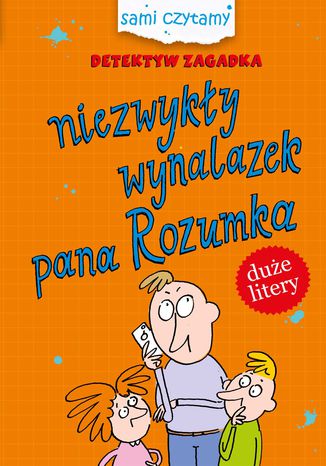
Pan Zagadka to niezłomny tropiciel skradzionych rowerów, potworów i zielonych skarpetek. W rozwiązywaniu wszystkich tajemnic pomagają mu Basia i Bartek, do których możesz dołączyć, by wspólnie wyjaśnić, gdzie się podziały sznurowadła sąsiada, kto zostawia ogromne ślady w ogrodzie i kto ukradł najnowszą powieść pana Stroniczki. Duża czcionka ułatwia naukę czytania. Po każdym opowiadaniu umieszczono najtrudniejsze wyrazy, a czytanie uatrakcyjnią komiksy.