
E-Books
Statystyka przemysłu Królestwa Polskiego w latach 1879-1913. Materiały źródłowe
Wiesław Puś
Książka zawiera szczegółowe dane statystyczne obrazujące rozwój produkcji przemysłowej Królestwa Polskiego w latach 1879–1914. Okres ten charakteryzował się dużym przyspieszeniem procesu industrializacji w Królestwie Polskim, którego głównym czynnikiem była zmiana polityki celnej państwa rosyjskiego. Umożliwiała ona ekspansję produktów przemysłu Królestwa Polskiego na niezwykle chłonne rynki rosyjskie. Głównie wyrobów włókienniczych oraz metalowo-hutniczych. Obok protekcyjnej polityki celnej państwa rosyjskiego ważny wpływ na rozwój niektórych gałęzi przemysłu w Królestwie Polskim miały bezpośrednie zamówienia rządowe. Ich rola była szczególnie widoczna w produkcji hutniczej, w okresie rozbudowy kolejnictwa w Rosji od lat 70. do początku XX w. Ważnym czynnikiem dynamizującym rozwój przemysłu były także przeobrażenia techniczno-technologiczne. W końcu XIX i na początku XX w. w Królestwie Polskim większość gałęzi przemysłu była już zmechanizowana. Mechanizacja produkcji wkraczała także do małych i średnich firm przemysłowych dzięki upowszechnieniu silników elektrycznych i spalinowych. Dane statystyczne w pełni potwierdzają proces dynamicznego rozwoju przemysłu w Królestwie Polskim od końca lat 70. XIX w. do wybuchu I wojny światowej. Pochodzą one ze skorowidzów i spisów zakładów przemysłowych za lata 1879, 1884, 1893, 1900, ksiąg adresowych za lata 1904 i 1913 oraz wydawnictw rosyjskiego Departamentu Górnictwa w Ministerstwie Przemysłu i Handlu za lata 1879, 1884, 1893 i 1900.
Statystyka z programem Statistica
Małgorzata Rabiej
Wydaje Ci się, że statystyka jest trudna? Statistica na pewno nie! Statistica to pakiet oprogramowania statystycznego i analitycznego, uważany za jedno z najlepszych rozwiązań w swojej klasie. Oferuje szeroki wybór narzędzi statystycznych i procedur analizy danych oraz umożliwia zarządzanie nimi i wizualizację otrzymanych wyników. Zapewnia też dostęp do zaawansowanych algorytmów modelowania i prognozowania. Właśnie dlatego stanowi obecnie standardowe narzędzie pracy w wielu firmach analitycznych, na uczelniach oraz w różnego rodzaju instytucjach badawczych. Ponadto dzięki prostemu interfejsowi i dobrej dokumentacji stale zyskuje nowych użytkowników. Jeśli jesteś zainteresowany poznaniem możliwości środowiska oraz praktyczną nauką sposobów prowadzenia analiz statystycznych, koniecznie sięgnij po książkę "Statystyka z programem Statistica". Z nią poznasz podstawowe pojęcia i metody statystyczne oraz nauczysz się tworzyć i stosować odpowiednie modele. Dowiesz się, jak posługiwać się programem do szybkiego osiągnięcia wyznaczonych celów. Przedstawione tu zagadnienia przygotują Cię do samodzielnego opracowania wyników badań, ich prawidłowej analizy oraz formułowania wniosków. Jeśli masz coś wspólnego z komputerową analizą danych, po prostu nie wypada Ci nie mieć tej książki! Interfejs i podstawowe możliwości środowiska Statistica Pojęcia, metody i narzędzia wykorzystywane w analizach statystycznych Badanie wpływu różnych czynników na wybrane cechy populacji Ocena błędów wnioskowania o parametrach populacji na podstawie wyników próby losowej Analiza współzależności między zmiennymi losowymi oraz ocena jakości zbudowanego modelu Konstruowanie prognoz na podstawie szeregów czasowych Sposoby wizualizacji wyników analiz statystycznych Przekonaj się, co można osiągnąć za pomocą programu Statistica!
Statystyki pozycyjne w procedurach estymacji i ich zastosowania w badaniach ekonomicznych
Dorota Pekasiewicz
Monografia poświęcona jest parametrycznym i nieparametrycznym procedurom estymacji wykorzystującym statystyki pozycyjne. Opracowane metody mają istotne znaczenie w sytuacjach, gdy klasyczne parametry i ich estymatory nie mogą być stosowane. Opisano charakterystyki funkcyjne, w tym rozkłady graniczne statystyk pozycyjnych, metody szacowania parametrów funkcji gęstości zmiennych losowych, estymatory parametrów pozycyjnych, takich jak kwantyle oraz dominanta i metody estymacji wykorzystywane w analizach zjawisk ekstremalnych. Oprócz znanych procedur estymacji przedstawione zostały nowe propozycje, które w określonych sytuacjach stanowią lepsze narzędzia analiz statystycznych. Otrzymane wyniki badań własności estymatorów wskazują na praktyczne zastosowania analizowanych procedur, w szczególności autorskich modyfikacji. Podano również przykłady zastosowań statystyk pozycyjnych w takich obszarach badań ekonomicznych, jak analizy dochodów i wydatków gospodarstw domowych, estymacja miar ryzyka rynkowego i ubezpieczeniowego oraz statystyczna kontrola jakości.

Emilia Szelest
W górach znów ktoś ginie. A ktoś inny wierzy, że to jedyny sposób, by zachować ich ciszę. Na wiosnę, przy słowackim Litworowym Stawie zostaje odnalezione ciało turysty. Okazuje się jednak, że to dopiero początek. W Zakopanem, w jednej z karczm dochodzi do brutalnej masakry. Zuzanna Sobczak zostaje oddelegowana, by sprawę zamknąć i zapomnieć. Zamiast tego, wraz ze swoim przyjacielem dziennikarzem, Dorianem Gilem otwiera puszkę dawnych legend i współczesnych obsesji. Czy uda im się rozwikłać powiązania między zabójstwami? I co zrobią, gdy odkryją, że nie każda historia chce być odkryta, a niektóre lepiej zostawić pod lodem.
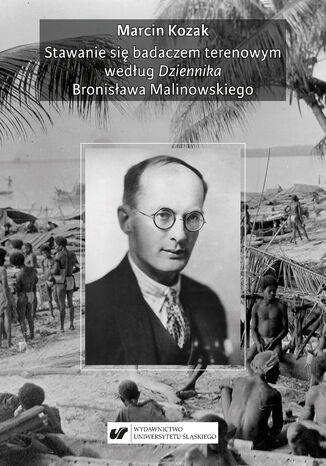
Stawanie się badaczem terenowym według Dziennika Bronisława Malinowskiego
Marcin Kozak
Postać Bronisława Malinowskiego trudno pominąć w dyskursie antropologicznym. Wkład naukowy, jaki do tej dziedziny wniósł badacz, był krokiem milowym, który otworzył nowe perspektywy postrzegania tej nauki i badania innych kultur oraz ukształtował nowe spojrzenie na teren w antropologii. Praca ta jednak nie będzie zsumowaniem dokonań autora Argonautów zachodniego Pacyfiku, lecz próbą spojrzenia na proces stawania się badaczem — nie tylko od strony socjologicznej, ale również psychologicznej. (fragment wstępu)
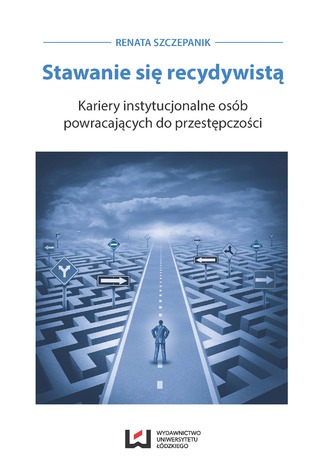
Stawanie się recydywistą. Kariery instytucjonalne osób powracających do przestępczości
Renata Szczepanik
W książce zawarto zagadnienia z obszaru pedagogiki resocjalizacyjnej (więziennej) i podjęto próbę odpowiedzi na pytanie o to, czy w karierze instytucjonalnej recydywisty istnieją „punkty”, które pozwalają (jemu, społeczeństwu, systemowi) zapobiegać powrotowi do przestępczości. Przedmiotem analiz jest odkrywanie sposobów, w jaki recydywiści interpretują własne doświadczenia i w jaki przenoszą te interpretacje na swoją aktywność życiową (głównie w obrębie rzeczywistości izolacji więziennej). Gromadzenie oraz podążanie za danymi empirycznymi (metodologia teorii ugruntowanej) spowodowało wyłonienie się obrazu doświadczeń i działań, które składają się na wieloletni proces stawania się recydywistą, tj. bycia beneficjentem specyficznej kariery instytucjonalnej prawno-społecznego systemu zapobiegania przestępczości. I to właśnie proces ten stanowi zasadniczy przedmiot analiz i rozważań niniejszego opracowania. Przyjęta w nim perspektywa interakcyjna ułatwia spojrzenie na warunki, które rzutują na dynamikę „pięcia się” przestępcy po kolejnych szczeblach instytucjonalnego systemu zapobiegania przestępczości i dokonujący się w jego obrębie proces kształtowania społecznej tożsamości recydywisty. Zgodnie z ideą symbolicznego interakcjonizmu, zamierzeniem autorki nie jest jednakże wyjaśnienie procesu stawania się recydywistą, ile próba jego zrozumienia.

Adam Bahdaj
Julek - znudzony wakacjami chłopiec z dobrego domu trafia do Klondike, meliny Cegiełki, Filipka, Cygana i Karioki - jedynej spódniczki w gangu. Nie chcą go - nie pasuje do ich paczki spod ciemnej gwiazdy. Tylko Cegiełka, ten, którego ojciec pije jak bąk, lituje się nad Julkiem i wpycha do paczki. Dwie akcje i już Julek czuje się jak nowo narodzony. I gotowy do współpracy z tajemniczym szefem bandy - Tolkiem Bananem.

Maciej Replewicz
Reporterskie śledztwo tropiące prawdziwe losy bohaterów Stawki większej niż życie. Geibel, Lohse, Staedtke i von Vormann istnieli naprawdę, a Brunner był numerem 1 na liście najbardziej poszukiwanych zbrodniarzy hitlerowskich. Ile brawurowych życiorysów asów wywiadu złożyło się na sylwetkę kapitana Klossa? Serial wszechczasów, który zmienił oblicze polskiej telewizji. Kulisy powstania pierwszej polskiej superprodukcji, dla której wyludniały się ulice. Nieznane losy gwiazd serialu i skrywane tajemnice scenarzystów i realizatorów. Który z twórców filmu pisał donosy do komunistycznej bezpieki? Do czego Kloss był potrzebny PRLowskiej propagandzie? Kogo miał wynieść do władzy, a kogo zohydzić? Dziennikarskie śledztwo wraca do roku 1966, kiedy powstawał scenariusz, sięga też po dokumenty odtajnione po roku 1989. Przedzierając się przez gąszcz przeinaczeń i dezinformacji, odsłania prawdziwe kulisy wydarzeń i wskazuje dla kogo, przy nagrywaniu serialu, stawka była większa niż życie.

Staż pracy po zmianach od 1 stycznia 2026 r. a nagroda jubileuszowa - w pytaniach i odpowiedziach
Praca zbiorowa
"Staż pracy po zmianach od 1 stycznia 2026 r. a nagroda jubileuszowa - w pytaniach i odpowiedziach" to praktyczny przewodnik dla kadr i płac. Publikacja wyjaśnia, jak nowe przepisy wpływają na ustalanie stażu pracy, terminy nabycia prawa do nagrody jubileuszowej oraz zasady jej wypłaty i wyrównania. Omawia m.in. doliczanie stażu z dokumentów ZUS, działalności gospodarczej czy przypadki "przyspieszonych" nagród. Klarowna forma Q and A ułatwia szybkie znalezienie rozwiązania.

Karolina Kasprzak-Dietrich
Jest rok 2007. W Gnieźnie dochodzi do serii brutalnych zbrodni. Kluczowym dowodem w sprawie jest metalowy pręt w kształcie siódemki. Ofiary łączy również to, że chodziły do jednej klasy w IV LO. Do tej samej klasy chodził Oliwier Kondziołka - świeżo upieczony, skrupulatny policjant, który coraz bardziej angażuje się w wytropienie sprawcy. Czy i jego życie jest zagrożone? Z czym będzie musiał się zmierzyć? Czy znajdzie sprzymierzeńca w komendancie, który jest mężem jego byłej wychowawczyni? Co oznacza cyfra siedem i kim jest tajemnicza flama Oliwiera? Drogi Czytelniku, jeśli jesteś ciekawy odpowiedzi na te pytania, zapraszam Cię do lektury.

(Stąd: niebo jest duże jak niebo południa...)
Krzysztof Kamil Baczyński
(Stąd: niebo jest duże jak niebo południa...) Stąd: niebo jest duże jak niebo południa, którego nie przepłynąłeś, nie przepłyniesz. Po salwach dnia wystawiony na cel gwiazdom miniesz jak miasta opuszczone w drodze. Przeoczony, przeszyty na wskroś przez kule wszystkich wojen, umrzesz zamknięty echem małym jak echo czyichś ust, pomniejszony na poddaszu pokojem. lipiec 1940 r. [...]Krzysztof Kamil BaczyńskiUr. 22 stycznia 1921 r. w Warszawie Zm. 4 sierpnia 1944 r. w Warszawie Najważniejsze dzieła: Pokolenie, Historia, Bez imienia, Dwie miłości, Z głową na karabinie Poeta, rysownik. Twórczość poetycką rozpoczął już jako uczeń gimnazjum im. Stefana Batorego w Warszawie, gdzie w 1939 r. zdał maturę. Związany ze środowiskiem młodzieży lewicowej, m.in. z organizacją Spartakus działającą półlegalnie w szkołach średnich. W czasie okupacji niemieckiej zbliżył się do ugrupowań socjalistycznych, wydających podziemne pisma ?Płomienie? i ?Droga?. Od 1943 r. uczestniczył w tajnych kompletach polonistycznych, w tymże roku wstąpił do Harcerskich Grup Szturmowych, które stały się zalążkiem batalionu AK ?Zośka? oraz ukończył konspiracyjną szkołę podchorążych rezerwy. Uczestnik powstania warszawskiego; poległ w walce przy Placu Teatralnym (Pałac Blanka); w parę tygodni później zginęła w powstaniu żona poety Barbara, którą poślubił w 1942 r. Nie licząc dwóch zbiorków odbitych na hektografie w 7 egzemplarzach w 1940 r. i kilku wierszy w antologiach Pieśń niepodległa i Słowo prawdziwe, zdążył ogłosić, pod pseudonimem Jan Bugaj, dwa konspiracyjne zbiory: Wiersze wybrane (1942) i Arkusz poetycki (1944) wydane nakładem ?Drogi?. Kupując książkę wspierasz fundację Nowoczesna Polska, która propaguje ideę wolnej kultury. Wolne Lektury to biblioteka internetowa, rozwijana pod patronatem Ministerstwa Edukacji Narodowej. W jej zbiorach znajduje się kilka tysięcy utworów, w tym wiele lektur szkolnych zalecanych do użytku przez MEN, które trafiły już do domeny publicznej. Wszystkie dzieła są odpowiednio opracowane - opatrzone przypisami oraz motywami.
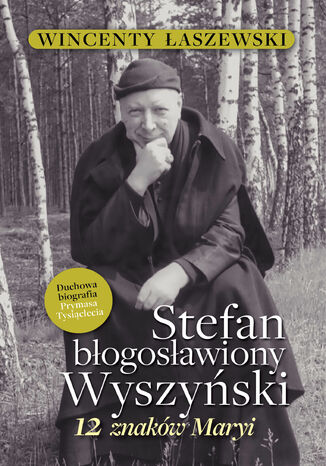
Stefan błogosławiony Wyszyński. 12 znaków Maryi
Wincenty Łaszewski
Prymas Tysiąclecia, Niezłomny, Prorok, Teolog, Mistyk Pierwsza duchowa biografia wielkiego Pasterza, który twardo stąpał po ziemi, ale głowę stale miał w Niebie. Ciężka choroba, Ateneum Kapłańskie, doświadczenia wojenne, lata internowania, Śluby Jasnogórskie, nieustanna walka z komunistyczną władzą o duszę polskiego narodu. Czy biografię ostatniego wielkiego pasterza Polaków wolno oddzielić od jego duchowości? Jego, który wszystko postawił na Maryję? W swojej książce Wincenty Łaszewski wskazuje 12 duchowych kamieni milowych ziemskiej drogi Prymasa Tysiąclecia. Ukazuje duchową i mistyczną podbudowę wydarzeń, które stały się potem punktami zwrotnymi w historii naszego narodu. Kardynał Wyszyński twierdził, że przyjdą nowe czasy, będą potrzebowały nowych świateł, nowych mocy, a Bóg da je w swoim czasie. Czyżby stary Wyszyński był dla nas dziś nowym światłem i nową mocą, a my ten przekaz mamy odkryć? Zapraszamy do wyruszenia maryjnymi drogami kardynała Wyszyńskiego. Poznajmy kolejne etapy tej drogi, konkretne dzieła, które pomiędzy 1948 a 1981 rokiem Prymas inicjował, słuchając wewnętrznego głosu Ducha, w ufnej uległości Matce Najświętszej. Wincenty Łaszewski jest na tej drodze doskonałym przewodnikiem. Książka Stefan błogosławiony Wyszyński doskonale pomoże w poznawaniu i odkrywaniu aktualności programu Kardynała Tysiąclecia. o. dr Mariusz Tabulski OSPE, przeor Klasztoru Na Skałce

Marcin Ciszewski
Powtarzana od lat ludowa opowieść głosi, że gdzieś, w podziemiach, głęboko pod Miasteczkiem, znajduje się Miejsce Starożytnego Kultu. Ale gdzie go szukać? Grupa przyjaciół pod wodzą nieustraszonego przywódcy Kubusia, opracowuje plan wyprawy. Odnajduje wejście do tajemniczego, starego kanału. Czy okaże się on drogą do celu? Czy z pomocą napotkanego tropiciela uda się pokonać potwornego Biesa i zaskarbić sobie przychylność Władcy Podziemi? Czy przyjaciele będą potrafili odnaleźć drogę powrotną?

Marcin Ciszewski
Stefan, Kubuś, Patyczek, Warwara i Bogusław. Pięcioro nieustraszonych przyjaciół, którzy postanawiają stanąć oko w oko z pradawną Legendą. Legenda mówi, że śmiałek, który dostrzeże Łunę i podaży za nią, będzie miał szansę odnalezienia starożytnego Skarbu. Legenda nie wspomina jednak o straszliwym Niedźwiedziodylu, Poduszkowcowym Wężu. Jeziorze oraz Duchu strzegących dostępu do bogactw. Grupa przyjaciół musi pokonać te (i inne) przeszkody, by osiągnąć cel. Czy uda im się tego dokonać? Legenda mówi, że śmiałek, który dostrzeże Łunę i podaży za nią, będzie miał szansę odnalezienia starożytnego Skarbu. Legenda nie wspomina jednak o straszliwym Niedźwiedziodylu, Poduszkowcowym Wężu. Jeziorze oraz Duchu strzegących dostępu do bogactw. Grupa przyjaciół musi pokonać te (i inne) przeszkody, by osiągnąć cel. Czy uda im się tego dokonać?
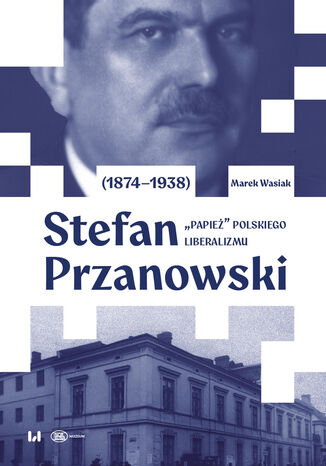
Stefan Przanowski (1874-1938): "papież" polskiego liberalizmu
Marek Wasiak
Książka jest pierwszą biografią Stefana Przanowskiego - inżyniera, przemysłowca, działacza samorządowego i gospodarczego, znaczącego polityka Drugiej Rzeczypospolitej, ministra i desygnowanego na premiera. Był on czołową postacią polskiej gospodarki i bankowości, z determinacją wprowadzał w życie zasady wolnego handlu. Stąd właśnie wziął się jego "papieski" przydomek. Wyzwania polityczne, gospodarcze i społeczne, wobec których stawał przed stu laty, stanowią ciekawe odniesienie do naszych obecnych problemów. Również wtedy występowała ostra walka ugrupowań politycznych, pojawiały się zagrożenia międzynarodowe, zmieniały się koncepcje gospodarcze, toczył się spór: rynek czy państwo, panowała drożyzna, wysokie podatki trapiły przedsiębiorców, a społeczeństwo było silnie spolaryzowane pod względem majątkowym i politycznym. W tym właśnie kontekście autor publikacji prezentuje Przanowskiego, kandydata na premiera w czerwcu 1922 roku, gdy jako postać pierwszoplanowa uczestniczył w konflikcie najważniejszych organów władzy państwowej - Sejmu i Naczelnika Państwa Józefa Piłsudskiego. Drugim bohaterem książki jest Warszawa, w której Przanowski żył i pracował oraz starał się złagodzić problemy zaopatrzenia ludności stolicy wobec apokalipsy I wojny światowej. W publikacji pojawia się także prezentacja warszawskiej fabryki metalowej "Norblin, Bracia Buch i T. Werner", którą Przanowski ze świetnym rezultatem kierował przez ćwierćwiecze. Z tego powodu właśnie on jest dziś patronem pasażu w zrewitalizowanym Norblinie. Biografia Przanowskiego stanowi przykład drogi do sukcesu finansowego i powstawania elit w międzywojennej Polsce. Odzwierciedla, jak wyglądało życie ówczesnych najwyższych sfer zarówno w aspekcie majątkowym, jak i rodzinnym. Marek Wasiak (ur. 1959 w Łodzi) ukończył socjologię na Uniwersytecie Łódzkim. Jest wieloletnim pracownikiem samorządowym, zajmuje się organizacją instytucji samorządowych i ich zarządzaniem. Autor artykułów biograficznych, współpracownik słowników biograficznych.

Tadeusz Boy-Żeleński
Tadeusz Boy-Żeleński Słówka (zbiór) Stefania Powieść psychologiczna z kajetu pensjonarki Kto poznał panią Stefanią, Ten wolał od innych pań ją. Coś w niej już takiego było, Że popatrzyć na nią miło. Oczy miała jak bławatki I na sobie ładne szmatki. Chociaż to rzecz dosyć trudna, Zawsze była bardzo schludna. Aż mówił każdy przechodzień: Ta się musi kąpać co dzień. Choć męża miała filistra, W innych rzeczach była bystra. Jeździła aż do Abacji Po temat do konwers... Tadeusz Boy-Żeleński Ur. 21 grudnia 1874 w Warszawie Zm. 4 lipca 1941 we Lwowie Najważniejsze dzieła: przekłady ponad stu pozycji z literatury francuskiej, Słówka, Marysieńka Sobieska, Piekło kobiet, Plotka o Weselu, Flirt z Melpomeną Pisarz, poeta, krytyk teatralny i literacki, tłumacz i popularyzator kultury francuskiej, publicysta, działacz społeczny, z zawodu lekarz. Matka Boya była wychowanicą i przyjaciółką Narcyzy Żmichowskiej, ojciec - znanym kompozytorem. Spokrewniony z Tetmajerami, uczestnik wesela Lucjana Rydla, opisanego przez Wyspiańskiego, później ożenił się z Zofią Pareńską, która była pierwowzorem Zosi z Wesela. W młodości hulaka i karciarz, przyjaciel Stanisława Przybyszewskiego, nieszczęśliwie zakochany w jego żonie Dagny. Studiował medycynę, następnie wyjechał na praktyki do Francji, gdzie odkrył francuską piosenkę, kabarety i powieści Balzaka. Zakochany w Paryżu, po powrocie zaczął tłumaczyć francuską literaturę, aby ,,stworzyć sobie namiastkę Francji". Współtwórca kabaretu ,,Zielony Balonik", autor wielu piosenek i wierszyków z jego repertuaru. Jako lekarz kolejowy i pediatra stykał się z biedą i cierpieniem, jako działacz społeczny propagował więc świadome macierzyństwo i właściwą opiekę nad niemowlętami. Po pierwszej wojnie światowej porzucił medycynę i został recenzentem teatralnym oraz publicystą. Krytykowany przez środowiska prawicowe za wyśmiewanie rzeczy i spraw szacownych, które sam uważał za ,,niezbyt godne szacunku". W 1927 r. rząd francuski odznaczył go Legią Honorową za jego pracę tłumacza. Zamordowany przez hitlerowców wraz z innymi profesorami Uniwersytetu Lwowskiego. Kupując książkę wspierasz fundację Nowoczesna Polska, która propaguje ideę wolnej kultury. Wolne Lektury to biblioteka internetowa, rozwijana pod patronatem Ministerstwa Edukacji Narodowej. W jej zbiorach znajduje się kilka tysięcy utworów, w tym wiele lektur szkolnych zalecanych do użytku przez MEN, które trafiły już do domeny publicznej. Wszystkie dzieła są odpowiednio opracowane - opatrzone przypisami oraz motywami.