
Деталі електронної книги
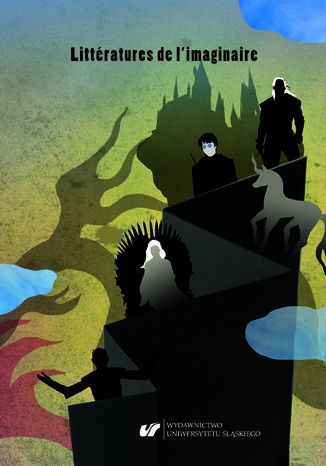
Littératures de limaginaire
red. Katarzyna Gadomska, red. Agnieszka Loska
Pojęcie „literatura wyobrażona” (littératures de l’imaginaire) cechuje niezwykłe bogactwo, zawiera bowiem ono w sobie ogromną ilość gatunków, takich jak m.in. fantastyka, fantasy, horror, science-fiction, oraz podgatunków : dark fantasy, eco fantasy, high i low fantasy, urban fantasy, dystopia, uchronia, steampunk, cyberpunk, gore i wiele innych. Pomimo swej różnorodności, „literatura wyobrażona” długo uznawana była za twórczość masową, paraliteraturę, i nie traktowano jej jako obiekt godny badań literackich. Obecnie jednak jej rozwój, a także wielostronność i złożoność tematyczna i gatunkowa, wzbudza coraz większe zainteresowanie nie tylko wśród czytelników i miłośników gatunku, lecz również wśród krytyków i teoretyków literatury.
Niniejsza publikacja, skierowana zarówno do literaturoznawców, jak i do szerszego grona odbiorców zainteresowanych tego typu literaturą, zawiera 16 artykułów w języku francuskim, w których autorzy, analizując różne gatunki i podgatunki „literatury wyobrażonej”, ukazują z różnych perspektyw jej niezwykłą heterogeniczność.
Sommaire
Préface (Katarzyna Gadomska, Agnieszka Loska) | 9
Anna Swoboda : Éléments science-fictionnesques dans La Piece d’or de KenBugul | 13
Aleksandra Bogusławska: L’espace sacré (profané) dans La Meute de Serge
Brussolo comme figure spatiale caractéristique du roman gothique | 25
Agnieszka Loska: L’urban fantasy a la française : le cas de Rebecca Kean de
Cassandra O’Donnell | 50
Eric Auriacombe: De Tolkien a Rowling : la tentation de l’invisibilité | 63
Maria Cristina Batalha: Vampires et sorcieres : trois femmes puissantes
dans la littérature francophone | 73
Isabelle-Rachel Casta: « Lettre a une ombre chere » … : les dark romances
en héritage ? | 95
Hans Färnlöf: Stades imaginaires de Barbe bleue par Amélie Nothomb | 115
Jessy Neau: Usages mémoriels et politiques de la figure du zombie dans Le ciel
de Bay City de Catherine Mavrikakis et La nuit des Juifs-vivants d’Igor Ostachowicz | 128
Mohamed Anis Abrougui: L’uchronie, antécédents et évolutions | 142
Marine Verriest : Langues construites et mondes imaginaires: du vice secret
aux productions hollywoodiennes | 152
Ewa Drab: La coprésence du réel et de l’imaginaire dans Les Enchantements
d’Ambremer de Pierre Pevel | 167
Denis Moreau: Multiformité des impensables et des imaginaires fictionnels :
L’exemple du fantastique japonais | 181
Ofra Lévy: La littérature de l’imaginaire pour jeunes-
adultes au prisme de la réception française | 197
Sébastien Wit: Les savoirs politiques de l’imaginaire | 212
Mathieu Pierre: D’ Archie’s Mad House a Netflix : les avatars de Sabrina,
l’apprentie sorciere, miroirs déformants de la culture populaire adolescente et
jeune adulte | 226
Laurianne Perzo: L’art de la fugue dans la littérature dramatique pour la jeunesse
: le lecteur au pays du fantastique, du merveilleux et de l’étrange | 241
Summary
Preface (Katarzyna Gadomska, Agnieszka Loska) | 9
Anna Swoboda: Elements of Science Fiction in Ken Bugul’s La Piece d’or | 13
Aleksandra Bogusławska: The (Profane) Sacred Space in La Meute by
Serge Brussolo as Spatial Figure Characteristic of the Gothic Novel | 25
Agnieszka Loska: French Urban Fantasy: the Case of Cassandra O’Donnell’s
Rebecca Kean | 50
Eric Auriacombe: From Tolkien to Rowling: the Temptation of Invisibility
| 63
Maria Cristina Batalha: Vampires and Witches: Three Powerful Women in
Francophone Literature | 73
Isabelle-Rachel Casta: “Letter to a beloved shadow”…: Dark Romances in
Heritance? | 95
Hans Färnlöf: Stages of the Imaginary in Barbe bleue by Amélie Nothomb | 115
Jessy Neau: Zombies in Catherine Mavrikakis’ Le ciel de Bay City and
Igor Ostachowicz’s Night of the Living Jews: Political and Memorial Significance | 128
Mohamed Anis Abrougui: Uchronia, Antecedents and Evolutions | 142
Marine Verriest: Constructed Languages and Imaginary Worlds: from a Secret
Vice to Hollywood Productions | 152
Ewa Drab: The Co-presence of the Real and the Imaginary in Les Enchantements
d’Ambremer by Pierre Pevel | 167
Denis Moreau: Multiformity of the Unthinkable, Diversity of the Fictional
Imaginaries: the Example of the Japanese Fantastic | 181
Ofra Lévy: Young Adult Literature of the Imaginary from the Perspective of
French Reception | 197
Sébastien Wit: The Political Knowledge of the Imaginary | 212
Mathieu Pierre: From Archie’s Mad World to Netflix: the Avatars of Sabrina
the Teenage Witch, Distorting Mirrors of Teenage and Young Adult Pop
Culture | 226
Laurianne Perzo: Art of Fugue in Dramatic Literature for the Young: the
Reader at the Land of Fantastic, Marvellous and Uncanny | 241
- Назва:Littératures de limaginaire
- Автор:red. Katarzyna Gadomska, red. Agnieszka Loska
- ISBN:978-83-226-3744-9, 9788322637449
- Дата видання:2020-08-07
- Формат:Eлектронна книга - PDF
- Ідентифікатор видання: e_1q62
- Видавець: Wydawnictwo Uniwersytetu Śląskiego