
Завантаження...
Деталі електронної книги
Увійти якщо вас цікавить зміст видання.
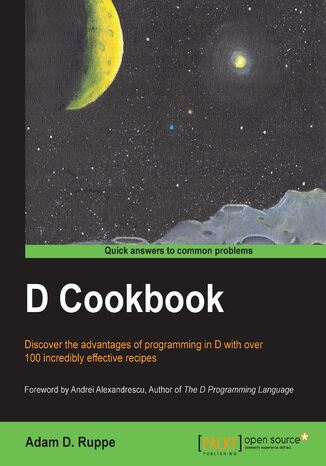
D Cookbook. Discover the advantages of programming in D with over 100 incredibly effective recipes with this book and
Adam Ruppe
Завантаження...
EЛЕКТРОННА КНИГА
Завантаження...
A recipe-packed reference guide filled with practical tasks that are concisely explained to develop and broaden the user's abilities with the D programming language. If you are an experienced programmer who is looking to explore a language that offers plenty of advantages over more established programming languages, this is the book for you. We assume that you are already familiar with general programming language basics, but you do not need to be a proficient user of D.
- D Cookbook
- Table of Contents
- D Cookbook
- Credits
- Foreword
- About the Author
- About the Reviewers
- www.PacktPub.com
- Support files, eBooks, discount offers, and more
- Why Subscribe?
- Free Access for Packt account holders
- Support files, eBooks, discount offers, and more
- Preface
- What this book covers
- What you need for this book
- Who this book is for
- Conventions
- Reader feedback
- Customer support
- Downloading the example code
- Errata
- Piracy
- Questions
- 1. Core Tasks
- Introduction
- Installing the compiler and writing a "Hello World" program
- How to do it
- How it works
- Theres more
- Adding additional modules (files) to your program
- How to do it
- How it works
- There's more
- See also
- Using external libraries
- How to do it
- How it works
- There's more
- See also
- Building and processing arrays
- How to do it
- How it works
- There's more
- See also
- Using associative arrays to translate input
- How to do it
- How it works
- There's more
- Creating a user-defined vector type
- Getting ready
- How to do it
- How it works
- See also
- Using a custom exception type
- How to do it
- How it works
- There's more
- See also
- Understanding immutability
- Getting ready
- How to do it
- Writing functions
- Writing object methods
- How it works
- Slicing a string to get a substring
- How to do it
- How it works
- There's more
- Creating a tree of classes
- Getting ready
- How to do it
- How it works
- There's more
- See also
- 2. Phobos The Standard Library
- Introduction
- Performing type conversions
- How to do it
- How it works
- There's more
- Finding the largest files in a directory
- How to do it
- How it works
- Creating a network client and server
- How to do it
- Client
- Server
- How it works
- There's more
- See also
- How to do it
- Using Base64 to create a data URI
- How to do it
- How it works
- Generating random numbers
- How to do it
- How it works
- There's more
- Normalizing a string and performing Unicode comparisons
- How to do it
- How it works
- Searching with regular expressions
- How to do it
- How it works
- There's more
- See also
- Writing a digest utility
- How to do it
- How it works
- There's more
- See also
- Using the std.zlib compression
- How to do it
- How it works
- Using the std.json module
- How to do it
- How it works
- See also
- 3. Ranges
- Introduction
- Using ranges when implementing an algorithm
- Getting ready
- How to do it
- How it works
- Creating an input range
- How to do it
- How it works
- There's more
- Creating an output range
- How to do it
- How it works
- There's more
- See also
- Creating a higher-order range
- How to do it
- How it works
- Putting a range interface on a collection
- Getting ready
- How to do it
- How it works
- Creating an input range over a tree structure
- Getting ready
- How to do it
- How it works
- There's more
- Using runtime polymorphic (class) ranges
- How to do it
- How it works
- Storing a range as a data member
- How to do it
- How it works
- Sorting ranges efficiently
- Getting ready
- How to do it
- To sort
- To benchmark
- How it works
- See also
- Searching ranges
- How to do it
- How it works
- Using functional tools to query data
- Getting ready
- How to do it
- How it works
- There's more
- See also
- 4. Integration
- Introduction
- Calling the Windows API functions
- Getting ready
- How to do it
- How it works
- See also
- Removing the Windows console
- How to do it
- How it works
- There's more
- See also
- Making Linux system calls
- How to do it
- With the C interface
- With inline assembly
- How it works
- See also
- How to do it
- Writing part of a C program in D
- Getting ready
- How to do it
- How it works
- See also
- Interfacing with C++
- Getting ready
- How to do it
- How to do it
- See also
- Using structs to mimic the C++ object structure
- How to do it
- How it works
- Communicating with external processes
- How to do it
- How it works
- See also
- Communicating with a dynamic scripting language
- Getting ready
- How to do it
- How it works
- Using Windows' COM
- Getting ready
- How to do it
- COM server
- COM client
- How it works
- There's more
- 5. Resource Management
- Introduction
- Avoiding the garbage collector
- How to do it
- How it works
- Making a reference-counted object
- How to do it
- How it works
- See also
- Manually managing class memory
- How to do it
- How it works
- See also
- Using scope guards to manage transactions
- How to do it
- How it works
- Creating an array replacement
- How to do it
- How it works
- Managing lent resources
- How to do it
- How it works
- Creating a NotNull struct
- How to do it
- How it works
- There's more
- Using unique pointers
- How to do it
- How it works
- Using RAII and handling the limitations of class destructors
- How to do it
- How it works
- 6. Wrapped Types
- Introduction
- Creating a struct with reference semantics
- How to do it
- How it works
- There's more
- Simulating inheritance with structs
- How to do it
- How it works
- Creating a ranged integer
- How to do it
- How it works
- There's more
- Creating an opaque handle type
- How to do it
- How it works
- There's more
- Creating a subtyped string for i18n
- How to do it
- How it works
- Forwarding methods with opDispatch
- How to do it
- How it works
- Creating a tagged dynamic type
- How to do it
- How it works
- There's more
- Creating a structure with two views into the same data
- How to do it
- How it works
- Simulating multiple inheritance with mixin templates
- How to do it
- How it works
- 7. Correctness Checking
- Introduction
- Using assertions and exceptions
- How to do it
- How it works
- See also
- Using static asserts
- How to do it
- How it works
- Using template constraints and static if
- Getting ready
- How to do it
- How it works
- Preventing memory corruption bugs with @safe
- How to do it
- How it works
- See also
- Leveraging const-correctness
- Getting ready
- How to do it
- How it works
- Avoiding side effects of pure functions
- How to do it
- How it works
- Verifying object invariants and pre- and post-conditions
- How to do it
- How it works
- Unit testing your code
- How to do it
- How it works
- See also
- Documenting your code with Ddoc
- How to do it
- How it works
- There's more
- Writing platform-specific code (versions) and per-client configuration modules
- How to do it
- Platform-specific code
- Client-specific code
- How it works
- See also
- How to do it
- 8. Reflection
- Introduction
- Getting dynamic runtime type information
- How to do it
- How it works
- See also
- Getting a list of child classes
- How to do it
- How it works
- Determining whether a module is available
- How to do it
- How it works
- See also
- Getting a list of all methods or fields in a module or an object
- How to do it
- How it works
- There's more
- See also
- Inspecting function overloads
- How to do it
- How it works
- Determining names, types, and default values of function parameters
- How to do it
- How it works
- There's more
- Getting components of complex types
- Getting ready
- How to do it
- How it works
- See also:
- Using user-defined attributes
- How to do it
- How it works
- Implementing a custom lint-style check for virtual functions
- How to do it
- How it works
- Extending the runtime type information
- How to do it
- How it works
- There's more
- Creating a command-line function caller
- How to do it
- How it works
- There's more
- 9. Code Generation
- Introduction
- Creating user-defined literals
- Getting ready
- How to do it
- How it works
- See also
- Parsing a domain-specific language
- How to do it
- How it works
- There's more
- See also
- Generating data structures from text diagrams
- How to do it
- How it works
- See also
- Automating dynamic calls with multiple dispatch
- Getting ready
- How to do it
- How it works
- See also
- Building a lookup table
- How to do it
- How it works
- Using string parameters to change functions
- How to do it
- How it works
- Wrapping instance methods
- How to do it
- How it works
- See also
- Using opDispatch to generate properties
- How to do it
- How it works
- Duck typing to a statically-defined interface
- Getting ready
- How to do it
- How it works
- There's more
- 10. Multitasking
- Introduction
- Using threads
- How to do it
- How it works
- There's more
- See also
- Passing messages with std.concurrency
- How to do it
- How it works
- See also
- Processing parallel data with std.parallelism
- How to do it
- How it works
- See also
- Using fibers
- How to do it
- How it works
- See also
- Creating new processes
- How to do it
- How it works
- There's more
- See also
- Exploring thread-safe, single-locking singletons
- How to do it
- How it works
- See also
- Using asynchronous I/O
- How to do it
- How it works
- See also
- 11. D for Kernel Coding
- Introduction
- Running D on bare metal x86 with a stripped runtime
- Getting ready
- How to do it
- How it works
- There's more
- See also
- Adding interrupt handling to the bare metal x86 code
- Getting ready
- How to do it
- How it works
- 12. Web and GUI Programming
- Introduction
- Creating a dynamic website with cgi.d
- Getting ready
- How to do it
- How it works
- See also
- Creating a web API with web.d
- Getting ready
- How to do it
- How it works
- There's more
- Parsing and modifying an HTML page with dom.d
- Getting ready
- How to do it
- How it works
- There's more
- See also
- Accessing a SQL database
- Getting ready
- How to do it
- How it works
- There's more
- See also
- Sending an e-mail
- Getting ready
- How to do it
- How it works
- There's more
- Writing colored output to the console
- Getting ready
- How to do it
- How it works
- See also
- Getting real-time input from the terminal
- Getting ready
- How to do it
- How it works
- There's more
- See also
- Working with image files
- Getting ready
- How to do it
- How it works
- See also
- Creating a graphics window to show a TV static demo
- Getting ready
- How to do it
- How it works
- See also
- Creating an OpenGL window
- Getting ready
- How to do it
- How it works
- See also
- A. Addendum
- Compiling D for ARM/Linux Raspberry Pi
- Getting ready
- How to do it
- How it works
- There's more
- See also
- Running D on bare metal ARM
- Getting ready
- How to do it
- How it works
- See also
- Using the exponentiation operator
- How to do it
- How it works
- Getting a stack trace without throwing an exception
- How to do it
- How it works
- Finding more information about D
- How to do it
- How it works
- Compiling D for ARM/Linux Raspberry Pi
- Index
- Назва:D Cookbook. Discover the advantages of programming in D with over 100 incredibly effective recipes with this book and
- Автор:Adam Ruppe
- Оригінальна назва:D Cookbook. Discover the advantages of programming in D with over 100 incredibly effective recipes with this book and ebook.
- ISBN:9781783287222, 9781783287222
- Дата видання:2014-05-26
- Формат:Eлектронна книга - EPUB
- Ідентифікатор видання: e_3cp9
- Видавець: Packt Publishing
Завантаження...
Завантаження...