
Wydawca: 16
Bolesław Leśmian
Bolesław Leśmian Napój cienisty Marcin Swoboda Z górskich szczytów lawina, Bogu czyniąc szkodę, Strąciła w przepaść nizin Marcina Swobodę. Spadał, czując, jak w ciele kość szaleje krucha, I uderzył się o ziem ostatnią mgłą ducha. Poniszczony śmiertelnie, chciał się z bólem wadzić, Wokół bólu jął miazgę człowieczą gromadzić. Dłoń złamana w niej tkwiła jak nóż w ciepłym chlebie! To się ciułał, to trwonił I tak pełzł przed siebie. I z trudem bezkształ... Bolesław Leśmian Ur. 22 stycznia 1878 r. w Warszawie Zm. 7 listopada 1937 r. w Warszawie Najważniejsze dzieła: zbiory wierszy: Sad rozstajny (1912), Łąka (1920), Napój cienisty (1936), Dziejba leśna (1938); zbiory baśni prozą: Klechdy sezamowe (1913), Przygody Sindbada Żeglarza (1913) i Klechdy polskie Wybitny polski poeta, eseista, prozaik i tłumacz tworzący w Młodej Polsce i dwudziestoleciu międzywojennym. Pochodził ze spolszczonej inteligenckiej rodziny Lesmanów. Spokrewniony z A. Langem i J. Brzechwą. Ukończył studia prawnicze w Kijowie. Współtworzył Chimerę i Teatr Artystyczny w Warszawie. Jego poezję cechował symbolizm, sensualizm, mistycyzm, spirytyzm, zainteresowanie paranormalnością, postulowanie powrotu do natury (poeta jako człowiek pierwotny), poszukiwanie miejsca Boga w świecie, ale i egzystencjalne spory ze stwórcą. Nawiązywał do ludowości (tworząc neologizmy oraz własne mity i postaci), stylistycznie do baroku i romantyzmu, ideowo do filozofii Nietzschego i Bergsona. Mistrz wiersza sylabotonicznego. W 1933 r. został członkiem Polskiej Akademii Literatury. autor: Alicja Szulkowska Kupując książkę wspierasz fundację Nowoczesna Polska, która propaguje ideę wolnej kultury. Wolne Lektury to biblioteka internetowa, rozwijana pod patronatem Ministerstwa Edukacji Narodowej. W jej zbiorach znajduje się kilka tysięcy utworów, w tym wiele lektur szkolnych zalecanych do użytku przez MEN, które trafiły już do domeny publicznej. Wszystkie dzieła są odpowiednio opracowane - opatrzone przypisami oraz motywami.
Marcin Świetlicki - artysta multimedialny
Malwina Mus
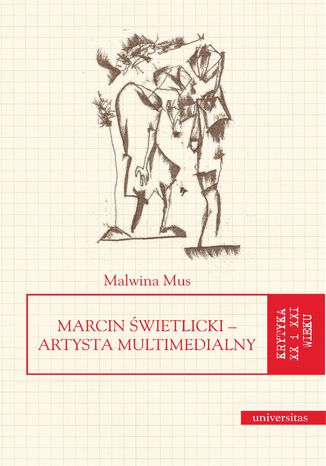
Można przyjąć, że w niniejszej książce stawiam sobie za cel opisanie działalności artystycznej Marcina Świetlickiego. Byłoby to jednak zamierzenie nazbyt rozległe, dlatego doprecyzujmy, że staram się uchwycić naczelną zasadę organizującą jego uniwersum artystyczne. Podstawową kategorią interpretacyjną jest dla mnie figura określona jako „osobowość artystyczna Marcina Świetlickiego” – tożsamość spajająca poszczególne działania artysty oraz figurę tekstową i rzeczywistą osobę. Oznacza to, że w obrębie moich zainteresowań znajdują się nie tylko wiersze i powieści autora Zimnych krajów, nie tylko jego piosenki i cały kontekst aktywności na muzycznej scenie niezależnej, ale również role filmowe, wypowiedzi medialne, sposób prezentowania się wobec publiczności (kreacja), całkiem zewnętrzny wizerunek (image), rysunki, teatralne adaptacje jego utworów itd. Punktem dojścia moich odczytań zawsze pozostaje jednak literatura. Podjęte badania szeroko wykraczające poza jej obszar są reakcją na zaobserwowane niezrozumienie lub negatywną ocenę niektórych wątków praktyki poetyckiej i powieściowej Świetlickiego, wynikające właśnie z ograniczenia się badaczy i krytyków do zakresu ściśle literackiego czy nawet – tekstowego. W tym kontekście moje stanowisko rysuje się następująco: można czytać pewne wiersze Świetlickiego autonomicznie, można skutecznie badać konkretne aspekty jego twórczości, ale nie sposób zrozumieć istoty jego propozycji artystycznej bez wychylenia się w stronę bogatej działalności pozaliterackiej. Malwina Mus – literaturoznawczyni, zajmuje się krytyką literacką oraz badaniem związków między literaturą a innymi dziedzinami sztuki. Przez lata współpracowała z portalem Popmoderna, członkini redakcji „Nowej Dekady Krakowskiej”. Współredaktorka serii wydawniczej Ścieżkami Pisarzy w Księgarni Akademickiej.

Tomasz Kunz
- wydaje im się, że mają swojego poetę. A ja odczekuję ironiczną, gorzką chwilę, krzywię się i tryumfalnie zaprzeczam. Marcin Świetlicki, Polska, z tomu Zimne kraje 1992 Literatura służy Świetlickiemu nie tyle do utwierdzania własnej tożsamości, ile raczej do przekształcania, poprawiania i przepisywania własnego życia w wielu równoległych wariantach. Pozwala zwielokrotniać możliwości, których pozbawia życie, gdy każe wybierać coś, kosztem czegoś innego. Rekompensuje stratę, która w porządku egzystencji jest nie do odkupienia. Z rozdziału I kto to mówi? Autor opowiada o twórczości Marcina Świetlickiego, omawiając kolejne książki poety, które czyta jak rozdziały rozpisanej na setki wierszy historii, niezwykle konsekwentnej "lirycznej autobiografii". Kunz wydobywa dla Czytelnika tę "tekstową" biografię, pod wieloma względami niezależną od biografii pisarza. Lustro literatury autokreacyjnej nie ukazuje tu realnego twórcy, ale pewien projekt osobowości, zwielokrotniony i niemożliwy do jednoznacznego zdefiniowania. Opowieść o tej osobnej twórczości snuje autor na tle rekonstruowanego kulturowego i społeczno-historycznego kontekstu, analizy głosów krytyki, najważniejszych sporów toczonych wokół Świetlickiego i najbardziej rozpowszechnionych sposobów jego odbioru. Nie zapomina także o innogatunkowych odmianach jego działalności pisarskiej (powieściach, piosenkach czy "mówionej autobiografii") ani o pozaliterackich, głównie muzycznych, formach jego aktywności twórczej. Wszystkie one składają się na jedyny w swoim rodzaju, fascynujący wizerunek łączący w sobie elementy quasi-autobiograficznej figury tekstowej, realnej osoby i medialnej kreacji.
Stanisław Jachowicz
Stanisław Jachowicz Bajki i powiastki Marcinek Do Józia Między grzecznemi dziećmi są czasem mazgaje, Jak ci się też Józiu zdaje, Czy dobrze na tem wychodzą? O! wierz mi, jak cię kocham, same sobie szkodzą. Marcinek, jak ty, malutki, O najmniejszą drobnostkę zaraz stroił dudki: Czy mu się co zapowiedziało, Czyli kiedy od mamy dostał czego mało. Czy kto nań palec zakrzywił, Zaraz się rzewnie roztkliwił; Zaraz beczał, zaraz ... Stanisław Jachowicz Ur. 17 kwietnia 1796 w Dzikowie (dziś dzielnica Tarnobrzega) Zm. 24 grudnia 1857 w Warszawie Najważniejsze dzieła: Rozmowy mamy z Józią służące za wstęp do wszelkich nauk, a mianowicie do gramatyki, ułożone dla pożytku młodzieży, Pisma różne wierszem Stanisława Jachowicza, Śpiewy dla dzieci, Rady wuja dla siostrzenic: (upominek dla młodych panien), Pomysły do poznania zasad języka polskiego, Ćwiczenia pobożne dla dzieci, rozwijające myśl, Podarek dziatkom polskim: z pozostałych pism ś. p. Stanisława Jachowicza, Upominek z prac Stanisława Jachowicza: bajki, nauczki, opisy, powiastki i różne wierszyki Poeta, bajkopisarz, pedagog, działacz charytatywny. Ukończył szkołę pijarów w Rzeszowie oraz gimnazjum w Stanisławowie. Studiował na wydziale filozoficznym na Uniwersytecie we Lwowie. Na studiach był współzałożycielem i wpływowym członkiem tajnego Towarzystwa Ćwiczącej się Młodzieży w Literaturze Ojczystej, a także inspiratorem i prezesem Towarzystwa Studenckiego Koła Literacko-Naukowego. Po studiach zamieszkał w Warszawie, gdzie objął posadę kancelisty w Prokuratorii Generalnej Królestwa Polskiego. Przystąpił do Związku Wolnych Polaków, po wykryciu którego otrzymał zakaz zajmowania posad rządowych. Wobec tego jego głównym zajęciem była praca pedagogiczna jako nauczyciela języka polskiego w domach i na prywatnych stancjach dla dziewcząt. Debiut literacki Jachowicza miał miejsce w 1818 r. w Pamiętniku lwowskim, gdzie opublikował bajki. Pierwszą książkę wydał w 1824 r. - zbiór bajek i powiastek pt. Bajki i powieści. Przez cztery kolejne lata ukazywały się rozszerzone wydania tego zbioru pod tym samym tytułem; w 1829 r. zbiór zawierał już 113 utworów. Jest autorem kilkuset wierszyków i powiastek dydaktyczno-moralizatorskich. Publikował również w periodykach pod własnym nazwiskiem lub pod pseudonimem Stanisław z Dzikowa. W 1829 r. redagował przez rok Tygodnik dla Dzieci. W W 1830 r. przy współudziale Ignacego Chrzanowskiego zaczął wydawać pierwsze w Europie codzienne pismo dla dzieci - Dziennik dla Dzieci. Publikowane przez niego gazety i książki miały wychowywać, ale też uczyć czytania, liczenia i historii. Zajmował się również opieką społeczną nad dziećmi. Kupując książkę wspierasz fundację Nowoczesna Polska, która propaguje ideę wolnej kultury. Wolne Lektury to biblioteka internetowa, rozwijana pod patronatem Ministerstwa Edukacji Narodowej. W jej zbiorach znajduje się kilka tysięcy utworów, w tym wiele lektur szkolnych zalecanych do użytku przez MEN, które trafiły już do domeny publicznej. Wszystkie dzieła są odpowiednio opracowane - opatrzone przypisami oraz motywami.
Jan Kochanowski
Jan Kochanowski Fraszki, Księgi trzecie Marcinowa powieść Ba, jeszcze raz, Marcinie! Więc powiem, tak było: Kilka osób na jednę salę się złożyło. Każdy z żoną. Wieczerzą potym odprawiwszy Szli spać. Ledwie się składli, kiedy co waśniwszy Na drugie tak zawoła: Panowie, czas wsiadać! A ci też (ale o tym nie trzeba powiadać). Po małej chwili zasię tenże się ozowie, Co i pierwej straż trzymał: Czas wsiadać, panowie! A panowie do siodeł. Ujechaw... Jan Kochanowski Ur. 6 czerwca 1530 r. w Sycynie koło Zwolenia Zm. 22 sierpnia 1584 r. w Lublinie Najważniejsze dzieła: Odprawa posłów greckich (1578), Psałterz Dawidów (parafrazy psalmów, 1579), Treny (1580), Fraszki (1584), Pieśni ksiąg dwoje (1586) Wybitny poeta polski okresu odrodzenia, którego twórczość odegrała ogromną rolę w rozwoju języka, literatury i kultury polskiej. Syn zamożnego ziemianina, studiował w Akademii Krakowskiej (1544-1547) oraz na uniwersytetach w Królewcu i Padwie (1555-1559). Podróżował po Włoszech i Francji, gdzie poznał poetów Plejady (Ronsard). Po powrocie do Polski dzięki biskupowi Myszkowskiemu rozpoczął karierę na dworze Zygmunta Augusta, w 1563 r. został sekretarzem królewskim. Ok. 1575 r. ożenił się i osiadł na wsi. Śmierć jednej z córek stała się pobudką do napisania oryginalnego cyklu trenów. Zmarł nagle na serce. W jego pogrzebie uczestniczył król Stefan Batory, kanclerz J. Zamojski i in. autor: Katarzyna Migdał Kupując książkę wspierasz fundację Nowoczesna Polska, która propaguje ideę wolnej kultury. Wolne Lektury to biblioteka internetowa, rozwijana pod patronatem Ministerstwa Edukacji Narodowej. W jej zbiorach znajduje się kilka tysięcy utworów, w tym wiele lektur szkolnych zalecanych do użytku przez MEN, które trafiły już do domeny publicznej. Wszystkie dzieła są odpowiednio opracowane - opatrzone przypisami oraz motywami.

Detlev von Liliencron
Marcowy dzień Cień obłoków nad polami żenie, Mgławych lasów modre z dali cienie. Wrzask wysoko z powietrza, na łęgi Powracają żurawie z włóczęgi. Już jaskółki w ciżbie świergotliwej Podlatują na szemrzące niwy. W dal trzepocą się, dziewko wesoła, Wstęgi. Szczęścia nikt nie przywoła. Szczęście krótkie spłynęło jak chmury, Poza wody szkliste, za góry. [...]Detlev von LiliencronUr. 3 czerwca 1844 r. w Kilonii Zm. 22 lipca 1909 r. w Alt-Rahlstedt pod Hamburgiem (dziś Hamburg-Rahlstedt) Najważniejsze dzieła: Der Heidegänger und andere Gedichte, Poggfred, Arbeit adelt, Pidder Lüng Właśc. baron Friedrich Adolf Axel Freiherr von Liliencron. Niemiecki poeta, prozaik i dramatopisarz. Urodzony w rodzinie szlacheckiej, syn duńskiego urzędnika celnego. Studiował w Erfurcie. W mundurze pruskiego kawalerzysty walczył w wojnie duńskiej i francusko-pruskiej. Z wojska odszedł w randze kapitana. Przez dwa lata podróżował po Ameryce, zarabiając na życie jako nauczyciel niemieckiego i gry na fortepianie. W 1879 rozstał się z żoną po roku małżeństwa, w 1899 ożenił się z chłopką. Pierwszy zbiór wierszy opublikował w 1883 r., potem wydawał dramaty i nowele, ale dopiero tomik liryki Der Heidegänger und andere Gedichte przyniósł mu uznanie. Od 1901 otrzymywał pensję cesarza Wilhelma II za zasługi pisarskie. W 1909 uniwersytet w Kiel przyznał mu doktorat honoris causa.Kupując książkę wspierasz fundację Nowoczesna Polska, która propaguje ideę wolnej kultury. Wolne Lektury to biblioteka internetowa, rozwijana pod patronatem Ministerstwa Edukacji Narodowej. W jej zbiorach znajduje się kilka tysięcy utworów, w tym wiele lektur szkolnych zalecanych do użytku przez MEN, które trafiły już do domeny publicznej. Wszystkie dzieła są odpowiednio opracowane - opatrzone przypisami oraz motywami.

Marcysia. Koniki z Szumińskich Łąk
Agnieszka Tyszka
Stajnia w Szuminie to niezwykłe miejsce. Tutaj kucyki i koniki każdej maści znajdą spokojną przystań i oddanych przyjaciół. Zapraszamy do Szumińskich Łąk! Opiekunki koników, Klara, Paulinka i Hania, odkrywają, że w zabytkowym pałacu Polickich dzieją się dziwne rzeczy. Tymczasem do Szumińskich Łąk przybywa Siwy, uroczy konik polski. Marcysia ma nadzieję, że znajdzie w nim bratnią duszę. Tymczasem opiekunki koników, Klara, Paulinka i Hania odkrywają, że w zabytkowym pałacu Polickich zaczynają się dziać bardzo dziwne rzeczy. [tylna strona okładki, Egmont Polska 2014] Przedstawiona w tej książce historia została bardzo dobrze zaprezentowana przez autorkę. Słownictwo jest bogate, czyste i pięknie brzmiące. Rzadko się spotyka książki dla dzieci pisane w sposób tak klasyczny. Fabuły nie są naciągane i nie ma tu żadnego zbytniego fantazjowania. Książka pokazuje, że również w małych miejscowościach, takich zabitych dechami, tkwi siła, urok i czar. Zachęca też również do innego spojrzenia na otaczającą nas przyrodę oraz pokazuje, że warto opiekować się zwierzętami. Pokazuje czytelnikowi, że warto angażować się w życie małej społeczności. [Beata, slowemmalowane.blogspot.com] Książka Agnieszki Tyszki uwrażliwia na przyrodę, zwierzęta i innych ludzi. Uczy empatii. Jest optymistycznie i pogodnie, mimo iż książka pokazuje życiowe, a nie abstrakcyjne problemy, np. utratę pracy przez rodzica czy nielegalne składowanie toksycznych odpadów. Przesłanie: "Gdy widzisz wokół siebie tylu serdecznych i życzliwych ludzi, nawet najgorsza sytuacja zaczyna wyglądać lepiej" brzmi niczym motto. Agnieszka Tyszka, przytaczając tradycje związane ze ślubami, festynami, świętami lub wypiekiem chleba udowadnia, że "pokryty kurzem" temat wsi czy biblioteki może okazać się dla młodego czytelnika ciekawy i atrakcyjny. A same opisywane miejsca to teren potencjalnie realnych przygód. Pokazują to także dokładne i jednoznaczne charakterystyki postaci - Hani i jej przyjaciółek - oraz koników polskich: Gucia, Rokiego i oczywiście tytułowej Marcysi. I to właśnie ona jest drugą narratorką książki! Jej refleksje wskazują na inny punkt widzenia. Ukazują inteligencję, zdolność obserwacji i wyciągania wniosków oraz niezaprzeczalne poczucie humoru (gdy np. wylicza zalety bycia brudasem). [Iwona Bednarczyk, czasdzieci.pl] Nota: przytoczone powyżej opinie są cytowane we fragmentach i zostały poddane redakcji. Tekst: Egmont Polska, Warszawa 2014. Projekt okładki: Katarzyna Kołodziej.

Herman Melville
The first major novel by Herman Melville. This is a combination of pamphlet and melodrama, ethnics and esoterics, psychology and memoirs, a detective and travel notes, philosophy and poetry, woven into the historical canvas of the mid-19th century. The main character finds himself in a metaphorical world, reflecting the appearance of the countries of the Old and New Worlds in the mirror of the societies of conditional Oceania, where each island has its own prototype or social model.