
Publisher: 16
Line Kyed Knudsen
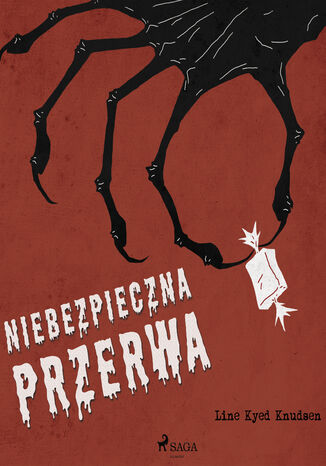
Jedzenie słodyczy w szkole jest zabronione. Ale Oliver i Villads łamią zakaz. Nie powinni byli tego robić! Nagle bowiem zapala się światło i do klasy wchodzi nauczycielka na zastępstwo. Ma na imię Ilse, sprawia wrażenie bardzo nieprzyjemnej i twierdzi, że nienawidzi dzieci, które jedzą słodycze. Oliver i Villads mają wyjątkowo złe przeczucia. Dlaczego pozostali uczniowie nie wrócili do klasy? I kim tak naprawdę jest ta Ilse?

Róża Lewanowicz
Łukasz jest funkcjonariuszem Centralnego Biura Śledczego, jego żona - Justyna - znajduje zatrudnienie w jednej z warszawskich korporacji. Z pozoru życie tej pary nie różni się wcale od życia zwykłych ludzi. Niespełnione marzenia o dziecku, kredyt na mieszkanie, kłopoty w pracy - nic nie wskazuje na to, że wkrótce cały ich świat wywróci się do góry nogami. Do czasu. Pewnego dnia Justyna zostaje porwana sprzed własnego domu, a nieznani sprawcy odjeżdżają w niewiadomym kierunku. Wszystko dzieje się na oczach bezradnego męża. Według policji uprowadzenie może mieć związek z pełnioną przez niego funkcją. Jednak w trakcie śledztwa wychodzą na jaw tajemnice, które Justyna chciała ukryć za wszelką cenę. Okazuje się, że Łukasz tak naprawdę nie zna przeszłości swojej żony. Kim w rzeczywistości jest bohaterka? Dlaczego jej nazwisko wzbudza emocje w kręgach wojskowych? Czy przedstawiciele najwyższych szczebli władzy są zamieszani w porwanie?

Róża Lewanowicz
Łukasz jest funkcjonariuszem Centralnego Biura Śledczego, jego żona - Justyna - znajduje zatrudnienie w jednej z warszawskich korporacji. Z pozoru życie tej pary nie różni się wcale od życia zwykłych ludzi. Niespełnione marzenia o dziecku, kredyt na mieszkanie, kłopoty w pracy - nic nie wskazuje na to, że wkrótce cały ich świat wywróci się do góry nogami. Do czasu. Pewnego dnia Justyna zostaje porwana sprzed własnego domu, a nieznani sprawcy odjeżdżają w niewiadomym kierunku. Wszystko dzieje się na oczach bezradnego męża. Według policji uprowadzenie może mieć związek z pełnioną przez niego funkcją. Jednak w trakcie śledztwa wychodzą na jaw tajemnice, które Justyna chciała ukryć za wszelką cenę. Okazuje się, że Łukasz tak naprawdę nie zna przeszłości swojej żony. Kim w rzeczywistości jest bohaterka? Dlaczego jej nazwisko wzbudza emocje w kręgach wojskowych? Czy przedstawiciele najwyższych szczebli władzy są zamieszani w porwanie?

Niebezpieczna sieć. True crime. Zbrodnie, które zaczęły się w internecie
Monika Prześlakowska
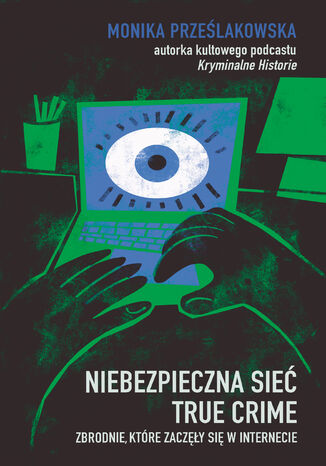
True crime w cyfrowych czasach Przestępstwa nie muszą się zaczynać w ciemnej uliczce. Czasem wystarczy jedno kliknięcie. Niebezpieczna sieć to wstrząsający zbiór historii, które odsłaniają kulisy zbrodni i nadużyć rodzących się w internecie: od cyberstalkingu, przez grooming, aż po morderstwa skrupulatnie zaplanowane w dark webie. Podcasterka true crime Monika Prześlakowska z reporterską precyzją opowiada o sprawach, które zaczęły się od niewinnej wiadomości albo niezdrowej fascynacji. Jak zleca się morderstwo własnego ojca? Czy model AI może popchnąć kogoś do samobójstwa? Czym jest pig butchering i jak nie dać się oszukać na amerykańskiego aktora? Każdy rozdział to osobna historia o tym, jak łatwo wpaść w pułapkę cyfrowego zła i jak trudno się z niej wydostać. W sieci nie zawsze jesteś bezpieczny. Szaleńcy również mają Wi-Fi. Monika Prześlakowska jedna z najbardziej rozpoznawalnych podcasterek true crime w Polsce. Jej Kryminalne historie co tydzień gromadzą wciąż powiększającą się rzeszę wiernych fanów, a kolejne odcinki osiągają dziesiątki tysięcy odtworzeń. Z zawodu jest psychodietetyczką, a jej wielką pasją są portrety psychologiczne morderców i zagadkowe zbrodnie. Opowiadając kolejne sensacyjne historie, zawsze dba o pierwiastek edukacyjny jej słuchacze dostają sporą dawkę wiedzy o tym, jak ustrzec się przed internetowymi naciągaczami albo jak uniknąć ryzykownych znajomości w sieci.
Niebezpieczna sieć. True crime. Zbrodnie, które zaczęły się w internecie
Monika Prześlakowska
True crime w cyfrowych czasach Przestępstwa nie muszą się zaczynać w ciemnej uliczce. Czasem wystarczy jedno kliknięcie. Niebezpieczna sieć to wstrząsający zbiór historii, które odsłaniają kulisy zbrodni i nadużyć rodzących się w internecie: od cyberstalkingu, przez grooming, aż po morderstwa skrupulatnie zaplanowane w dark webie. Podcasterka true crime Monika Prześlakowska z reporterską precyzją opowiada o sprawach, które zaczęły się od niewinnej wiadomości albo niezdrowej fascynacji. Jak zleca się morderstwo własnego ojca? Czy model AI może popchnąć kogoś do samobójstwa? Czym jest pig butchering i jak nie dać się oszukać na amerykańskiego aktora? Każdy rozdział to osobna historia o tym, jak łatwo wpaść w pułapkę cyfrowego zła i jak trudno się z niej wydostać. W sieci nie zawsze jesteś bezpieczny. Szaleńcy również mają Wi-Fi. Monika Prześlakowska jedna z najbardziej rozpoznawalnych podcasterek true crime w Polsce. Jej Kryminalne historie co tydzień gromadzą wciąż powiększającą się rzeszę wiernych fanów, a kolejne odcinki osiągają dziesiątki tysięcy odtworzeń. Z zawodu jest psychodietetyczką, a jej wielką pasją są portrety psychologiczne morderców i zagadkowe zbrodnie. Opowiadając kolejne sensacyjne historie, zawsze dba o pierwiastek edukacyjny jej słuchacze dostają sporą dawkę wiedzy o tym, jak ustrzec się przed internetowymi naciągaczami albo jak uniknąć ryzykownych znajomości w sieci.

Daniel Zimakoff
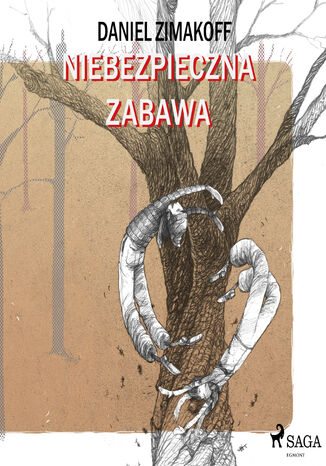
Noah i Carl nie mogą grać w gry komputerowe. Muszą iść na dwór i się bawić, mimo że na zewnątrz jest zimno. Ale co mają tam robić? W końcu Carl wpada na pomysł. Bardzo niebezpieczny pomysł. I oczywiście wszystko idzie nie tak jak powinno. W lesie wybucha pożar! Czy chłopcy zdobędą się na odwagę, żeby poprosić o pomoc zgorzkniałego, starego mężczyznę z wielkim, przerażającym psem? Niezwykle ciekawa opowieść, którą łatwo się czyta. Polecana głównie dla chłopców w wieku 7-9 lat.
Daniel Zimakoff
Noah i Carl nie mogą grać w gry komputerowe. Muszą iść na dwór i się bawić, mimo że na zewnątrz jest zimno. Ale co mają tam robić? W końcu Carl wpada na pomysł. Bardzo niebezpieczny pomysł. I oczywiście wszystko idzie nie tak jak powinno. W lesie wybucha pożar! Czy chłopcy zdobędą się na odwagę, żeby poprosić o pomoc zgorzkniałego, starego mężczyznę z wielkim, przerażającym psem? Niezwykle ciekawa opowieść, którą łatwo się czyta. Polecana głównie dla chłopców w wieku 7-9 lat.

Katarzyna Piątek
Życie to podstępna suka. Mellody, niegdyś radosna i pełna marzeń dziewczyna, z dnia na dzień stała się własnym cieniem. Jej życiem rządzi depresja. W dodatku przewrotny los na jej drodze postawił Kierana – chłopaka pracującego dla jednego z najniebezpieczniejszych ludzi w kraju, który budzi strach nie tylko wśród rówieśników, ale też w całym miasteczku. Czy powiązany ze światkiem przestępczym Kieran może stać się wybawieniem dla złamanej psychicznie dziewczyny? A może ta znajomość okaże się bardziej niebezpieczna niż dręczące ją demony?