
Видавець: 16
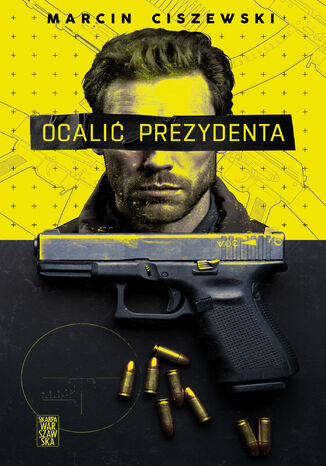
Marcin Ciszewski
Najnowsza powieść autora takich bestsellerów jak "Major" czy "Fantom"! Luty 2022 roku. Świat w przededniu wojny w Ukrainie. Ludwik Ferenc, oficer Służby Wywiadu Wojskowego stara się rozpracować Moskalewicza, pułkownika FSB, który zdecydował się przejść na polską stronę. Pułkownik zdradza plan zamachu na prezydenta Ukrainy. Gdy informacja okazuje się prawdziwa, wiarygodność Moskalewicza wzrasta. Dopiero jednak kolejna nowina jest prawdziwie przerażająca. Co naprawdę planuje Rosja i jakie mogą być konsekwencje dla Polski? Nadkomisarz Stanisław Krzeptowski przybywa incognito do Kijowa z misją wykrycia przecieku w polskiej ambasadzie. Trop wiedzie do małej komórki wywiadu, blisko współpracującego z ukraińskimi służbami specjalnymi. Tymczasem wybucha wojna: jednym z jej pierszych akordów jest zażarta, krwawa bitwa o lotnisko w Hostomelu. Rychło okazuje się, że stawka gry jest znacznie poważniejsza niż życie ukraińskiego prezydenta. Marcin Ciszewski zabiera nas do świata wielkiej polityki, zakulisowych działań i zapierającej dech w piersiach batalistyki, kreśląc scenariusz, który bardzo niebezpiecznie przypomina rzeczywistość.

Ireneusz Oslowski
Czy nasza przeszłość może być dla kogoś innego przyszłością? Ekspedycja kosmiczna Geminidów dociera na kraniec galaktyki, gdzie zostaje zaatakowana przez złowrogą rasę Anunnaków. Zmuszona do lądowania na nieznanej planecie, dąży do naprawy statku. Potrzebuje do tego superciężkiego pierwiastka. Szybko wprowadza też swoją rewolucję naukową, technologiczną i społeczną wśród zamieszkujących ją plemion. Bunt wśród Anunnakich, pragnących utrzymać niewolnictwo i rządy na planecie, z dnia na dzień przybiera na sile. Tymczasem Kuk, młody dowódca zespołu III, wraz ze swoimi przyjaciółmi szuka sposobu, by nauczyć miejscowych wszystkiego, co wie jego rasa, oraz udowodnić im, że technologia może dać im szansę na lepsze życie. Wkrótce okaże się, że ta wyprawa kosmiczna to tak naprawdę walka o przyszłość własną i miejscowych Ziemian... Przygody Kuka mogą rzucić trochę światła na powstanie piramid, Baalbek, rysunków na płaskowyżu Nazca, a także na to, co spotkało Sodomę, Gomorę, Mohendżo Daro i Dwarkę. Kuk wiedział, że w tej chwili Gosia Olimpu wykonuje błyskawiczne obliczenia sekwencji dla generatora grawitacyjnego, który stworzy w odległości około dwóch i pół tysiąca kilometrów od statku i w odpowiedniej kolejności punkty o masie trochę mniejszej od średniej wielkości gwiazdy, czyli około dwudziestu siedmiu kwadrylionów ton. Punkty te stworzą okrąg i przestrzeń, zamiast kolapsować, a więc zapaść się w czarną dziurę, stworzy im tunel czasoprzestrzenny, w który wlecą. Dokładnie o dziewiątej nic się jednak nie wydarzyło. Kuk zaobserwował tylko przez ekran w suficie holu, że przestrzeń przed nimi stała się wodnista, a gwiazdy w tym rejonie zaczęły falować.

Hanna Goworowska-Adamska
Wiele osób żyjących z psychopatą nawet nie zdaje sobie z tego sprawy. Uświadomienie sobie tego jest pierwszym krokiem długiej drogi do uzdrowienia. Jak wiele jest na świecie rodzin, które wydają się być szczęśliwe, poukładane i pełne miłości, a tymczasem za ścianami ich wygodnych domów rozgrywa się prawdziwy dramat? Bohaterka Ocalić siebie opowiada historię jednej z takich rodzin. Wychowana przez ojca-tyrana, wraz z matką i siostrą doświadczyła każdego możliwego rodzaju przemocy: fizycznej, psychicznej i ekonomicznej. Po latach próbuje zrzucić z siebie ciężar negatywnych emocji, szukając wsparcia w swojej własnej, nowej rodzinie. Ta wstrząsająca opowieść to przestroga dla wszystkich tych, którzy tkwią w związku z osobą aspołeczną, psychopatyczną, narcystyczną. To również ważny głos zachęcający do walki o własne szczęście, godność i wolność - dla osób uwikłanych w toksyczne relacje i chcących znaleźć siłę, by je przerwać. Hanna Goworowska-Adamska (ur. 1959) pisarka, anglistka, egiptolożka, aktywistka społeczna oraz tłumaczka.

Eva Minge
Niektóre długi spłacają ci, którzy ich nie zaciągnęli. Sześć lat po dramatycznych wydarzeniach w Nowym Jorku Zofia i Oliwia próbują zbudować nowe życie. Odnalazły spokój i poczucie bezpieczeństwa, ale przeszłość wciąż rzuca cień na każdy ich krok. Oliwia dorosła i wyjeżdża na wymarzone studia artystyczne do Paryża. Tam wchodzi w świat młodej bohemy, wielkiej sztuki, niebezpiecznych fascynacji i ludzi, którzy przekraczają granice w imię pragnień, pieniędzy i władzy. Zofia tymczasem związała się z Michaelem i rozwinęła w Warszawie własne atelier. Szyje kreacje dla możnych tego świata i właśnie szykuje się do ważnego pokazu w Paryżu. Ale za pięknymi strojami, wystawnymi wnętrzami, aukcjami sztuki i olśniewającym życiem wpływowych ludzi kryje się ciemność. Świat modelingu znów wyciąga macki po Oliwię, a perspektywa łatwego zarobku okazuje się pułapką. Ludzie, którzy przed laty chcieli ją skrzywdzić, nie zapomnieli. Czekali tylko na właściwy moment, a zemstę planowali latami. To powieść o brudnym świecie pozornie pięknych ludzi, o niebezpiecznych relacjach, głodzie miłości i kobietach, które muszą walczyć o siebie, zwłaszcza gdy przeciwnik dawno przestał grać uczciwie. Eva Minge jedna z najbardziej znanych na świecie polskich projektantek mody. Artystka, miłośniczka piękna. Na swoim profilu na Instagramie komentuje ważne zjawiska społeczne i staje w obronie osób atakowanych medialnie. Działa na rzecz osób z niepełnosprawnością. W 2015 roku założyła Fundację Black Butterflies, która stawia sobie za cel pomoc osobom chorym przewlekle i onkologicznie. Karierę kreatorki mody zaczynała na początku lat 90. Jej kolekcje prezentowane były na pokazach w Mediolanie, Nowym Jorku, Paryżu, Rzymie, Montrealu, Moskwie i Dubaju. W 2003 roku jako jedyna projektantka z Polski przedstawiła swoje kreacje na słynnych Schodach Hiszpańskich w Rzymie podczas Donna sotto le stelle.

Karol May
„Ocalone miliony” to dziesiąty tom z 11-tomowego cyklu przygodowego „Szatan i Judasz”, autorstwa Karola Maya. Winnetou - szlachetny indiański wódz, wraz z innymi znanymi i lubianymi bohaterami z powieści Karola Maya, odbywa szalone podróże, przeżywa ekscytujące przygody i podejmuje ryzyko w walce z otaczającymi go wrogami. W skład cyklu „Szatan i Judasz” wchodzą: TOM I - ŚWIĘTY DNIA OSTATNIEGO TOM II - YUMA SHETAR TOM III - THE PLAYER TOM IV - KLĘSKA SZATANA TOM V - WINNETOU W AFRYCE TOM VI - DŻEBEL MAGRAHAM TOM VII - DOLINA ŚMIERCI TOM VIII - U STÓP PUEBLA TOM IX - JASNA SKAŁA TOM X - OCALONE MILIONY TOM XI - ŚMIERĆ JUDASZA
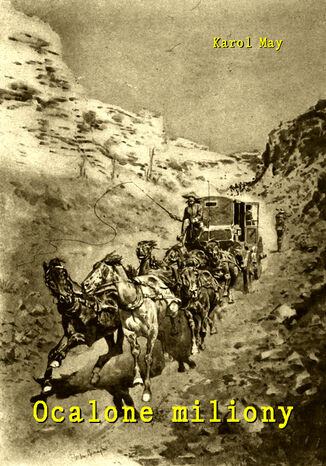
Karol May
Karol May w swoim utworze "Ocalone Miliony: Cykl Szatan i Judasz" kontynuuje przygody znanych bohaterów, którzy przemierzają świat gotowi pomagać w najtrudniejszych sytuacjach. Tym razem stają nad obozem, jednak noc sprawia, że trudno jest rozpoznać konkretne namioty. Melton i lady są gdzieś tam, ale ich dokładne położenie jest zagadką. Postanawiają podjąć ryzyko i przekroczyć granice obozu przez wodę, choć otaczają go liczni strażnicy. To, co ich napotka, z pewnością przyciągnie uwagę czytelnika, gdyż akcja toczy się w mroku, a bohaterowie muszą działać ostrożnie, aby nie zostali zdemaskowani. Ale to dopiero początek znakomitej, intrygującej powieści!
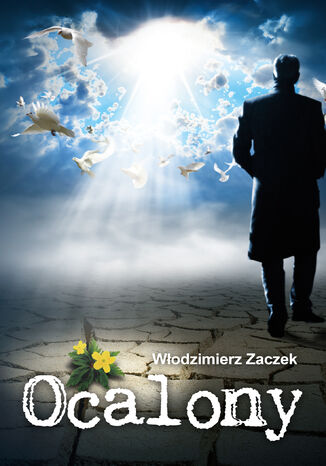
Włodzimierz Zaczek
Ocalony to wciągająca i sprawnie napisana powieść, której bohater-pisarz pewnego dnia dostaje nietypowe zlecenie. Ma napisać biografię tajemniczego nieznajomego, a opublikować ją może dopiero po jego śmierci. Początkowo wydaje się, że to historia, jakich tysiące: osierocenie, wojna, emigracja, miłość i w końcu wielka fortuna. Jednak z czasem okazuje się, że gdyby nie tajemnicza postać, która pojawia się w najgroźniejszych momentach, życie pobiegłoby zupełnie innym torem...
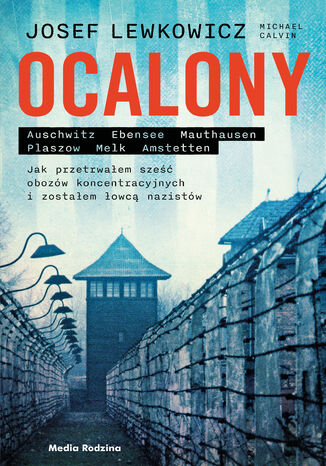
Josef Lewkowicz, Michael Calvin
Jedna z ostatnich nieopowiedzianych jeszcze wielkich historii Holokaustu. Ocalony" to zapierająca dech w piersiach opowieść o niepokonanym harcie ducha, nieugiętej wierze i nadludzkiej odwadze, które przetrwały w obliczu prawdziwego zła. Josef Lewkowicz jako szesnastolatek stał się tylko numerem obozowym: więźniem 85 314. Zmuszany do ciężkiej pracy w nieludzkich warunkach bezustannego zagrożenia przemocą i śmiercią, Josef był świadkiem niewypowiedzianego okrucieństwa, którego doświadczał w sześciu najstraszniejszych nazistowskich obozach koncentracyjnych: KL Plaszow, Auschwitz, Mauthausen, Ebensee, Melk i Amstetten. Wykonywał przymusową pracę w kopalni soli, był zmuszany do forsownych marszów, widział zbiorowe egzekucje w Amstetten, gdzie więźniów wykorzystywano jako żywe tarcze, próbując powstrzymać alianckie bombardowania. Kiedy nadeszła wolność, okazało się, że z jego liczącej ponad 150 osób rodziny ocalał tylko on. Pchany potrzebą wyrównania krzywd, dołączył do żydowskiej policji i dbał o porządek w obozie dla przymusowo przesiedlonych, a następnie jako członek wywiadu wojskowego armii Stanów Zjednoczonych dowodził niewielką grupą oficerów poszukujących ukrywających się nazistowskich zbrodniarzy. Odegrał kluczową rolę w zidentyfikowaniu i postawieniu przed sądem Rzeźnika z Plaszowa, Amona Götha, w postać którego w filmie Lista Schindlera wcielił się Ralph Fiennes. Poświęcił się też ratowaniu osieroconych dzieci ofiar Holokaustu. Wciągająca, zniewalająca i poruszająca historia. Josef Lewkowicz jest bohaterem w każdym możliwym znaczeniu tego słowa. Ocalony jednocześnie przeraża nas i inspiruje. Pozycja obowiązkowa! Tova Friedman, autorka Byłam dzieckiem z Auschwitz