
Wydawca: 16

(Oddycha miasto ciemne długimi wiekami...)
Krzysztof Kamil Baczyński
Krzysztof Kamil Baczyński (Oddycha miasto ciemne długimi wiekami) Oddycha miasto ciemne długimi wiekami, spowiada miasto ciemne dawnych grobów żałość; rozrąbane żelazem, utulone snami, nie nasycone płaczem, nie spełnione chwałą. Nie wierz, jeżeli ci się ulice pogłębią i staną się jak otchłań, w której śmierć się przyśni, powierz swą myśl mieniącym się nad nią gołębiom i obłokom kwitnącym jak gałęzie wiśni, i chmurom, które zawsze te same tam, w górze, jak oblicze tę... Krzysztof Kamil Baczyński Ur. 22 stycznia 1921 r. w Warszawie Zm. 4 sierpnia 1944 r. w Warszawie Najważniejsze dzieła: Pokolenie, Historia, Bez imienia, Dwie miłości, Z głową na karabinie Poeta, rysownik. Twórczość poetycką rozpoczął już jako uczeń gimnazjum im. Stefana Batorego w Warszawie, gdzie w 1939 r. zdał maturę. Związany ze środowiskiem młodzieży lewicowej, m.in. z organizacją Spartakus działającą półlegalnie w szkołach średnich. W czasie okupacji niemieckiej zbliżył się do ugrupowań socjalistycznych, wydających podziemne pisma Płomienie i Droga. Od 1943 r. uczestniczył w tajnych kompletach polonistycznych, w tymże roku wstąpił do Harcerskich Grup Szturmowych, które stały się zalążkiem batalionu AK Zośka oraz ukończył konspiracyjną szkołę podchorążych rezerwy. Uczestnik powstania warszawskiego; poległ w walce przy Placu Teatralnym (Pałac Blanka); w parę tygodni później zginęła w powstaniu żona poety Barbara, którą poślubił w 1942 r. Nie licząc dwóch zbiorków odbitych na hektografie w 7 egzemplarzach w 1940 r. i kilku wierszy w antologiach Pieśń niepodległa i Słowo prawdziwe, zdążył ogłosić, pod pseudonimem Jan Bugaj, dwa konspiracyjne zbiory: Wiersze wybrane (1942) i Arkusz poetycki (1944) wydane nakładem Drogi. W 2018 roku został pośmiertnie odznaczony Krzyżem Komandorskim Orderu Odrodzenia Polski. Kupując książkę wspierasz fundację Nowoczesna Polska, która propaguje ideę wolnej kultury. Wolne Lektury to biblioteka internetowa, rozwijana pod patronatem Ministerstwa Edukacji Narodowej. W jej zbiorach znajduje się kilka tysięcy utworów, w tym wiele lektur szkolnych zalecanych do użytku przez MEN, które trafiły już do domeny publicznej. Wszystkie dzieła są odpowiednio opracowane - opatrzone przypisami oraz motywami.

Abbi Glines
Co się stanie, gdy dwoje ludzi z różnych światów połączy prawdziwa miłość? Sadie White od dłuższego czasu jest przytłoczona życiowymi problemami. Sama opiekuje się domem oraz ciężarną matką. Zupełnie nie przypomina swoich rówieśniczek, które bez przerwy przywiązują dużą wagę do błahostek. W trakcie wakacji dziewczyna znajduje pracę w prywatnej willi słynnego rockmana. W nowym miejscu przeżyje coś, czego nigdy się nie spodziewała... Jax Stone, popularny muzyk i zarazem łamacz kobiecych serc, szuka schronienia przed najzagorzalszymi fanami. W tym celu udaje się do swojej ekskluzywnej posiadłości na prywatnej wyspie. Ku jego zdziwieniu poznaje tam piękną, młodą nieznajomą - Sadie. Między nimi od razu rodzi się gorące uczucie. "Oddychaj mną" autorstwa Abbi Glines to romantyczna opowieść o nieokiełznanych emocjach, przełamywaniu własnych barier i poszukiwaniu osobistego szczęścia.

Abbi Glines
Co się stanie, gdy dwoje ludzi z różnych światów połączy prawdziwa miłość? Sadie White od dłuższego czasu jest przytłoczona życiowymi problemami. Sama opiekuje się domem oraz ciężarną matką. Zupełnie nie przypomina swoich rówieśniczek, które bez przerwy przywiązują dużą wagę do błahostek. W trakcie wakacji dziewczyna znajduje pracę w prywatnej willi słynnego rockmana. W nowym miejscu przeżyje coś, czego nigdy się nie spodziewała... Jax Stone, popularny muzyk i zarazem łamacz kobiecych serc, szuka schronienia przed najzagorzalszymi fanami. W tym celu udaje się do swojej ekskluzywnej posiadłości na prywatnej wyspie. Ku jego zdziwieniu poznaje tam piękną, młodą nieznajomą - Sadie. Między nimi od razu rodzi się gorące uczucie. "Oddychaj mną" autorstwa Abbi Glines to romantyczna opowieść o nieokiełznanych emocjach, przełamywaniu własnych barier i poszukiwaniu osobistego szczęścia.

Marta Podgórnik
Marta Podgórnik Próby negocjacji oddział leżę tu i co chwila sięgam między uda. można od tego oszaleć. pościel się lepi do skóry jak nasączone klejem tapety do porowatych ścian. te wszystkie wydzieliny ślina na poduszce, ropa w kącikach oczu, czasem, rzadziej, krew. i słowa. to nie jest naturalne pisać wiersze, ktoś powiedział. łazienka ja... Marta Podgórnik ur. 1979 Najważniejsze dzieła: Próby negocjacji (1996), Rezydencja surykatek (2011), Zawsze (2015) Poetka, krytyczka literacka, redaktorka związana z wydawnictwem Biuro Literackie. W Tekstyliach, czyli książce omawiającej na bieżąco młodą literaturę w 2002 roku, jej styl nazwano lirycznym ekshibicjonizmem. Dalsze tomiki udowodniły, że to tylko część prawdy. W swoich wierszach Podgórnik łączy wyrafinowanie formalne, grę z popkulturą i tradycyjnie pojęte wyrażanie siebie (to jest pisanie o własnych dramatach uczuciowych). Podobna mieszanka jest jednak niemożliwa do zrealizowania, jako że stylizacje i biegłość techniczna zakładają dystans z definicji uniemożliwiający mówienie wprost. Wobec tego poezji Marty Podgórnik nie opuszcza napięcie między lirycznym wyznaniem a jego ironicznym pastiszem. Kupując książkę wspierasz fundację Nowoczesna Polska, która propaguje ideę wolnej kultury. Wolne Lektury to biblioteka internetowa, rozwijana pod patronatem Ministerstwa Edukacji Narodowej. W jej zbiorach znajduje się kilka tysięcy utworów, w tym wiele lektur szkolnych zalecanych do użytku przez MEN, które trafiły już do domeny publicznej. Wszystkie dzieła są odpowiednio opracowane - opatrzone przypisami oraz motywami.
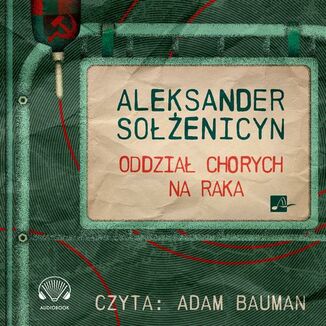
Aleksander Sołżenicyn
Oddział chorych na raka jest nie tylko historią cierpienia i zmagania się z okrutną chorobą, jest też alegorią państwa totalitarnego, a dwaj główni bohaterowie są uosobieniem różnych postaw obywateli, którym przyszło żyć w sowieckiej rzeczywistości. Oleg Kostogłotow pacjent z wyrokiem dożywotniego zesłania do obozu pracy i Paweł Rusanow wysoko postawiony prominent trafiają na ten sam oddział w szpitalu. Ich skrajnie rożne podejście do życia i odmienny sposób radzenia sobie z chorobą stanowią trzon powieści. Oddział chorych na raka to opowieść o nadziei, historia strachu, kronika życia, studium choroby, celna diagnoza państwa totalitarnego, to po prostu książka, którą warto i trzeba poznać. Książka długo zakazana w ZSRR została oparta na osobistych przeżyciach autora, który w roku 1953 po pobycie w łagrze trafił do szpitala z wyrokiem śmierci, i który po operacji, nawrocie choroby, w końcu ją pokonał. Aleksander Sołżenicyn był jawnym krytykiem ustroju radzieckiego co znalazło odzwierciedlenie w jego twórczości. Został za to pozbawiony obywatelstwa i wydalony na długie lata z ojczyzny. W 1970 roku otrzymał literacką Nagrodę Nobla za całokształt twórczości. Jeśli nie potrafisz wykorzystać minuty, to zmarnujesz i godzinę, i cały dzień, i całe życie! To nie dobrobyt czyni nas szczęśliwymi, lecz dobroć i sposób widzenia własnego życia. I jedno, i drugie zawsze zależy od nas samych: człowiek zawsze może być szczęśliwy, jeśli tylko tego zechce, i nikt nie jest w stanie mu przeszkodzić.
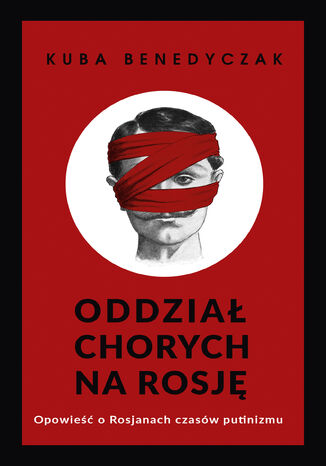
Oddział chorych na Rosję. Opowieść o Rosjanach czasów putinizmu
Jakub Benedyczak
BEZKOMPROMISOWY OBRAZ ZDEZOLOWANEGO IMPERIUM NA HAJU Jak to możliwe, że kraj, gdzie 22% mieszkańców nie ma w domu normalnej toalety, straszy cały świat bronią atomową? Jak wyglądają relacje między ludźmi w społeczeństwie, które cierpi na zbiorowy zespół stresu pourazowego? Czy Nawalny mógł zmienić Rosję w demokratyczne państwo? Kuba Benedyczak patrzy na Rosję bez uprzedzeń, sentymentów i kompromisów. Nie boi się weryfikować opinii, które od zawsze były przyjmowane na Zachodzie i w Polsce jako pewnik. W jego opowieści przenikają się głosy rosyjskich demokratów i nazioli, echom prozy Dostojewskiego towarzyszy beat techno-terrorystów z IC3PEAK, a przewodnikami po rosyjskiej rzeczywistości są zarówno autor przemówień Putina, jak i moskiewska prostytutka. Dzięki temu autor jest w stanie dokonać wiwisekcji siedmiu chorób głównych, na które cierpią Rosjanie. Rosja to dla Benedyczaka kraj, który jest niczym kokainista na haju. Za kreskę imperialnej kokainy zgodzi się na każde szaleństwo swoich przywódców. ODDZIAŁ CHORYCH NA ROSJĘ TO PRZERAŻAJĄCA DIAGNOZA SPOŁECZEŃSTWA ZŁAMANEGO PRZEZ PUTINIZM.

Oddział chorych na Rosję. Opowieść o Rosjanach czasów putinizmu
Jakub Benedyczak
BEZKOMPROMISOWY OBRAZ ZDEZOLOWANEGO IMPERIUM NA HAJU Jak to możliwe, że kraj, gdzie 22% mieszkańców nie ma w domu normalnej toalety, straszy cały świat bronią atomową? Jak wyglądają relacje między ludźmi w społeczeństwie, które cierpi na zbiorowy zespół stresu pourazowego? Czy Nawalny mógł zmienić Rosję w demokratyczne państwo? Kuba Benedyczak patrzy na Rosję bez uprzedzeń, sentymentów i kompromisów. Nie boi się weryfikować opinii, które od zawsze były przyjmowane na Zachodzie i w Polsce jako pewnik. W jego opowieści przenikają się głosy rosyjskich demokratów i nazioli, echom prozy Dostojewskiego towarzyszy beat techno-terrorystów z IC3PEAK, a przewodnikami po rosyjskiej rzeczywistości są zarówno autor przemówień Putina, jak i moskiewska prostytutka. Dzięki temu autor jest w stanie dokonać wiwisekcji siedmiu chorób głównych, na które cierpią Rosjanie. Rosja to dla Benedyczaka kraj, który jest niczym kokainista na haju. Za kreskę imperialnej kokainy zgodzi się na każde szaleństwo swoich przywódców. ODDZIAŁ CHORYCH NA ROSJĘ TO PRZERAŻAJĄCA DIAGNOZA SPOŁECZEŃSTWA ZŁAMANEGO PRZEZ PUTINIZM.

Oddział dla zuchwałych. Nieznana historia SAS 1941-1945
Ben Macintyre
Emocjonująca opowieść o narodzinach elitarnej jednostki, która odmieniła oblicze wojny. Lato 1941 roku. W samym sercu pustynnej zawieruchy młody, niepokorny oficer David Stirling wpada na pomysł tak szalony, że mógłby odmienić losy całego konfliktu. Chce stworzyć niewielką, działającą w ukryciu grupę komandosów, zdolnych uderzać tam, gdzie wróg najmniej się tego spodziewa. Pomysł sprzeczny z regulaminem, logiką i zdrowym rozsądkiem, ale wystarczająco genialny, by zainteresować samego Winstona Churchilla. Tak narodził się SAS, czyli Special Air Service, najbardziej legendarna i owiana tajemnicą jednostka specjalna świata. Po 75 latach milczenia SAS po raz pierwszy otwiera swoje archiwa. Historyk Ben Macintyre otrzymuje pełny dostęp do niepublikowanych raportów, listów, pamiętników, map i fotografii oraz możliwość rozmów z ostatnimi żyjącymi żołnierzami oddziału. Efektem jest książka, która wciąga jak najlepsza powieść sensacyjna, a jednocześnie odsłania prawdę bardziej niezwykłą niż fikcja. To opowieść o odwadze i brawurze, o mrocznych kosztach wojny, o ludziach, którzy ryzykowali wszystko, by dokonać niemożliwego. Historia buntownika, który powołał do życia elitarną jednostkę i zrewolucjonizował operacje specjalne. Idealna dla miłośników historii II wojny światowej, operacji specjalnych, militariów i prawdziwych opowieści o bohaterstwie.