
Publisher: 16
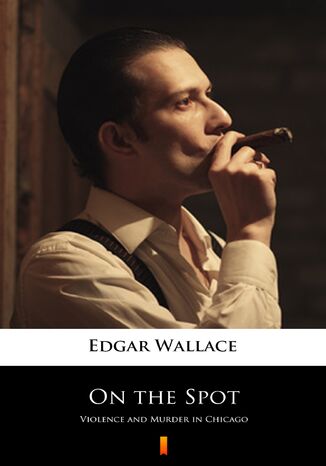
On the Spot. Violence and Murder in Chicago
Edgar Wallace
Set in Chicago, and written in 1931 by Edgar Wallace, On the Spot truly reflects the horror of gang life in Prohibition Chicago. Tony Perelli, the gang boss, recruits men for his gang and women for his bed with the same ruthlessness and rapidly arranges for their disposal when they become a nuisance. But Minn Lee, the half-Chinese widow, is a little too much for him, and as she gradually learns the extent of his treachery, she plans a revenge... The constant threat of death, the interaction between cops and gangsters, love gone wrong, love gone right, loss of youth, bootlegging, prostitution... its all here and beautifully handled by Edgar Wallace.

On the stock exchange - Na giełdzie
Praca zbiorowa
Seria kieszonkowych poradników językowo-biznesowych pomoże Ci poszerzyć słownictwo i wiedzę w różnych dziedzinach. Książeczki zawierają tematycznie zgromadzone pojęcia i zagadnienia, a także ich tłumaczenia. Bądź specjalistą w swojej dziedzinie, również w kręgach obcojęzycznych! Autor: Daria Frączek Słownictwo poświęcone Giełdzie. Przykład: oversold - an asset or market which is at an artificially low price level due to excessive selling - nadmiernie wyprzedany
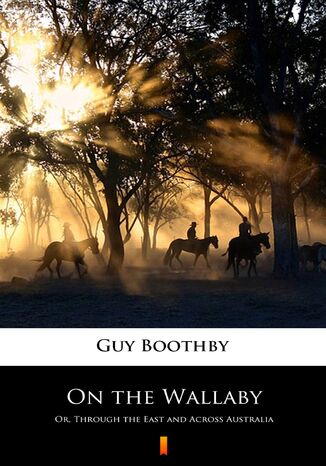
On the Wallaby. Or, Through the East and Across Australia
Guy Boothby
A prolific Australian novelist, Guy Boothby was noted for sensational fiction in variety magazines around the end of the nineteenth century. In 1894 he published On the Wallaby; or, Through the East and Across Australia, an account of the travels of himself and his brother, including a description of their journey across Australia from Cooktown to Adelaide. He wrote over 50 books over the course of a decade.
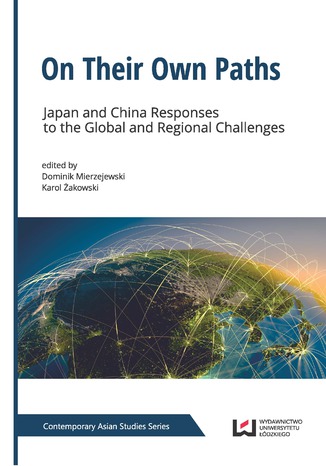
On Their Own Paths. Japan and China Responses to the Global and Regional Challenges
Dominik Mierzejewski, Karol Żakowski
The volume discusses the importance of power shift and dilemmas related to the power transition in East Asia. After the Cold War carne to a close, East Asia has attested profound power shifts resulting from the sudden rise of China. Beijing had already attained the status of a political power in 1971, when it replaced Taipei as a permanent member of the United Nations Security Council, but it is the economic reforms that to a much greater extent decided China’s international position. The path of free-market-oriented changes and opening up to the external world was maintained even after the Tiananmen crackdown in 1989. Since the 1990s Beijing has started displaying an increased assertiveness in foreign policy. China not only exerted pressure on Taipei in the Taiwan Strait crisis in 1995/1996, but also became antagonized with Japan and Southeast Asia n states due to the unshelving of territorial disputes in the East and South China Seas. The balance of power in the region was ever increasingly challenged by China's growing military budget. Moreover, Tokyo was increasingly concerned with the strengthening of anti-Japanese nationalism in China. In 2010 China’s GDP exceeded the one of Japan, which symbolized the transition of the center of power in the region from Tokyo to Beijing.

Agnieszka Wolny-Hamkało
Agnieszka Wolny-Hamkało Nikon i Leica ona wiatr nam urywa ogniki, uschłe papierosy: nasze czarne czułki palczaste. sztywne przedszkolanki ciaśniej wiążą szaliki dziewczynkom (plując tiktakami, detonują miętę). nasze pueblo wygląda jak tarta: w metrze kebabu ... Agnieszka Wolny-Hamkało ur. 1979 Najważniejsze dzieła: Mocno poszukiwana (1999), Lonty (2001), Spamy miłosne (2007), Nikon i Leica (2010), Zaćmienie (2013), 41 utonięć (2015) Poetka, krytyczka literacka i publicystka. Współpracowała m.in. z Gazetą Wyborczą, Przekrojem, Przeglądem, Bluszczem i portalem Polskiego Radia. Nominowana do Nagrody Literackiej Gdynia, nagrody kulturalnej Gazety Wyborczej wARTo, nagrody mediów publicznych Cogito za tom Spamy miłosne. Laureatka konkursu im. Stowarzyszenia Pisarzy Polskich za tom Lonty. Autorka powieści 41 utonięć oraz Zaćmienie. Krytyczna Anna Kałuża porównywała jej wczesne wiersze do twórczości Marty Podgórnik, w późniejszych dostrzegała zaś tendencję do porządkowania świata i przekazu. Kupując książkę wspierasz fundację Nowoczesna Polska, która propaguje ideę wolnej kultury. Wolne Lektury to biblioteka internetowa, rozwijana pod patronatem Ministerstwa Edukacji Narodowej. W jej zbiorach znajduje się kilka tysięcy utworów, w tym wiele lektur szkolnych zalecanych do użytku przez MEN, które trafiły już do domeny publicznej. Wszystkie dzieła są odpowiednio opracowane - opatrzone przypisami oraz motywami.
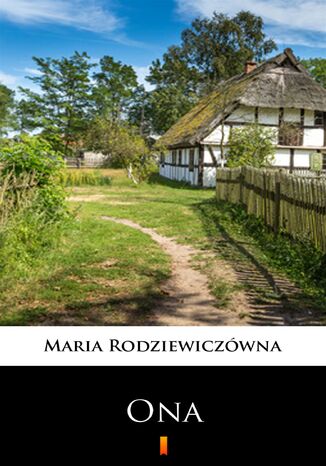
Maria Rodziewiczówna
Ona to historia wielkiej miłości i ogromnego cierpienia. Tytułowa ona to panienka Konstancja Skowrońska, nazywana Kostusią. Jest sierotą wychowywaną przez wujostwo. W majątku swoich opiekunów mieszka od małego. Od najwcześniejszych lat pracą odwdzięcza się, jak może, za dobroć, jaką otrzymuje od zamożnych krewnych. Z biegiem czasu przejmuje coraz więcej obowiązków. Gdy ją poznajemy, ma osiemnaście lat, a na głowie cały dom. Stara się puszczać mimo uszu uszczypliwości, jakie padają ze strony członków przybranej rodziny. Nie przyjdzie jej też do głowy myśl, że rodzina ją wykorzystuje. Pewnego dnia w życie Kostusi wkracza Sewer Stamierowski. Jest to człowiek tak samo samotny jak ona, mężczyzna ograbiony ze swego dziedzictwa przez zachłannego ojczyma. Młodzi zakochują się w sobie. Los nie jest jednak dla nich łaskawy. Do uszu wuja Kostusi dochodzą plotki kompromitujące młodych. W tym samym czasie ojczym Sewera wykorzystuje wybuch porywczego pasierba i zamyka go w lamusie. Kostusia dopiero po miesiącu dowiaduje się, jaka tragedia spotkała jej ukochanego. Prośby o ratunek dla Sewera nie przynoszą rezultatu. Samotna dziewczyna, która nie może liczyć na nikogo, decyduje się na dramatyczny krok. Razem z wierną mamką odchodzi z dworu, wydostaje wyniszczonego Stamierowskiego z jego więzienia i rusza na poniewierkę po świecie... Ona to wzruszający romans, historia, jakich obecnie się nie spotyka opowieść o bezinteresownym poświęceniu, wierności i stałości uczuć.

Maria Rodziewiczówna
Życie tytułowej bohaterki, Konstancji Skowrońskiej od dzieciństwa naznaczone było cierpieniem. Kostusia jest sierotą od małego wychowywaną przez wujostwo. Codzienną pracą stara się odwdzięczyć krewnym za opiekę. W wieku osiemnastu lat prowadzi niemal całe gospodarstwo. Stara się nie brać do siebie uszczypliwych słów, padających ze strony rodziny. Kiedy poznaje Sewera Stamierowskiego jej serce przyspiesza. Mężczyzna, podobnie jak Kostusia cierpi na samotność. Jego zachłanny ojczym pozbawił go dziedzictwa. Kostusia ma nadzieję, że wuj pobłogosławi jej związkowi z Sewerem. Staje się jednak inaczej... Na drodze dziewczyny pojawi się wiele przeciwności, które będzie musiała pokonać w imię miłość do ukochanego.
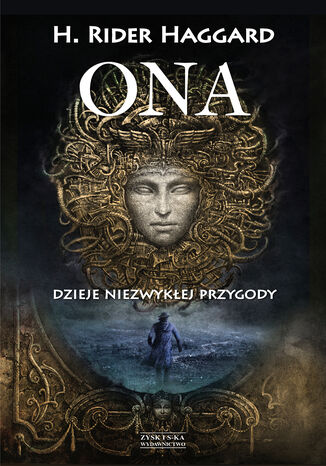
H. Rider Haggard
Fascynująca książka pełna ukrytych znaczeń Sigmund Freud Ona to opowieść o wykładającym w Cambridge profesorze Hollym i jego podopiecznym Leo Vinceyu i ich podróży do zagubionego gdzieś w afrykańskim interiorze królestwa. Impulsem do wyprawy staje się tajemnicza paczka zostawiona Leo przez ojca z poleceniem, aby otworzono ją dopiero w jego dwudzieste piąte urodziny. W pakunku bohaterowie znajdują resztki starych glinianych skorup oraz dokumenty, które sugerują, iż z rodem Vinceyów wiąże się jakaś pradawna tajemnica. Profesor Holly i Leo po licznych tarapatach docierają do królestwa we wschodniej Afryce, gdzie prymitywnymi krajowcami włada biała królowa Ayesha, która panuje jako wszechwładna Ona, a którą z młodym Leo łączą jakieś zagadkowe więzy Wydana w roku 1887 powieść Ona H. Ridera Haggarda, która natychmiast stała się bestsellerem, wiktoriańska podróżnicza powieść grozy, to jedna z najsilniej oddziałujących powieści we współczesnej literaturze. O tym, jak wielki wpływ miała na ich twórczość, zwierzali się tacy autorzy jak Rudyard Kipling, Henry Miller, Graham Greene, J.R.R. Tolkien czy Margaret Atwood. Ze względu na swe bogactwo znaczeniowe powieść cieszyła się wielkim zainteresowaniem psychoanalityków - odwołania do niej znalazły się w koncepcjach Sigmunda Freuda i Carla Junga, dla którego Ona była uosobieniem archetypu Animy. Z kolei wątki fantastyczne stały się inspiracją dla wielu opowieści o zaginionych cywilizacjach m.in. Edgara Rice Burroughsa i Arthura Conan Doylea, czy wymyślania mitów o nieistniejących krainach w rodzaju Shangri-La, ale również wywarły wielki wpływ na klasyczne opowieści fantastyki mistycznej: Władcę Pierścieni Tolkiena i Opowieści z Narnii C.L.Lewisa.