
Видавець: 16

Ignacy Krasicki
Ignacy Krasicki Bajki i przypowieści Paw i orzeł Paw się dął, szklniące pióra gdy wspaniale toczył. Orzeł górnie bujając, gdy go w locie zoczył, Rozśmiał się i przeleciał. Wrzasnął paw w śmiech ptacy. Nie znają się powtarzał na rzeczach prostacy. Znają się rzekł mu orzeł wdzięk cenić umieją, Al... Ignacy Krasicki Ur. 3 lutego 1735 r. w Dubiecku (Sanockie) Zm. 14 marca 1801 r. w Berlinie Najważniejsze dzieła: Myszeida (1775), Mikołaja Doświadczyńskiego przypadki (1776), Monachomachia (1778), Pan Podstoli (1778 i 1784), Bajki i przypowieści (1779), Satyry (1779 i 1782), Antymonachomachia (1779), Wojna chocimska (1780) Wybitny polski poeta, prozaik, komediopisarz i publicysta. Kasztelanic chełmski, hrabia, przeznaczony do stanu duchownego ze względu na trudną sytuację materialną rodziny. Od 1766 r. biskup warmiński. Blisko współpracował z królem Stanisławem Augustem w dziele kulturalnego ożywienia kraju. Tworzył w duchu oświecenia (m.in. napisał w latach 1781-83 dwutomową encyklopedię Zbiór potrzebniejszych wiadomości, był twórcą pierwszego pol. czasopisma, (Monitor), ale jego Hymn do miłości ojczyzny (1774) oraz przekład Pieśni Osjana odegrały znaczącą rolę w kształtowaniu polskiego romantyzmu. Kupując książkę wspierasz fundację Nowoczesna Polska, która propaguje ideę wolnej kultury. Wolne Lektury to biblioteka internetowa, rozwijana pod patronatem Ministerstwa Edukacji Narodowej. W jej zbiorach znajduje się kilka tysięcy utworów, w tym wiele lektur szkolnych zalecanych do użytku przez MEN, które trafiły już do domeny publicznej. Wszystkie dzieła są odpowiednio opracowane - opatrzone przypisami oraz motywami.

Ignacy Krasicki
Ignacy Krasicki Bajki i przypowieści Paw i orzeł Paw się dął, szklniące pióra gdy wspaniale toczył. Orzeł górnie bujając, gdy go w locie zoczył, Rozśmiał się i przeleciał. Wrzasnął paw w śmiech ptacy. Nie znają się powtarzał na rzeczach prostacy. Znają się rzekł mu orzeł wdzięk cenić umieją, Al... Ignacy Krasicki Ur. 3 lutego 1735 r. w Dubiecku (Sanockie) Zm. 14 marca 1801 r. w Berlinie Najważniejsze dzieła: Myszeida (1775), Mikołaja Doświadczyńskiego przypadki (1776), Monachomachia (1778), Pan Podstoli (1778 i 1784), Bajki i przypowieści (1779), Satyry (1779 i 1782), Antymonachomachia (1779), Wojna chocimska (1780) Wybitny polski poeta, prozaik, komediopisarz i publicysta. Kasztelanic chełmski, hrabia, przeznaczony do stanu duchownego ze względu na trudną sytuację materialną rodziny. Od 1766 r. biskup warmiński. Blisko współpracował z królem Stanisławem Augustem w dziele kulturalnego ożywienia kraju. Tworzył w duchu oświecenia (m.in. napisał w latach 1781-83 dwutomową encyklopedię Zbiór potrzebniejszych wiadomości, był twórcą pierwszego pol. czasopisma, (Monitor), ale jego Hymn do miłości ojczyzny (1774) oraz przekład Pieśni Osjana odegrały znaczącą rolę w kształtowaniu polskiego romantyzmu. Kupując książkę wspierasz fundację Nowoczesna Polska, która propaguje ideę wolnej kultury. Wolne Lektury to biblioteka internetowa, rozwijana pod patronatem Ministerstwa Edukacji Narodowej. W jej zbiorach znajduje się kilka tysięcy utworów, w tym wiele lektur szkolnych zalecanych do użytku przez MEN, które trafiły już do domeny publicznej. Wszystkie dzieła są odpowiednio opracowane - opatrzone przypisami oraz motywami.
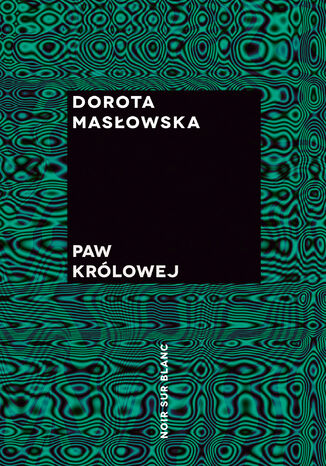
Dorota Masłowska
Pierwsza w Polsce powieść hiphopowa, niezwykłym, pełnym soczystych, ulicznych przeinaczeń językiem opisuje świat sztucznych, wykreowanych przez media pseudoartystów, ćwierćinteligentów i spryciarzy. Akcja książki rozgrywa się w scenerii współczesnej Warszawy, gdzie splatają się cztery różne historie. "Brzydkiej jak noc" dziennikarki Patrycji Pitz, marzącej o życiu jak z telewizji ekspedientki ze spożywczego Katarzyny Lep, popowego piosenkarza Stanisława Retro oraz cwanego i cynicznego menadżera Szymona Rybaczko. Masłowska kreuje się w książce na przemian na zwyczajną dziewczynę, zblazowaną pisarkę, zapomnianą artystkę, panią domu. Opowiedziana w rapowym rytmie historia ze światka show-biznesu, nagrodzona została w 2006 r. nagrodą literacką Nike.
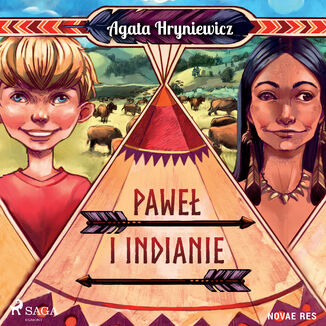
Agata Hryniewicz
O Indianach, pokonywaniu strachu i prawdziwej przyjaźni Trwają wakacje, na które Paweł bardzo się cieszył, ale chłopiec chodzi smutny i zniechęcony. Jego przyjaciele z podwórka bawią się w Indian, on zaś nie wie, kim są Indianie i o co chodzi w tej zabawie. Koledzy patrzą na Pawła z wyższością i ani myślą go dopuścić do swoich sekretów. Nieoczekiwana pomoc przychodzi ze strony dziadka, który wręcza wnukowi tajemniczą szkatułkę pełną dziwnych przedmiotów. Paweł nawet się nie spodziewa, że dzięki szkatułce dziadka przeżyje wielką indiańską przygodę. Ta książka w zabawny i trzymający w napięciu sposób zapoznaje dzieci z indiańską kulturą i uczy ponadczasowych wartości. Dodatkowo lekturę ułatwi zamieszczony na końcu książki słowniczek pojęć indiańskich.
Bernardin de Saint Pierre
Osiemnastowieczna powieść. Akcja dzieła rozgrywa się na współczesnym, Mauritiusie w kolonii francuskiej. Owdowiała arystokratka, pani de La Tour, straciwszy ukochanego męża, zamieszkuje razem z murzyńską niewolnicą Marią w odosobnionej kotlinie. Spotyka tam bretońską chłopkę Małgorzatę, która uciekła z Francji, będąc w nieślubnej ciąży. Wkrótce obydwie zaprzyjaźnione kobiety wydają na świat dzieci - Małgorzata rodzi syna Pawła, zaś pani de La Tour córkę Wirginię. "Paweł i Wirginia wychowują się razem, w pełnej zgodzie z naturą, ich matki planują ich przyszły ślub. Dorastający młodzi zaczynają zresztą odczuwać względem siebie miłość, której nie potrafią nazwać. Nieoczekiwanie jednak ciotka pani de La Tour proponuje wyjazd Wirginii do Francji, gdzie dziewczyna miałaby odebrać staranne wychowanie, a następnie odziedziczyć rodzinną fortunę. Wirginia, która nie chce rozstawać się z ukochanym, dopiero po namowach gubernatora i księdza opuszcza wyspę. W ciągu kilku lat jedynie sporadycznie kontaktuje się z matką i Pawłem; życie we Francji przygnębia ją, ona sama nie potrafi dostosować się do konwenansów, jakie obowiązują ją jako arystokratkę..."
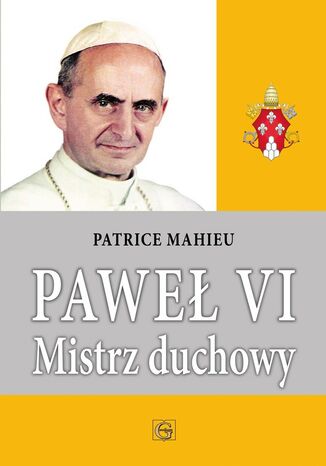
PATRICE MAHIEU
Błogosławiony Paweł VI to papież szczególnego przełomu w Kościele. Jako następca świętego Jana XXIII zakończył Sobór Watykański II i podjął się dzieła aggioramento, aktualizując dzieło otwarcia się Kościoła na współczesny świat. Książka o. Patrice Mahieu ze wstępem Daniela Ange'a umożliwia poznanie głębi duchowości Pawła VI i jest zaproszeniem do podjęcia wędrówki osobliwej wiary. To zaproszenie do odkrycia Boga w świecie, w Kościele, w człowieku i we własnym sercu, tak jak czynił to błogosławiony papież, i co stało się również perspektywą soborowego doświadczenia całego Kościoła. Przewodnikiem w tej wędrówce wiary jest oczywiście Paweł VI. Nawiązuje on z Czytelnikiem swoisty dialog. Mówi poprzez słowa audiencji, homilii, prywatnych listów i oficjalnych dokumentów papieskich. Tym samym zachęca nas do dania odpowiedzi Bogu i otwarcia się na żywe doświadczenie spotkania z Nim. To wyjście ku Bogu i zgoda na to, co On nam w darze swojej łaski ofiarowuje.
Jacek Galiński
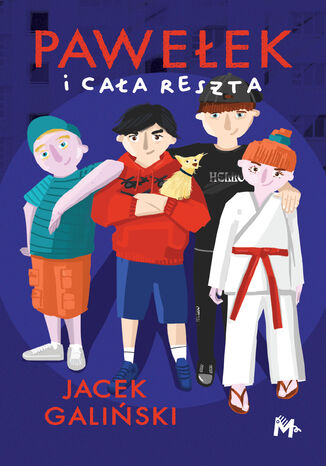
Pawełek to dziesięcioletni chłopiec, który w typowy dla dziecka w tym wieku, a często zaskakujący dorosłych dojrzałością i przenikliwością sposób opisuje otaczającą go rzeczywistość. Pawełek nie ma lekko. Marzy o tym, by mieć psa, walczy o przywrócenie drożdżówek w szkolnym sklepiku i chce w końcu zagrać w popularną strzelankę. Niestety, życie nijak się ma do jego wyobrażeń. Pies się pojawia, ale jakiś taki dziwny. W grę od razu się przegrywa mimo solidnej podbudowy teoretycznej, a dorośli jak zwykle nic nie rozumieją… Opowieści Pawełka są pełne humoru oraz dziecięcej ironii. Wspólne czytanie z dzieckiem będzie idealną okazją do poruszenia przez rodzica tematów, które dla dzieci często są bardzo trudne do zrozumienia.
Jacek Galiński
Pawełek to dziesięcioletni chłopiec, który w typowy dla dziecka w tym wieku, a często zaskakujący dorosłych dojrzałością i przenikliwością sposób opisuje otaczającą go rzeczywistość. Pawełek nie ma lekko. Marzy o tym, by mieć psa, walczy o przywrócenie drożdżówek w szkolnym sklepiku i chce w końcu zagrać w popularną strzelankę. Niestety, życie nijak się ma do jego wyobrażeń. Pies się pojawia, ale jakiś taki dziwny. W grę od razu się przegrywa mimo solidnej podbudowy teoretycznej, a dorośli jak zwykle nic nie rozumieją… Opowieści Pawełka są pełne humoru oraz dziecięcej ironii. Wspólne czytanie z dzieckiem będzie idealną okazją do poruszenia przez rodzica tematów, które dla dzieci często są bardzo trudne do zrozumienia.