
Wydawca: 16
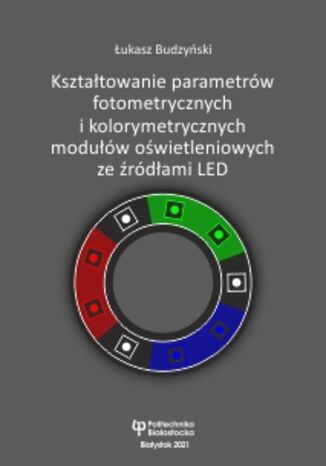
Kształtowanie parametrów fotometrycznych i kolorymetrycznych modułów oświetleniowych ze źródłami LED
Łukasz Budzyński
Przedmiotem niniejszej monografii są zagadnienia związane z dynamicznym kształtowaniem wyjściowych parametrów fotometrycznych oraz kolorymetrycznych opraw oświetleniowych z półprzewodnikowymi źródłami światła. Wśród tych parametrów wyróżnić można między innymi wyjściowy strumień świetlny Φ oraz temperaturę barwową najbliższą Tbn emitowanego promieniowania.
Kształtowanie relacji pomiędzy pracodawcą a byłymi pracownikami
Anna Krasnova
Autorka podejmuje rzadko tak szczegółowo omawianą w ramach zarządzania zasobami ludzkimi problematykę, jaką jest utrzymywanie relacji organizacji z pracownikami, którzy już w firmie nie pracują. W obecnych czasach deficytów personalnych spowodowanych względami demograficznymi, ekonomicznymi oraz społecznymi problematyka ta jest niezmiernie aktualna, gdyż pracodawcy faktycznie walczą o pracowników, także tych, którzy po pewnym okresie pracy gdzie indziej mogą do nich wrócić. Publikacja dostarcza zarówno wyników analiz teoretycznych, jak i badań empirycznych, na dodatek nie tylko ilościowych, lecz także jakościowych, co jest bardzo cenne dla praktyków. Prof. dr hab. Anna Lipka Uniwersytet Ekonomiczny w Katowicach
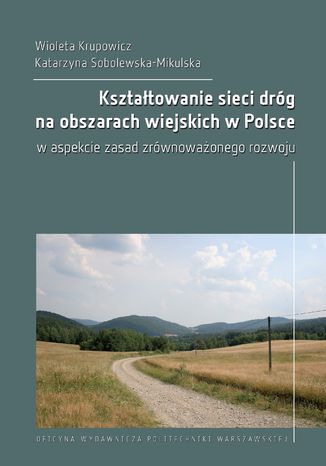
Kształtowanie sieci dróg na obszarach wiejskich w Polsce w aspekcie zasad zrównoważonego rozwoju
Wioleta Krupowicz, Katarzyna Sobolewska-Mikulska
W monografii opisano całość zagadnień związanych z procesem kształtowania sieci dróg rolniczych na obszarach objętych pracami scaleniowymi w Polsce - od czysto teoretycznych do technicznych i praktycznych. Opracowanie łączy w sobie elementy budownictwa, geodezji i kartografii oraz transportu. Omówiono w nim zasady kształtowania sieci transportowej na obszarach wiejskich z uwzględnieniem czynników zrównoważonego rozwoju, rozwiązań technicznych wynikających ze specyfiki prac scaleniowych oraz rozwiązań technologicznych budowy dróg rolniczych. Przedstawiono również przykłady analiz przestrzennych pozwalające względnie szybko uzyskać informację przestrzenną niezbędną do efektywnego podejmowania decyzji projektowych w celu poprawy układu dróg rolniczych, które uwzględniają potrzeby społeczne i aspekty środowiskowo-krajobrazowe. Opracowanie może stanowić materiał pomocniczy dla jednostek realizujących prace scaleniowe - zarówno w trakcie tworzenia założeń do projektów scalenia, jak i na etapie prac nad szczegółowym projektem nowego układu gruntów. Treści zawarte w monografii przedstawiono na podstawie obszernej literatury krajowej i zagranicznej, aktualnych przepisów prawa polskiego oraz Unii Europejskiej, obowiązujących krajowych i unijnych dokumentów strategicznych, instrukcji, raportów, decyzji, norm, wytycznych technicznych dotyczących materiałów i projektowania dróg oraz badań autorek.
Kształtowanie się klasy polskich przyimków wtórnych
Aleksandra Janowska
W prezentowanej książce przedstawiony został zarys problematyki ewolucji przyimków wtórnych w polszczyźnie. Różnorodne podłoże genetyczne zadecydowało o tym, że przyimki stanowią grupę niejednolitą i trudną do scharakteryzowania. Toteż – choć wiele już ukazało się prac poświęconych rozwojowi tej klasy – w dalszym ciągu jest to zagadnienie wymagające dopełnienia. Zadaniem monografii było nie tylko zebranie dotychczasowego stanu badań, ale przede wszystkim w wielu wypadkach zaproponowanie innego spojrzenia na opisywane zjawiska. Autorce zależało na wskazaniu najważniejszych kierunków ewolucji tej klasy, przedstawieniu mechanizmów, które pozwalają przejść wyrazowi z jednej klasy leksemów do drugiej. Szczególne miejsce zajmuje w pracy analiza związków zachodzących między przyimkami a przysłówkami i rzeczownikami. Nieco odrębnym zagadnieniem poruszanym w monografii jest problem rozbudowywania form przyimkowych.
Ewa Kulak
Katalonia, obecnie jedna z autonomicznych wspólnot tworzących Królestwo Hiszpanii, jest regionem o bogatej i skomplikowanej historii. W ciągu swych dziejów mieszkańcy Katalonii stali się społecznością świadomą swej odmienności od sąsiadów i starannie tę odmienność kultywującą. Książka Ewy K. Kulak skupia się na losach regionu w XIX i na początku XX wieku, kiedy dokonuje się tak zwane odrodzenie katalońskiej kultury, a przede wszystkim literatury w rodzimym języku, co prowadzi, u końca opisywanego okresu, do samookreślenia się Katalończyków jako narodu. W części pierwszej przedstawiony został rozwój katalońskiego ruchu narodowego, od początkowych działań mających na celu podkreślenie odrębności kulturowej regionu aż do powstania ugrupowań formułujących polityczne żądania i projekty prawnych rozwiązań, dzięki którym Katalonia miała osiągnąć autonomię w obrębie państwa hiszpańskiego. Część druga poświęcona jest analizie tekstów literackich i publicystycznych, w których wybitni przedstawiciele katalońskich elit literackich i naukowych starali się zdefiniować podstawowe cechy wyróżniające ich jako naród. Za kluczowe dla budowania obrazu własnego uznali oni język, historię oraz specyficzny charakter katalońskiego ludu. Te trzy elementy posłużyły im do wzbudzenia w katalońskim społeczeństwie dumy z jego duchowych i materialnych osiągnięć, a w konsekwencji do utrwalenia się silnego poczucia odrębnej tożsamości Katalończyków. Ewa Krystyna Kulak jest pracownikiem Instytutu Filologii Romańskiej Uniwersytetu Wrocławskiego, gdzie wykłada literaturę hiszpańską i historię Hiszpanii. Jej zainteresowania badawcze koncentrują się przede wszystkim wokół dzieł literackich interpretowanych jako dokumenty życia społecznego. Jest autorką prac z zakresu literaturoznawstwa hiszpańskiego i francuskiego, w tym monografii Owoce hesperyjskich ogrodów. Obraz literatur Półwyspu Iberyjskiego w polskich wydawnictwach informacyjnych i popularnonaukowych (wyd. Adam Marszałek, Toruń 2002), oraz członkiem redakcji czasopisma „Estudios Hispánicos”.
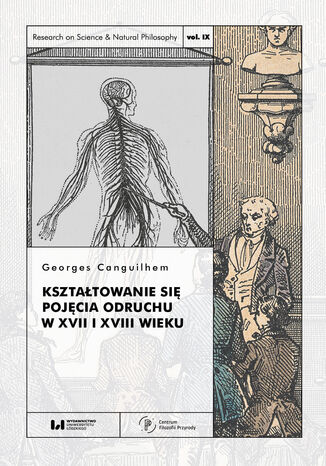
Kształtowanie się pojęcia odruchu w XVII i XVIII wieku
Georges Canguilhem
Georges Canguilhem śledzi historyczne etapy kształtowania się pojęcia odruchu w wiekach XVII i XVIII, czyli od pierwszych eksperymentów dotyczących relacji między układem nerwowym a mięśniowym aż po teorię mimowolnych ruchów zwierząt w epoce nowożytnej. Badanego przez niego pojęcia nie daje się sprowadzić do wyników konkretnych odkryć naukowych, a tym bardziej nie można przypisać jego sformułowania jednej postaci. Ta kwestia z zakresu biologii ukazuje bogatą i złożoną historię konceptualną, która przeciwstawia się - odziedziczonej po Kartezjuszu - perspektywie "mechanistycznej" w ujmowaniu problemów życia biologicznego. Właśnie tę historię przedstawia nam Canguilhem, wskazując na liczne źródła i powiązania oraz analizując prace fizjologów i biologów, takich jak Willis, Haller, Unzer i Prochaska. Jest to wzorcowa - i klasyczna - monografia z historii nauki i epistemologii.
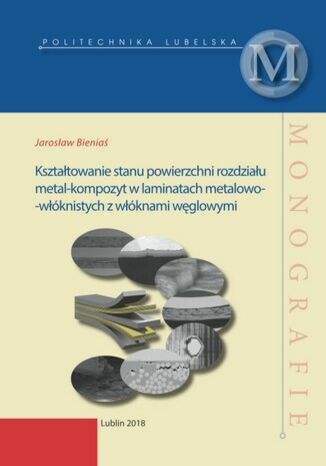
Jarosław Bieniaś
Niniejsza monografia wzbogaca istniejący stan wiedzy w zakresie zaawansowanych materiałów jakimi są laminaty metalowo-włókniste włączając charakterystykę powierzchni rozdziału metal-kompozyt. Przedstawione opracowanie, określające rolę powierzchni rozdziału metal-kompozyt w procesie zniszczenia laminatów może stanowić podstawę do dalszych prac badawczo-rozwojowych w zakresie kształtowania powierzchni rozdziału metal-kompozyt celem otrzymania połączenia adhezyjnego o odpowiednich właściwościach wytrzymałościowych i trwałości.
Kształtowanie systemów w wybranych obszarach transportu i logistyki
Marianna Jacyna, Agnieszka Merkisz-Guranowska, Ilona Jacyna-Gołda, Michał...
Podręcznik dotyczy zagadnień kształtowania sieci transportowej w obszarze współdziałania środków transportu i organizacji sieci, w tym organizacji podmiotów recyklingu. Swym zakresem obejmuje problemy istotne z poznawczego i aplikacyjnego punktu widzenia. Dużym walorem podręcznika jest przedstawienie zastosowania aplikacji metod badawczych na danych rzeczywistych. Zaprezentowane narzędzia wspomagania podejmowania decyzji w wybranych obszarach mogą mieć zastosowanie nie tylko w działalności transportowej, ale także logistycznej.