
Publisher: 16
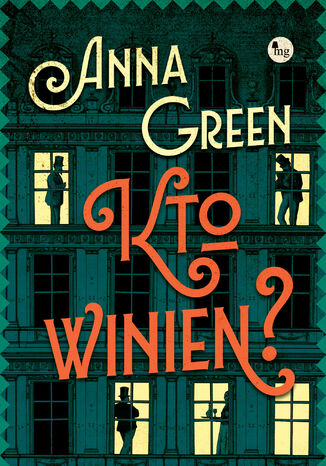
Anna Green
Otruty milioner i jego trzech synów, na których szybko padają podejrzenia. Każdy z nich skrywa własne tajemnice, każdy ma motyw. W trakcie dochodzenia na jaw wychodzą skomplikowane relacje rodzinne, ukryte konflikty oraz zdrady, co czyni fabułę niezwykle intrygującą i pełną zwrotów akcji. Green, która była prekursorką powieści detektywistycznej, z mistrzowską precyzją buduje napięcie, a my do samego końca nie jesteśmy pewni, kto jest prawdziwym mordercą.
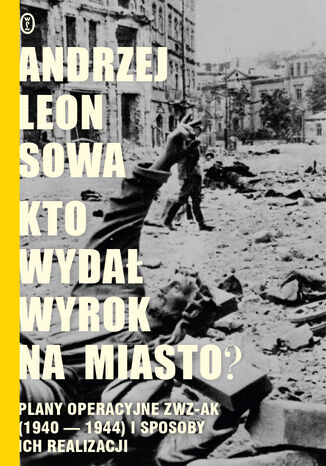
Kto wydał wyrok na miasto?. Plany operacyjne ZWZ AK (1940-1944) i sposoby ich realizacji
Andrzej Leon Sowa
Powstanie Warszawskie - prawda ukryta w dokumentach Dyskusja na temat konieczności i sensu Powstania Warszawskiego rozpoczęła się jeszcze przed jego wybuchem i toczy się nadal. W ręce czytelników trafia nowy i niezwykle ważny głos w tej dyskusji książka Andrzeja Leona Sowy, wybitnego historyka cenionego za niezwykle rzeczowe podejście do omawianych zagadnień i za skrupulatność w badaniu źródeł. Kto wydał wyrok na miasto? to nie tylko analiza krytyczna przyczyn Powstania Warszawskiego. Andrzej Leon Sowa w oparciu o źródła i dokumenty obala mity, ujawnia tajemnice i przybliża słabo znane, a kluczowe szczegóły decyzji polskiego dowództwa od 1939 roku oraz ukazuje na nowo działania Armii Krajowej, ich założenia i przebieg. Od dziś żadna merytoryczna dyskusja o Powstaniu Warszawskim nie będzie mogła odbyć się z pominięciem głosu Andrzeja Leona Sowy, bez względu na to, czy ostatecznie zgodzimy się z tezami autora, czy też nie. Kto wydał wyrok na miasto? ma szansę stać się pozycją klasyczną, a już na pewno jedną z najważniejszych książek historycznych roku.

Aleksandra Maciejowska
"Myślisz, że będziesz panną młodą na weselu, ale ciebie czeka wesele ze śmiercią" - bracia Grimm. Paddy nie miał szczęścia w życiu. Nawet teraz, w 1925 roku, jako asystent londyńskiego detektywa, zamiast zajmować się czymś ekscytującym, jest zmuszony chronić najbardziej irytującą dziewczynę na świecie. Towarzystwo impulsywnej, ciekawskiej, niebezpiecznej dla samej siebie przyszłej panny młodej wydaje się zemstą za to, jakim człowiekiem kiedyś był. Georgia nie miała szczęścia w życiu. Mimo że jest młodą osobą, ktoś już planuje zarówno jej wesele, jak i śmierć, a ona sama nie wie, co byłoby gorsze. Pogróżki inspirowane baśniami braci Grimm są straszne, ale małżeństwo bez miłości wydaje się torturą. Szczególnie teraz, gdy poznała Paddy'ego, który z jakiegoś powodu ciągle jej towarzyszy i wydaje się lepszym kompanem niż jej narzeczony... Ta baśń ma tylko dwa możliwe zakończenia: ślub lub morderstwo.
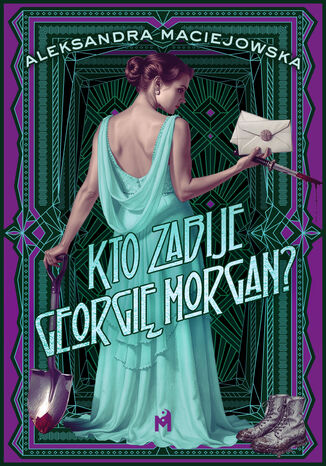
Aleksandra Maciejowska
"Myślisz, że będziesz panną młodą na weselu, ale ciebie czeka wesele ze śmiercią" - bracia Grimm. Paddy nie miał szczęścia w życiu. Nawet teraz, w 1925 roku, jako asystent londyńskiego detektywa, zamiast zajmować się czymś ekscytującym, jest zmuszony chronić najbardziej irytującą dziewczynę na świecie. Towarzystwo impulsywnej, ciekawskiej, niebezpiecznej dla samej siebie przyszłej panny młodej wydaje się zemstą za to, jakim człowiekiem kiedyś był. Georgia nie miała szczęścia w życiu. Mimo że jest młodą osobą, ktoś już planuje zarówno jej wesele, jak i śmierć, a ona sama nie wie, co byłoby gorsze. Pogróżki inspirowane baśniami braci Grimm są straszne, ale małżeństwo bez miłości wydaje się torturą. Szczególnie teraz, gdy poznała Paddy'ego, który z jakiegoś powodu ciągle jej towarzyszy i wydaje się lepszym kompanem niż jej narzeczony... Ta baśń ma tylko dwa możliwe zakończenia: ślub lub morderstwo.
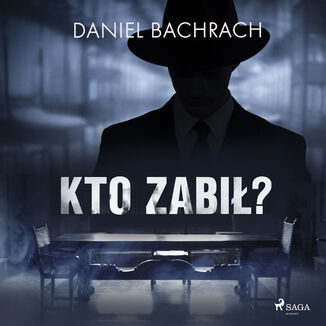
Daniel Bachrach
Opowiadanie kryminalne warszawskiego Sherlocka Holmesa" z pierwszej połowy XX wieku, podane z pierwszej ręki. Daniel Bachrach, aspirant Urzędu Śledczego w Warszawie, wspomina sprawę kryminalną, którą prowadził. W Warszawie znaleziono zwłoki znanego przemysłowca. Początkowe przesłanki wskazują, że zmarły popełnił samobójstwo. Jednak dwa tygodnie po śmierci mężczyzny pojawiają się nowe zeznania, które sugerują, że ktoś mógł przyczynić się go tragicznego zdarzenia. Czy przemysłowiec został zamordowany? Kto mógł to zrobić? Przed znanym komisarzem urzędu śledczego Danielem Bachrachem kolejna zagadka do rozwiązania. Język, postacie i poglądy zawarte w tej publikacji nie odzwierciedlają poglądów ani opinii wydawcy. Utwór ma charakter publikacji historycznej, ukazującej postawy i tendencje charakterystyczne dla czasów, z których pochodzi.
Daniel Bachrach
Opowiadanie kryminalne warszawskiego Sherlocka Holmesa" z pierwszej połowy XX wieku, podane z pierwszej ręki. Daniel Bachrach, aspirant Urzędu Śledczego w Warszawie, wspomina sprawę kryminalną, którą prowadził. W Warszawie znaleziono zwłoki znanego przemysłowca. Początkowe przesłanki wskazują, że zmarły popełnił samobójstwo. Jednak dwa tygodnie po śmierci mężczyzny pojawiają się nowe zeznania, które sugerują, że ktoś mógł przyczynić się go tragicznego zdarzenia. Czy przemysłowiec został zamordowany? Kto mógł to zrobić? Przed znanym komisarzem urzędu śledczego Danielem Bachrachem kolejna zagadka do rozwiązania. Język, postacie i poglądy zawarte w tej publikacji nie odzwierciedlają poglądów ani opinii wydawcy. Utwór ma charakter publikacji historycznej, ukazującej postawy i tendencje charakterystyczne dla czasów, z których pochodzi.
Paweł Lisicki
Spór o Mękę Zbawiciela ma znaczenie tyleż historyczne, ile współczesne. Wraz z radykalnym przewartościowaniem swojego stosunku do judaizmu katoliccy teologowie musieli bowiem przyjąć nowe rozumienie tego, co wydarzyło się na Golgocie. Uciekając przed oskarżeniem o antysemityzm, wielu z nich dokonuje coraz bardziej radykalnej reinterpretacji tekstów ewangelicznych. Ich wysiłek ma doprowadzić do jednego celu: w jak największym stopniu ograniczyć winę władz żydowskich i ludu żydowskiego i przenieść ją na starożytnych Rzymian. Wszystko to po to, żeby jedynymi winnymi śmierci na Golgocie okazali się rzymscy przywódcy - prefekt, jego żołnierze, w ostateczności kolaborujący z nimi żydowscy arystokraci skupieni wokół świątyni. W całej tej pozornie historycznej debacie chodzi wyłącznie o to, żeby zminimalizować, wbrew oczywistym przekazom pierwszych świadków wydarzeń - odpowiedzialność żydowską, żeby za wszelką cenę usunąć zmazę winy z ludu żydowskiego. Oto jak na ołtarzu współczesnej politycznej poprawności i dobrych relacji katolicko-żydowskich, szerzej: chrześcijańsko-żydowskich, kładzie się prawdę historyczną. Ze wstępu Pawła Lisickiego Ta książka musiała powstać, bo jej brak stawał się coraz bardziej dotkliwy. Propagowanie i nagłaśnianie tuzinów publikacji napisanych po linii politycznej poprawności doprowadziło do relatywizowania, wypaczania i stawiania poza nawiasem chrześcijaństwa tego, co stanowi jego fundament i sedno, czyli Nowego Testamentu. Skalę zamieszania i dezorientacji powiększa to, że w sukurs autorom otwarcie antychrześcijańskim przychodzą badacze chrześcijańscy, wśród nich historycy oraz egzegeci i teologowie. Nagromadzenie domysłów, wątpliwości i podejrzeń, a nawet pomówień i bzdur, podnoszonych pod adresem pism nowotestamentowych osiągnęło takie rozmiary, że dalsze tolerowanie owego stanu rzeczy grozi rozsadzaniem chrześcijaństwa, tym groźniejszym, że dokonywanym od środka. Paweł Lisicki rzetelnie - i odważnie - zdiagnozował to, co stanowi pożywkę dla antychrześcijańskich ataków. Bazują one, w zgodzie z regułami narzucanej od pół wieku politycznej poprawności, na zwalczaniu antysemityzmu, traktując go jako nieprzejednanego i najgroźniejszego wroga. Ks. Prof. Waldemar Chrostowski
Lesley-Ann Jones
Wieczorem 8 grudnia 1980 roku świat się zatrzymał dla milionów ludzi, kiedy nadeszła wiadomość, że John Lennon, jedna z najbardziej lubianych gwiazd rocka, został z zimną krwią zastrzelony w Nowym Jorku. W swojej fascynującej książce Lesley-Ann Jones, uznana dziennikarka i autorka biografii muzycznych, opowiada o życiu, miłości, przedwczesnej śmierci i muzycznej spuściźnie muzyka. Jones opisuje wzloty i upadki Lennona zarówno w jego życiu zawodowym, jak i osobistym. Śledzi bieg wydarzeń, który doprowadził Lennona do przeprowadzki do Nowego Jorku, gdzie został zastrzelony przed swoim domem fatalnej zimowej nocy. Czterdzieści lat po tej tragicznej śmierci autorka kreśli wszechstronny portret jednej z najsłynniejszych legend muzyki, korzystając z nowych, wcześniej nieznanych źródeł i rozmawiając z ludźmi, którzy osobiście znali Lennona.