
Видавець: 16
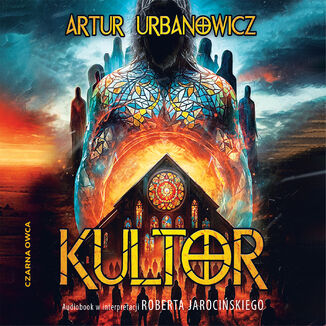
Artur Urbanowicz
Wyczekiwany powrót na Suwalszczyznę autora bestsellerowego Inkuba. Straż Ochrony Rodziny to fundacja, która pomaga ofiarom sekt. Ja i mój Przyjaciel zajmujemy się najbardziej niebezpiecznymi przypadkami. Uwalniamy zastraszonych adeptów z grup psychomanipulacyjnych, rozbijamy je, infiltrujemy, zdobywamy informacje oraz dowody popełnionych przestępstw. Sami kiedyś z jednej uciekliśmy, więc znamy od podszewki techniki manipulacji, indoktrynacji, kontroli umysłu i prania mózgu. Pewnego dnia zwraca się do nas o pomoc przedsiębiorca, którego córka zaginęła bez wieści. Jedyny trop w sprawie prowadzi do tajemniczej społeczności z Suwalskiego Parku Krajobrazowego. Dziewczyna postanowiła zbadać ją w ramach swojej pracy magisterskiej i od tamtej pory nie daje znaku życia. Kultyści, wszyscy o jednolitym, nienaturalnie bladym kolorze skóry, wierzą ponoć w drugiego Syna Bożego. Ich niesamowity, dom z kolorowymi witrażami w oknach góruje nad kotliną, która przypomina krater po meteorycie. Ziemia ta zdaje się emanować pradawną magią. Kusi. Przyciąga. Pochłania niczym czarna dziura. Ona, dom i wyznawcy to jedność. Całość. Jedna tożsamość. Kim tak naprawdę jest ich guru? Wytrawnym manipulatorem? Szarlatanem? Czarownikiem podszywającym się pod nową postać Boga? A może najprawdziwszym Antychrystem? Dlaczego porwał niewinną studentkę? Czy uda nam się ją odnaleźć? I czy fakt, że kiedyś sami należeliśmy do sekty, jest naszą siłą, czy słabością...? Artur Urbanowicz (ur. w 1990 w Suwałkach) pisarz literatury grozy. Z wykształcenia matematyk, z zawodu korpo szczur i wykładowca akademicki, z charakteru chorobliwy perfekcjonista. Smykałkę do tworzenia rozmaitych historii odkrył w sobie jeszcze w dzieciństwie. Pierwszą powieść napisał w wieku czternastu lat. W opowieściach nie stroni od wątków obyczajowych i skłaniających do głębszych przemyśleń. Wnikliwy obserwator i słuchacz. Wychodząc z założenia o rozrywkowej funkcji literatury, w tekstach stawia na lekkość, chce bawić i manipulować czytelnikiem oraz obowiązkowo na końcu zaskoczyć. Autor niezwykle popularnych i nagradzanych powieści: Gałęziste (2016, 2019), Grzesznik (2017, 2021), Inkub (2019), Paradoks, (2020), Deman (2022). Oficjalna strona autora: www.artururbanowicz.com
Shamdasani Sonu
Sonu Shamdasani (ur. 1962) jest historykiem psychologii i badaczem, pracownikiem naukowym Wellcome Institute for the History of Medicine, profesorem University College London. Redagował i przygotowywał do druku szereg książek: C.G. Jung The Psychology of the Kundalini Yoga. Notes of the Seminar Given in 1932 by C. G. Jung (Bollingen Series, Princeton University Press/Routledge, 1996) [wyd. pol. C.G. Jung Psychologia kundalini-jogi, Warszawa 2003, wyd. KR], C.G. Jung The Red Book. Liber Novus (Philemon Series, The Foundation of the Works of C.G. Jung/Norton, 2009) [wyd. pol. C.G. Jung Czerwona księga, Kraków 2019, wyd. Vis-a-Vis Etiuda], C. G. Jung, History of Modern Psychology: Lectures Delivered at the ETH Zurich, Volume 1, 1933-1934 (Philemon Series & Princeton University Press, 2018) oraz C. G. Jung, The Black Books of C.G. Jung (1913-1932) (Stiftung der Werke von C. G. Jung & W. W. Norton & Company, 2020). Jest autorem następujących książek: Jung and the Making of Modern Psychology: The Dream of a Science (Cambridge University Press, 2003), Jung Stripped Bare by His Biographers, Even (London: Karnac Books, 2004), C. G. Jung. A Biography in Books (New York: W. W. Norton & Company, 2011) oraz, wraz z Jamesem Hillmanem, Lament of the Dead. Psychology after Jung's Red Book (New York: W. W. Norton & Company, 2013). Sonu Shamdasani jest współzałożycielem Philemon Foundation, której głównym celem jest przygotowywanie do druku i wydawanie Dzieł Wszystkich C.G. Junga (w tym ok. 30 nowych, nigdy wcześniej niepublikowanych prac). Kultowe fikcje podążają ścieżką, która doprowadziła Junga do założenia w 1916 w Zurychu Klubu Psychologicznego. Jej autor, Sonu Shamdasani, wybitny badacz dzieła i życia Junga, przypomina i analizuje kontrowersje, jakie wzbudziło tamto wydarzenie, oraz pokazuje, w jaki sposób zwolennicy Junga przyczynili się do zmiany formuły jego projektu. Przytacza dowody świadczące przeciwko temu, że, zgodnie z wysuwanymi przez niektórych oskarżeniom, Klub Psychologiczny był w istocie, wbrew swojej nazwie, rodzajem kultu założonego przez Junga w celu swojej własnej deifikacji. W książce publikowane są po raz pierwszy nieznane dotąd, a mające kluczowe znaczenie dla całej sprawy dokumenty sporządzone przez Junga i dotyczące jego osoby. Dzięki wykonanej przez autora niezwykle wnikliwej pracy detektywistycznej możemy się przekonać, że wysuwane pod adresem Junga oskarżenia są bezpodstawne - wynikają z błędnej oceny jego postępowania oraz przypisywania mu intencji, których on sam nigdy nie przejawiał. Kultowe fikcje wyjaśniają narosłe nieporozumienia, ukazując w jasnym świetle prawdziwe cele i zamierzenia Junga odnoszące się do psychologii analitycznej. Jest to lektura obowiązkowa dla każdego, kto śledzi toczącą się w ostatnich latach debatę na temat legitymizacji psychologii analitycznej oraz nowych ruchów religijnych, poruszająca również kwestie dotyczące instytucjonalizacji psychoterapii w ogólności. Kultowe fikcje zdobyły nagrodę Gradiva Prize za najlepszą książkę historyczną i biograficzną przyznawaną przez World Association for the Advancement of Psychoanalysis.
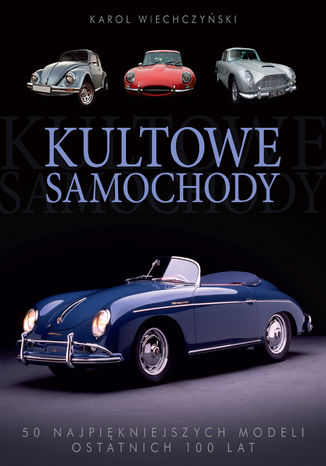
Karol Wiechczyński
Samochody kultowe to takie, których kształty oraz design są ponadczasowe i rozpoznawalne mimo upływu lat. Są podziwiane i wielbione przez pasjonatów motoryzacji bez względu na panującą modę. Książka Kultowe samochody przedstawia 50 modeli powstałych na przestrzeni stu lat od forda T do astona martina DBS. Przepięknym zdjęciom towarzyszą interesujące opisy zawierające historię i parametry każdego z przedstawionych pojazdów. Album to prawdziwa uczta dla koneserów motoryzacji.
Kultura emocjonalna szkoły - czasoprzestrzenie doświadczania emocji
Irena Przybylska
W monografii „Kultura emocjonalna szkoły – czasoprzestrzenie doświadczania emocji” autorzy podejmują wątki w ramie pojęciowej wyznaczanej kategorią kultury emocjonalnej. Mówią różnymi głosami, ale każdy z nich sprzeciwia się ignorowaniu emocji w edukacji (uczeniu, relacjach wychowawczych, rozwoju), każdy z nich odczytuje znaczenie kultury emocjonalnej jako kontekstu wychowania i wskazuje na obszary działań pedagogicznych, w których emocje są warunkiem sine qua non zaistnienia sytuacji i relacji o znaczeniu edukacyjnym. Zachowania i zdarzenia emocjonalne, aprobowane i tłumione formy ekspresji, pozornie mało ważne z punktu widzenia „misji” szkoły i nauczyciela, są soczewką jej kultury emocjonalnej, a codzienność jest jej źródłem i przejawem. Kultura emocjonalna deklarowana w oficjalnej narracji szkoły „wybrzmiewa” jednak w jej codzienności, w rytuałach, regułach i znaczeniach nadawanych sytuacjom edukacyjnym, a nawet zadaniom stawianym przed uczniem i nauczycielem w formalnych i nieformalnych oczekiwaniach. To, do jakich emocji odwołuje się nauczyciel (pedagog, wychowawca), kierując pracą w grupie, a także to, jak pracuje z emocjami własnymi i klasy, determinuje klimat emocjonalny – umowną powierzchnię (warstwę wyczuwaną) kultury emocjonalnej szkoły. W zbiorze tekstów pojawią się głosy, które dysponują „dowodami”, że edukacja otwarta na emocje nie jest tylko dobrym doświadczeniem, ale ma głęboki sens – emancypuje, a nie ogranicza, rozwija, a nie klasyfikuje, ponieważ pozwala przeżywać, a nie tylko zapamiętywać.
Magdalena Sasin
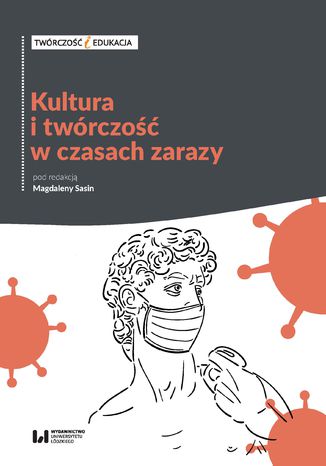
Inicjatywa cyklicznego publikowania prac w ramach serii "Twórczość i Edukacja" wyrosła z potrzeby stworzenia miejsca spotkania badaczy i praktyków zainteresowanych rozwijaniem oraz wspieraniem zdolności twórczych dzieci, młodzieży i osób dorosłych. W serii publikowane są prace poruszające problematykę edukacyjnych oraz społeczno-kulturowych uwarunkowań rozwoju szeroko pojętej aktywności twórczej w różnych dziedzinach. Pandemia koronawirusa SARS-CoV-2 wpłynęła na wszystkie dziedziny ludzkiego życia. Zmiany, jakie zaszły w życiu kulturalnym i twórczości artystycznej, stały się przedmiotem refleksji autorów tej książki - naukowców uniwersyteckich, czynnych artystów, pracowników instytucji kultury. Dzielą się oni swoimi doświadczeniami i spostrzeżeniami związanymi z brakiem możliwości uprawiania sztuki w dotychczasowym kształcie oraz poszukiwaniami innych środków wyrazu, nowych sposobów kontaktu z publicznością i edukacji artystycznej. Mamy nadzieję, że ta pozycja okaże się ciekawa i wartościowa dla czytelników, a w przyszłości, być może, stanie się jednym ze świadectw tych dziwnych i trudnych czasów, jakie stały się naszym udziałem. Jesteśmy przekonani, że mimo wszelkich trudności kultura i sztuka wyjdą z tej próby obronną ręką - bo bez nich świat i człowiek nie mogliby istnieć. * Książka jest niezwykle wartościową monografią naukową na temat ważnej dla człowieka funkcji sztuki i roli twórczości artystycznej w czasach niesprzyjających tradycyjnej relacji twórca-odbiorca. To bardzo interesujące opracowanie naukowe na temat różnorakich uwarunkowań kreatywności jest tym cenniejsze, że autorzy poszczególnych rozdziałów próbują opisać podjęty temat in statu nascendi, w czasach pandemii i kwarantanny. Brak dystansu czasowego do opisywanych zjawisk - ponieważ epidemia jeszcze się nie zakończyła, a zatem przedstawione warunki twórczości nie uległy zmianie - sprawia, że publikacja ma niezwykle aktualny, "gorący" charakter. Z lektury wszystkich tekstów wyłania się ponadto refleksja dotycząca głębszego znaczenia i rangi opracowania, a mianowicie, że ich autorzy, analizując sytuację w warunkach trwającej pandemii, znajdują się jednocześnie w samym środku potężnej zmiany kulturowej i rejestrują wczesny etap tego procesu. Z recenzji prof. dr hab. Krystyny Pankowskiej
Kultura jako przestrzeń edukacyjna
Jakubowski Witold
Warto zatem spróbować uważniej patrzeć na kulturę jako przestrzeń, w której zachodzą różnorodne procesy edukacyjne. Niniejsze opracowanie pomyślane zostało jako próba spojrzenia na kulturowe konteksty uczenia się ludzi dorosłych. Wypełniają je teksty będące rezultatem badań prowadzonych przez pracowników Zakładu Edukacji Dorosłych i Studiów Kulturowych Instytutu Pedagogiki Uniwersytetu Wrocławskiego oraz osób współpracujących. Zawarte w tomie artykuły są głosem w debacie nad nowymi zadaniami oraz możliwościami edukacji dorosłych, jakie wyłaniają się z przestrzeni kultury. Witold Jakubowski [...] Praca przedstawia niezwykle ważne poznawczo i pod względem ba- dawczym zagadnienia, łącząc obszar edukacji dorosłych, a w szczególności uczenia się dorosłych i to w niesformalizowanej postaci, z wybranymi aspektami kultury, w tym kultury popularnej. Zawiera dojrzałe analizy te- oretycznych założeń, wyjaśniających przedmiot badań, oraz przemyślane interpretacje badanych empirycznie zjawisk. Teksty opracowania bardzo żywo reagują na współczesną rzeczywistość i odnoszą się do ważnych obszarów codziennego doświadczania życia przez Polaków. Propozycje kul- tury i popkultury zostały przez Autorów obejrzane z perspektywy ich rze- czywistych edukacyjnych funkcji, a nie tylko funkcji założonych. Nie brakuje wątków krytycznych oraz kategorii badawczo otwartych, inspirujących do dalszych poszukiwań naukowych. [...] Fragment recenzji prof. dr hab. Elżbiety Kowalskiej-Dubas

Kultura jako źródło zysku? Sprzeczności gospodarki kreatywnej
Franczak Karol
Książka dr. Karola Franczaka "Kultura jako źródło zysku? Sprzeczności gospodarki kreatywnej" stanowi krytyczną analizę jednej z najbardziej wpływowych współczesnych narracji modernizacyjnych - dyskursu kreatywności. Autor bada, w jaki sposób kultura w Polsce została włączona w logikę wzrostu gospodarczego, innowacyjności i produktywności, tracąc przy tym swoją autonomię i funkcję krytyczną. Kreatywność i innowacyjność - niegdyś domeny twórczości artystycznej - stały się dziś elementami politycznych i gospodarczych projektów, a jednocześnie narzędziami panowania. Punktem wyjścia jest pytanie o znaczenie i funkcję retoryki kreatywności w kontekście polskich przemian gospodarczych i społecznych ostatnich piętnastu lat oraz roli elit symbolicznych w jej upowszechnianiu. W części empirycznej, opartej na analizie ramowania i elementach analizy dyskursu, autor rekonstruuje sposoby mówienia o gospodarce kreatywnej obecne w tekstach naukowych, poradnikowych i medialnych, identyfikując dominujące schematy interpretacyjne oraz ich polityczne, ideologiczne i praktyczne konsekwencje. Prowadzone analizy służą refleksji nad tym, jak narracja modernizacyjna odwołująca się do idei przemysłów kreatywnych organizuje zbiorowe wyobrażenia o rozwoju, przyszłości i roli kultury we współczesnym kapitalizmie. Autor pisze: "Głównym zadaniem kultury ma być przeprowadzenie polskiego społeczeństwa z epoki przemysłowej do kolejnego etapu nowoczesności, budowanego na ideach gospodarki wiedzy, przemysłów kreatywnych, kapitalizmu kognitywnego, zarządzania talentem czy kształcenia si. Książka podejmuje aktualny społecznie problem wpisania kultury w ten rozpowszechniony i od dłuższego czasu prawomocny dyskurs rozwojowy, w którym wyobrażenie o służebnej względem gospodarki roli kultury i unieważnienie myślenia o niej jako źródle krytyki społecznej zyskało sankcję pozornej oczywistości".
Kultura książki i informacji. Księga jubileuszowa dedykowana Profesor Elżbiecie Gondek
red. Arkadiusz Pulikowski
Tom przygotowany został z okazji jubileuszu pracy naukowej i dydaktycznej Profesor Elżbiety Gondek – wieloletniego Dyrektora Instytutu Bibliotekoznawstwa i Informacji Naukowej Uniwersytetu Śląskiego. 27 tekstów, ofiarowanych przez przyjaciół, współpracowników i uczniów Jubilatki, zgrupowano w trzech rozdziałach: I. Kultura książki, II. Ludzie książki, III. Kultura informacji. Różnorodność tematyczna i metodologiczna podejmowanej przez autorów problematyki stanowi o wartości Księgi. Praca adresowana jest do szerokiego grona odbiorców – pracowników naukowych, bibliotekarzy, studentów, zainteresowanych badaniami z zakresu bibliologii i informatologii. Publikacja stanowi ważną pozycję w literaturze naukowej tego obszaru.