
Wydawca: 16
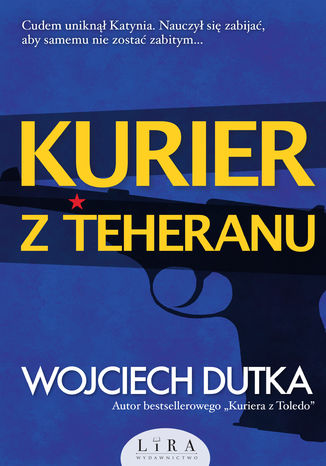
Wojciech Dutka
Sprawa katyńska, walka wywiadów i epicka opowieść o Polsce podczas II wojny światowej... Hrabiemu Antoniemu Mokrzyckiemu, dyplomacie znanemu z powieści „Kurier z Toledo” nie dane było ułożyć sobie życia u boku żony. Powołany do wojska w stopniu podporucznika otrzymuje rozkaz jako agent Dwójki: ma wywieźć i schować dokumenty agentów polskiego wywiadu w ZSRR. Jednak kampania wrześniowa komplikuje te plany. Mokrzycki staje do walki z Armią Czerwoną w drodze do rumuńskiej granicy. Zaprowadzi go to do obozu kozielskiego. Cudem unika Katynia. Staje się świadkiem ponurej tajemnicy, która zaważy na losie Polski podczas wojny światowej... Na swej drodze bohater styka się z niezwykłymi ludźmi: Józefem Czechowiczem, Tadeuszem Dołęgą-Mostowiczem, Józefem Retingerem, generałami Sikorskim i Andersem, ale także z katami z NKWD. Mokrzycki stanie oko w oko ze Stalinem, szachem Iranu oraz innymi postaciami z historii. „Kurier z Teheranu” to doskonałe połączenie powieści historycznej z literaturą sensacyjno-szpiegowską, a zarazem przewrotna opowieść o drugiej wojnie światowej.
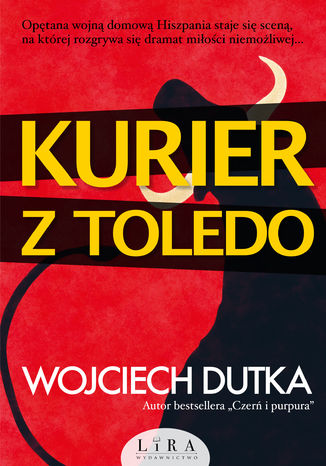
Wojciech Dutka
Najnowsza powieść autora bestsellera „Czerń i purpura”! Szpiedzy, wielka historia, a zarazem uniwersalna opowieść o miłości, która nie miała prawa zaistnieć… Warszawa, rok 1936. Młody dyplomata, hrabia Antoni Mokrzycki, wyjeżdża na zlecenie wywiadu do pogrążonej w kryzysie Hiszpanii. Mokrzycki zostawia w Polsce narzeczoną „z rozsądku” i kochankę, która jako jedyna zna jego sekret. Kiedy w czasie hiszpańskiej misji na drodze dyplomaty pojawia się Teo, młody anarchista, a zarazem uczeń szkoły korridy z Madrytu, ich wspólny los zostaje przypieczętowany. Mokrzycki stanie przed koniecznością postawienia wszystkiego na jedną kartę i zaryzykuje – swoją karierę, narzeczeństwo, a nawet życie. Wojciech Dutka z pisarskim kunsztem wplata w los bohatera w dzieje jednej z najkrwawszych wojen domowych współczesnej Europy. Mokrzycki spotka wielkie postaci historycznych: Ernesta Hemingwaya, Federico Garcię Lorkę, Simone Weil, Pablo Nerudę oraz przerażającego generała Quiepo del Llano. Stanie też oko w oko z generałem Franco... „Kurier z Toledo” to doskonałe połączenie powieści historycznej z literaturą sensacyjno-szpiegowską!
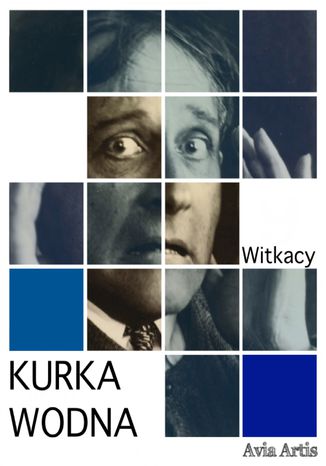
Stanisław Ignacy Witkiewicz
"Kurak Wodna" to dramat Stanisława Ignacego Witkiewicza (Witkacy) z 1921 roku. Sztuka ta jest wspaniałym przykład "czystej formy" w teatrze. "Kurka Wodna" to dramat ukazujący rozpad rodziny a co za tym idzie rozpad wartości społecznych czy kulturowych co doprowadza do nieuchronnej rewolucji. Jest to również dramat o artyście, o poszukiwaniu własnego miejsca i celu w życiu. Wszystkie te wyjątkowo ważne tematy są jednak ukryte pod płaszczykiem komediowej i absurdalnej fasady której Witkacy był absolutnym mistrzem. "Kurka Wodna" to druga część kolekcji dzieł Witkacego udostępnionych przez wydawnictwo Avia Artis. Zachęcamy do zapoznania się z innymi naszymi propozycjami. Kolekcja dzieł Witkacego: - Szewcy - Kurka Wodna

Agata Lewandowska
Sproszkowane kłącze kurkumy powszechnie stosuje się jako przyprawę. Ale jest ona ceniona nie tylko ze względu na walory smakowe, zawarta w niej kurkumina ma bowiem wiele właściwości prozdrowotnych. Substancja ta wykazuje działanie przeciwzapalne i antyoksydacyjne (eliminuje wolne rodniki). Potrafi także zwalczać bakterie, wirusy i grzyby, a nawet wspierać organizm w walce z nowotworami. Bywa wykorzystywana jako wsparcie w leczeniu między innymi: cukrzycy, miażdżycy, astmy, chorób stawów i chorób autoimmunologicznych. W książce znajdują się także przepisy na proste dania z kurkumą, dzięki którym włączysz tę przyprawę na stałe do swojego menu. Patroni medialni:
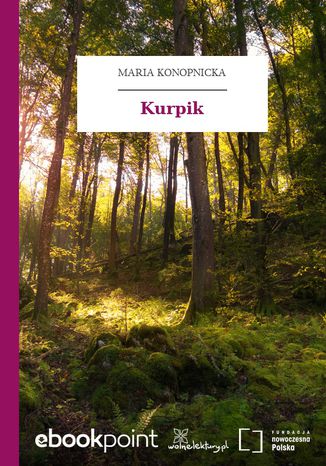
Maria Konopnicka
Maria Konopnicka Kurpik W Myszynieckiej puszczy, Tam Kurpiki siedzą, Co się dzieje w świecie całym Tego nic nie wiedzą. W Myszynieckiej puszczy Stoi dąb wyniosły, Z ojca, dziada i pradziada Kurpie tutaj wrosły. W Myszynieckiej puszczy Słychać brzęk daleki, Złotym miodem sławne płyną Kurpiowskie pasieki. W Myszynieckiej puszczy, Dzięcioł tam koł... Maria Konopnicka Ur. 23 maja 1842 r. w Suwałkach Zm. 8 października 1910 r. we Lwowie Najważniejsze dzieła: O Janku Wędrowniczku, O krasnoludkach i sierotce Marysi, Nasza szkapa, Miłosierdzie gminy, Rota, Dym, Mendel Gdański Poetka, publicystka, nowelistka, tłumaczka. Zajmowała się krytyką literacką. Pisała liryki stylizowane na ludowe i realistyczne obrazki (W piwnicznej izbie). Wydawała cykle nowel (Moi znajomi, Nowele, Na drodze). W otoczeniu ośmiorga swoich dzieci tworzyła bajki (Na jagody). Jako poetka, inspiracji szukała w naturze (Zimowy poranek). Swoje wiersze publikowała głównie w prasie. Wiersz patriotyczny Rota konkurował z Mazurkiem Dąbrowskiego o miano hymnu Polski. Wiele jej utworów powstało podczas podróży po Europie (Italia). Ostatnie lata życia poświęciła poematowi Pan Balcer w Brazylii. autor: Bartłomiej Chwil Kupując książkę wspierasz fundację Nowoczesna Polska, która propaguje ideę wolnej kultury. Wolne Lektury to biblioteka internetowa, rozwijana pod patronatem Ministerstwa Edukacji Narodowej. W jej zbiorach znajduje się kilka tysięcy utworów, w tym wiele lektur szkolnych zalecanych do użytku przez MEN, które trafiły już do domeny publicznej. Wszystkie dzieła są odpowiednio opracowane - opatrzone przypisami oraz motywami.
Paweł Zapendowski
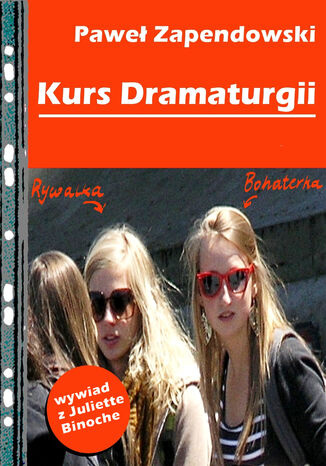
Rewelacyjnym uczuciem jest napisać sztukę teatralną i zobaczyć ją na scenie w wykonaniu aktorów. Przeżyć chwilę, gdy reżyser i aktorzy, ludzie zwykle zapracowani, pełni ambicji i własnych pomysłów, spośród wielu sztuk starych, nowych i najnowszych wybierają tekst przez nas napisany. Nasz tekst! Śmieją się, wzruszają, zaczynają dyskutować o problemach w nim zawartych. Zastanawiają się jak go wystawić, jakie zaprojektować kostiumy, kto ma wystąpić w głównej roli, a kto w epizodach. Jak to osiągnąć? Cóż, nie jest to proste, lecz jest możliwe. Wystarczy pisać i uczyć się. Jeśli w osiągnięciu tej satysfakcji Kurs Dramaturgii okaże się użyteczny, satysfakcja będzie i moja. Kurs jest nastawiony na rozwiązanie problemów – warsztatowego, artystycznego, ideowego, emocjonalnego. Porusza najważniejsze aspekty sztuki dramatopisarskiej: budowę dramatu, scen, rodzaje narracji, charakter bohatera, cel i motywację postaci scenicznej, język jakim się mówi, ideowe przesłanie tekstu. Zagadnienia są krótko omówione na przykładach z repertuaru dramatycznego i filmowego – od m.in. Hamleta Szekspira, Panny Julii Strindberga, Emigrantów Mrożka, Monologów waginy Enserl i Factory Bauersimy, po filmy lubiane, jak Testosteron, Amadeusz, Człowiek z marmuru. Omawiam również moje sztuki teatralne: Jestem jaka jestem, Jak z Almodovara, Trakl nieskończony i Leo Lipski Story – Miłość na Miodowej. Na końcu każdego rozdziału znajdują się zadania do wykonania. Niektóre z pozycji zalecanych do przeczytania dostępne są bezpłatnie w internecie, a część z nich można zamówić u wydawcy. Uczymy się przez całe życie. Nasza nauka pisania trwa praktycznie nieustannie przy pisaniu postów, mejli, artykułów, felietonów, książek, sztuk teatralnych i scenariuszy. Nieraz już na samym początku napotykamy na problem, który może zniechęcić do dalszej pracy Przychodzi mi na myśl skojarzenie z filmem Osiem i pół Federico Felliniego. O przygodach reżysera (w głównej roli wystąpił Marcello Mastroianni) przeżywającego kryzys. Ten film dowodzi, że i w naszej historii jaką wymyślamy i zamierzamy przedstawić innym, wszystko może się wydarzyć, włącznie z kryzysem. Bohater przeżywa swój kryzys związany z wiekiem, zawodem, życiem prywatnym i rodzinnym, a dramaturg zmaga się z warsztatowymi problemami, jak tę historię opowiedzieć. W Kursie przedstawię zasady jakimi rządzi się dobra dramaturgia – pojawią się tzw. złote myśli, bez których nie ma warsztatu zawodowca. Będę czerpał z repertuaru dramaturgii oraz klasyki kina, jako że za dobrym filmem stoi zawsze dobry scenariusz, czyli to, co jest w branży na wagę złota. Dlaczego repertuar filmowy? Współczesny teatr używa języka filmu i telewizji (internetu) tak często jak języka tradycyjnego teatru. Media się przenikają i anachronizmem byłoby upierać się, że któreś rozwiązanie jakiego użyjemy w dramacie jest stricte filmowe. Dogville Larsa von Triera to sfilmowany teatr. Teatralna komedia Bóg Woody Allena to uteatralnione kino. Dramaturgia potrzebuje nowej energii jaką daje obraz elektroniczny, montaż krótkich ujęć, epizodów, twarz pokazana w detalu, sampling efektów dźwiękowych, interakcja z widownią. Filmy mocniej też zapadają w naszą pamięć niż sztuki teatralne i łatwiej do nich dotrzeć. Kurs prowadzi poprzez różne aspekty sztuki dramaturgii. Nie jest kompendium wiedzy o dramacie. Jest skierowany na praktykę. Jego celem jest zachęta do uważnego przemyślenia różnych aspektów – warsztatowego, ideowego, artystycznego – aby, jakby na zasadzie echa, później już podczas własnej pracy literackiej skorzystać z odkryć i olśnień, jakie zrodziły się podczas lektury. W centrum zainteresowania Kursu znajduje się dobry dramat, czyli umiejętność napisania ciekawego tekstu na scenę. Widz dzisiaj reaguje podobnie jak dwa i pół tysiąca lat temu w czasach tragików greckich. Gdy bohater walczy z całym światem, albo choćby tylko z własnym obłędem, jeśli jego historia zostanie umiejętnie przedstawiona przez dramaturga będzie ją oglądać z zainteresowaniem szeroka widownia. Kurs ten ma charakter wykładu raczej subiektywnego. Oprócz przedstawienia uniwersalnych zasad rządzących dziełem dramaturgicznym, obiektywnie sprawdzonych w wielu wybitnych dziełach, zawiera subiektywny punkt widzenia, czyli eksponuje to, co ja sam lubię w teatrze, filmie, co mnie interesuje i wzrusza. Jest tu trochę tak, jak w klasycznym sporze między „psychologami” a „ludźmi czynu”, w którym nie ma wygranych. Ktoś, kto lubi psychoanalizę, kto uwielbia sięgać wstecz do dzieciństwa bohatera, nie znajdzie uznania u behawiorysty nastawionego na „tu i teraz”. I na odwrót, ktoś kto lubi psychologię nie porozumie się dobrze z kimś, kto od niej ucieka, uważając, że jest niemodna lub że niepotrzebnie komplikuje życie. Jak różne można pisać dramaty, tak różne są szkoły pisania. Na końcu Kursu zapraszam na spotkanie z gwiazdą kina Juliette Binoche. W wywiadzie jakiego mi udzieliła opowiada o roli Panny Julii w sztuce Augusta Strindberga. Wystąpiła w niej w maju i czerwcu 2012 w paryskim teatrze Odéon. Oprócz refleksji związanych z rolą, aktorka opowiada o życiu i sztuce – dwóch sferach jakie od tysięcy lat łączy subtelna, tajemnicza Alchemia, której na imię Dramaturgia. (Namawiam do wydrukowania Kursu na papierze. Łatwiej będzie go czytać i robić notatki.) Dziękuję Wydawcom, Autorom i Tłumaczom tekstów scenicznych wymienionych na końcu Kursu, z których zostały zaczerpnięte krótkie cytaty. Dzięki nim omawiane problemy warsztatowe zostały zilustrowane adekwatnymi przykładami z literatury dramatycznej.
Kurs filozofii w sześć godzin i kwadrans
Witold Gombrowicz
Na dwa miesiące przed śmiercią Gombrowicz wygłasza trzynaście wykładów z filozofii dla Rity Gombrowicz i Dominika de Roux. Pierwsze wykłady o Kancie wspomina żona pisarza odbyły się w sypialni Witolda. Głowę opierał na łokciu, przed sobą trzymał plik pożółkłych notatek z czasów argentyńskich wykładów, ale nie zaglądał do nich, tylko mówił z pamięci, wyraźnie i powoli, żebyśmy zdążyli zanotować. Był wspaniałym profesorem, mówił z werwą, precyzyjnie, wydobywając, co najważniejsze. Siedzieliśmy naprzeciwko niego i notowaliśmy na kolanach każde jego słowo. Gombrowicz wykłada, że ból i cierpienie nie leżą po stronie rzeczy, lecz po stronie przeżywającego Ja, które przez to, co je czeka, może przejść tylko samo, bez nikogo, w samotności. Michał Paweł Markowski, fragment Wstępu Ale czym jest filozofia? Żaden system filozoficzny nie trwa długo. Dla mnie jednak filozofia ma tę oto najwyższą wartość, że porządkuje świat w ramach pewnej wizji. Witold Gombrowicz
Kurs matematyki dla chemików. Wyd. 5. popr
Joanna Ger
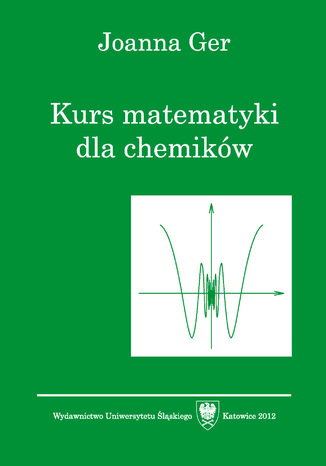
Skrypt jest przeznaczony dla słuchaczy studiów uniwersyteckich kierunku chemia. Mogą z niego również korzystać wszyscy zainteresowani wykładem matematyki jako przedmiotu pomocniczego. Autorka zamieściła w podręczniku treści niezbędne do właściwego rozumienia i stosowania metod matematycznych w czasie studiów chemicznych. Oprócz treści wykładanych w skrypcie znajdują się też dowody twierdzeń oraz zestawy zadań. Każdy rozdział zawiera liczne przykłady (rozwiązane) ilustrujące teorię. W podręczniku przedstawiono następujące zagadnienia: elementy logiki matematycznej i teorii mnogości; liczby rzeczywiste i zespolone; funkcje elementarne; elementy algebry liniowej; ciągi i szeregi; granicę i ciągłość odwzorowań; rachunek różniczkowy funkcji jednej zmiennej; całka oznaczona na prostej; rachunek różniczkowy funkcji wielu zmiennych; wielowymiarowa całka oznaczona Riemanna; całka krzywoliniowa; całka powierzchniowa; elementy teorii równań różniczkowych zwyczajnych.