
Verleger: 16
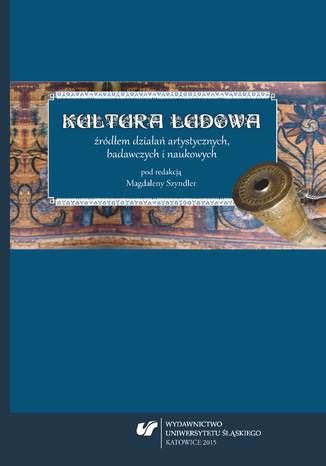
Kultura ludowa źródłem działań artystycznych, badawczych i naukowych
red. Magdalena Szyndler
Publikacja zbiorowa pt. Kultura ludowa źródłem działań artystycznych, badawczych i naukowych pod redakcją Magdaleny Szyndler skierowana jest zarówno do badaczy zorientowanych naukowo, jak i do miłośników-amatorów folkloru na różnych jego płaszczyznach. Książka została podzielona na trzy części: część I – Folklor w literaturze i edukacji, część II – Sztuki plastyczne i multimedia – inspiracje oraz część III – Folklor, folkloryzm, folk – interpretacje, które odpowiadają bezpośrednio zainteresowaniom poszczególnych autorów tekstów. Stąd folklor przedstawiono w postaci źródłowej (odwołania do literatury polskiej) i jako materiał wykorzystywany w szeroko rozumianej edukacji, a ponadto w sztukach plastycznych i multimediach oraz w interpretacjach profesjonalnej kultury muzycznej i inspiracjach dla obszernej grupy zjawisk folkloryzmu i nurtu folkowego (hybrydy). Celem tego opracowania jest odpowiedź na pytanie: jakie są źródła folkloru, czym jest kultura ludowa dzisiaj, jak ewoluuje i jakie są jej powiązania z innymi dyscyplinami? Czytelnicy sięgający do tego zbioru będą mogli sami ocenić, czy znaleźli w nim odpowiedź na powyższe pytanie, a tym samym zrozumieć współczesną rolę folkloru i jego przeobrażeń.
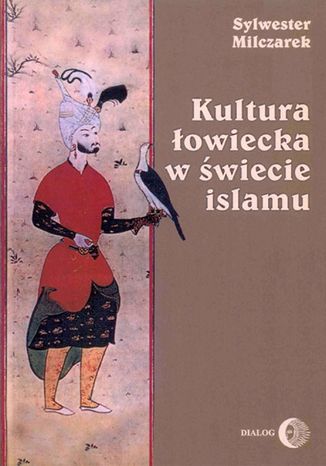
Kultura łowiecka w świecie islamu
Sylwester Milczarek
Niniejsza książka, bogato udokumentowana i oparta na źródłach, jest pierwszym kompleksowym opracowaniem tematyki łowiectwa w cywilizacji islamu. Łowiectwo to szczególnie ważny przejaw życia muzułmanów, a zwłaszcza wyższych warstw społeczeństwa i grup uprzywilejowanych. Praca zaznajamia czytelnika z całokształtem duchowych i materialnych osiągnięć łowiectwa przede wszystkim na Bliskim Wschodzie, ale również na innych obszarach, które uległy silnym wpływom islamu; omawia także kulturę łowiecką Tatarów polsko-litewskich, czyli polskich muzułmanów. Najwięcej miejsca Autor poświęca polowaniu z ptakami łowczymi, czyli sokolnictwu, do dziś żywej i kultywowanej dziedzinie łowiectwa, uprawianej jako sport w krajach arabskich zgodnie z kulturą sokolniczą sprzed wieków.
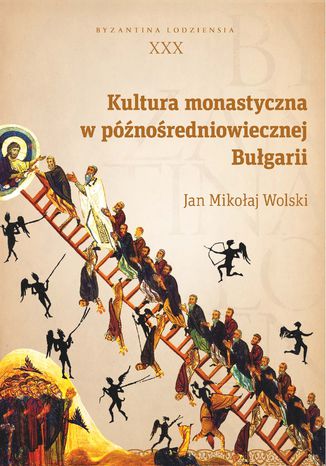
Kultura monastyczna w późnośredniowiecznej Bułgarii. Byzantina Lodziensia XXX
Jan Mikołaj Wolski
Mnisi i anachoreci odgrywali różnorakie role w społeczeństwie późnośredniowiecznej Bułgarii. Klasztory i pustelnie były "przystanią zbawienia", zapewniały odpowiednie warunki do prowadzenia prawdziwie chrześcijańskiego życia. Mnisi - najbliżsi Bogu spośród ludzi ("ziemscy aniołowie i niebiańscy ludzie") - sprawowali modlitewną opiekę nad chrześcijańską ekumeną. Ich orędownictwu wierni powierzali swoje codzienne troski, a władcy - losy kraju. Środowiska klasztorne ze swoimi skryptoriami jawią się nam jako najaktywniejsze ośrodki kulturotwórcze. Znajomość podstaw kultury mniszej jest niezbędna dla zrozumienia wielu zagadnień związanych z życiem ówczesnych Bułgarów. Niniejsza monografia daje przegląd tych aspektów życia mnichów i eremitów, które przesądziły o ich odrębności. Analizie poddany został system norm i wartości oraz struktura tej grupy, a także jej znaczenie jako instytucji społecznej. Dokonana przez autora metodyczna selekcja źródeł zaowocowała świeżym spojrzeniem na wiele zagadnień aktualnych dla filologów i historyków. Książka powstała na podstawie rozprawy doktorskiej, przygotowywanej pod kierunkiem prof. dr. hab. Mirosława J. Leszki w Katedrze Historii Bizancjum i obronionej w lipcu 2017 r. "Na podstawie solidnej analizy źródłowej rozprawa przedstawia ówczesne ideały życia ascetycznego, dotyczące celu życia mnichów, hierarchii ideałów i poszczególnych wzorców, jak i sposobu ich realizacji, jak kseniteia, wyobcowanie i wyrzeczenie się świata i siebie, pokuta czy modlitwa. Dobrze wydobywa z tekstów źródłowych napięcia, jakie istniały między wysokimi ideałami a słabością ludzką przejawiająca się w mniszej codzienności. Właściwie także przedstawia różne formy życia monastycznego: wspólnotowe, pustelnicze czy półpustelnicze, a także relacje społeczne, które były udziałem ówczesnych mnichów. Ks. prof. dr hab. Józef Naumowicz Uniwersytet Kardynała Stefana Wyszyńskiego, Warszawa
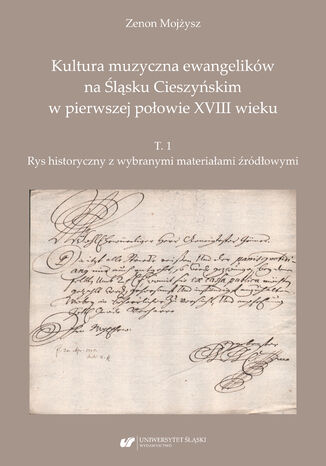
Zenon Mojżysz
Seria: Dyskursy sztuk(i) (2), ISSN 2719-941X Odkrycie nieznanych rękopisów muzycznych w archiwum Kościoła Jezusowego w Cieszynie w roku 2008 było impulsem do rozpoczęcia kompleksowych badań naukowych. W świetle tych badań osiemnastowieczny Cieszyn jawi się jako jeden z głównych ośrodków protestanckiej kultury muzycznej na Śląsku, promieniującej na cały Górny Śląsk i regiony ościenne. Od roku 1710, mimo wielu trudności, cieszyńskim kantorom udało się stworzyć prężnie działający zespół wokalno-instrumentalny i zapewnić muzyczną oprawę uroczystości i nabożeństw i na wysokim poziomie artystycznym. "Kantaty cieszyńskie" - zachowane do dziś utwory z ówczesnego repertuaru - stanowią żywe świadectwo tego fascynującego rozdziału historii muzyki.
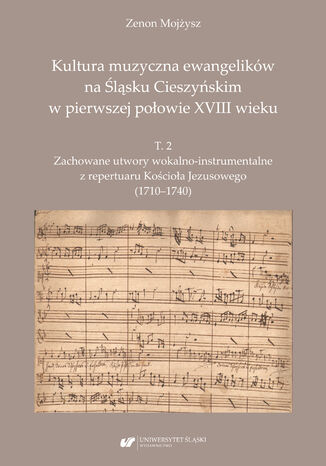
Zenon Mojżysz
Odkrycie nieznanych rękopisów muzycznych w archiwum Kościoła Jezusowego w Cieszynie w roku 2008 było impulsem do podjęcia kompleksowych badań naukowych. W ich świetle osiemnastowieczny Cieszyn jawi się jako jeden z głównych ośrodków protestanckiej kultury muzycznej na Śląsku, promieniujący na cały Górny Śląsk i regiony ościenne. Od roku 1710, mimo wielu trudności, cieszyńskim kantorom udało się stworzyć prężnie działający zespół wokalno-instrumentalny i zapewnić muzyczną oprawę uroczystości i nabożeństw na wysokim poziomie artystycznym. "Kantaty cieszyńskie", zachowane do dziś utwory z ówczesnego repertuaru, stanowią żywe świadectwo tego fascynującego rozdziału historii muzyki.
Artur Górski
KULTURA NARODU to książka, która ukazuje się drukiem po raz pierwszy, chociaż od śmierci autora minęło już pół wieku. Praca opowiada o znaczeniu kultury w życiu społeczeństw, a zwłaszcza o tym, w jaki sposób kultura polska przyczyniła się do przetrwania narodu pozbawionego własnej państwowości.

Kultura organizacyjna - zarządzanie, reperkusje
Ewa Kowalska-Napora, Janusz Maciej Chajęcki
W książce Kultura organizacyjna zarządzanie, reperkusje podjęta została analiza ewaluacji wartości wymiarów kulturowych przez pryzmat geopolityki, historii, religii, warunków bytowych, kształtujących świadomość jednostek i zbiorowości.

Kultura organizacyjna uczelni a wykorzystanie Web 2.0 w procesie komunikacji wykładowcy - studenci
Małgorzata Koszembar-Wiklik, Marek Krannich
Zaprezentowana monografia może stanowić również punkt odniesienia dla przyszłych badawczy, szczególnie w obszarze analiz kapitału społecznego polskich uczelni, przy konieczności regulowania zachowań ludzkich w relacjach osobowych i komunikacyjnych (…) Dzisiaj częstokroć sfera deklaratywności w zakresie konieczności wprowadzania zmian relacji komunikacyjnych oraz lepszego podejścia do potrzeb studentów nie przekłada się na jakiekolwiek działania praktyczne, zakotwiczone w standardach wymiany informacji wewnątrz uczelni. Silne zasygnalizowanie tego rodzaju koniecznych przekształceń uważam za ciekawy i ważki element monografii autorstwa dr Małgorzaty Koszembar-Wiklik oraz dra inż. Marka Krannicha. Autorzy bardzo trafnie zauważają, że kultura organizacyjna decyduje o tempie i sposobie dokonywania zmian, w tym o wdrażanych wzorcach komunikacji oraz metodach rozwiązywania problemów przy występującej w niepewności otoczenia (…). Fragment recenzji dr. hab. inż. Jana Brzóski, prof. Pol. Śl.