
Publisher: 16
Literatura prze-pisana. Od "Hamleta" do slashu
Agnieszka Izdebska, Danuta Szajnert
Formuły „literatura prze-pisana” używa się przede wszystkim do określenia tych spośród praktyk intertekstualnych, w których: 1) aktywizowane są inne niż punktowe odniesienia do cudzych wypowiedzi, czyli takie, w których semantycznej i często ideologicznej rewaloryzacji poddawane są większe całości tekstowe; 2) są to odniesienia skonkretyzowane, co wyróżnia je spośród relacji „przyrodzonych” anonimowej przestrzeni dyskursywnej; 3) prze-pisuje się nie tylko teksty literackie, którym przysługuje szczególny status kulturowy; 4) last but not least, jeśli prze-pisane ma coś wspólnego z kopią (z przepisanym), to musi to być tzw. kopia twórcza, rezultat twórczego czytania (odpowiednio oglądania), rezultat odsłaniający (re)kreacyjną rolę kopisty i jego usytuowania względem miejsca i czasu, w którym powstał oryginał. Książka dotyczy prze-pisywania, czyli szczególnej postaci literackiego, i nie tylko literackiego, recyklingu – czytania/interpretowania/pisania od nowa (ale też przekształcania w obrazy, widowiska, gry komputerowe i inne teksty intersemiotyczne funkcjonujące w kulturze cyfrowej) tego, co już zostało napisane. Autorki artykułów starają się w mniejszym lub większym stopniu wyeksponować sprawczą rolę rzeczywistości kulturowej, w której pre-teksty – traktowane jako część innej przestrzeni historycznej – są prze-pisywane. Publikacja stanowi interesującą diagnozę nie tylko szczególnych relacji intertekstualnych, ale też związków literatury ze światem.
Literatura rosyjska wobec upodmiotowienia zwierząt. W kręgu zagadnień ekofilozoficznych
Justyna Tymieniecka-Suchanek
Drugie wydanie nowatorskiej monografii poświęconej problematyce ekofilozoficznej rozważanej na materiale literatury rosyjskiej (od połowy XIX do końca XX w.), która, jak dotąd, była nieobecna w dyskursie literaturoznawczym współczesnej rusycystyki, zarówno polskiej jak i europejskiej. Autorka omawia podmiotowość zwierząt; podejmuje, poszukuje i analizuje zagadnienia ekofilozoficzne dotyczące relacji i interakcji pomiędzy człowiekiem a zwierzętami, z uwzględnieniem oceny i kwalifikacji moralnej ludzkich czynów wynikających z owych relacji (ekoetyka). Rozważania mają na celu określenie jakości ludzkiego bycia z nieludźmi na podstawie wybranych utworów z zakresu prozy, poezji i publicystyki. Ta interdyscyplinarna książka z pogranicza literaturoznawstwa i ekofilozofii, etyki środowiskowej i etologii kognitywnej, nawiązująca też do innych nauk (zoosemiotyki, prawnej ochrony zwierząt) stanowi próbę wpisania się w kontekst studiów zwanych „trzecią kulturą”. Autorka pokazuje złożone relacje człowiek – zwierzę w procesie historycznym na tle rozwoju nauk przyrodniczych. Kompozycyjny układ pracy wyznaczają zjawiska pozaliterackie, które wywarły bardzo istotny wpływ na przewartościowanie ludzkiego stosunku do zwierząt: teoria Darwina, ochrona dzikiej przyrody, osiągnięcia nowoczesnej etologii, druga wojna światowa oraz płynąca z jej doświadczeń refleksja nad etycznym aspektem ludzkiego bytu, prowadząca do powstania praw człowieka (1948) i kontynuacja tego samego nurtu myślowego, wiodącego do opracowania praw zwierząt (1978), bioetyka, studia nad świadomością zwierząt podjęte pod koniec XX w. oraz nowa gałąź nauki – etyka ochrony zwierząt (l. 80-90 XX w.). Książka jest adresowana głównie do czytelników, których interesuje dobrostan zwierząt oraz aspekty podmiotowości rozpatrywane w kluczu moralnej odpowiedzialności w relacjach człowiek-zwierzę. Wegetarianizm, gatunkizm, wiwisekcja, polowanie, biocentryzm, porozumienie międzygatunkowe, martyrologia zwierząt, sytuacje codzienne oraz ekstremalne, w których przeplatają się losy ludzi i zwierząt (wojna/gułag/kolektywizacja/klęska głodu) – to tylko niektóre zagadnienia, jakie tutaj podjęto. Nie jest to wszak lektura lekka i łatwa w odbiorze z uwagi na dominujące w niej motywy okrucieństwa wobec zwierząt, które pisarze obnażają m.in. po to, by skłonić czytelnika do namysłu nad ciemną stroną naszej (nie) ludzkiej natury. „Trzeba za(bić) to zwierzę” – w taki oto antropocentryczny paradygmat myślowy typowy dla homo sapiens wpisują się treści większości interpretowanych utworów. Książka nie tylko odsłania nowe oblicze pisarzy rosyjskich jako obrońców zwierząt, wyrażających zdecydowany sprzeciw wobec owego nagannego etycznie paradygmatu (np. F. Dostojewskiego, L. Tołstoja, S. Jesienina, W. Majakowskiego, W. Szałamowa, A. Cwietajewej, W. Astafjewa, A. Bitowa). Staje się ona ważnym przewodnikiem po zootwórczości mniej znanych/zapomnianych prozaików i poetów będących miłośnikami zwierząt (L. Zinowjewa-Annibal, J. Guro, W. Błażenny, A. Dobrolubow i in.). Ukazanie drogi literatury rosyjskiej do upodmiotowienia zwierząt, osiąga w prezentowanej monografii niemal rangę moralnego przesłania. Rozważania autorki mieszczą się w nurcie posthumanistycznym, kwestionującym dotychczasowe status quo człowieka, który przestał być centrum świata i miarą wszechrzeczy, nurtu naukowo wspierającego działania mające na celu ochronę gatunków i promującego studia nad relacjami ludzko-zwierzęcymi (animal studies). Zadaniem książki jest propagowanie w Polsce studiów, które na Zachodzie stanowią już odrębną dyscyplinę akademicką.
"Literatura środka". Kontekst słowiański
red. Barbara Stempczyńska, Lidia Mięsowska,
Publikowane w zbiorze teksty są wynikiem rozważań literaturoznawców, teatrologów, medioznawców, badaczy różnych kultur słowiańskich: rosyjskiej, polskiej, ukraińskiej, chorwackiej, czeskiej, białoruskiej. Kategoria „literatura środka” porządkuje wielość i różnorodność problematyki badawczej, daje obraz skomplikowanej materii zjawiska tzw. homogenizacji twórczości oraz różnych przejawów dynamicznego współdziałania literatury elitarnej i popularnej. W ścisłym powiązaniu z analizą utworów reprezentujących tytułową kategorię autorzy prowadzą interesującą polemikę, dotyczącą definicji „literatury środka”, projektując nowe aspekty i punkty widzenia. Przy całym bogactwie podejmowanych kwestii i rozpiętości proponowanych rozwiązań metodologicznych przyjęcie w tomie ram czasowych, które wyznacza przełom ostatnich stuleci, sprawiło, że pozornie odległe koncepty spinane są klamrą powtarzających się słów kluczy (takich jak: intertekst, hybryda, gatunek, parodia), wpisujących wszystkie rozważania w kontekst ponowoczesności i postmodernistycznego myślenia o literaturze.
Literatura świadomości. Samuel Beckett - podmiot - negatywność
Jakub Momro
Samuel Beckett jest w tej książce postacią centralną, ale nie jedyną. Jego dramaty, utwory prozą i poezja pozwalają zrozumieć, że pytania, które w języku własnej twórczości, trudnym do przełożenia na inny „zewnętrzny” język, stawia pisarz, są centralnymi kwestiami podejmowanymi przez najwybitniejszych myślicieli nowoczesności. Tak właśnie powstał pomysł, ażeby potraktować autora Molloya jako jednego z najważniejszych uczestników modernistycznej debaty o możliwościach istnienia, statusie i kształcie podmiotu, jednostkowej świadomości, która próbuje odnaleźć własne miejsce w świecie radykalnej alienacji – w rzeczywistości, w której sztuka stała się ostatnim sposobem na odzyskanie utraconego czasu i doświadczenia. Bardziej więc niż ściśle literaturoznawcze analizy autora zajmowało śledzenie przemian form podmiotowości i praca analityczna polegająca na ich konceptualizacji; bardziej niż uniwersalizm problemów wielorakie napięcia, jakie rodzą się w wyniku starcia świadomości i świata, które składałyby się na historię zmagania się nowoczesnego podmiotu z tym, co negatywne: śmiercią, nicością, nieobecnością sensu i pozorem życia. Utwory Becketta, układające się w nadzwyczaj spójny projekt literatury jako formy myślenia, im bardziej pozostają – by sparafrazować słynną maksymę Paula Klee – „nieuchwytne we własnej immanencji”, tym bardziej domagają się lektury, która – jak się wydaje – nie może mieć końca. Książka ta jest próbą sprostania wyzwaniu, jakim jest egzystencjalny, artystyczny i filozoficzny projekt autora Nienazywalnego.
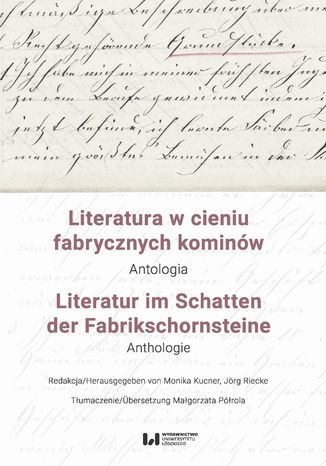
Monika Kucner, Jörg Riecke
Książka jest dwujęzyczną antologią kilkudziesięciu tekstów niemieckojęzycznych autorów z XIX i XX wieku, nieobecnych do tej pory w świadomości krytycznoliterackiej i czytelniczej, ale silnie zakorzenionych w łódzkiej tradycji. Redaktorzy tomu podjęli próbę rekonstrukcji literatury pisanej m.in. w charakterystycznej odmianie języka niemieckiego, tzw. Lodzer Deutsch/lodzerdeutsch, oraz zaprezentowania jej w tłumaczeniu na język polski. Teksty pochodzą głównie z prasy, tylko w nielicznych przypadkach zdigitalizowanej, więc publikacja ma też na celu ocalenie spuścizny kulturowej Łodzi. Czytelnik znajdzie w tomie sylwetki autorów, słowniczek wybranych pojęć w Lodzer Deutsch/lodzerdeutsch, teksty wstępne wprowadzające w kontekst historyczny i kulturowy „literatury łódzkiej”, a także w specyfikę łódzkiego wariantu niemczyzny. Publikacji towarzyszą nagrania pięciu tekstów w Lodzer Deutsch/lodzerdeutsch czytanych przez Aurelię Scheffel, która w 1946 roku wraz z rodzicami opuściła miasto rodzinne Łódź i przeniosła się do Oldenburga. Językiem, który zaprezentowała w nagraniach, posługiwała się na co dzień w swoim domu. Nagrania są dostępne na stronie Wydawnictwa UŁ (www.wydawnictwo.uni.lodz.pl) w karcie książki (Nagrania w Lodzer Deutsch – Aurelia Scheffel). „Teksty zostały przetłumaczone starannie i z polotem [...] antologia ma w zasadzie charakter popularyzatorski, ponieważ zamieszczone w niej teksty są adresowane do szerokiego kręgu odbiorców zainteresowanych historią i kulturą Łodzi, może także liczyć na odbiorców fachowych ze względu na teksty wstępne. [...] to przedsięwzięcie pionierskie. Należy je traktować jako próbę monograficznego przedstawienia historycznego już fenomenu, jakim były literatura łódzka i łódzka odmiana niemczyzny”. Z recenzji prof. dr. hab. Jerzego Kałążnego
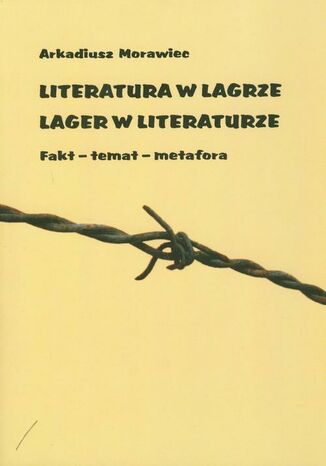
Literatura w łagrze. Lager w literaturze. Fakt - temat - metafora
Arkadiusz Morawiec
Problemy najistotniejsze dla Arkadiusza Morawca to problemy stricte literaturoznawcze: formy opisu doświadczenia, problem konwencji literackiej oraz języka i jego kwestionowanych możliwości (niewyrażalność lagrowego doświadczenia). Wybór centralnej kategorii problemowej - bezpośredniego doświadczenia - i historycznoliteracki układ pracy wyraziście porządkują omawiany materiał, świadczą o rygorze intelektualnym, któremu podporządkowany jest dyskurs naukowy, a przede wszystkim prowadzą do bardzo ciekawych wniosków, dotyczących ewolucji tematu lagrowego w literaturze. Chronologiczna segmentacja materiału doskonale eksponuje różnice pokoleniowe, inny stosunek do przeszłości i związaną z tym zmianę literackich konwencji. Uświadamia także, że Holokaust jako problem zarysował się stosunkowo późno i zagarnął literaturę lagrową. Z recenzji prof. dr hab. Seweryny Wysłouch
Literatura w terapii - warsztaty otwarte
Anna Bautsz-Sontag
Publikacja stanowi kontynuację poprzedniej książki autorki Literatura w terapii dzieci. Autorka poddaje refleksji pracę biblioterapeutyczną, którą zajmuje się jako psycholog i psychoterapeuta. Wskazuje na zasadnicze elementy procesu biblioterapeutycznego, jakimi są budowanie relacji terapeutycznej, konstruowanie w toku procesu terapeutycznego rozumienia oraz budowanie zmiany terapeutycznej. Autorka podkreśla, iż działania biblioterapeutyczne, aczkolwiek skupione wokół tekstu literackiego, zasadzają się na relacji terapeutycznej, zatem ich kluczową formułą powinna być regularność i systematyczność spotkań biblioterapeutycznych oraz stałość osoby terapeuty – znającego i rozumiejącego pacjenta, do którego kieruje działania biblioterapeutyczne. Wobec tak sformułowanego założenia dotyczącego pracy terapeutycznej z wykorzystaniem literatury autorka przedstawia działania biblio-edukacyjne oraz biblio-terapeutyczne sensu strice, wskazując różnice między nimi. Pierwszy rozdział pracy zawiera omówienie obszarów współcześnie uprawianej biblioterapii. Autorka dokonuje subiektywnego przeglądu oraz oceny tekstów literackich wykorzystywanych w pracy biblioterapeutycznej – bajek terapeutycznych, opowiadań dla dzieci, baśni. W rozdziale drugim – kluczowym dla meritum namysłu biblioterapeutycznego autorki – zaprezentowane są trzy perspektywy pracy terapeutycznej: rozumienie, relacja oraz zmiana. Autorka nie tylko definiuje i omawia owe perspektywy, ale też ukazuje ich znaczenie w jakości pracy terapeutycznej. W rozdziale trzecim autorka dokonuje przełożenia na biblioterapeutyczny proces założeń odnoszących się do terapii w ogóle – zatem przedstawia, w jaki sposób rozumienie, relacja oraz zmiana wpisują się w proces biblioterapeutyczny. Oddana do rąk czytelników publikacja zawiera również część praktyczną, rozdział czwarty – w nim autorka przedstawia propozycje biblioterapeutycznych warsztatów otwartych. Formuła warsztatów otwartych zasadza się na założeniu przekładu intersemiotycznego. Proces ten jest w pracy opisany i zaprezentowany w postaci przykładowych warsztatów kierowanych zarówno do dzieci, jak i dorosłych. Publikacja łączy w sobie namysł teoretyczny nad współcześnie uprawianą biblioterapią oraz prezentację praktycznych propozycji realizacji biblioterapeutycznych, opartych na doświadczeniach autorki w pracy z pacjentami w toku procesu terapeutycznego. Dedykowana jest osobom zajmującym się zawodowo terapią dzieci oraz wszystkim zainteresowanym biblioterapią.
Literatura źródłem związków frazeologicznych. Słownik
Agnieszka Piela
Literatura stanowi jedno z najstarszych źródeł frazeologii. W polskim zasobie frazeologicznym, zresztą nie tylko polskim, występują związki wyrazowe o pisarskiej proweniencji, których korzenie sięgają starożytności. Co istotne, jest to źródło wciąż żywe i otwarte, czemu dowód dają nowe konstrukcje tego typu wchodzące w obieg społeczny. Połączenia ukształtowane pod wpływem rozmaitych tekstów literackich są słabo zbadanym wycinkiem polskiej warstwy frazeologicznej. Dotąd nie powstało opracowanie ukazujące bogactwo omawianych frazeologizmów i objaśniające ich literackie pochodzenie. Prezentowany zbiór, mieszczący w sumie 140 jednostek języka, tę lukę w polskiej leksykografii wypełnia. W książce opisane zostały połączenia odnotowane w słownikach ogólnych bądź specjalistycznych, ale i związki, które po raz pierwszy zostały ujęte w niniejszym leksykonie, np. chocholi taniec; czekać na Godota; dantejskie sceny; jądro ciemności; kafkowska sytuacja; krewni i znajomi królika; ku pokrzepieniu serc; lwia część; mała apokalipsa; Mrożek by tego nie wymyślił; rząd dusz; samotny biały żagiel; skóra i kości; smuga cienia; trzech budrysów; zew krwi. W związku z faktem, iż w rodzimej lingwistyce brakuje odrębnej nazwy utrwalonych konstrukcji o rodowodzie literackim, autorka wprowadza w pracy termin "literaturyzm" i jego typy: "literaturyzm leksykalny", "literaturyzm frazeologiczny". Podstawowym celem publikacji jest przybliżenie znaczeń i etymologii wskazanego fragmentu frazeologii. Poznanie literackiej genezy funkcjonujących obecnie związków wydaje się ważne dlatego, że motywacja wielu z nich staje się coraz mniej czytelna dla użytkowników języka polskiego, w konsekwencji może ona ulec całkowitemu zatarciu.