
Видавець: 16
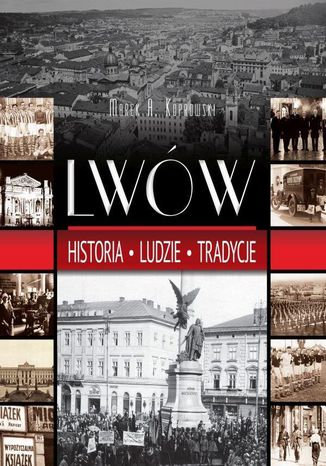
Lwów. Historia. Ludzie. Tradycje
Marek A. Koprowski
Lwów to miasto z niezwykłą historią, którą napotkać można w każdym z zakątków miasta. Czasy jego świetności, przypadające na przełom XIX i XX wieku to nie tylko okres obfitujący w przełomowe wydarzenia historyczne, ale także codzienne – dziś fascynujące – życie lwowskiej mozaiki kulturowej. Prezentowana książka to historia opowiedziana słowami znawcy tematyki kresowej, wzbogacona o liczne archiwalia.
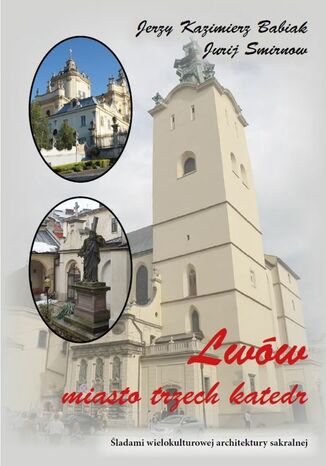
LWÓW. MIASTO TRZECH KATEDR. Śladami wielokulturowej architektury sakralnej
Jerzy Kazimierz Babiak, Jurij Smirnow
W książce przedstawiono wielokulturowość Lwowa na podstawie zabytków architektury religijnej związanych z funkcjonowaniem różnych społeczności w tym mieście. Na kartach książki przypatrujemy się wielokulturowości Lwowa przez pryzmat obiektów religijnych oraz ich wyposażenia – o charakterze sakralnym, jak i znaczących walorach kulturowych.
Aleksander Strojny, Krzysztof Bzowski
Lwów to miasto pogranicza. W jego wyglądzie odbijają się bogata kultura, trudna historia i tradycje kilku religii. Trzy katedry - łacińska, ormiańska i greckokatolicka, a także prawosławna cerkiew Wołoska są najbardziej czytelnymi dowodami współżycia kilku narodów zamieszkujących to miasto. Zwiedzanie stolicy Ukrainy zachodniej to wędrówka przez liczne epoki i style architektoniczne - od pozostałości staroruskich do budowli nowoczesnych, od gotyku po socrealizm. Dla Polaków największe znaczenie mają cmentarze:Łyczakowski i Orląt, na których spoczywają wybitni obywatele Rzeczypospolitej. Travelbook to Twój niezastąpiony towarzysz podróży. Wskaże najważniejsze atrakcje, podpowie, czego szukać poza głównymi szlakami, i wprowadzi w świat miejscowych obyczajów. Znajdziesz w nim opisy najciekawszych regionów i miast, a sprawdzone informacje praktyczne ułatwią zaplanowanie podróży. Przewodnik uzupełniają czytelne mapy, starannie dobrane zdjęcia i liczne ramki z ciekawostkami. Wszystko to w połączeniu z poręcznym formatem i atrakcyjną szatą graficzną sprawia, że Travelbook to najlepszy wybór dla ciekawych świata.
Kazimiera Zawistowska
Lwy Dwa cielska, krwią ociekłe, pod pustynną spieką: Lwy, w miłosnych zapasach piersią o pierś wsparte; Dwa cielska, kłów białością wzajem w siebie wżarte, Drgające pod skier żarnych złotopłynną rzeką. Opodal -- świecąc w słońcu otwartą paszczęką, Lwica gibkie swe ciało powoli rozpręża I krew wietrząc ruchami leniwego węża, Śledzi przebieg tej walki przymkniętą powieką. I cisza. [...]Kazimiera ZawistowskaUr. w 1870 r. w Rasztowcach na Podolu Zm. 28 lutego 1902 r. w Krakowie Poetka i tłumaczka. Początkowo dzięki ojcu, publicyście i daw. powstańcu styczniowym, nawiązała kontakt z czasopismami literackimi; jej wiersze drukowało krakowskie ?Życie? i ?Krytyka? oraz warszawska ?Chimera?. Jednak zbiorek jej poezji ukazał się dopiero po jej samobójczej śmierci, w 1903 r. (w oprac. Zenona Przesmyckiego). Jest autorką poezji miłosnej, w tym śmiałych jak na owe czasy erotyków oraz liryki poświęconej przyrodzie wsi podolskiej; oba tematy prowadziły poetkę do progu mistyki. Tłumaczyła symbolistów i parnasistów francuskich i belgijskich: Ch. Baudelaire'a, P. Verlaine'a, A. Samaina, A. Mockela.Kupując książkę wspierasz fundację Nowoczesna Polska, która propaguje ideę wolnej kultury. Wolne Lektury to biblioteka internetowa, rozwijana pod patronatem Ministerstwa Edukacji Narodowej. W jej zbiorach znajduje się kilka tysięcy utworów, w tym wiele lektur szkolnych zalecanych do użytku przez MEN, które trafiły już do domeny publicznej. Wszystkie dzieła są odpowiednio opracowane - opatrzone przypisami oraz motywami.

Fabrizio Volpe, Alessio Giombini, Lasse N Wedo,...
If you work with Lync on a daily basis or if you have to use a specific feature of Lync for a project, this is the book for you. For solutions architects, technical consultants, and administrators, if you have a Lync deployment and you want to upgrade, integrate, secure, or extend it to the cloud, you can get valuable information from the recipes in this book.
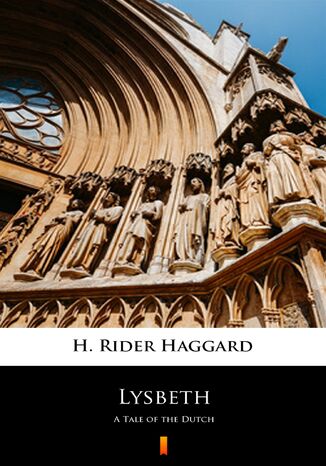
H. Rider Haggard
Lysbeth: A Tale of the Dutch an exciting historical adventure novel. The action takes place during the Spanish Inquisition and describes some of the horrors that occurred, giving you an idea of?? what it was like to live during this time period. Follow Lysbeth, a young Dutch girl who struggles through life, experiencing times of hardship and peace, sadness and happiness, war and love. This heartbreaking story will remind you of the values?? of religious freedom.
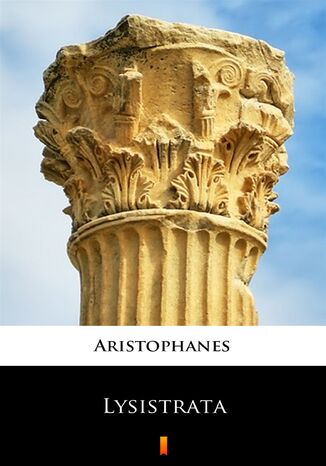
Aristophanes
A woman named Lysistrata, determined to stop the senseless war, gathers women from all over Greece in the square in front of the Acropolis of Athens. She offers them until the men make peace do not sleep with them, do not give them, do not touch them! . With difficulty and after much debate and bickering, women agree. They take refuge in the Acropolis and do not admit anyone to themselves. The entire civilian population is divided into two camps: women and the elderly
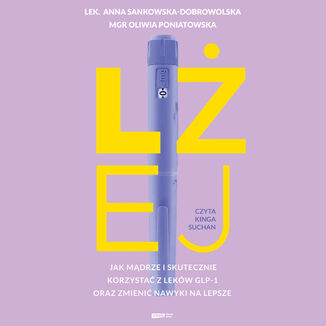
Lżej. Jak mądrze i skutecznie korzystać z leków GLP-1 oraz zmienić nawyki na lepsze
Anna Sankowska-Dobrowolska, Oliwia Poniatowska
Pierwszy polski poradnik dla osób rozpoczynających terapię lekami GLP-1 oraz dla tych, które już z niej korzystają. Zaczynasz leczenie analogami GLP-1, ale nie wiesz, jak się do tego zabrać? Czujesz, że wskazówki dotyczące diety, które dał ci lekarz, to za mało? Znana i ceniona lekarka Anna Sankowska-Dobrowolska (@lek_anna_obesitolog) oraz doświadczona dietetyczka i psychodietetyczka Oliwia Poniatowska (@liv.diet) odpowiadają na wszystkie pytania i rozwiewają wątpliwości osób stosujących leki GLP-1. Specjalistki bazują na rzetelnej wiedzy oraz swoim doświadczeniu z polskimi pacjentkami i pacjentami, by wytłumaczyć: jak działają analogi GLP-1 i czego się spodziewać w pierwszym miesiącu leczenia, jak prawidłowo jeść i uniknąć niedoborów, gdy znika uczucie głodu, jak dbać o metabolizm i zapobiec skutkom ubocznym stosowania leków GLP-1, jak szybko i skutecznie opanować nowe nawyki związane z jedzeniem, snem i radzeniem sobie ze stresem, co robić, gdy waga przestaje spadać, jak uniknąć efektu jo-jo. W książce znajdziesz także gotowe jadłospisy, proste strategie na trudniejsze dni, przepisy wysokobiałkowe oraz skuteczne techniki psychodietetyczne, które pomogą ci w terapii i utrzymaniu jej rezultatów. Odchudzaj się skutecznie. Odchudzaj się bezpiecznie. O autorkach: lek. med. Anna Sankowska-Dobrowolska Lekarka, specjalistka chorób wewnętrznych i obesitolożka, certyfikowana przez Polskie Towarzystwo Leczenia Otyłości oraz Polskie Towarzystwo Badań nad Otyłością. W swojej pracy łączy medycynę opartą na faktach z psychodietetyką i empatycznym, holistycznym podejściem do pacjentów. Absolwentka studiów podyplomowych z psychodietetyki na Uniwersytecie WSB Merito w Gdańsku. Autorka programu leczenia otyłości dla kobiet. mgr Oliwia Poniatowska Magister dietetyki oraz absolwentka studiów podyplomowych z psychodietetyki na Wyższej Szkole Rehabilitacji w Warszawie. Jest członkiem Polskiego Towarzystwa Leczenia Otyłości, posiada certyfikat Specjalista przyjazny insulinoopornym School of Insulinresistance Therapy. Na co dzień pracuje z pacjentami z otyłością i jej powikłaniami. W swojej pracy stawia na dopasowanie zaleceń do realnych możliwości pacjenta oraz budowanie zdrowych i trwałych nawyków zamiast rewolucyjnych zmian.