
Verleger: 16
Mieczysław Braun
Mieczysław Braun Przemysły Łódź fabryczna Warkocze dymów kłębami nad Łodzią czarną płyną, Robocza kurzawa ulic w niebo uderza ofiarnie, Czeszą je w górze szczerbate grzebienie wzniosłych kominów, Wszystkie warsztaty turkocą, palą się wszystkie latarnie. W kościołach czerwonych fabryk krążą pospiesznie i gwarnie Pasy szumiące i dźwignie i dyszą płuca olbrzymów, Spieszą się tkalnie, ... Mieczysław Braun Ur. 29 maja 1902 w Łodzi Zm. 17 grudnia 1941 lub 2 lutego 1942 w Warszawie Najważniejsze dzieła: Sonety, Żywe stronice, Rzemiosław: poezje, Sygnał z Marsa, Liść dębowy, Przemysły, Rzemiosła Polski poeta i adwokat żydowskiego pochodzenia. Właśc. Aleksander Mieczysław Bronsztejn. Syn Izaka Bronsztejna i Natalii z domu Szuman. Nauki pobierał w państwowej Szkole Realnej w Łodzi, z której przeniósł się od trzeciej klasy do prywatnego Ośmioklasowego Gimnazjum Męskiego Bogumiła Brauna. Nauka w Gimnazjum i wydarzenia I wojny światowej rozbudziły w nim zainteresowanie literaturą. Po ukończeniu szkoły w 1920 roku wstąpił do wojska i wyjechał na front pod Warszawę, walczył w szeregach 31 Pułku Strzelców Kaniowskich oraz 2 Pułku Piechoty Brygady Syberyjskiej. W październiku 1920 roku został zwolniony z wojska i wrócił do szkoły. W maju 1921 zdał maturę. Ukończył studia na Wydziale Prawa Uniwersytetu Warszawskiego, następnie wrócił do Łodzi i rozpoczął praktykę adwokacką. W 1926 roku zdobył tytuł magistra, a od 1930 prowadził własną kancelarię adwokacką Działalność literacką rozpoczął już w 1918 roku - wraz z grupą chłopców i pod patronatem Juliana Tuwima oraz innych poetów, założyli czasopismo literackie "Tańczący Ogień", którego pierwszy i jedyny numer ukazał się w 1919 roku. Po zakończonych studiach, oprócz pracy zawodowej, poświęcił się również twórczości poetyckiej, o której wiedzieli tylko najbliżsi. W 1919 roku publikował wiersze w "Głosie Polskim", później również m.in. w "Skamandrze", "Wiadomościach Literackich", "Nowej Sztuce", "Expressie Ilustrowanym". Po wybuchu II wojny światowej przedostał się z żoną do Lwowa. W 1940 roku wrócił do Warszawy, został przesiedlony do getta warszawskiego, gdzie pracował na poczcie. Zmarł na tyfus plamisty. Kupując książkę wspierasz fundację Nowoczesna Polska, która propaguje ideę wolnej kultury. Wolne Lektury to biblioteka internetowa, rozwijana pod patronatem Ministerstwa Edukacji Narodowej. W jej zbiorach znajduje się kilka tysięcy utworów, w tym wiele lektur szkolnych zalecanych do użytku przez MEN, które trafiły już do domeny publicznej. Wszystkie dzieła są odpowiednio opracowane - opatrzone przypisami oraz motywami.
Łódź. Historia wielokulturowego miasta przemysłowego w XX wieku
Hans-Jürgen Bömelburg
Hans-JUrgen BOmelburg prezentuje nowatorskie, całościowe i bogato udokumentowane ujęcie historii Łodzi, snując pasjonującą opowieść o tym drugim co do wielkości przez cały wiek XX polskim mieście z perspektywy wielokulturowości i wielojęzyczności. Rozkwit tej miejscowości był zasługą niemieckich, żydowskich i polskich fabrykantów tekstylnych, kupców, a także robotników, zwłaszcza robotnic, żyjących często w warunkach ubóstwa i niepewności. Ta społeczność kształtowała wizerunek Łodzi jako "miasta wielu kultur". Autor pokazuje również jej rozpad na grupy narodowe w latach trzydziestych oraz rozsadzenie jej od środka i zagładę w czasie drugiej wojny światowej (poprzez eksterminację ludności żydowskiej i wymordowanie polskich elit), kiedy okupowana przez Niemców Łódź nosiła nazwę Litzmannstadt. Po 1945 roku wysiedlenia i dyskryminacje (głównie na fali antysemityzmu w 1968 roku) dopełniły dzieła zniszczenia wielokulturowego dziedzictwa metropolii. Łódzki przemysł włókienniczy, niedoinwestowany w Polsce Ludowej, w okresie transformacji nie mógł zaś liczyć na wsparcie ze strony kolejnych rządów, co przy utracie większości rynków zbytu doprowadziło do jego upadku, a w konsekwencji do deklasacji miasta. Dzisiejsza Łódź usiłuje zachować swoją spuściznę historyczną, jednak w obliczu zaniku dawnej wielojęzyczności i wielokulturowości jest to ogromnym wyzwaniem.
Łódź i łodzianie wobec wojny polsko-bolszewickiej 1920 roku
Witold Jarno, Przemysław Waingertner
W serii powołanej dla uczczenia 100. rocznicy odzyskania przez Polskę niepodległości w 1918 r. oraz utrwalenia w polskiej świadomości zbiorowej wiedzy historycznej o genezie i przebiegu odbudowy państwa polskiego ukażą się monografie, biografie i źródła, dla których tematyczną klamrą będzie idea polskiej niepodległości oraz walki o jej urzeczywistnienie i kształt z uwzględnieniem zagadnień polskich i międzynarodowych; politycznych, społecznych i ekonomicznych; walki orężnej i działań dyplomatycznych; wreszcie przedsięwzięć na polu kultury. Książka zawiera teksty znanych łódzkich historyków, muzealników i archiwistów, ukazujące wpływ wojny polsko-sowieckiej (1919-1921) na funkcjonowanie Łodzi i jej mieszkańców oraz udział łodzian w tej wielkiej batalii. Autorzy prezentują ówczesną rolę miasta jako centrum administracyjnego i ośrodka życia społeczno-politycznego, kulturalnego oraz wojskowego. Przedstawiają działania łódzkiej społeczności i lokalnych elit politycznych, intelektualnych i gospodarczych, podejmowane w obliczu wojny z Rosją bolszewicką. Kreślą przy tym wyraziste portrety łódzkich polityków i działaczy społecznych. Równocześnie poszukują śladów tego dramatycznego okresu we współczesnym obliczu miasta, w jego muzeach, archiwach i na wielkich łódzkich nekropoliach. Zadają pytania o miejsce roku 1920 w zbiorowej pamięci pokoleń łodzian. Ostatnio ukazały się: Niepodległa. Rozważania prawno-ustrojowe w 100. rocznicę odrodzenia suwerennego państwa polskiego, pod redakcją Aldony Domańskiej i Anny Michalak Witold Jarno, Garnizon Wojska Polskiego w Tomaszowie Mazowieckim w latach 1918-1939 Konrad Banaś, Odrodzona Rzeczpospolita na rynkach zamorskich. Handel polsko-arabski w latach 1918-1939 Jędrzej Moraczewski, Wspomnienia. Ludzie, czasy i zdarzenia. Część pierwsza: Młodość i praca inżynierska. Tom 2: Lata 1895-1900, opracowanie, wstęp i komentarz Ilona Florczak Piotr Kędzia, Sport w Polsce międzywojennej. Działalność oświatowa stowarzyszeń sportowych w Łodzi Wkrótce: Małgorzata Łapa, Polska polityka handlu zagranicznego w latach 1918-1939
Katarzyna Badowska, Tomasz Cieślak, Krystyna Pietrych, Krystyna...
Łódź modernistyczna to wyzwanie estetyczne i polityczne , miasto paradoksów: brudne, biedne i zaniedbane - i jednocześnie ostentacyjnie bogate; zacofane społecznie - i nowoczesne jako ośrodek przemysłowy; stanowiące ikoniczny przykład modernizmu peryferyjnego, przez kolejne dziesięciolecia XIX wieku coraz dynamiczniej rozwijającego się ośrodka rozbudowującego swój potencjał wytwórczy i pomnażającego kapitał, ale ciągle niemogącego stać się nowoczesnym ośrodkiem miejskim. O nowoczesności Łodzi świadczyła przede wszystkim gwałtowna industrializacja wiążąca się z postępem technicznym i mechanizacją produkcji. Dlatego często nazywano miasto "polskim Manchesterem" w analogii do ośrodka rewolucji przemysłowej w Anglii - cywilizacyjnego centrum dziewiętnastowiecznego świata, głównie ze względu na podobną włókienniczą monokulturę przemysłową i równie brutalne w obu przypadkach oblicze kapitalizmu. Zamieszczone w niniejszej publikacji studia i szkice podejmują na nowo - a często po raz pierwszy - ważne kwestie związane z Łodzią jako prowincjonalnym miastem modernistycznym, analizując je w wielu aspektach. Istotna okazuje się tu wieloaspektowo rozumiana nowoczesność , zjawisko o charakterze globalnym, lecz w swym łódzkim, lokalnym i historycznym wymiarze zachowujące odrębność i specyfikę, która pozwalała ujmować dokonujące się przemiany współczesnego świata na różnych poziomach i w wielu porządkach. Rozpisana na głosy opowieść o modernistycznej Łodzi, którą proponujemy czytelnikom, daje szansę przyjrzenia się źródłom europejskiej nowoczesności w jej rozmaitych, również naszych rodzimych wymiarach. Jest opowieścią o świecie minionym , jednak nie do końca, bowiem - jesteśmy o tym przekonani - otwiera pole do refleksji nad naszą obecną kondycją. Odkrywanie fenomenu Łodzi trwa.
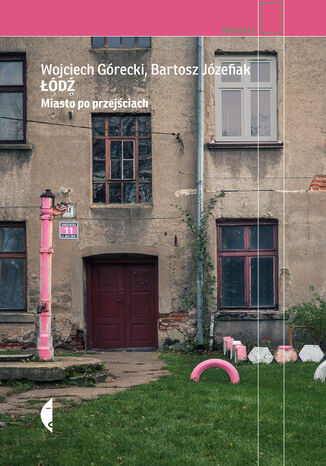
Wojciech Górecki, Bartosz Józefiak
W Łodzi dzieje się dokładnie to samo, co w każdym polskim mieście. Tylko że dzieje się bardziej. Ta książka to podróż po ostatnich trzydziestu latach polskiego Manchesteru. Miasta, w którym ŁKS i RTS wciąż piszą po murach, rewitalizacja pochłania miliony, a secesyjne kamienice chylą się ku upadkowi. Ale też metropolii, które ma największy w kraju dworzec, śmiało korzysta ze swojego postindustrialnego charakteru i niezmiennie przyciąga miłośników kina i artystów. O Łodzi opowiada reporterski duet: Wojciech Górecki przywołuje wspomnienia z przełomu lat 80. i 90., a ze współczesnością konfrontuje je Bartosz Józefiak. Teksty tworzą książkę eksperyment rozciągniętą na trzy dekady reporterską panoramę miasta.
Łódź poprzez wieki. Historia miasta. Tom 1: do 1820 roku
Tadeusz Grabarczyk
Historia miast przeżywa obecnie wyraźny rozkwit, o czym świadczą liczne, często obszerne tomy przedstawiające dzieje światowych aglomeracji i mniejszych ośrodków miejskich. Rozmaite aspekty życia miejskiego przybliżane są w naukowych monografiach, esejach, a także w historiach literackich, kryminalnych czy kulinarnych. Poszukiwanie lokalnych tożsamości stanowi przeciwwagę dla procesów kulturowej unifikacji i globalizacji - jest odkrywaniem swoistego miejskiego genius loci. Popularność badań nad przeszłością i współczesnością miast wynika także z refleksji świadomej znaczenia miejskości jako ważnego czynnika postępu cywilizacyjnego i nowoczesności. Powyższe konstatacje odnoszą się także do Łodzi, mającej od sześciu wieków prawa miejskie, a od dwóch stuleci status jednego z najważniejszych ośrodków miejskich w Polsce. Pomimo istnienia ogromnej liczby różnego typu publikacji o mieście nad Łódką, odczuwalny jest brak nowego syntetycznego opracowania jego pełnej historii. Oddawana w ręce Czytelników wielotomowa publikacja, będąca efektem prac licznego zespołu autorskiego, ma na celu zaradzić temu niedostatkowi. Pierwszy tom publikacji poświęcony jest dziejom Łodzi do 1820 r., a więc czasom, gdy była ona niewielkim miasteczkiem rolniczym. Opisana w nim została również przeszłość osad, które kiedyś stanowiły odrębne wioski, a obecnie znajdują się w granicach miasta. Dziś przypominają o nich jedynie nazwy poszczególnych części miasta, osiedli czy ulic. Autorzy, którzy wykorzystali wiele nieprzebadanych dotąd źródeł, nie tylko porządkują dotychczasowe ustalenia badaczy, ale również odkrywają przed Czytelnikiem wiele nowych faktów. Ta publikacja pozwala poznać przeszłość administracyjną i gospodarczą miasta, ukazuje życie codzienne jego mieszkańców w okresie staropolskim i przednowoczesnym. Tekst główny uzupełniają kapsuły zawierające fragmenty wartościowych źródeł, biogramy i ciekawostki oraz ilustracje. To książka o Łodzi, nim stała się ona "ziemią obiecaną".
Łódź poprzez wieki. Historia miasta, tom 2: 1820-1914
Jarosław Kita
Historia miast przeżywa obecnie wyraźny rozkwit, o czym świadczą liczne publikacje przedstawiające dzieje światowych aglomeracji i mniejszych ośrodków miejskich. Rozmaite aspekty życia miejskiego przybliżane są w naukowych monografiach, esejach, a także w historiach literackich, kryminalnych czy kulinarnych. Poszukiwanie lokalnych tożsamości stanowi przeciwwagę dla procesów kulturowej unifikacji i globalizacji - jest odkrywaniem swoistego miejskiego genius loci. Odnosi się to także do Łodzi, mającej od sześciu wieków prawa miejskie, a od dwóch - status jednego z najważniejszych ośrodków miejskich w Polsce. Pomimo istnienia ogromnej liczby publikacji o mieście nad Łódką, odczuwalny jest brak nowego syntetycznego opracowania jego pełnej historii. Monografia będąca efektem pracy ponad 20 autorów poświęcona jest dziejom Łodzi w latach 1820-1914, a więc czasom, kiedy niewielkie rolnicze miasteczko przekształciło się w wielki przemysłowy ośrodek miejski. Można w nim odnaleźć także informacje o przeszłości podłódzkich wsi, obecnie dzielnic miasta, w których wówczas zamieszkiwały dziesiątki tysięcy ludzi. Historia Łodzi przemysłowej cieszyła się od lat największym zainteresowaniem badaczy, dlatego autorzy stanęli przed trudnym zadaniem innego, nowatorskiego jej ujęcia. Porządkują zatem dotychczasowe ustalenia, ale również odkrywają przed Czytelnikiem nowe fakty. Narracja podporządkowana jest przede wszystkim przybliżeniu wieloaspektowego życia kształtującej się nowoczesnej społeczności miasta. Tekst główny uzupełniają kapsuły zawierające fragmenty wartościowych źródeł, biogramy i ciekawostki oraz ilustracje. To książka o Łodzi, która stała się "ziemią obiecaną".
Łódź poprzez wieki. Historia miasta, tom 3: 1914-1945
Przemysław Waingertner
Historia miast przeżywa obecnie rozkwit, o czym świadczą liczne tomy przedstawiające dzieje światowych aglomeracji i mniejszych ośrodków miejskich. Rozmaite aspekty życia miejskiego przybliżane są w naukowych monografiach, esejach, a także w historiach literackich, kryminalnych czy kulinarnych. Poszukiwanie lokalnych tożsamości stanowi przeciwwagę dla procesów kulturowej unifikacji i globalizacji - jest odkrywaniem swoistego miejskiego genius loci. Odnosi się to także do Łodzi, mającej od sześciu wieków prawa miejskie, a od dwóch - status jednego z najważniejszych ośrodków miejskich w Polsce. Pomimo istnienia ogromnej liczby publikacji o mieście nad Łódką, odczuwalny jest brak nowego syntetycznego opracowania jego pełnej historii. Oddawana w ręce Czytelników wielotomowa publikacja, będąca efektem prac licznego zespołu autorskiego, ma na celu zaradzić temu niedostatkowi. Trzeci tom publikacji poświęcony jest dziejom Łodzi w latach 1914-1945 - czasom, kiedy wielki przemysłowy ośrodek miejski mierzył się z dramatem dwóch wojen światowych oraz krótkim okresem odbudowy i rozwoju w niepodległej Rzeczypospolitej. Autorzy proponują Czytelnikowi podróż w czasie z dziewiętnastowiecznej "ziemi obiecanej" do dwudziestowiecznej nowoczesności. Podróż ta, okupiona wyludnieniem, zmianą oblicza narodowościowego, stratami materialnymi i dewastacją przemysłu, pokazała hart ducha oraz siłę miasta i jego mieszkańców. Nie tylko odbudowywali oni zniszczone fabryki, zakładali małe rodzinne firmy, tworzyli własną administrację, budowali szkoły, przedszkola, świątynie, ofiarnie pomagali najsłabszym spośród wielkomiejskiej społeczności, ale także bawili się i tworzyli. Gehenna wojny zmiotła z powierzchni ziemi dawny świat i ogromną rzeszę jego mieszkańców - łodzian. Tekst główny książki opowiada zniszczeniu i odrodzeniu, a uzupełniają go kapsuły zawierające fragmenty wartościowych źródeł, biogramy i ciekawostki oraz ilustracje.