
Wydawca: 16
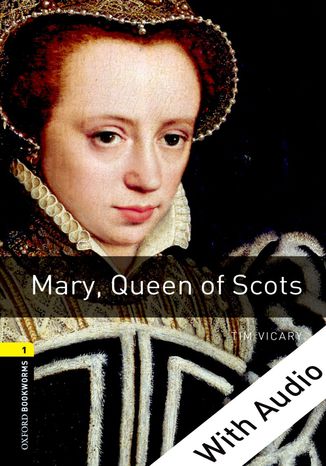
Mary Queen of Scots - With Audio Level 1 Oxford Bookworms Library
Vicary, Tim
A level 1 Oxford Bookworms Library graded reader. This version includes an audio book: listen to the story as you read. Written for Learners of English by Tim Vicary. England and Scotland in the 1500s. Two famous queens - Mary, the Catholic Queen of Scots, and Elizabeth I, the Protestant Queen of England. It was an exciting and a dangerous time to be alive, and to be a queen. Mary was Queen of Scotland when she was one week old. At sixteen, she was also Queen of France. She was tall and beautiful, with red-gold hair. Many men loved her and died for her. But she also had many enemies - men who said: 'The death of Mary is the life of Elizabeth.'
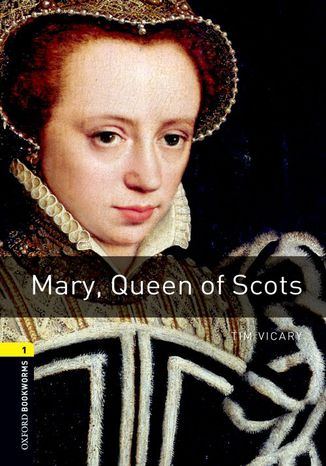
Mary Queen of Scots Level 1 Oxford Bookworms Library
Vicary, Tim
A level 1 Oxford Bookworms Library graded readers. Written for Learners of English by Tim Vicary England and Scotland in the 1500s. Two famous queens - Mary, the Catholic Queen of Scots, and Elizabeth I, the Protestant Queen of England. It was an exciting and a dangerous time to be alive, and to be a queen. Mary was Queen of Scotland when she was one week old. At sixteen, she was also Queen of France. She was tall and beautiful, with red-gold hair. Many men loved her and died for her. But she also had many enemies - men who said: 'The death of Mary is the life of Elizabeth.'
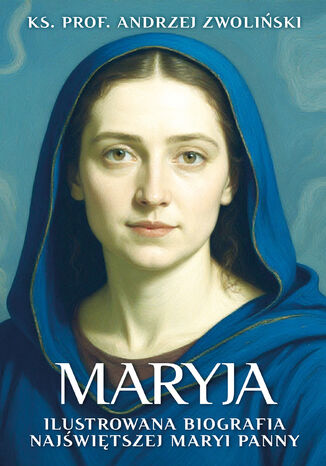
Maryja. Ilustrowana biografia Najświętszej Maryi Panny
ks. prof. Andrzej Zwoliński
Ilustrowana biografia najważniejszej kobiety świata, której "tak" odmieniło losy ludzkości. 384 kolorowe strony, ponad 170 kolorowych ilustracji Po biografiach Oblubieńca Najświętszej Maryi Panny - Św. Józefa, oraz Namiestnika Chrystusowego - św. Piotra, znany teolog, ks. prof. Andrzej Zwoliński, kierownik katedry Katolickiej Nauki Społecznej, pochylił się nad biografią Królowej Nieba i Ziemi - Najświętszej Maryi Panny. Sięgnął po apokryfy, wielkie objawienia (Marii z Agredy, Katarzyny Emmerich i wielu innych) oraz obficie korzystał ze źródeł i książek historycznych. Autor tłumaczy nam znaczenie teologiczne oraz tło historyczne wydarzeń, w których uczestniczyła Najświętsza Maryja Panna, naświetla żydowskie obyczaje religijne i społeczne. Narracji towarzyszą liczne reprodukcje dzieł sztuki, dokumentujące ziemską biografię Królowej Polski. Królowa Nieba i Ziemi, Nowa Arka Przymierza, Tabernakulum Zbawiciela Córka swojego Syna Najświętsza Maryja Panna
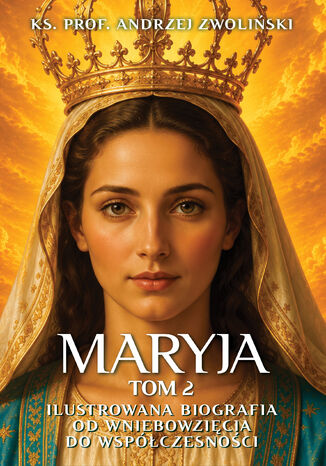
Maryja. Ilustrowana biografia. Tom 2
Ks. prof. Andrzej Zwoliński
Pierwszy tom biografii Królowej Nieba i Ziemi okazał się bestsellerem. Autor przygotował jego drugą część ukazująca losy Maryi od Jej chwalebnego wniebowzięcia aż do czasów współczesnych. Ks. prof. Zwoliński przywołuje maryjne modlitwy (w tym różaniec i szkaplerz) a także wielkie interwencje Królowej, objawienia i spektakularne cuda, najróżniejsze nabożeństwa maryjne oraz wizerunki Maryi słynące łaskami. Autor tłumaczy nam znaczenie teologiczne oraz tło historyczne wydarzeń, w których uczestniczyła Najświętsza Maryja Panna, oraz duchowe skutki interwencji maryjnej w różnych częściach świata. Narracji towarzyszą liczne reprodukcje dzieł sztuki. Królowa Nieba i Ziemi, Królowa Polski - to ona zgniecie łeb węża. Najświętsza Maryja Panna Ponad 120 kolorowych ilustracji
Józef Ruffer
Maryja Panna Jakkolwiek ono było, o Maryjo Panno, Godna jest, iżbyś Duszom pięknie dobrych ludzi Była matką, co Boga z łona swego budzi, A jaśnieje czystością słodką, nienaganną. Jakkolwiek ono było, o Panno Maryjo, Niechaj Twego Poczęcia Nieskalane Dziwo Przyświeca znojom Duszy gwiazdą miłościwą, Kojące Tajemnice niechaj się w nim kryją. Podle Krzyża Chrystusów Radość nienaganną, Płakałaś w czystej Duszy, o Synu wiedząca, Że jeno ludzkim oczom zaszedł, na wzór Słońca, Jakkolwiek ono było, o Maryjo Panno. [...]Józef RufferUr. 18 marca 1878 r. w Żółkwi Zm. 27 października 1940 w Warszawie Najważniejsze dzieła: Posłanie do dusz (1903), Trzy psalmy i hejnał (1917) Poeta i tłumacz. Miał wykształcenie humanistyczne oraz plastyczne - studiował na wydziale rzeźby w Krakowie i Paryżu. Wcześniej, we Lwowie, związany był z młodzieżowym środowiskiem literackim i wraz z Leopoldem Staffem i braćmi Korab-Brzozowskimi należał do kółka literackiego Czytelni Akademickiej oraz grupy Płanetnicy. Po studiach przez wiele lat (1912-1920) pracował w Bibliotece Polskiej w Paryżu, następnie powrócił do Polski; pracował jako nauczyciel i korektor. Wiersze publikował od czasów studenckich, jednak większość jego utworów pozostała rozproszona w czasopismach krajowych (?Chimera?, ?Krytyka?, ?Głos?) i emigracyjnych. Z wydanych tomików pierwszy (Posłanie do dusz) stanowi ekspresję witalizmu i optymizmu, drugi zaś jest zbiorem wierszy patriotycznych. Ze względu na styl poetycki, Ruffera trudno zaliczać do pokolenia Młodej Polski, do którego przynależał metrykalnie.Kupując książkę wspierasz fundację Nowoczesna Polska, która propaguje ideę wolnej kultury. Wolne Lektury to biblioteka internetowa, rozwijana pod patronatem Ministerstwa Edukacji Narodowej. W jej zbiorach znajduje się kilka tysięcy utworów, w tym wiele lektur szkolnych zalecanych do użytku przez MEN, które trafiły już do domeny publicznej. Wszystkie dzieła są odpowiednio opracowane - opatrzone przypisami oraz motywami.
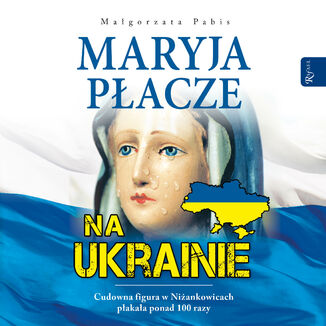
Małgorzata Pabis
Wznowienie książki Maryja płacze na Ukrainie ukazuje się w dramatycznym dla naszych sąsiadów, ale i całego świata momencie. Historia bowiem znów zatoczyła koło i Rosja napadła na Ukrainę. Jakże nie spojrzeć dziś z zupełnie innej perspektywy na wydarzenia w Niżankowicach, które opisaliśmy kilka lat temu w niniejszej publikacji. Jakże nie uznać łez Matki Bożej wylanej na ukraińskiej ziemi jako przestrogi przed tym, co zdarzyło się obecnie. W małym kościółku tuż za polską granicą z Ukrainą, całkiem niedawno, bo w 2005 roku, zapłakała figura Matki Bożej. Nie towarzyszyły temu objawienia, nie było orędzi, były tylko łzy Na początku 2014 roku świat stanął na krawędzi globalnego konfliktu zbrojnego. Oczy wszystkich zwrócone zostały na Ukrainę. Czy te dwa wydarzenia są ze sobą związane? Dlaczego Maryja zapłakała na tamtej ziemi? Czy Matka Boża płakała tylko nad Ukrainą, czy może nad całym światem? Czy Jej łzy były zapowiedzią wydarzeń, do których niedawno doszło za naszą wschodnią granicą? Troje dziennikarzy pojechało na miejsce cudownych wydarzeń, by szukać odpowiedzi na te pytania. Ta książka jest owocem ich dziennikarskiego śledztwa prowadzonego w Niżankowicach i pierwszą publikacją na ten temat.
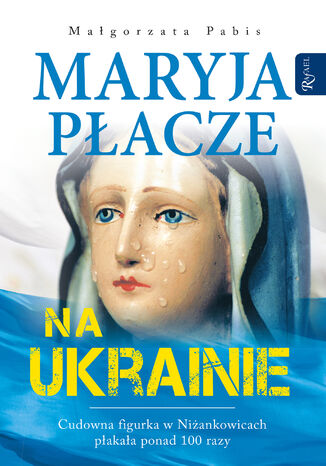
Małgorzata Pabis
W małym kościółku tuż za polską granicą z Ukrainą, całkiem niedawno, bo w 2005 roku, zapłakała figura Matki Bożej. Nie towarzyszyły temu objawienia, nie było orędzi, były tylko łzyNa początku 2014 roku świat stanął na krawędzi globalnego konfliktu zbrojnego. Oczy wszystkich zwrócone zostały na Ukrainę. Czy te dwa wydarzenia są ze sobą związane? Dlaczego Maryja zapłakała na tamtej ziemi? Czy Matka Boża płakała tylko nad Ukrainą, czy może nad całym światem? Czy Jej łzy były zapowiedzią wydarzeń, do których niedawno doszło za naszą wschodnią granicą? Troje dziennikarzy pojechało na miejsce cudownych wydarzeń, by szukać odpowiedzi na te pytania. Ta książka jest owocem ich dziennikarskiego śledztwa prowadzonego w Niżankowicach i pierwszą publikacją na ten temat.
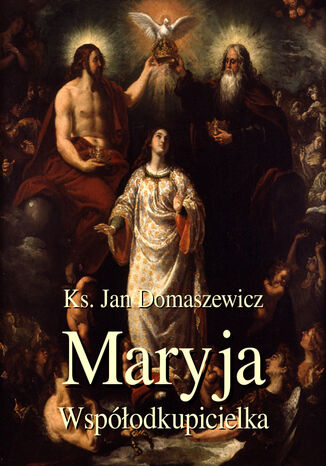
Jan Domaszewicz
Maryja jest Obronicielką zdolną zbawić nas wszystkich, bo jest wszechmocną w ratowaniu grzeszników: co Bóg może potęgą, to Najświętsza Panna Maryja swymi prośbami u Boga; cokolwiek prosi Matka, niczego nie odmawia Jej Syn Boży. W jakimkolwiek opłakanym stanie byłaby dusza człowieka, nie powinien obawiać się upaść do stóp Tej, która nie odpycha od siebie nikogo z uciekających się pod Jej opiekę: Maryja nieustająca, najgorliwsza, Obronicielka, Sama przedstawia Bogu modlitwy do Niej się uciekających; jedyna ucieczka zatraconych, nadzieja nieszczęśliwych, Obronicielka wszystkich największych grzeszników, garnących się do Jej miłosierdzia; a nawet cieszy się z tego, iż jest Matką grzeszników, których pragnie z Bogiem pojednać. Po Jezusie, Maryja zbawieniem naszym. Chroni od piekła tych, co Jej cześć należną oddają; ratuje sługi swoje w czyśćcu zatrzymane, i wiedzie swych czcicieli do Raju.