
Verleger: 16
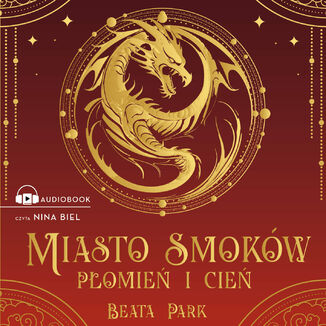
Beata Park
Anna nigdy nie wierzyła w magię i smoki. Ale czy można zaprzeczyć ich istnieniu, jeśli jeden z nich staje tuż przed nią? Anna prowadzi najzwyklejsze na świecie życie. Jak wszystkie nastolatki. Aż do chwili, gdy jej ojciec znika w tajemniczych okolicznościach, a ona zostaje porwana przez smoka i trafia na wyspy, które zamieszkują Drakanie ich jeźdźcy. Wszystko wokół niej staje się coraz dziwniejsze. Dowiaduje się, że ma magiczne umiejętności. Jeden z najbardziej nieposłusznych smoków nie odstępuje jej nawet na krok. Poznaje też Williama, niesamowicie przystojnego, młodego Drakana. I choć stara się go unikać, ich drogi i tak ciągle się krzyżują. Kiedy nieoczekiwanie potwierdza się istnienie pewnego starożytnego manuskryptu, sprawy komplikują się jeszcze bardziej. Jeśli trafi on w niepowołane ręce, wszystkich czeka zagłada. Czy Anna odnajdzie ojca, nim będzie za późno? Jak poradzi sobie z okiełznaniem buntowniczego smoka? I czy plotki o Williamie okażą się prawdą?

Miasto szczęśliwe. Jak zmienić nasze życie zmieniając nasze miasta
Charles Montgomery
Przeczytanie tej książki zakończone pisemnym i ustnym egzaminem z jej treści powinno być ustawowym obowiązkiem każdego polskiego urzędnika mającego jakikolwiek wpływ na kształt miasta - napisał Filip Springer we wstępie do książki "Miasto Szczęśliwe". Miasta są przyszłością ludzkości, to w nich już dziś mieszka większość ludności świata. Wedle szacunkowych danych WHO w 2050 r. będzie je zamieszkiwało około 66% globalnej populacji. Paradoksalnie jednak w krajach najbardziej rozwiniętych obserwujemy postępującą ucieczkę z miast, bowiem miasta jakie znamy są obarczone licznymi wadami. Autor mierzy się z pytaniem o przyszłość miast, podchodząc do zagadnienia z perspektywy ludzkiego szczęścia. Zdaniem autora miasto może i powinno być miejscem, w którym mieszkańcy prowadzą szczęśliwe życie, a osiągnąć to można przez właściwe rozwiązania urbanistyczne i projektowanie miast. "Miast szczęśliwe" łączy po mistrzowsku stronę faktograficzną ze sferą osobistych obserwacji i odczuć autora. Charles Montgomery (ur. 1968 w Vancouver) to wielokrotnie nagradzany kanadyjski pisarz, dziennikarz i aktywista miejski, a zarazem jednym z najbardziej cenionych specjalistów w dziedzinie współczesnej urbanistyki, historii i rozwoju miast. Jest również liderem interdyscyplinarnego zespołu zajmującego się badaniem czynników, które wywierają wpływ na samopoczucie ich mieszkańców. Tłumaczenie: Tomasz Tesznar Książka wydana przy wsparciu Canada Council for the Arts. Patroni medialni: AMS, Tygodnik Powszechny, Magazyn MIASTA, bryla.pl, urbnews.pl
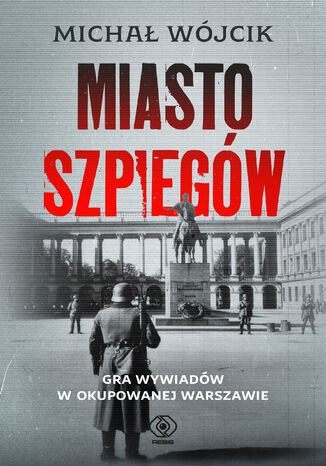
Miasto szpiegów. Gra wywiadów w okupowanej Warszawie
Michał Wójcik
Tajne operacje, skomplikowane prowokacje i zamachy. Nieznane oblicze okupowanej Warszawy 1942-1944. To Polacy przekazali aliantom najwięcej informacji, które zdecydowały o losie II wojny światowej. I choć nie wszystkie zdobyto w Warszawie, to właśnie tu toczyły się najbardziej skomplikowane operacje i misje ludzi cienia. Miasto szpiegów. Gra wywiadów w okupowanej Warszawie to opowieść o tajnych operacjach, niebezpiecznych misjach i szpiegowskiej branży. To historia tajemnic, które dopiero teraz wychodzą na jaw. To wreszcie opowieść o życiu setek i tysięcy warszawiaków. Nie wszyscy oni przeżyli, niektórzy ukrywają się do dziś. Czy akcja pod Arsenałem była niemiecką ustawką? Która restauracja była knajpą szpiegów? Gdzie spotykali się agenci podziemia i Gestapo? Jaka operacja zaważyła na losach wojny?
Miasto szpiegów. Gra wywiadów w okupowanej Warszawie
Michał Wójcik
Tajne operacje, skomplikowane prowokacje i zamachy. Nieznane oblicze okupowanej Warszawy 1942-1944. To Polacy przekazali aliantom najwięcej informacji, które zdecydowały o losie II wojny światowej. I choć nie wszystkie zdobyto w Warszawie, to właśnie tu toczyły się najbardziej skomplikowane operacje i misje ludzi cienia. Miasto szpiegów. Gra wywiadów w okupowanej Warszawie to opowieść o tajnych operacjach, niebezpiecznych misjach i szpiegowskiej branży. To historia tajemnic, które dopiero teraz wychodzą na jaw. To wreszcie opowieść o życiu setek i tysięcy warszawiaków. Nie wszyscy oni przeżyli, niektórzy ukrywają się do dziś. Czy akcja pod Arsenałem była niemiecką ustawką? Która restauracja była knajpą szpiegów? Gdzie spotykali się agenci podziemia i Gestapo? Jaka operacja zaważyła na losach wojny?
Michał Śmielak
wojenne, a każda zostawiała po sobie tysiące ofiar. Śmierć stała się częstym gościem w grodzie nad Wisłą i po raz kolejny wyciąga swe szpony po nowe ofiary. Komisarz Bruno Kowalski staje przed zadaniem odnalezienia zabójcy profesor Kamili Szafarz, która badała historię wyzwolenia Sandomierza spod hitlerowskiej okupacji. Jej ciało zostaje odnalezione na cmentarzu żołnierzy Armii Czerwonej, którzy polegli w walkach o miasto. Jako że wszystkie tropy zdają się prowadzić do tajemnic związanych z wojenną przeszłością, na pomoc policji rusza ponownie lokalny historyk, Krzysztof Szorca. Bruno i Krzysztof, wspomagani przez prokurator Marię Hojdę, ruszają w pościg za zabójcą. Nie zdają sobie sprawy, że to śledztwo wystawi na próbę ich przyjaźń i wstrząśnie nie tylko nimi samymi, ale także historią Sandomierza i legendą o jego wyzwoleniu. Gdy śmierć przybywa do miasta, nie ma ucieczki. Możesz tylko zamknąć oczy i czekać.
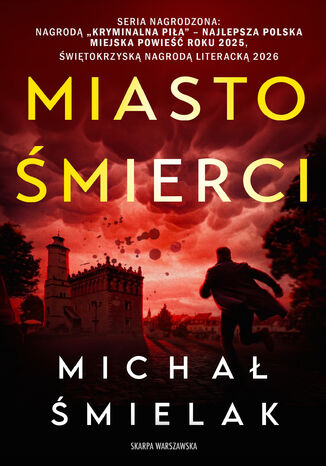
Michał Śmielak
Sandomierz to miasto, przez które przetoczyły się wszystkie zawieruchy wojenne, a każda zostawiała po sobie tysiące ofiar. Śmierć stała się częstym gościem w grodzie nad Wisłą i po raz kolejny wyciąga swe szpony po nowe ofiary. Komisarz Bruno Kowalski staje przed zadaniem odnalezienia zabójcy profesor Kamili Szafarz, która badała historię wyzwolenia Sandomierza spod hitlerowskiej okupacji. Jej ciało zostaje odnalezione na cmentarzu żołnierzy Armii Czerwonej, którzy polegli w walkach o miasto. Jako że wszystkie tropy zdają się prowadzić do tajemnic związanych z wojenną przeszłością, na pomoc policji rusza ponownie lokalny historyk, Krzysztof Szorca. Bruno i Krzysztof, wspomagani przez prokurator Marię Hojdę, ruszają w pościg za zabójcą. Nie zdają sobie sprawy, że to śledztwo wystawi na próbę ich przyjaźń i wstrząśnie nie tylko nimi samymi, ale także historią Sandomierza i legendą o jego wyzwoleniu. Gdy śmierć przybywa do miasta, nie ma ucieczki. Możesz tylko zamknąć oczy i czekać.
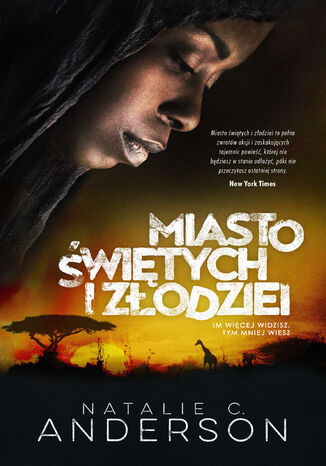
Natalie C. Anderson
Połączenie Mężczyzn, którzy nienawidzą kobiet z Zaginioną dziewczyną w zniewalającym kryminale, którego akcja osadzona jest w Kenii. W cieniach miasta Sangui żyje dziewczyna, która nie istnieje. Gdy Tina wraz matką uciekły z Kongo do Kenii, liczyły na rozpoczęcie nowego życia i znalezienie nowego domu. Matka Tiny szybko znalazła pracę jako pokojówka w domu wpływowej rodziny, której głową jest Roland Greyhill, jeden z najbardziej szanowanych biznesmenów w mieście. Tina szybko dowiaduje się, że swoją fortunę Greyhillowie zbudowali na korupcji i przestępczym życiu. Kiedy więc jej matka zostaje znaleziona martwa w gabinecie pana Greyhilla, od razu ma pewność, kto jest sprawcą morderstwa. Targana żądzą zemsty, Tina spędza kolejne cztery lata, próbując przeżyć na ulicach Sangui i pracując jako złodziejka dla Goondan, lokalnego gangu. To właśnie ta praca ostatecznie pozwala jej wrócić do posiadłości Greyhillów, gdzie będzie mogła wcielić w życie długo wyczekiwaną zemstę. Ale gdy tylko dziewczyna przekracza próg okazałej rezydencji, odzywa się ból starych ran, a wspomnienie dawnych przyjaźni wprawia w ruch niebezpieczny bieg zdarzeń, które mogą kosztować Tinę życie. Czy chęć odkrycia niewiarygodnej prawdy o zabójstwie matki - i o jego powodach - pozwoli bohaterce przetrwać lawinę wydarzeń? Wyróżnienia dla Miasta świętych i złodziei: Amazon najlepsza książka miesiąca w styczniu 2017 Barnes and Noble wybór do programu Odkryj Wspaniałych Nowych Pisarzy Barnes and Noble najbardziej oczekiwany debiut wśród powieści młodzieżowych 2017 roku Apple iBooks pozycja na liście najlepszych książek w styczniu 2017 Indie pozycja na liście wartych uwagi książek dla dzieci, zima 2016-2017 Indies Introduce pozycja na liście książek na zimę/wiosnę 2017 Teen Vogue najlepsza nowa książka młodzieżowa w styczniu 2017 Bustle najlepsza książka młodzieżowa w styczniu 2017 Miasto świętych i złodziei to pełna zwrotów akcji i zaskakujących tajemnic powieść, której nie będziesz w stanie odłożyć, póki nie przeczytasz ostatniej strony. The New York Times Trzymająca w napięciu historia zemsty. US Weekly Mroczny thriller autorstwa Anderson spodoba się czytelnikom, którzy preferują tajemnice o wymiarze politycznym oraz grę o wysokie stawki, a zarazem tym osobom, które wolą rozwiązania w odcieniach szarości od tych czarno-białych. The Horn Book
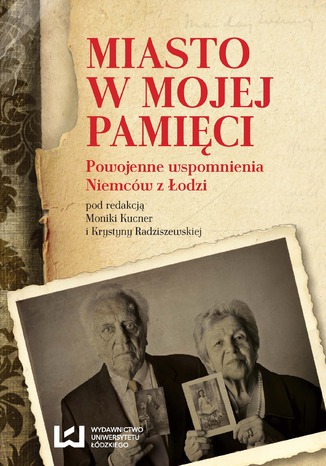
Miasto w mojej pamięci. Powojenne wspomnienia Niemców z Łodzi
Monika Kucner, Krystyna Radziszewska
Książka utrwala portret przedwojennej i wojennej Łodzi, wyłaniający się ze wspomnień wysiedlonych z miasta Niemców. Zawiera spisane po II wojnie światowej opowiadania, epizody, tworzące i odtwarzające subiektywną historię tego miejsca. Znajdziemy tutaj opowieść o blaskach i cieniach życia i pracy niemieckiego konsula w Łodzi w latach 1926-1931; historię ocalonego od zapomnienia emaliowanego kubka; zapis „ostatnich dni młodości” w przedwojennej Łodzi; wspomnienie ostatnich przedwojennych wakacji; opowieść o losach uciekającej z Łodzi pięciolatki; zapisy związane z konkretnymi datami (styczeń 1945) i miejscami, przynależnymi do drogich pamięci adresów; epizody, obrazki, okruchy wspomnień, z których wyłania się poczucie zagrożenia, obcości, którym towarzyszy potrzeba „uporania się” z przeszłością, przekazania wspomnień innym. Z publikowanych po raz pierwszy fragmentów wyłania się obraz miasta, często nieobecny w dokumentach czy opracowaniach naukowych, stanowiący istotne dopełnienie oficjalnego obrazu historii tego miejsca.